Which Colors an Italian Greyhound Comes In
It’s easy to get swept away by the sheer elegance and delicate beauty of an Italian Greyhound, but when you start looking into bringing one home, the sheer variety of colors can sometimes feel overwhelming. You might find yourself wondering if certain colors are healthier, rarer, or even "more correct" than others. This guide is here to cut through the confusion and give you a thorough understanding of the beautiful spectrum of Italian Greyhound colors, helping you appreciate their unique coats and make informed decisions.
Understanding the Italian Greyhound Color Palette: A Rich History
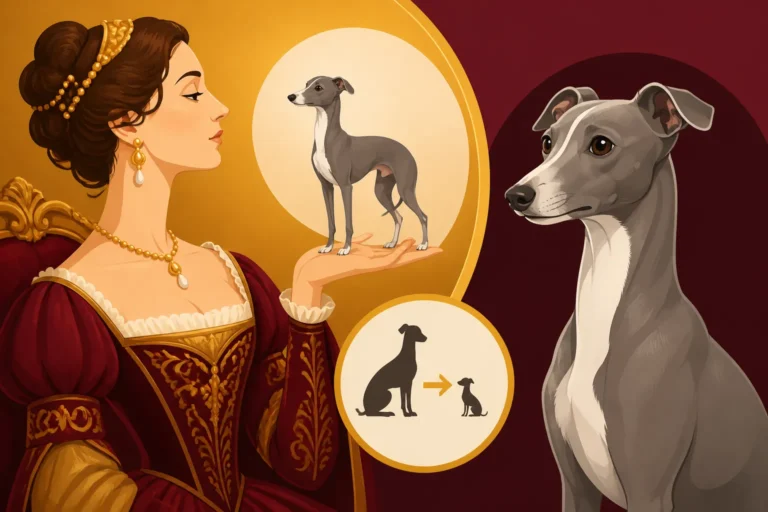
The Italian Greyhound is a breed steeped in history, stretching back millennia. Throughout its long existence, from the courts of ancient Egypt to the palaces of Renaissance Europe, the dogs have been cherished for their grace, gentle nature, and yes, their striking appearances. The colors we see today are a testament to this deep lineage, reflecting both careful breeding and the natural genetic diversity within the breed.
The Historical Context of Italian Greyhound Colors
For centuries, the Italian Greyhound's coat was admired not just for its softness but for its color. Early depictions, like those in Renaissance paintings, often show dogs with a range of hues, indicating that color variation was always part of the breed's charm. In those days, specific color preferences might have been tied to fashion, royal decree, or even superstitious beliefs, but generally, a healthy, well-tempered dog was paramount. The idea of a "standard" for colors began to solidify much later, with the advent of formal dog shows and breed clubs. These clubs worked to codify what an ideal Italian Greyhound should look like, encompassing everything from ear set to tail carriage, and of course, coat color.
It’s fascinating to think that the same genes responsible for a sleek black coat or a soft fawn shade today were present in dogs warming the laps of nobility centuries ago. Breeders have always worked to preserve the classic look of the Italian Greyhound, and this includes maintaining the diverse, yet specific, array of colors that define the breed. Each color tells a bit of a story about the breed's journey through time, and understanding this history helps us appreciate the careful stewardship of modern breeders.
Why Coat Color Matters in the Breed Standard
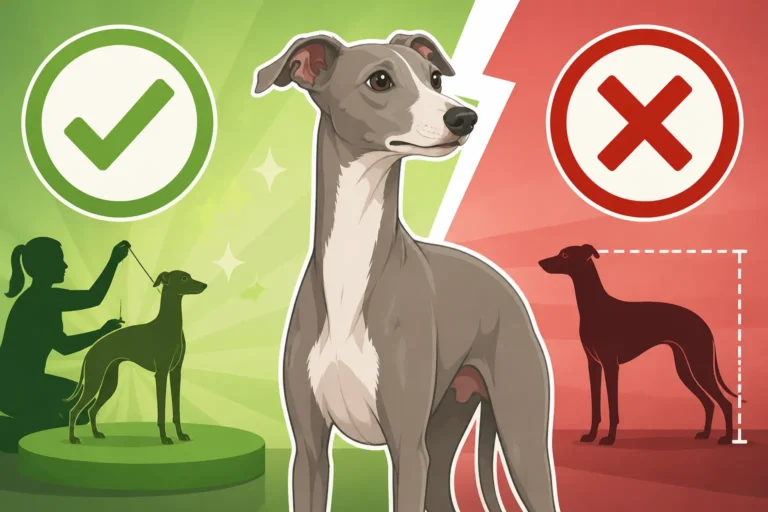
When you delve into the world of purebred dogs, you'll quickly encounter the concept of a "breed standard." This isn't just a guide for show judges; it's a blueprint that describes the ideal characteristics of a breed, aiming to preserve its unique traits, health, and function. For the Italian Greyhound, the standard specifies a lean, elegant physique, a distinctive gait, and a particular type of coat – short, fine, and glossy. And, yes, it dictates which colors are acceptable and which are not.
The reason color standards exist isn't always about arbitrary preference. Sometimes, certain colors can be genetically linked to health issues, or they might indicate an outcross to another breed in the lineage. For the Italian Greyhound, the standard generally allows "any color or markings" with a couple of key exceptions. This broad acceptance means there's a lovely variety to choose from, but it also means that breeders must be vigilant about understanding the genetics behind each shade. The goal is always to produce healthy, well-conformed dogs, and color is just one piece of that intricate puzzle. A good breeder will prioritize health and temperament above all, even when working with stunning colors. What a Breeder Contract on an Italian Greyhound Requires often includes clauses about understanding the breed standard.
The Standard Colors You'll See in Italian Greyhounds
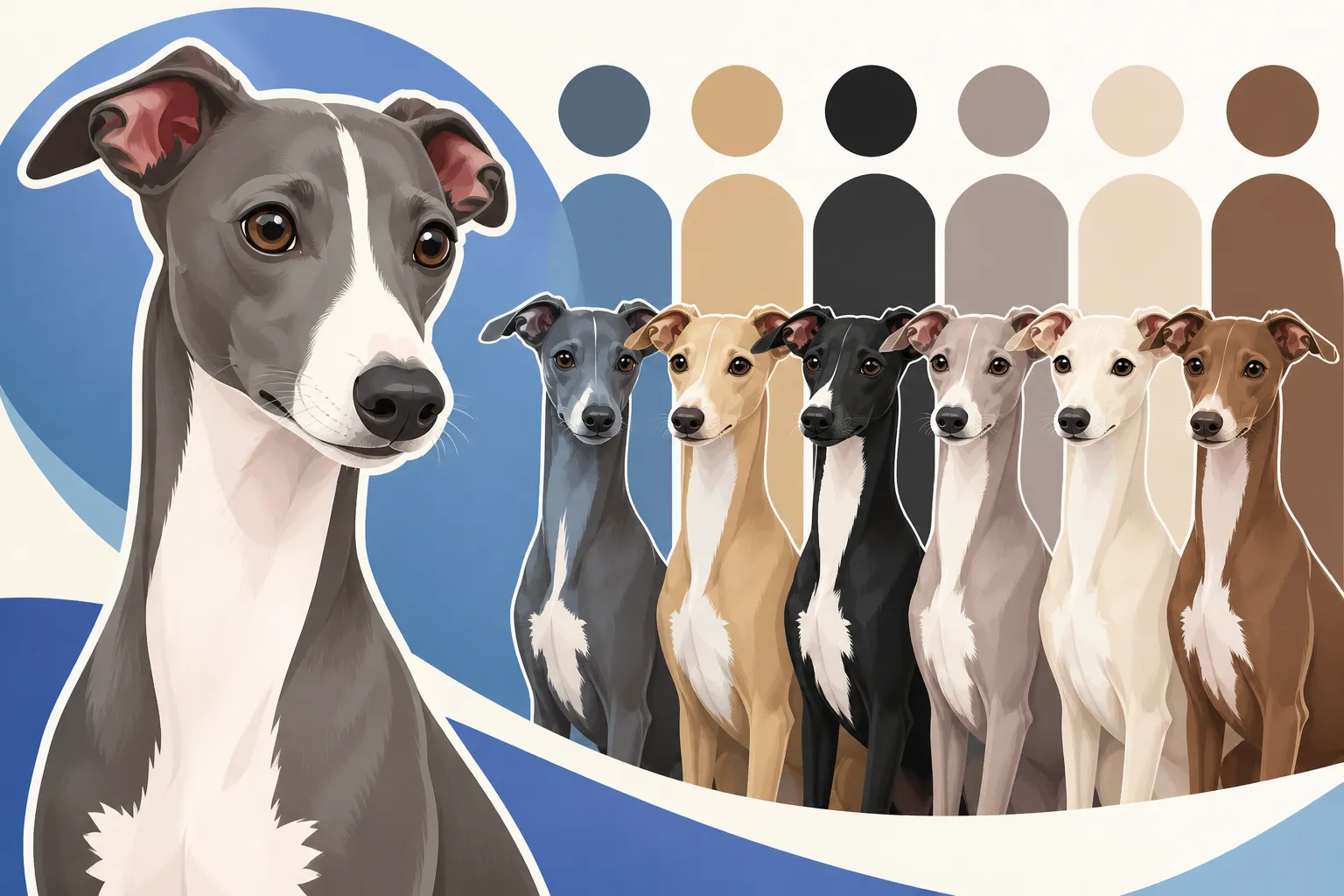
Italian Greyhounds boast a beautiful, often surprising, array of colors. Their short, sleek coats really highlight the richness of each shade, making every individual dog a living piece of art. When we talk about "standard" colors, we're referring to those recognized by kennel clubs, which are generally permissible in the show ring and indicate a purebred Italian Greyhound.
Solid Colors: The Classic Elegance
Many Italian Greyhounds are seen in striking solid colors, where their entire coat is one uniform shade with no white markings. These colors often exude a timeless elegance that perfectly complements their refined build.
-
Black: A deep, true black Italian Greyhound is quite stunning. The coat is often very shiny, almost like polished obsidian, and can be quite velvety to the touch. Sometimes, in direct sunlight, you might catch subtle hints of dark brown, but a true black should be uniformly dark. These dogs carry a powerful presence, and their sleek lines are accentuated by the solid, unblemished color. You might think a solid black dog is just a solid black dog, but the depth and sheen can vary, making each one unique.
-
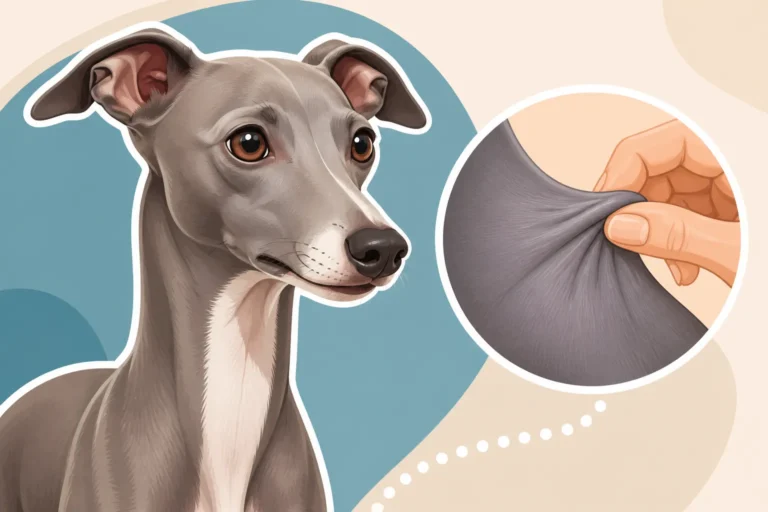
Blue (Grey): This is a very popular and striking color, often described as a soft, dilute black or a slate grey. Blue Italian Greyhounds can range from a very light, almost silver-blue to a deeper, richer charcoal blue. It's a gorgeous color that stands out and has a particular allure. However, it's also a color that can sometimes be associated with specific genetic conditions like Color Dilution Alopecia in a Blue Italian Greyhound, so it's vital for breeders to be responsible and health test. The dilute gene responsible for blue turns black pigment into a greyish shade, affecting the coat, nose, and paw pads.
-
Fawn: Fawn is a beautiful, warm tan color, ranging from a very pale, creamy fawn to a rich, golden tan. It's often likened to the color of a deer. Fawn Italian Greyhounds often have dark noses and eye rims, providing a lovely contrast to their lighter coats. This color can sometimes seem to change with the light, appearing warmer or cooler depending on the environment. It's a classic sighthound color, evoking images of ancient hunting dogs. You might see a fawn puppy start quite pale and darken slightly as it matures, or vice-versa.
-
Red: While fawn is a golden tan, red Italian Greyhounds lean more towards a deeper, rusty or mahogany shade. Think of a rich Irish Setter red, though typically not as vibrant. This color is less common than fawn but equally beautiful, offering a warm and distinctive appearance. Like fawn, the depth of the red can vary, from a softer strawberry blonde to a true, deep reddish-brown. The key is that it's a solid, even color throughout the coat.
-
Cream: Cream is a very pale, almost off-white color. It's lighter than fawn but usually still has a noticeable yellow or golden undertone, distinguishing it from pure white. Cream Italian Greyhounds have a soft, ethereal quality, and their coats can feel incredibly luxurious. Sometimes, puppies born very pale cream might lighten further or develop slight shading as they grow.
Particolors: The Beauty of White Markings
Beyond the solid colors, Italian Greyhounds are also commonly seen in particolor patterns, meaning they have distinct patches of white alongside one of the standard colors. These markings add a unique flair to each dog, ensuring no two particolors look exactly alike.
- White Markings on Any Standard Color: The breed standard allows for white markings on any of the accepted solid colors. This means you can find blue and white, fawn and white, red and white, cream and white, and black and white Italian Greyhounds. The white can appear in various locations and patterns:
- Irish Marked: Often characterized by a white blaze on the face, a white collar, white chest, belly, and white socks. This pattern creates a lovely, balanced look.
- Pied or Pinto: These dogs have larger, more irregular patches of color on a predominantly white body. The patches can be quite dramatic and spread across the back, sides, and head.
- Minimal White: Some Italian Greyhounds might only have a small white patch on their chest (often called a "locket"), or white toes. Even a small splash of white adds a distinct touch.
The interplay between the base color and the white creates striking contrasts and makes each particolor dog truly unique. When looking at a particolor Italian Greyhound, you’ll notice that the colored patches are typically a clear, defined shade, not mottled or faded into the white. This distinction is important in the breed standard. Which Italian Greyhound Colors Are Hardest to Find sometimes includes those with very specific or rare patterns of white.
| Color Category | Common Shades | Description | Standard Acceptance | Potential Health Links |
|---|---|---|---|---|
| Solid | Black | Deep, true black | Accepted | Generally none |
| Blue (Grey) | Dilute black, slate | Accepted | Color Dilution Alopecia (CDA) | |
| Fawn | Light tan to golden | Accepted | Generally none | |
| Red | Deep rusty red | Accepted | Generally none | |
| Cream | Pale, off-white | Accepted | Generally none | |
| Particolor | White on any above | Patches of white with a base color | Accepted | None related to color itself |
| Non-Standard | Brindle | Striped pattern | Disqualifying | Generally none |
| Black & Tan | Black body with tan points | Disqualifying | Generally none |
Diving Deeper into Specific Italian Greyhound Color Genetics
Understanding the genetics behind Italian Greyhound colors can seem a bit like unraveling a complicated family tree, but it's incredibly helpful, especially if you're curious about why some colors appear and others don't, or why certain colors require more careful breeding considerations.
The Genetics Behind Blue and Fawn
The magic behind the blue and fawn colors in Italian Greyhounds comes down to a few key genetic loci that influence pigment. It's not just a matter of "blue or not blue"; there are specific genes at play.
-
The Dilution Gene (d/d): This is the star of the show for blue and fawn. All dogs carry genes for either black (B) or brown (b) pigment. However, a separate gene, the dilution gene, can "dilute" these colors. If an Italian Greyhound inherits two copies of the recessive 'd' gene (d/d), it dilutes black pigment to blue and brown pigment to Isabella (a dilute fawn). So, a dog with black pigment genes (B/B or B/b) that also has d/d will be blue. A dog with brown pigment genes (b/b) that also has d/d will be Isabella or dilute fawn. This is why you'll often hear "blue" referred to as a dilute color. The effect of dilution is visible not just in the coat, but also in the nose leather and paw pads, which will also take on a bluish or grayish hue. This genetic interaction is quite fascinating and contributes to the visual diversity of the breed.
-
The A-Locus and Fawn: Fawn is determined by the "agouti" series, specifically the 'ay' allele (fawn/sable). A dog that is ay/ay will express a fawn coat. The intensity of the fawn can then be modified by other genes, leading to the spectrum from pale cream to rich red fawn. So, a fawn Italian Greyhound technically carries the genetic potential for black pigment, but the agouti gene directs that pigment to be expressed as fawn. It's a combination of these genes that creates the beautiful, warm tones we associate with the color. Breeders often use genetic testing to understand the color alleles their dogs carry, allowing them to predict puppy colors with more accuracy and ensure diversity. This is part of the What an Italian Greyhound Breeder Should Have Tested regimen.
Understanding Dilution and Its Impact
The concept of dilution is critical because it's not just about aesthetics; in certain breeds, and sometimes even within Italian Greyhounds, it can be linked to health conditions.
-
Color Dilution Alopecia (CDA): This is the primary concern when discussing dilution in blue Italian Greyhounds. CDA is a genetic condition that affects the hair follicles of dilute-colored dogs, most commonly blue or fawn. It causes patches of hair loss, often on the back, ears, and neck, and the skin in these areas can become dry, flaky, and prone to secondary infections. Not all blue Italian Greyhounds will develop CDA, but they are at a higher risk than non-dilute colors. It's important for prospective owners of blue IGs to be aware of this potential issue and to ask breeders about their experience and testing related to CDA. Sometimes, topical treatments and specific shampoos (like those available at Chewy) can help manage the symptoms if they arise, but there is no cure. What Color Dilution Alopecia Does to an Italian Greyhound is a very real concern for blue Italian Greyhound owners.
-
Managing Dilution: For breeders, understanding the dilution gene means making responsible breeding choices. While blue is a recognized and beautiful color, reputable breeders will take care not to breed two dilute-colored dogs together without careful consideration of the potential for CDA. They might test their breeding stock for the dilute gene, or they might prefer to breed a dilute dog with a non-dilute dog to reduce the risk. It’s a delicate balance of preserving genetic diversity and ensuring the health of future generations. The dilute gene itself isn't inherently bad, but its interaction with other genes can sometimes lead to issues that conscientious breeders strive to minimize.
Non-Standard and Disqualifying Colors: What Breeders Know
While the Italian Greyhound breed standard is quite accepting of many colors and markings, there are a few that are considered non-standard or even disqualifying in the show ring. This doesn't necessarily mean these dogs are unhealthy or not purebred, but it does mean they don't fit the established aesthetic guidelines for conformation showing.
Brindle and Black and Tan: Why They're Not Standard
Two specific color patterns that are not accepted in the Italian Greyhound breed standard are brindle and black and tan. If you see an Italian Greyhound puppy advertised with these colors, it's worth understanding why they're considered non-standard.
-
Brindle: Brindle is a striking coat pattern characterized by stripes or streaks of one color over a lighter base color, often described as a "tiger stripe" pattern. While beautiful and common in many other sighthound breeds like Greyhounds and Whippets, it is a disqualifying fault in the Italian Greyhound standard. The genetic allele responsible for brindle (kbr) is not considered part of the traditional Italian Greyhound gene pool. If an Italian Greyhound exhibits brindle markings, it often suggests an outcross to another breed at some point in its lineage, even if it's many generations back. Reputable breeders would never knowingly breed for brindle in an Italian Greyhound. Why Brindle Disqualifies an Italian Greyhound is a clear directive in the breed standard.
-
Black and Tan: This is another distinct pattern, seen in breeds like Dobermans or Rottweilers, where the dog has a solid black body with specific tan or red markings on the muzzle, over the eyes, on the chest, and on the legs. Like brindle, the genetic alleles that create the black and tan pattern (at) are not part of the recognized Italian Greyhound genetic makeup. Therefore, an Italian Greyhound with black and tan markings would also be disqualified from the show ring. Again, seeing this pattern should prompt questions about the dog's true lineage and adherence to the breed standard. While these dogs can be perfectly healthy and wonderful companions, they don't align with the visual criteria established for the breed. Why Black and Tan Markings Disqualify an Italian Greyhound speaks to the importance of maintaining breed purity and appearance.
The Truth About "Rare" Italian Greyhound Colors
In the world of dog breeding, the term "rare" can sometimes be a red flag. While some colors are genuinely less common, others might be labeled "rare" to command higher prices, or they might even be non-standard colors disguised as something special.
-
Marketing vs. Reality: Be cautious if you see a breeder marketing an Italian Greyhound as an "extremely rare" color. Often, these "rare" colors are either simply less common variations of accepted colors (e.g., a specific shade of red or a very unique particolor pattern), or they are colors that are actually not recognized by the breed standard, such as brindle or black and tan. A truly rare color, within the context of the breed standard, would simply be one that appears infrequently due to recessive genes, not a color that falls outside the standard entirely. Always prioritize a breeder's focus on health, temperament, and adherence to the recognized breed standard over claims of "rare" colors.
-
Understanding "Blue Fawn" or "Isabella": This is a color that can sometimes be marketed as rare, but it's actually a recognized dilute color. Isabella is the result of a dog having brown pigment genes (b/b) and the dilute gene (d/d). It creates a light, sometimes pinkish-tan or mushroom color, where the nose and paw pads are also diluted to a lighter, often pinkish-brown hue. While perhaps less common than blue or fawn, it's a legitimate and accepted Italian Greyhound color within the standard. It’s a beautiful and soft shade that often takes on different appearances depending on the lighting. Knowing the genetics helps you understand what you're actually seeing and avoids getting caught up in misleading marketing.
How Color Influences Health and Temperament (Or Doesn't!)
It's natural to wonder if a dog's coat color can tell you anything about its health or personality. For Italian Greyhounds, like many breeds, there are some specific connections to be aware of, but also many myths that need debunking.
The Link Between Color and Health Concerns
As we've touched upon, the primary health concern associated with specific Italian Greyhound colors revolves around dilution.
-
Color Dilution Alopecia (CDA) Revisited: The most notable link between color and health in Italian Greyhounds is the potential for Color Dilution Alopecia (CDA) in blue, and sometimes fawn or Isabella, dogs. CDA is a non-life-threatening but chronic skin condition that can cause hair loss and secondary skin infections. It's not a guarantee that a blue IG will get it, but the genetic predisposition is there. This is why responsible breeders are transparent about their blue lines and may provide information on the likelihood or history of CDA in their dogs. If you fall in love with a blue Italian Greyhound, it's a good idea to discuss this with the breeder and be prepared for potential dermatological care if the condition develops. Managing CDA might involve special shampoos, skin moisturizers, or supplements, all of which you can often find at reputable pet suppliers like Chewy.
-
Other Color-Linked Conditions (Generally Not an IG Issue): In some breeds, certain coat colors (like merle or extreme white) are linked to deafness, blindness, or other neurological issues. Fortunately, for Italian Greyhounds, the accepted range of colors does not carry these same widespread, significant health risks. The genetic makeup that allows for black, fawn, red, cream, and their particolor variations doesn't typically predispose the dogs to a host of color-linked diseases beyond the specific risk of CDA in dilutes. This is good news, as it means you can largely choose a color based on preference without fear of inherent health problems, as long as you are aware of the CDA possibility. Whether an Italian Greyhound Is a Healthy Breed overall is a great question to research.
Separating Color Myths from Reality
Beyond the factual link with CDA, there are many misconceptions about how color affects a dog. It's crucial to rely on scientific understanding and reputable breeding practices rather than old wives' tales.
-
Color and Temperament: There is absolutely no scientific basis to suggest that an Italian Greyhound's coat color influences its temperament. A black IG is no more or less likely to be shy than a fawn one, and a blue IG is no more or less playful than a red one. Temperament is primarily a product of genetics (the individual dog's lineage, parental temperament) and environment (socialization, training, experiences). A well-bred Italian Greyhound from health-tested parents with good temperaments, regardless of color, is far more likely to have a stable and friendly disposition. Focus on the individual puppy's personality and the reputation of the breeder, not the shade of its coat. What Motivates an Italian Greyhound is universal, not color-specific.
-
Color and "Hardiness" or Fragility: Another myth is that lighter-colored Italian Greyhounds are somehow more delicate or fragile than darker ones, or vice versa. The physical characteristics of the Italian Greyhound – their fine bone structure, thin skin, and low body fat – are breed-wide traits, not color-specific. Whether your Italian Greyhound is black, fawn, or blue, they all share the same inherent physical delicacy that requires careful handling and protection from bumps and cold. Why an Italian Greyhound's Leg Bones Break So Easily is due to bone structure, not color. Any perceived differences in "hardiness" based on color are purely anecdotal and not supported by breed facts.
-
Color and Sunburn/Weather Sensitivity: While Italian Greyhounds, with their thin coats, are generally susceptible to sunburn, especially on sparsely haired areas or light skin, this isn't strictly color-dependent. A cream or fawn Italian Greyhound might appear to get sunburned more easily, but a black one can also suffer from sun exposure. Similarly, all Italian Greyhounds feel the cold acutely, regardless of their coat color. Their minimal body fat and short fur mean they need sweaters and coats in cool weather, whether they're solid black or blue and white. Providing appropriate clothing and shelter is important for all IGs. You can find a vast array of stylish and practical options, even on sites like Chewy, to keep your IG comfortable. Feeling the cold (Why an Italian Greyhound Cannot Hold Its Own Heat) is a universal breed trait.
What to Expect When Choosing an Italian Greyhound Puppy by Color
So, you're ready to bring an Italian Greyhound into your life, and you have some ideas about what color you might prefer. It's an exciting time, but there are a few practical things to keep in mind, especially regarding how a puppy's color might change and how to prioritize beyond just looks.
Color Changes as a Puppy Grows
It might surprise you to learn that an Italian Greyhound puppy's color isn't always set in stone from birth. Just like human babies, their hair color can evolve as they mature.
- Fading and Darkening: Many Italian Greyhound puppies are born with a slightly different shade than their adult coat. For instance, a black puppy might be born a very dark charcoal and then settle into a true jet black. Fawn puppies can be very pale at birth and darken to a richer tan, or conversely, a darker fawn puppy might lighten to a creamy shade. Blues, too, can appear darker or lighter as tiny puppies and then develop their true adult shade over the first year. This is a common phenomenon in many breeds and is completely normal. Don't be too surprised if that adorable cream puppy you saw at eight weeks develops into a slightly richer fawn by its first birthday.
- Sun Exposure: Even adult Italian Greyhounds can experience subtle color changes due to sun exposure. A dark black coat might develop a reddish tinge if the dog spends a lot of time in the sun, while a fawn coat might lighten further. This isn't a permanent change but more of a sun-bleaching effect, much like human hair. It's another reason why providing appropriate sun protection, particularly for sensitive skin, is important for all Italian Greyhounds, regardless of their initial color.
Making an Informed Choice Beyond Aesthetics
While it's perfectly fine to have a favorite Italian Greyhound color, it should never be the primary factor in choosing a puppy. A healthy, well-adjusted companion is far more important than a specific shade.
-
Prioritize Health and Temperament: First and foremost, look for a reputable breeder who prioritizes the health and temperament of their dogs. This means asking about health testing for conditions like patellar luxation, eye diseases, and thyroid issues. Observe the parents' temperaments – are they friendly, outgoing, and calm? A good breeder will be transparent about their breeding program and happy to answer all your questions. A puppy from healthy, well-tempered lines, regardless of color, will bring you much more joy and fewer heartaches in the long run. What an Italian Greyhound Breeder Should Have Tested will cover all these critical areas.
-
Consider Lifestyle and Fit: Think about how an Italian Greyhound will fit into your life. Are you prepared for their need for warmth, their delicate bone structure, and their renowned housetraining challenges? All these traits are universal to the breed, not tied to a specific color. Whether you choose a black, blue, fawn, or particolor Italian Greyhound, you'll be getting a loving, sensitive, and often mischievous companion who thrives on human companionship. The color is merely the beautiful wrapping paper on an incredible gift.
-
"Love the Dog, Not Just the Color": This is a common mantra among experienced dog owners. While a particular color might initially draw you in, the bond you form with your Italian Greyhound will be based on their personality, their silly antics, and their unwavering affection, not their coat. Be open to falling in love with a puppy of any accepted color, as long as it comes from a responsible background. Ultimately, the best Italian Greyhound is one that is a good match for your home and heart, regardless of whether they are fawn, red, blue, or black. Who the Italian Greyhound Actually Suits is more about lifestyle compatibility than color preference.
Disclaimer
This article is for general informational purposes only and does not constitute professional advice. Laws, prices and regulations vary by location and change over time. Consult a qualified professional for guidance on your specific situation.