How an Italian Greyhound’s Ears Should Be Carried
It's often one of the first things you notice about an Italian Greyhound: those delicate, expressive ears! But if you've ever found yourself wondering if your beloved little companion's ears are exactly how they're "supposed" to be, especially if you're interested in the breed standard, you're not alone. Many new owners, and even some experienced ones, can get a little confused about what constitutes the correct ear carriage for this elegant sighthound. This guide will walk you through the nuances of Italian Greyhound ear types, from the ideal show-ring look to common variations, and why these unique ears are so essential to the breed's character and health.
Understanding the Breed Standard for Italian Greyhound Ears
When we talk about an Italian Greyhound's ears in the context of breed standards, we're really diving into centuries of selective breeding that aimed to preserve a very specific aesthetic and function. The standard isn't just about looking pretty; it's about maintaining the distinctive elegance and characteristics that define the Italian Greyhound. For the ears, this means a particular "rose ear" set that contributes significantly to their refined head profile.
The Rose Ear: A Hallmark of the Sighthound
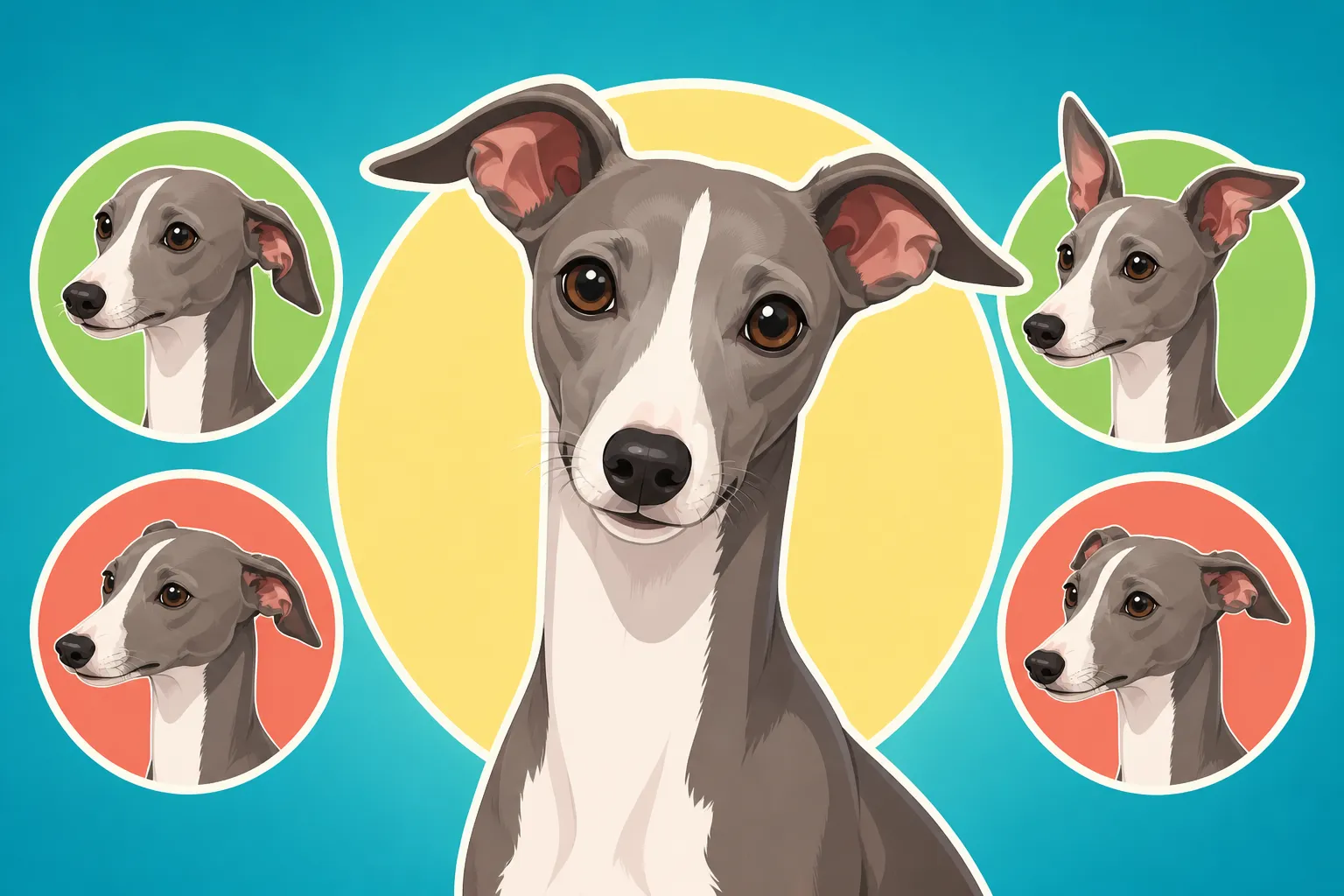
The "rose ear" is perhaps one of the most defining features of many sighthound breeds, and the Italian Greyhound is no exception. This isn't an ear that stands erect or flaps like a setter's. Instead, it’s a small, fine-textured ear that folds back, revealing a portion of the inner ear. Think of a delicate rose petal, gently curled. When the dog is alert or excited, these ears might lift slightly, but they should never stand completely upright. This subtle, graceful fold contributes to the breed's keen, intelligent expression and its overall aristocratic demeanor. It's a hallmark that ties them directly to their larger sighthound cousins.
The rose ear is more than just an appearance trait; it also speaks to the refined bone structure of the Italian Greyhound's skull. The delicate nature of the ear leather, the way it's set on the head, and its ability to fold back without creasing or standing out are all crucial. Breeders pay close attention to this, as an incorrect ear set can dramatically change the perceived expression of the dog, making them look less like a classic Italian Greyhound. It’s a testament to the meticulous care in preserving the breed's unique silhouette.
What 'Folded Back' Truly Means
The breed standard typically describes the Italian Greyhound's ears as "rose ears, folded back." This isn't just a casual droop. It means the ears should be set high on the head, but not so high that they appear to be at the very top. From there, they should fold backward and flatten against the side of the neck, with the tips pointing towards the back of the head. When the dog is relaxed, they might sit quite flat, almost disappearing into the neck line. However, when the Italian Greyhound is engaged, curious, or hearing an interesting sound, those ears will often pivot forward, lifting slightly from their folded position to act as sensitive sound collectors, without ever losing their characteristic fold.
Imagine your Italian Greyhound catching a glimpse of a squirrel in the yard. Those ears will swivel, perhaps lifting slightly at the base, but the fold will remain intact. They act like little radar dishes, perfectly adapted for a sighthound whose primary senses were historically sight and then sound to track movement. This ability to flex and react, while maintaining the overall rose ear shape, is part of their charm and their functional heritage. It’s also why seeing them fully pricked can be quite startling to those familiar with the breed's traditional look.
Common Ear Carriages You Might See
While the breed standard describes the ideal, nature often offers a spectrum of possibilities. Just like people have different hair textures or eye shapes, Italian Greyhounds can exhibit slight variations in ear carriage. Most of these are perfectly normal for a beloved companion animal, though some may diverge from the strict requirements of the show ring.
Button Ears and Semi-Prick Ears: Acceptable Variations
Beyond the perfect rose ear, you might encounter Italian Greyhounds with "button ears" or "semi-prick ears." Button ears are those where the ear folds forward or slightly to the side, covering the ear canal opening. They're still soft and folded, just in a different configuration than the full rose ear. Sometimes, these ears can give an Italian Greyhound an incredibly sweet, puppy-like expression, even into adulthood. This type of ear might be seen more frequently in pet-quality Italian Greyhounds than in those bred for conformation, but it doesn't detract from their wonderful personalities.
Semi-prick ears are a bit of a hybrid. Here, the base of the ear might stand up slightly, but the top portion still folds over, usually to the side or slightly forward. It's not a fully erect ear, but it doesn't lie as flat or fold as far back as a true rose ear. Again, this is a variation you might spot in many Iggys, and it's generally considered acceptable for a pet. These ears can be quite expressive, flipping and turning with every sound, adding to the dog's lively character. From a functional perspective, there's no inherent health drawback to either button or semi-prick ears; they simply don't fit the precise aesthetic definition for the show ring.
Prick or Erect Ears: A Disqualifying Fault in the Show Ring
This is where the distinction becomes crucial for anyone considering showing their Italian Greyhound. A "prick" or "erect" ear is one that stands completely upright, without any fold or break in the ear leather. Think of a Chihuahua or a German Shepherd's ears. While these are perfectly normal and desirable traits in those breeds, they are considered a serious fault, and often a disqualifying one, for an Italian Greyhound in the conformation ring. The erect ear completely alters the classic head profile and expression, moving away from the sighthound elegance that is so cherished.
Owners of Iggys with prick ears should know that while it means they can't compete in conformation shows, it doesn't make their dog any less of an Italian Greyhound or any less deserving of love. In fact, many pet owners find prick ears quite endearing. They simply signify a departure from the strict breed standard. Sometimes, an Italian Greyhound puppy might have ears that are a bit "wild" during teething, standing up more than they should, but as they mature, they usually settle into their natural carriage. If they remain fully erect, it's typically a genetic trait. It's important to remember that for pet owners, the dog's health and happiness far outweigh any cosmetic deviation from the breed standard.
The Functionality Behind the Fold: Why Ear Type Matters
Beyond the show ring and aesthetic preferences, the Italian Greyhound's ear carriage actually plays a subtle but important role in their daily lives. From protecting them from the elements to acting as a vital communication tool, those delicate ears are more functional than you might first imagine.
Protection from Elements and Injury
The rose ear, with its natural fold and close-lying position against the head, offers a degree of protection that upright ears might not. For a dog like an Italian Greyhound, who is often described as having How Fine an Italian Greyhound's Skin Should Be, this can be particularly beneficial. The delicate ear leather and thin skin are more susceptible to nicks, scrapes, or even sunburn. When the ear is folded back or down, it provides a natural shield against wind, dust, and even the sun's harsh rays, especially if your Iggy loves to sunbathe.
Think about a brisk winter walk. While your Italian Greyhound certainly needs Keeping an Italian Greyhound Warm Is Daily Work, Not a Winter Job with sweaters and coats, those folded ears also help protect the sensitive ear canal from cold winds and debris. Even during playful romps, the way the ears lie close to the head makes them less likely to be snagged or injured by branches or rough play with other dogs. It's a small detail, but for a breed known for its delicate nature, every bit of natural protection helps.
Expressing Emotion and Communication
Italian Greyhounds are masters of subtle communication, and their ears are a key part of their expressive repertoire. Those delicate rose ears are incredibly mobile and articulate, capable of conveying a wide range of emotions without a single bark. When an Italian Greyhound is relaxed and content, their ears might be folded back, almost disappearing. When they are curious, those ears will swivel forward, lifting slightly, listening intently to every rustle or distant sound. An Iggy whose ears are plastered tightly back against their head, perhaps combined with a slightly tucked tail, might be feeling nervous or unsure.
Consider how your Italian Greyhound greets a new person. Their ears might twitch forward with cautious interest, or flatten back slightly if they're a bit shy. When they hear the crinkle of a treat bag from the kitchen, those ears might perk up with eager anticipation. The nuances of their ear movements are a window into their inner world, offering clues about their mood, their level of alertness, and their responses to their environment. Learning to "read" your Italian Greyhound's ears, along with their other body language cues, can deepen your bond and help you understand their needs more effectively.
How Ear Carriage Develops in Italian Greyhound Puppies
Watching an Italian Greyhound puppy grow is a journey filled with adorable quirks, and their ears are certainly one of them. Unlike some breeds where ear set is fairly stable from birth, an Iggy's ears can go through several fascinating transformations before settling into their permanent adult form. This developmental period often leads to questions and sometimes a little worry for new owners.
The Teething Stage and Ear Changes
One of the most common periods for ear changes in an Italian Greyhound puppy is during teething. Just like in human babies, teething in puppies can throw their entire system into a bit of a tizzy, and this often includes their calcium metabolism. The body prioritizes calcium for growing teeth and bones, which can sometimes temporarily affect the cartilage in their ears. You might see a puppy whose ears were perfectly folded suddenly start to "fly" or stand up somewhat erect, only to drop back down a few days or weeks later. This is often referred to as "flying ears" or "ear setters" and is a completely normal part of puppy development.
It can be a bit alarming if you're hoping for those classic rose ears, but generally, patience is key. Most of the time, once the permanent teeth have erupted and the teething phase has passed, the ears will settle back into their genetically predetermined position. It's rare for a puppy with true rose ear genetics to permanently have prick ears solely because of teething. However, if a puppy is genetically predisposed to erect ears, the teething stage might just be the period where they become more noticeably upright. During this time, ensure your puppy has good nutrition, perhaps with quality puppy food from a brand like Chewy, to support their overall growth, including healthy bone and cartilage development.
When Ear Set Becomes Permanent
So, when exactly do an Italian Greyhound's ears decide what they're going to be for life? Typically, you can expect the adult ear set to become relatively permanent by the time the puppy is around six to nine months old, often coinciding with the end of the major teething period and the hardening of their growth plates. Before this age, while the ears might give strong hints, they can still fluctuate. Some Iggys might even have ears that go through an awkward "helicopter" phase, where one ear is up and one is down, much to the amusement of their owners.
It’s a good idea to observe your puppy's ears without trying to manipulate them. Taping or gluing ears is sometimes done in other breeds to achieve a certain look, but it's generally not recommended or necessary for Italian Greyhounds, and can sometimes even cause discomfort or skin irritation. The natural process of development is usually best. By the time your Italian Greyhound is approaching their first birthday, their ear carriage will almost certainly have settled. This is also around the time they reach their adult size and their bones finish hardening, as discussed in The Age an Italian Greyhound's Bones Finish Hardening.
Living with Different Ear Types: Beyond the Show Ring
For most Italian Greyhound owners, the exact conformation of their dog's ears is far less important than their health, happiness, and personality. While the breed standard is vital for preserving the integrity of the breed, a slightly different ear set doesn't diminish the joy and companionship these wonderful dogs bring into our lives.
Care Considerations for Various Ear Types
Regardless of whether your Italian Greyhound has perfect rose ears, charming button ears, or expressive prick ears, routine ear care remains important. All dogs need their ears checked regularly for cleanliness, redness, odor, or discharge, which could indicate an infection. Italian Greyhounds, with their fine hair and generally open ear canals, are typically less prone to chronic ear infections than breeds with heavy, floppy ears that trap moisture and heat. However, regular inspection is still a must.
Cleaning an Italian Greyhound's ears is usually quite simple. A gentle wipe with a damp cotton ball or a vet-approved ear cleaner can help remove any dust or wax buildup. Because their ears are so delicate, always be very gentle. If you notice any signs of irritation or a foul smell, it's time for a vet visit. Your vet can show you the proper technique for cleaning and advise on products. You might find a good selection of ear care products, like gentle cleansers, on reputable pet supply sites such as Chewy, making it easy to keep their ears in top condition. Keeping up with How Often an Italian Greyhound's Ears Need Checking is a fundamental part of their overall wellness routine.
The Health of the Ear Regardless of Carriage
It's a comforting thought for many owners: the health of an Italian Greyhound's ear is rarely dictated by its specific carriage type. Whether the ears are perfectly folded back or stand proudly erect, the internal anatomy – the ear canal, eardrum, and inner ear structures – is generally the same. Concerns about hearing or susceptibility to infection are usually not linked to whether an ear is rose, button, or prick. What truly matters is the ongoing care and attention you provide.
Regular visual checks and occasional gentle cleaning are the best defense against issues like yeast or bacterial infections, which can affect any dog regardless of breed or ear type. If your Italian Greyhound is shaking their head, scratching their ears excessively, or you notice a strong odor, don't hesitate to consult your veterinarian. These symptoms are much more indicative of a potential problem than the way their ears happen to sit on their head. So, love those ears, whatever shape they take! They are a unique part of your Italian Greyhound's charm and an important feature to monitor for overall health.
| Ear Type | Description | Breed Standard Acceptance (Show Ring) | Pet Suitability |
|---|---|---|---|
| Rose Ear | Small, fine, folds back revealing part of inner ear, tips towards back of head. | Ideal/Required | Excellent; provides some protection. |
| Button Ear | Folds forward or slightly sideways, covering ear canal. | Acceptable (often variations from ideal) | Excellent; very common and endearing. |
| Semi-Prick Ear | Base stands up slightly, top portion folds over. | Acceptable (often variations from ideal) | Excellent; expressive and common. |
| Prick/Erect Ear | Stands completely upright with no fold or break. | Disqualifying Fault | Excellent; no health implications, just a cosmetic difference. |
| Flying Ears (Puppy) | Temporary upright or inconsistent ear set, often during teething. | Temporary, not typically judged as adult. | Normal puppy phase; usually resolves with maturity. |
Disclaimer
This article is for general informational purposes only and does not constitute professional advice. Laws, prices and regulations vary by location and change over time. Consult a qualified professional for guidance on your specific situation.