Whether Roman Households Kept Italian Greyhounds
Many of us who share our lives with Italian Greyhounds can't help but wonder about their origins. There's a persistent romantic notion that these elegant creatures graced the laps of Roman emperors and patricians, an image that feels perfectly suited to their aristocratic air. But the truth about whether actual "Italian Greyhounds" as we know them today existed in Roman households is a nuanced tale, and it's a journey into history that helps us appreciate our modern companions even more.
The Ancient Allure of Small Sighthounds in Roman Society
It's a common misconception, fueled by their name and graceful appearance, that Italian Greyhounds are direct descendants of dogs seen in ancient Rome. While the Romans certainly loved their dogs, and yes, they definitely kept smaller sighthound types, pinning down the exact lineage to our modern Italian Greyhound is where the historical waters get a little murky. Owners today might look at their little IG curled up on a plush orthopedic bed and imagine it centuries ago on a Roman villa's mosaic, but the reality is a bit more complex.
Canine Companionship in Roman Households
The Romans were certainly dog lovers. Dogs played various roles in their society, from guarding homes and flocks to assisting in hunting, and yes, importantly, as beloved companions. Wealthy Roman families, much like well-to-do families today, often doted on their pets. They valued loyalty, affection, and even the entertainment their canine friends provided. We know from various sources that these dogs were part of the household fabric, not just utilitarian animals. They were given names, mourned when they passed, and even sometimes buried with inscriptions. This deep bond between humans and dogs is truly The Italian Greyhound Is Two Thousand Years Old, a connection that stretches back through the ages, far beyond Rome itself.
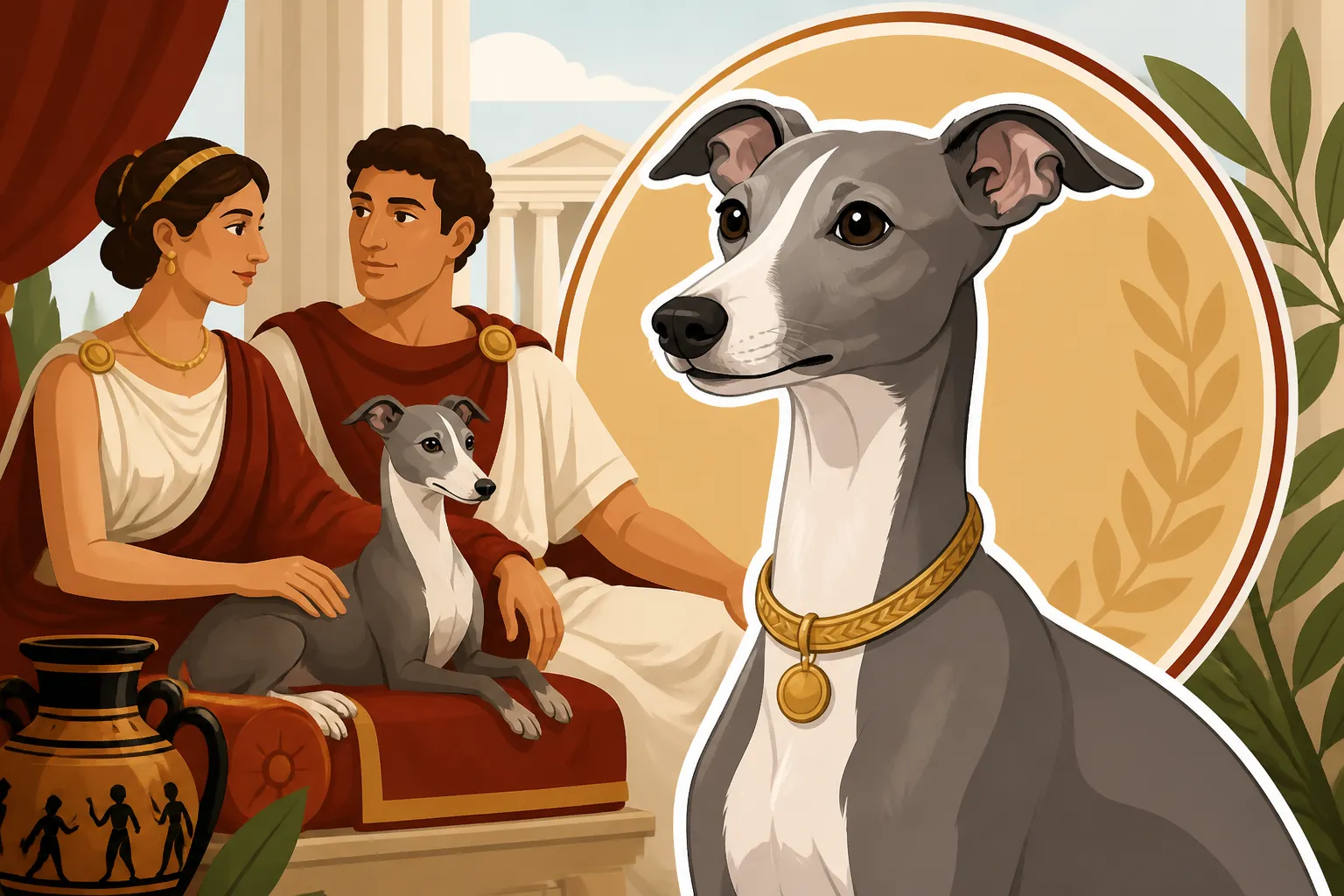
Imagine a Roman matron, perhaps reclining on a couch, with a small dog nestled beside her, much like we might have our Italian Greyhound sharing the sofa. This wasn't just for warmth, though keeping a thin-skinned sighthound comfortable would have been a consideration, just as it is for us wondering Whether an Italian Greyhound Needs a Heated Bed today. These dogs provided emotional support, companionship, and a sense of luxury. They were a testament to the owner's status and leisure, indicating they had the means to care for an animal purely for pleasure. The concept of the "lap dog" or "comfort dog" is as old as civilization itself, showing that some things never really change when it comes to our affection for our four-legged friends.
Artistic and Literary Evidence of Small Dogs
When we look at Roman art – frescoes, mosaics, sculptures – we absolutely see dogs. Many of these depictions show smaller, elegant dogs with slender bodies, delicate limbs, and often fine muzzles. These certainly resemble sighthounds. They often appear at the feet of women, or as companions in domestic scenes, suggesting their role as pets rather than working dogs. This visual evidence is a tantalizing clue, leading many to believe they were looking at early Italian Greyhounds. Literary sources, too, occasionally mention small dogs, sometimes called "Canes Melitaei" (Maltese dogs) or other terms that suggest miniature breeds, often associated with women and luxury.
However, interpreting these historical records requires a cautious eye. While the dogs depicted share a certain type with our Italian Greyhounds – the graceful outline, the tucked abdomen – ancient artists weren't aiming for the kind of breed-specific accuracy we expect in, say, a modern dog show portrait. It was more about capturing the essence of a small, elegant companion. These images certainly show dogs that could be ancestral to many modern toy breeds, including the Italian Greyhound, but they don't definitively say "this is the Italian Greyhound." It's more accurate to say they depict small sighthound types that were popular then. The question of Whether the Italian Greyhound Really Dates to Ancient Egypt also comes into play here, as historical threads connect these sighthound types across various ancient cultures.
The Historical Journey of Small Sighthound Types to Italy
To truly understand the presence of Italian Greyhounds, or dogs resembling them, in Roman times, we have to look beyond Rome itself and consider the broader historical sweep of these delicate canines. They didn't just pop up fully formed in Italy. The development of distinct dog breeds, especially small companion breeds, is a long and fascinating story.
Tracing "Miniature Greyhounds" Through Antiquity
The ancestors of modern sighthounds, including the Italian Greyhound, are thought to have originated much earlier than the Roman Empire, possibly in regions spanning from ancient Egypt, Greece, and Turkey. Indeed, Why Greece and Turkey Both Claim the Italian Greyhound is a testament to the widespread presence of these elegant, slender dogs in antiquity. Evidence suggests that small sighthound-like dogs were treasured in various ancient civilizations. For instance, tiny dog skeletons have been found in archaeological digs, providing tangible proof of their existence. These ancient dogs, while perhaps not identical to our IGs, certainly shared characteristics like a slender build, long legs, and a refined appearance.
These dogs weren't just decorative; they were often seen as symbols of wealth and status. Their presence in different cultures indicates a long history of breeding for specific aesthetic qualities and companionship traits. Over centuries, these sighthound types migrated and evolved, often carried by traders, travelers, and conquerors across vast distances. They were part of a rich tapestry of ancient canine diversity, slowly laying the groundwork for the more defined breeds we recognize today. The idea that dogs like these were present in various forms for millennia helps us understand the long and intricate path that eventually led to the Italian Greyhound.
The Genesis of the Italian Greyhound in Later Eras
While small sighthounds existed in antiquity, the breed we officially call the "Italian Greyhound" today truly began to take its distinct form much later, around the Renaissance period in Italy. This is When the Italian Greyhound Arrived in Italy as a recognizable breed, not just a type of dog. It was during this era that Italian nobility and aristocracy actively started breeding these elegant, miniature sighthounds, refining their size, temperament, and appearance to meet specific ideals of beauty and companionship. This intentional, selective breeding effort is what differentiates the "Italian Greyhound" from the more general "small sighthound types" of Roman times.
The Renaissance saw a surge in artistic and cultural refinement, and dogs were often included in this pursuit of beauty. Painters like Giotto and Carpaccio, as mentioned in The Renaissance Painters Who Put Italian Greyhounds in the Frame, depicted dogs that look strikingly similar to modern IGs. This is crucial because it shows a deliberate effort to create and maintain a consistent appearance. The dogs in these paintings often have the characteristic arched back, fine bones, and delicate heads that define the Italian Greyhound standard. So, while Roman households might have had dogs that looked somewhat like Italian Greyhounds, the dedicated development of the specific breed with its established traits really took off much, much later, transforming a general type into a distinct and cherished breed.
Distinguishing Between Ancient Small Sighthounds and the Modern Italian Greyhound
It’s easy to look at an ancient fresco or a historical account and see what we want to see—our beloved Italian Greyhounds—but a crucial part of understanding their true history is recognizing the difference between a general dog type and a distinct, modern breed. The concept of "breed" itself has evolved dramatically over time, making direct comparisons tricky.
Physical Characteristics: What the Bones and Frescoes Tell Us
When archaeologists excavate Roman sites and find dog remains, or when art historians meticulously study frescoes, they can tell us a lot about the physical characteristics of the dogs that lived then. We know, for instance, that small, slender dogs with elongated muzzles and fine bones existed. What Excavated Skeletons Say About the Italian Greyhound points to the presence of such delicate canines. These dogs likely possessed the agility and speed common to sighthounds, albeit on a smaller scale. However, what these findings don't typically reveal are the intricate details of conformation that define a modern breed standard.
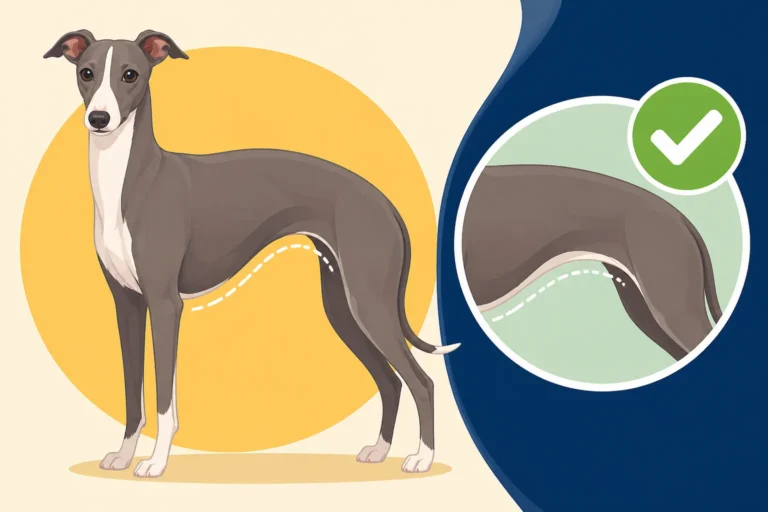
For example, a modern Italian Greyhound has a very specific "high-stepping gait" and a particular curvature to its back. These are traits that breeders have carefully selected for over generations. While ancient depictions show graceful dogs, they aren't detailed enough to confirm these specific breed markers. The dogs in Roman art may have been "sighthound-like," but they might have had different proportions, ear sets, or temperaments compared to the Italian Greyhounds we cherish today. Think of it like comparing an ancient horse to a modern thoroughbred – both are horses, but centuries of selective breeding have refined the latter for very specific traits.
Let's look at a quick comparison to highlight the subtle, yet significant, differences:
| Characteristic | Ancient Roman Small Sighthound (Inferred) | Modern Italian Greyhound (Breed Standard) |
|---|---|---|
| Size | Generally small, delicate build. | Small toy breed, typically 7-14 pounds, 13-15 inches at the shoulder. |
| Build | Slender, fine-boned, agile. | Extremely fine-boned, sleek, muscular, elegant "miniature Greyhound." |
| Head/Muzzle | Long, narrow head; fine muzzle. | Long, narrow, almost pointed head; delicate muzzle, distinct stop. |
| Ears | Varied; often "rose ears" (folded back) or small drop ears. | "Rose ears" or "thrown back" when at rest; semi-prick when alert. |
| Gait | Agile, possibly fast for its size. | High-stepping, fluid, springy trot; gives an impression of grace and lightness. |
| Temperament | Companionable, likely quiet and affectionate. | Affectionate, sensitive, intelligent, can be shy, prone to shivering. |
| Breeding Intent | Bred for companionship, some small game hunting, or status. | Bred specifically for toy companionship and refined elegance, adhering to a standard. |
The Concept of a "Breed" in Ancient Times Versus Today
The fundamental difference lies in the very concept of a "breed." In ancient times, while people certainly recognized different types of dogs based on their appearance or function (e.g., hunting dogs, guard dogs, lap dogs), the rigorous, standardized breeding practices we associate with modern purebred dogs simply didn't exist. There were no kennel clubs, no written breed standards, and no studbooks tracking lineage for generations to ensure specific traits. Dogs were more often bred for function or simply reproduced within a local population of similar-looking animals.
The idea of a "purebred" Italian Greyhound, where specific physical and temperament traits are meticulously maintained through generations of careful selection, is a relatively modern invention, solidifying mainly in the last few centuries. How Old the Italian Greyhound Breed Is is a question that often confuses people because "old" in terms of a type is very different from "old" in terms of a breed. The dogs in Roman households would have been part of a much broader genetic pool, without the intense focus on uniformity and specific characteristics that define our current Italian Greyhounds. While a Roman small sighthound might have looked like an IG, it was not an IG in the modern sense.
Why the Term "Italian Greyhound" Is a Modern Construct
The name "Italian Greyhound" itself, while evocative of its perceived Roman origins, is a relatively recent designation. It clearly links the breed to Italy and highlights its sighthound heritage, but it’s a name given after the breed was refined in Italy during the Renaissance. It's a retrospective label that reflects its historical development and geographical association, rather than proof of its existence as a distinct breed in ancient Rome.
Think of it like this: many types of wild cats existed in ancient Egypt, but the "Siamese" cat as a distinct breed with its specific coloration and personality emerged much later through selective breeding. Similarly, while sighthound types were present, the intentional creation and naming of the "Italian Greyhound" as a distinct breed happened centuries after the fall of the Roman Empire. Understanding this distinction is vital for accurate historical perspective. It's not about diminishing the breed's impressive longevity but rather about appreciating the precise journey of its development. Many Italian Greyhound owners today still refer to their pups as "IGs" for short, a very modern shorthand for a very old type of dog that was refined into a beloved breed.
Why Understanding This History Enriches Italian Greyhound Ownership Today
Delving into the past of our Italian Greyhounds isn't just an academic exercise; it deeply enriches our connection to these incredible dogs. It helps us appreciate their unique qualities and understand why they are the way they are, from their delicate frames to their sensitive personalities.
Appreciating the Breed's Unique Lineage
Knowing that dogs resembling our IGs have graced human homes for thousands of years, evolving from ancient sighthound types, gives us a profound sense of connection to history. It reminds us that the elegance and companionship we see in our Italian Greyhounds today are traits that have been valued and cultivated over many generations. From the earliest subtle, miniature sighthounds that might have traveled with merchants through the Mediterranean, to the refined companions of Renaissance nobility, the journey is long and fascinating. This long lineage is part of what makes the breed so special.
It also helps us understand traits like their incredible speed and prey drive, even in a small package. What an Italian Greyhound Does When It Sees a Rabbit is a testament to the enduring sighthound instinct that has been part of their genetic makeup for centuries. Even if they weren't actively used for hunting in Roman times, the underlying sighthound instincts were likely present in their ancestors. This appreciation of their deep roots allows us to marvel at their evolution and the dedication of breeders throughout history who sculpted these dogs into the distinct breed we adore.
Navigating Modern Care with Historical Context
Understanding the historical context of the Italian Greyhound also sheds light on some of their specific care needs today. For example, their delicate bone structure, which is a hallmark of their refined appearance, has always been a consideration. We know all too well that Why an Italian Greyhound's Leg Bones Break So Easily is a serious concern for owners. This isn't a modern flaw but rather a characteristic that comes with their extreme refinement over centuries. When choosing products, whether it's specialized food or a cozy sweater from a brand like Chewy, we're making choices that cater to a lineage of delicate, sensitive dogs.
Their thin skin and low body fat, which make them susceptible to cold, were likely characteristics of their ancestors as well, explaining why they were treasured as bed warmers in times before central heating. Today, we might bundle them up in stylish coats from Chewy before a winter walk, but the underlying need for warmth is an ancient one. Recognizing these historical threads helps us see that their current needs aren't just quirks, but rather deeply ingrained aspects of their breed identity, shaped by millennia of adaptation and selective breeding for companionship and elegance.
The Enduring Bond: Past, Present, and Future
Ultimately, whether an actual "Italian Greyhound" sat on a Roman emperor's lap isn't as important as the undeniable, enduring bond between humans and these sensitive, elegant canines. The spirit of the small, beloved companion dog, the one that makes us laugh and fills our hearts, has certainly been present throughout history, from ancient villas to modern homes. Our Italian Greyhounds carry with them the legacy of countless dogs who brought joy and comfort to their human families.
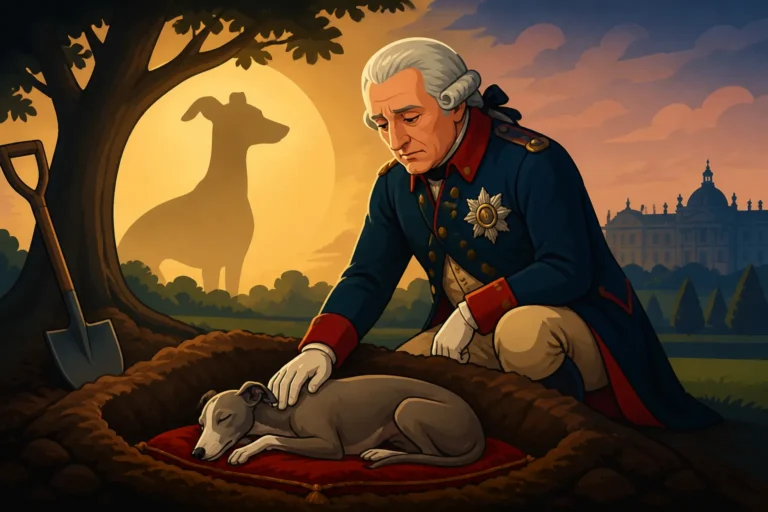
When we look at our IGs, we see a reflection of that timeless connection, a testament to the power of companionship. They are dogs with a history, a breed that has overcome challenges, like The Italian Greyhound Nearly Died Out Twice in Europe, to arrive in our lives today. This rich history only deepens our love and responsibility towards them, ensuring that this magnificent lineage continues to thrive for generations to come. We're not just caring for a pet; we're participating in a living history, continuing a bond that stretches back to the earliest civilizations.
Disclaimer
This article is for general informational purposes only and does not constitute professional advice. Laws, prices and regulations vary by location and change over time. Consult a qualified professional for guidance on your specific situation.