Whether the Italian Greyhound Ever Hunted Rabbits
It's a common question that pops up when new Italian Greyhound owners, or even long-time admirers, look at these elegant, slender dogs with their powerful, ground-eating stride: did Italian Greyhounds ever hunt rabbits? Given their undeniable sighthound heritage, it’s a natural thought to wonder if these diminutive dogs once graced the hunting fields. This guide is here to unravel that historical mystery, helping you understand the true ancestral purpose of your delicate companion.
The Ancient Roots: Companions, Not Hunters
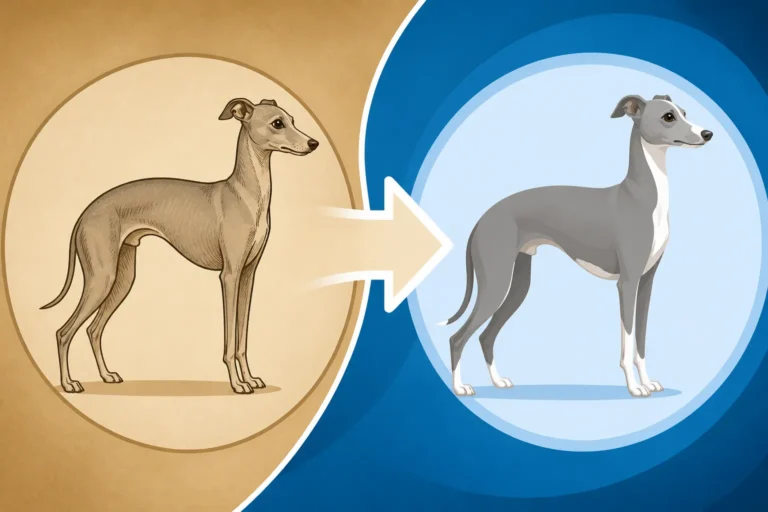
When you look at an Italian Greyhound, it's easy to see the clear lines of a sighthound – that deep chest, the graceful arch of the back, and those long, slender legs built for speed. It’s this resemblance to their larger cousins, like the Greyhounds and Whippets, that often sparks the curiosity about their hunting prowess. However, despite sharing a family tree with formidable hunters, the Italian Greyhound's history takes a distinctly different path, one paved with luxury and companionship rather than the pursuit of game.
Distinguishing the Italian Greyhound from Larger Sighthounds
Let's be real, an Italian Greyhound, typically weighing in at about 8 to 14 pounds, is a far cry from the robust build of a Greyhound or even a Whippet. While they share the general sighthound blueprint, the Italian Greyhound was intentionally bred for miniature size and refinement. Their bones are much finer, their skin incredibly thin and prone to tearing, and their overall frame, while athletic, is simply not equipped for the rough and tumble demands of chasing down prey in varied terrain.
Imagine a traditional rabbit hunt: scrambling through thick brush, darting into burrows, facing off against a determined wild animal. The physical risks for an Italian Greyhound in such a scenario would be immense. Their delicate legs, particularly the radius, are famously prone to fractures from even common household accidents, let alone the rigorous demands of hunting. Why an Italian Greyhound's Radius Is the Bone That Breaks This inherent fragility is a key indicator that they were never intended for such a taxing role. Their design prioritizes elegance and grace, perfect for adorning a noble's lap, not for the rigors of the hunt.
Early History and Purpose: A Lapdog's Life
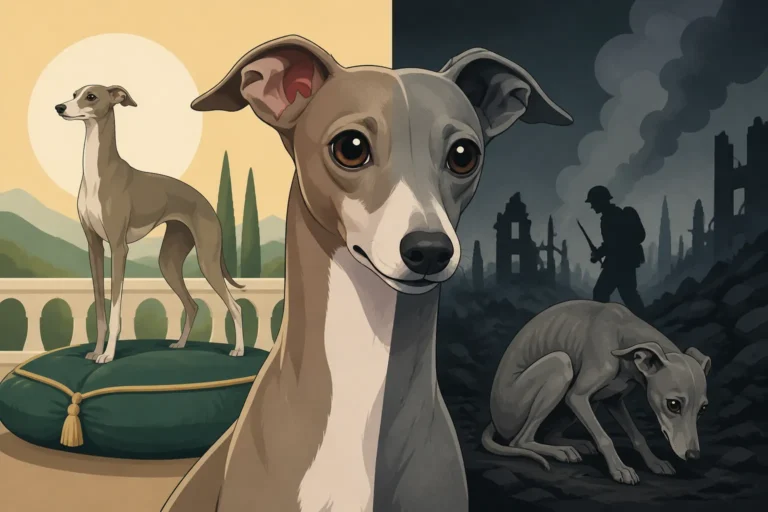
The Italian Greyhound lineage stretches back thousands of years, with evidence suggesting their presence in ancient Egypt and later in Greece and Rome. But even in these early periods, they weren't depicted as working dogs. Instead, they were cherished as companions, symbols of status, and often found gracing the frescoes and mosaics of affluent households. Fast forward to the Renaissance, and their role became even more defined. They were the darlings of European nobility, frequently appearing in portraits alongside kings, queens, and emperors. From Catherine the Great to Frederick the Great (who famously wished to be buried beside his beloved Italian Greyhounds), these dogs were prized for their beauty, gentle nature, and affectionate disposition.
Their inclusion in these settings wasn't as a hunting tool, but as a living piece of art, a warm presence, and a loyal friend. They would snuggle under blankets, warm laps, and provide endless amusement with their playful antics, all while looking incredibly stylish. There's no historical record, no ancient text, no Renaissance painting depicting an Italian Greyhound out in the fields, tracking or bringing down rabbits. Their purpose was purely one of companionship and aesthetic pleasure, a role they have excelled at for centuries. The Italian Greyhound Is Two Thousand Years Old
Instinct vs. Application: The Modern Italian Greyhound
Even though their ancestors weren't out hunting, any Italian Greyhound owner will tell you their dog has a definite "prey drive." You might see it when a squirrel darts across the yard, or a leaf blows past just a little too quickly. That sudden burst of speed, that focused stare – it's all part of their sighthound heritage. But it’s crucial to understand the difference between an instinctual chase and the sustained, purposeful act of hunting for survival or sport.
The Vestiges of Sighthound Prey Drive
Yes, your Italian Greyhound will likely chase small, fast-moving objects. That little blur of fur that sends them careening after a blowing plastic bag or a scampering lizard is a direct link to their sighthound genetics. They are wired to spot movement, lock on, and pursue. This instinct is thrilling to watch, showcasing their incredible athleticism and speed in short bursts. Many Italian Greyhounds adore chasing toys, especially those that can be flung across a room or mimic the erratic movements of small prey.
However, this instinctual drive is typically satisfied by play, not by actual hunting. They might love a good game of "chase the laser pointer" or "catch the squeaky toy," but these activities are far removed from the predatory demands of live hunting. While they might get a thrill from seeing a rabbit in your backyard, their delicate structure and lack of training for such an endeavor means they are far more likely to get hurt than successfully catch anything. What an Italian Greyhound Chases This prey drive is a charming quirk of the breed, a reminder of their distant relatives, but not a call to arms for hunting expeditions.
Why They Were Never Bred for Rabbit Hunting
The simple truth is, Italian Greyhounds lack the physical attributes and the robust temperament needed for effective rabbit hunting. Consider the mechanics:
- Size and Strength: A rabbit can be surprisingly powerful and resilient. A dog needs significant mass and jaw strength to subdue one, which an Italian Greyhound simply doesn't possess.
- Bone Structure: We've already touched on this, but it bears repeating. Their fine, delicate bones are easily fractured. A tumble in a rabbit hole, a collision with a tree, or even the impact of a struggling rabbit could lead to a severe injury. Why an Italian Greyhound's Leg Bones Break So Easily
- Skin: Italian Greyhounds have famously thin skin, often described as "paper-thin." It tears easily, even on minor scrapes. Imagine the lacerations and punctures they would sustain navigating thorny bushes or struggling with prey.
- Endurance for the Chase: While incredibly fast over short distances, traditional hunting often requires sustained endurance and the ability to work in packs. Italian Greyhounds thrive on short bursts of energy followed by long naps.
- Self-Preservation: Their delicate nature often means they are less inclined to engage in potentially dangerous confrontations. They prefer comfort and safety.
No breeder, ancient or modern, would ever select a dog with these characteristics for a task as physically demanding and potentially injurious as rabbit hunting. Their breeding priorities were always about elegance, small size, and a gentle, affectionate nature, perfectly suited for noble laps and warm homes.
Modern Activities: Celebrating Their Natural Abilities Safely
Understanding that your Italian Greyhound isn't a miniature rabbit hunter doesn't mean you can't celebrate their incredible athleticism and inherent prey drive! In fact, there are wonderful, safe outlets that allow them to tap into those instincts without any risk to their delicate bodies.
Lure Coursing: A Safe Outlet for Instinct
For many sighthound owners, lure coursing is the ultimate sport. It's designed to simulate the chase of live prey in a completely safe and controlled environment. A mechanical lure (often a plastic bag) is pulled across a large, open field, following an erratic pattern that mimics a rabbit's movements. When an Italian Greyhound sees that lure, their instincts kick in, and they get to do what they were born to do: run!
Lure coursing events are typically held on well-maintained, grassy fields, free of obstacles or hazards that could cause injury. Dogs run singly or in pairs, chasing the lure until it's "caught" or the course is completed. It's exhilarating for them, a fantastic physical and mental workout, and a joy to watch for owners. It allows them to fully express their natural athleticism and prey drive in a way that’s perfectly safe. It’s their equivalent of a sprint through the woods, without the dangers of rough terrain or actual confrontation with wildlife. Lure Coursing and Racing With an Italian Greyhound
The Importance of a Secure Environment
Despite their non-hunting history, an Italian Greyhound's prey drive means they can be incredibly fast and single-minded when something catches their eye. This makes a secure environment absolutely non-negotiable for their safety. Off-leash walks in unfenced areas are simply too risky. A squirrel, a bird, or even a blowing leaf can trigger that instinct, sending them off at top speed, often oblivious to traffic or other dangers.
Even a perfectly trained Italian Greyhound, one who comes when called in your fenced yard, might surprise you if something truly exciting bolts past. Their recall can vanish the moment that prey drive takes over. This is why many Italian Greyhound owners rely on long lines in open spaces, or only allow off-leash play in fully enclosed, secure areas. A leash isn't just a courtesy with an IG; it's a critical safety device. Why an Italian Greyhound Cannot Be Trusted Off Leash, Ever Fencing needs to be solid and escape-proof, as these clever dogs can find small gaps or even climb surprisingly well.
Dispelling the Myth: Understanding Their True Nature
The myth of the Italian Greyhound as a rabbit hunter is quite far from the reality of their historical and present-day purpose. These dogs are truly special, and their unique needs are best met when we understand and respect their true nature.
The Italian Greyhound as a Companion Animal
At their core, Italian Greyhounds are deeply affectionate, sensitive, and intelligent companion animals. They thrive on human connection, often forming incredibly strong bonds with their chosen people. They are famous "Velcro dogs," happy to follow you from room to room, curl up on your lap, or burrow under blankets beside you on the sofa. This constant desire for closeness and warmth is a hallmark of the breed, stemming directly from their centuries-old role as pampered house pets. The Velcro Dog: What Constant Company Means With an Italian Greyhound
Their value has always been in their gentle presence, their unwavering loyalty, and their ability to provide comfort and joy. They are the ultimate lap dogs, demanding little more than a soft place to sleep, regular meals, and endless cuddles. This affectionate nature is what truly defines them, far more than any fleeting chase after a backyard critter.
Protecting Their Delicate Build
Understanding that your Italian Greyhound was never meant for the rigors of hunting means being extra vigilant about protecting their delicate physical form. Preventing injuries is a huge part of being a responsible IG owner. This includes simple things like providing steps or ramps for furniture so they don't jump down and risk breaking a leg. Ramps and Steps for an Italian Greyhound's Furniture Many owners install gates on stairs, especially for young puppies, to prevent tumbles. The Age an Italian Greyhound Is Most Likely to Break a Leg
It also means carefully supervising their interactions with larger dogs, as even a well-intentioned rough-and-tumble play session can lead to serious injury for a small Italian Greyhound. Their light build, while enabling incredible speed, also makes them vulnerable. Embracing their role as delicate companions means creating an environment that minimizes risks and maximizes their comfort and safety. The goal isn't to make them tougher, but to cherish them for the exquisite, fragile beauties they are. The Jump Off the Sofa That Breaks an Italian Greyhound's Leg
Italian Greyhound vs. Hunting Sighthounds: A Comparison
To further clarify the distinction, let's look at some key differences between Italian Greyhounds and sighthound breeds historically used for hunting rabbits and other small game.
| Feature | Italian Greyhound | Traditional Hunting Sighthound (e.g., Whippet, some Greyhounds) |
|---|---|---|
| Primary Purpose | Companion, lapdog, status symbol | Hunting small game (rabbits, hares), racing |
| Typical Weight | 8-14 pounds | 25-70+ pounds (Whippet 25-45, Greyhound 60-70+) |
| Bone Structure | Very fine, delicate, prone to fracture | More robust, built for impact and durability |
| Skin Thickness | Extremely thin, tears easily | Thicker, more resilient to withstand rough terrain |
| Endurance | Short bursts of speed, then rest | Built for sustained chase and endurance |
| Historical Role | Pampered pet in noble households | Working dog, integral to providing food or sport |
| Prey Drive | Present, but typically satisfied by play/lure | Strong, often trained and directed towards live prey |
This table clearly illustrates that while they share the "sighthound" label, their evolutionary paths and intended purposes diverged significantly. The Italian Greyhound was bred to be a loving, delicate companion, not a hunter of rabbits.
Disclaimer
This article is for general informational purposes only and does not constitute professional advice. Laws, prices and regulations vary by location and change over time. Consult a qualified professional for guidance on your specific situation.