What World War Two Did to the Italian Greyhound
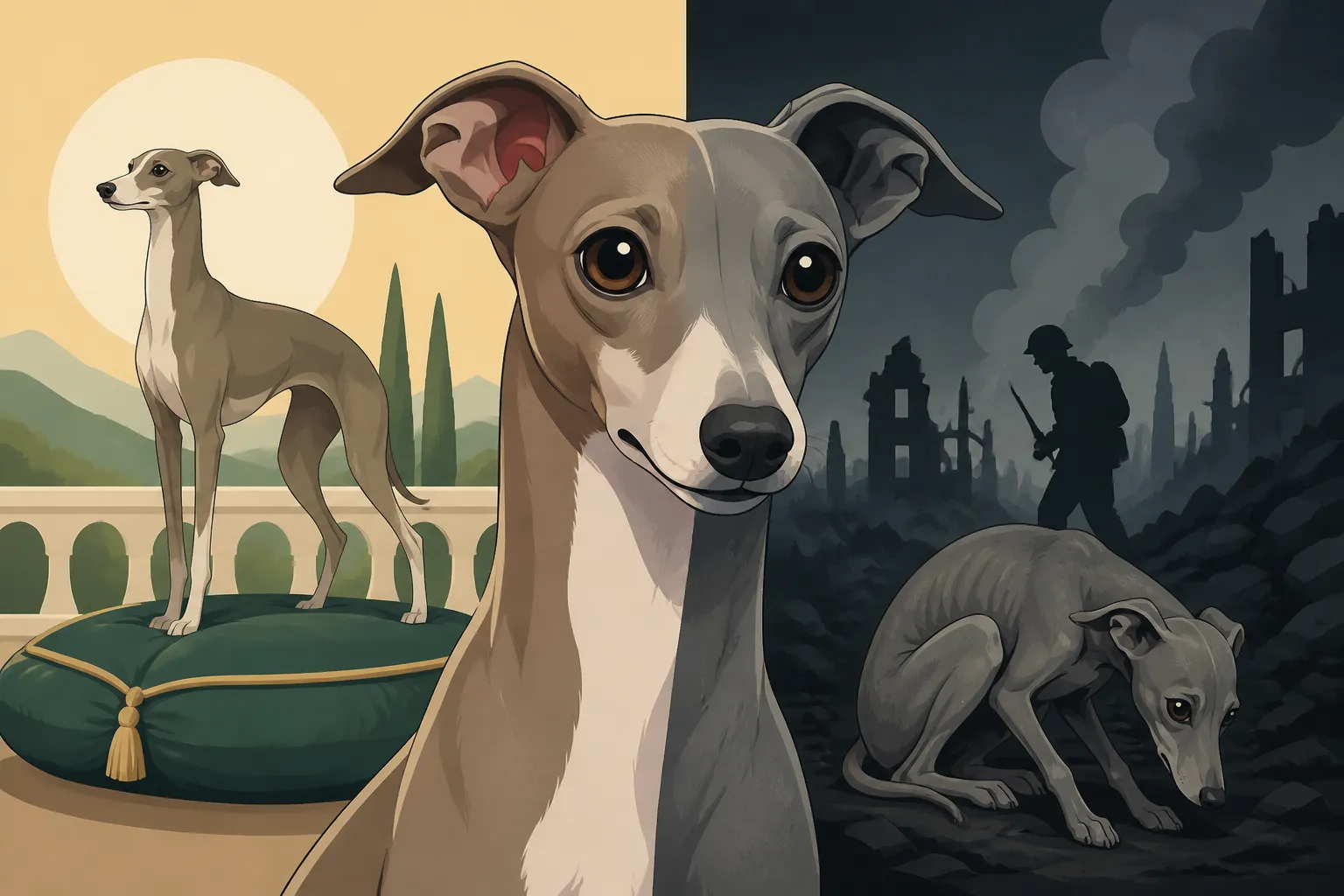
World War Two disrupted Italian Greyhound breeding across Europe through displacement, scarcity, lost records, and the deaths or separation of dogs and their owners. The breed did not vanish worldwide, but its European population and breeding networks were badly shaken. This guide explains what changed, how Italian Greyhounds survived, and why postwar rebuilding relied on connections beyond Europe.
The war disrupted more than the dogs themselves
Breeding became difficult to sustain
Before the war, Italian Greyhounds were kept and bred in several European countries, as well as in Britain and the United States. A healthy breed population depends on more than individual dogs: it needs people who can care for them, planned matings, safe homes for litters, and reliable records of ancestry. War made all of those things harder.
As people fled their homes, were separated from family, or faced the loss of basic necessities, caring for a small companion dog could become an overwhelming challenge. Food, shelter, and veterinary attention were scarce in many places. Breeding plans that might have taken years to develop could be abandoned abruptly, and dogs might be lost or rehomed without records showing their lineage.
That disruption did not affect every country or household in the same way. It did, however, weaken the connections among breeders and owners that help a relatively uncommon breed maintain a healthy population. The story fits into a broader period of upheaval for the breed, described in The Italian Greyhound Nearly Died Out Twice in Europe.
The impact reached beyond the dogs that died
It is easy to picture wartime losses only as the deaths of individual animals. But the less visible losses mattered too. A breeder might survive while losing a kennel, breeding notes, or access to dogs in another region. A valued dog might live through the conflict but no longer be available to contribute to a planned breeding program.
This kind of break in continuity can narrow the pool of dogs available for future generations. If only a small number of animals remain accessible to breeders, choices become limited. That can make it harder to preserve variety in a breed’s ancestry and to make considered decisions about health and temperament.
The situation was not unique to Italian Greyhounds. Across Europe, war disturbed dog ownership and organized breeding. For the Italian Greyhound, those pressures compounded the challenges of maintaining a smaller, specialized population. The breed’s history is therefore not simply a story of survival by individual dogs; it is also a story of the people and breeding relationships that had to be rebuilt.
| Wartime disruption | How it could affect Italian Greyhounds | Why it mattered after the war |
|---|---|---|
| Displacement and separation | Dogs and owners could be separated or moved to unfamiliar homes | Breeders lost contact with dogs and one another |
| Shortages and hardship | Food, shelter, and veterinary care could be difficult to secure | Fewer households could support breeding or keep a litter |
| Interrupted communication and travel | Moving dogs or coordinating matings became difficult | Breeding plans and exchanges across borders were disrupted |
| Lost records and kennel continuity | Pedigrees and breeding histories could be misplaced | Later breeders had less information for planning matings |
| Reduced access to breeding dogs | The number of available dogs could shrink locally | Rebuilding required cooperation across wider regions |
How Italian Greyhounds survived the war years
Survival depended on scattered pockets of dogs
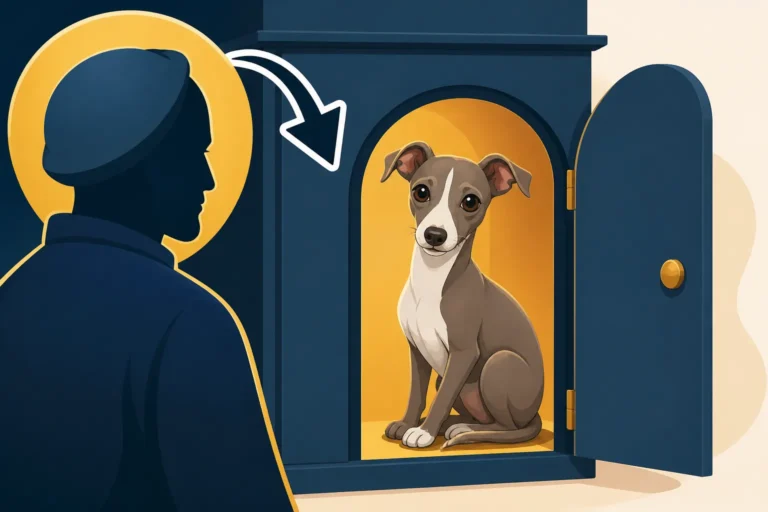
There was no single rescue effort or one kennel that carried the entire breed through the conflict. Survival depended on dogs remaining in different places, and on owners or breeders being able to care for them. Some populations were more affected than others, so the breed’s condition after the war varied by region.
That uneven impact is important. Saying the Italian Greyhound “survived” can sound as if its numbers and breeding networks simply returned to normal once fighting stopped. In practice, postwar recovery meant finding available dogs, reconnecting breeders, and rebuilding the ability to plan litters. A surviving population could still be fragile if it was small, scattered, or disconnected from other lines.
The war also came after earlier hardships for European breeding. Looking at What the World Wars Did to the Italian Greyhound helps place the Second World War in a longer history of disruption rather than treating it as an isolated event. The breed’s survival came through repeated efforts to preserve and reconnect populations.
Breeders outside the worst-affected areas became important
The United States had Italian Greyhounds and established breeders while Europe was experiencing wartime disruption. That did not mean American dogs or breeders were untouched by the wider effects of the war, nor does it mean every American line was automatically suitable for every European breeding program. It did mean that dogs and breeding knowledge existed beyond the areas where the European population had been most disrupted.
After the war, American breeders and dogs helped support rebuilding in Britain and elsewhere. Reintroducing dogs from another country could offer breeders more options, but it was not as simple as importing an animal and declaring the breed restored. Breeders had to consider health, conformation, temperament, ancestry, and how an individual dog would fit with the dogs already available.
The part played by American breeders is explored further in How American Breeders Saved the Italian Greyhound. The postwar movement of dogs back across the Atlantic is covered in How American Italian Greyhounds Went Back to Britain. Together, these stories show why an international network mattered when local breeding populations had been weakened.
The long work of rebuilding the breed
Recovery meant reconnecting bloodlines and records
A postwar breeding program needs more than enough dogs to produce puppies. Breeders also need to know which dogs are related, what traits they tend to pass on, and whether a planned pairing is likely to support the breed’s health and type. When records are incomplete or dogs have disappeared from the network, making those decisions is harder.
Rebuilding may involve bringing dogs together from different populations, comparing pedigrees, and keeping careful notes for future generations. It is gradual work: a single litter cannot replace years of lost breeding continuity. And while importing dogs can add options, it does not remove the need for thoughtful selection over time.
The size and connectedness of a population can affect how much choice breeders have. The historical difficulties that can lead to a narrower pool are considered in How Narrow the Italian Greyhound Gene Pool Became. This is one reason the postwar story matters beyond a timeline of events: it helps explain how a breed’s available ancestry can be shaped by the conditions in which people live and breed dogs.
The return of ordinary life did not instantly restore the past
When the war ended, owners and breeders still had to deal with disrupted communities and limited resources. Kennels and social networks did not necessarily return to their former state. Dogs moved to new homes, breeders started again with the animals they had, and communication between countries had to be restored.
It is also difficult to describe the whole recovery with one neat national story. Italian Greyhounds existed across borders, and the effect of the war varied from one place to another. Britain, continental Europe, and the United States did not experience identical circumstances. The breed’s recovery was therefore shaped by both local survival and international exchange.
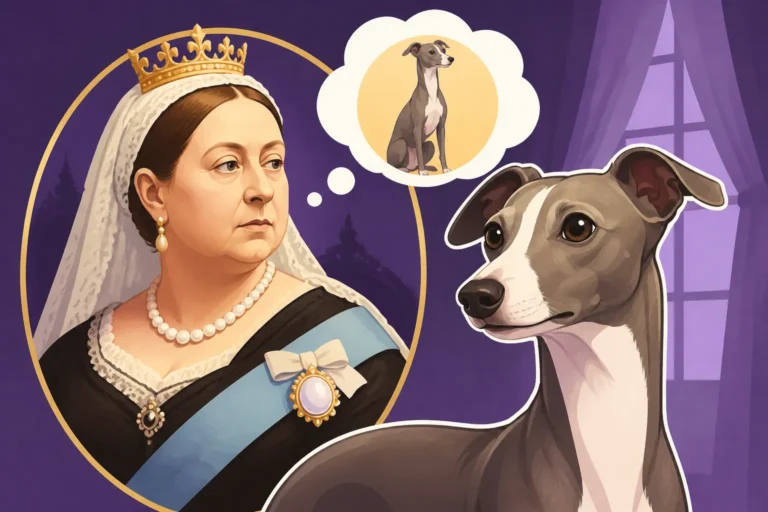
The contrast with the breed’s earlier popularity in Britain is useful context. When the Italian Greyhound Reached Britain and The Italian Greyhound as a Victorian Status Dog describe earlier periods when interest in the breed helped establish a presence there. Wartime recovery depended on more than past popularity: it required living dogs, committed breeders, and renewed connections.
What the history means for Italian Greyhound owners today
A breed’s survival is a community effort
For a modern owner, the war history can make the breed feel more vulnerable than it may seem at first glance. Italian Greyhounds are lively, athletic, affectionate companions, but their continued wellbeing depends on responsible breeding, informed veterinary care, and people who understand their particular needs. Preserving a breed is not only the work of breeders; owners support it by seeking sound guidance and caring for their dogs throughout their lives.
Historical resilience should not be mistaken for an absence of risk. A breed may survive a crisis while carrying the effects of a smaller population or limited breeding choices. Learning about the breed’s background can help owners appreciate why responsible planning and accurate records matter. It also offers a reminder that dogs’ lives are closely tied to the safety and stability of the people around them.
Practical care is different from historical research
The war years offer a historical lesson, not a modern care manual. They do not tell an owner exactly what food, clothing, or veterinary treatment an individual dog needs. Those choices should be based on the dog in front of you and advice from a veterinarian familiar with sighthounds.
For day-to-day comfort, Italian Greyhounds often need warmth and soft, well-fitting gear. If you are assembling a coat or bedding setup, Chewy is one retailer where owners can browse pet-care supplies; check fit and materials rather than choosing by appearance alone. A coat that restricts shoulder movement or a bed that is difficult for an older dog to enter may not be a good match.
If you are comparing winter layers or looking for a replacement blanket, Chewy can be one place to review available options, but a veterinarian or experienced breed specialist can help you think through your dog’s particular needs. For a newly adopted dog, start with the basics: a safe resting place, a secure harness, and a plan for routine veterinary care. Chewy may help you locate ordinary supplies, while a veterinarian remains the right person to advise on medical questions.
Remembering the war without overstating its effects
World War Two severely disrupted Italian Greyhound breeding in Europe, but it did not erase the breed everywhere. Dogs and breeders remained in different countries, and postwar exchanges helped reconnect populations and support recovery. The consequences included more than the loss of individual dogs: interrupted breeding plans, scattered owners, and missing records could all shape what was possible in the years that followed.
The most balanced way to understand the story is to recognize both the damage and the resilience. The breed’s recovery was not automatic, and it was not the work of one person or one country. It depended on dogs that survived, people who continued to care for them, and breeders willing to rebuild across borders.
Disclaimer
This article is for general informational purposes only and does not constitute professional advice. Laws, prices and regulations vary by location and change over time. Consult a qualified professional for guidance on your specific situation.