Whether Queen Victoria Owned Italian Greyhounds
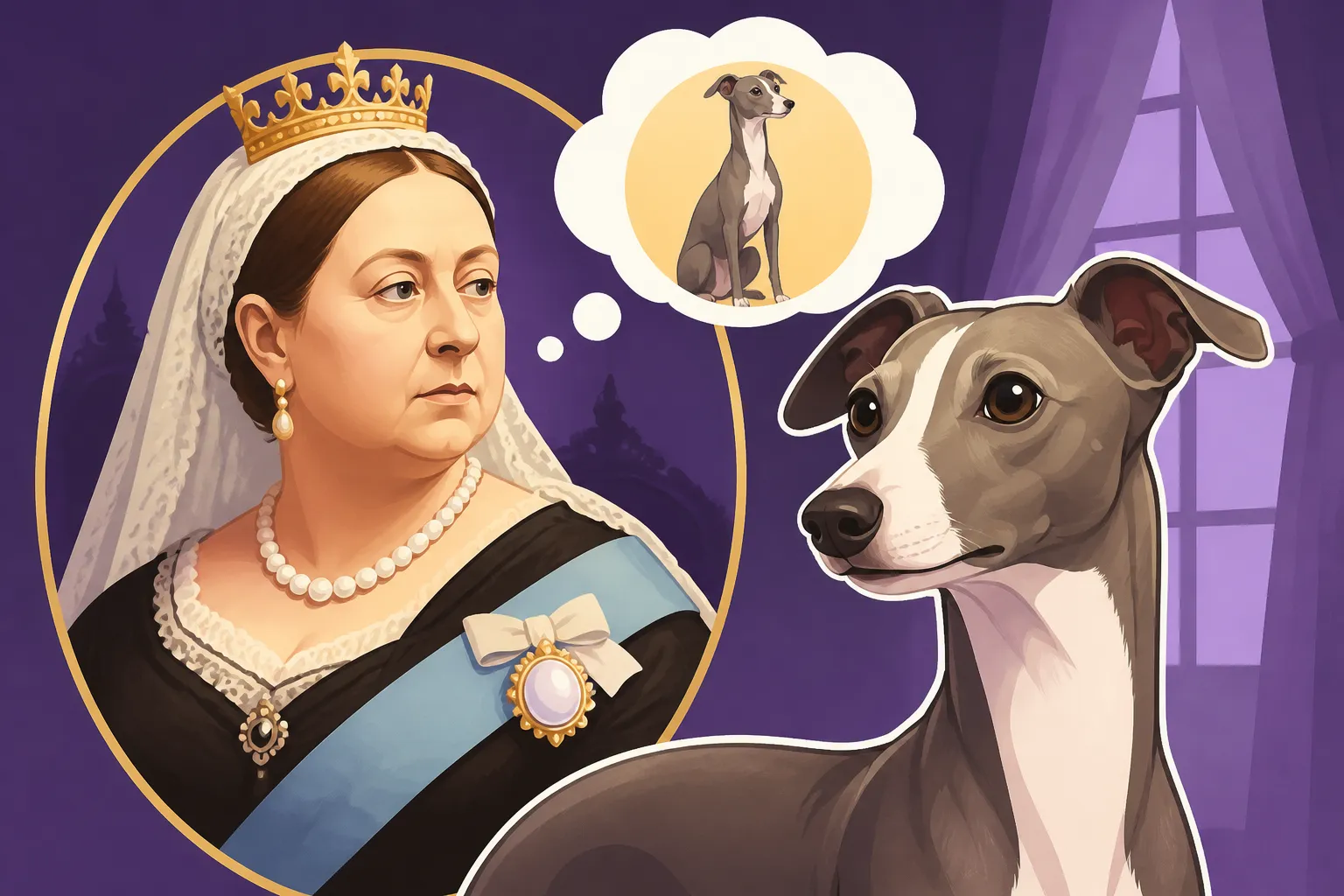
For any Italian Greyhound owner, there's a certain magic in tracing back the lineage of our beloved breed, especially when it leads to figures as grand as Queen Victoria. The idea that this tiny, elegant sighthound, with its delicate bone structure and affectionate nature, was once nestled in the lavish embrace of a queen captures our imaginations. We've all heard the whispers, the stories that suggest Queen Victoria herself was an Italian Greyhound enthusiast. But how much of this is historical fact, and how much is the delightful lore that naturally accrues around a breed with such a rich, ancient past? This comprehensive guide will explore the truth behind these captivating tales, delving into Queen Victoria's known love for dogs, the status of Italian Greyhounds during her reign, and what records actually reveal about her canine companions.
Queen Victoria: A Monarch's Canine Companions
Queen Victoria's reign, spanning much of the 19th century, was a period of immense change and cultural development, not least in the world of dog ownership. She wasn't just a monarch; she was a devoted animal lover, and her affection for dogs is legendary. This deep personal connection to her pets often leads people to assume that if there was an elegant, companionable breed, Victoria must have owned one.
Her Deep Love for Dogs and Animals
From childhood, Queen Victoria was surrounded by animals, and her personal diaries are filled with affectionate entries about her various canine companions. Her most famous dog was perhaps Dash, a beloved Cavalier King Charles Spaniel who was her constant shadow before her marriage. Dash was known for his playful antics and unwavering loyalty, providing a glimpse into the queen's genuine affection for dogs. She treated them not just as pets, but as cherished members of her household, ensuring they received the best care and attention. This personal devotion extended to many breeds throughout her life, from Collies to Skye Terriers, each leaving an indelible paw print on her heart. It's this widely known and documented love for dogs that makes the question of her Italian Greyhound ownership so compelling. If anyone would appreciate the unique charm of an Italian Greyhound, surely it would be Queen Victoria, a monarch who understood the quiet companionship a dog could offer amidst the pressures of royal life.
Influence on Victorian Pet Culture
Queen Victoria's adoration for dogs wasn't just a private affair; it had a profound impact on British pet culture. When the queen championed a particular breed, or even the general concept of pet ownership, it immediately became fashionable among the aristocracy and, subsequently, the burgeoning middle class. Her patronage of dog shows, her involvement with kennel clubs, and even her choice of breeds for painting commissions elevated the status of dogs in society. People looked to the royal household for cues on everything from fashion to leisure activities, and dog ownership was no exception. The rise of purebred dog breeding and showing as we know it today owes a significant debt to the Victorian era and the queen's influence. This royal stamp of approval often meant a breed's popularity soared, driving demand and shaping breeding practices. Understanding this context is crucial when we consider the Italian Greyhound's position during her time, as a breed with a long European aristocratic history that was finding new footing in Britain. Many Italian Greyhound owners today still feel that sense of connection to history, understanding that their delicate companions deserve the finest, whether it's a cozy sweater from a specialty shop or a plush bed from Chewy.
The Italian Greyhound's Place in Victorian Society
By the time Victoria ascended the throne, the Italian Greyhound was already a breed with centuries of aristocratic history across Europe. It wasn't a newcomer to the European continent, but its specific standing in Victorian England is what we need to examine closely.
Growing Popularity Among the Elite
Even before Queen Victoria's reign, the Italian Greyhound had periods of immense popularity among European royalty and nobility. From the Renaissance courts of Italy to the palaces of France and Germany, these slender sighthounds were highly prized for their elegant appearance, affectionate demeanor, and portable size. They were often depicted in paintings alongside their noble owners, symbolizing grace and status. When the breed arrived in Britain, it naturally found favor with the elite who appreciated its aristocratic heritage and delicate beauty. Victorian society, with its emphasis on refinement and pedigree, was ripe for a breed like the Italian Greyhound. Their diminutive size made them ideal lap companions in chilly country estates or fashionable London townhouses, and their gentle nature fit perfectly into the ideal of the pampered pet. These dogs were symbols of wealth and taste, often seen accompanying ladies of leisure on their strolls or lounging on velvet cushions in drawing rooms. This popularity meant they were certainly present in high society, increasing the likelihood of royal exposure, even if not direct ownership by the monarch herself.
Challenges for the Breed in the Era
Despite their appeal, the Italian Greyhound faced certain challenges during the Victorian era that shaped its trajectory. One significant issue was the trend toward extreme miniaturization. Some breeders, driven by the desire for the smallest possible companion dog, took breeding to an extreme, resulting in Iggies that were exceedingly fragile and often prone to health problems. This pursuit of "teacup" sizes sometimes compromised the breed's overall soundness and vitality. While a smaller size can be charming, an excessively tiny frame often meant a more delicate constitution and a greater susceptibility to injury, a concern that still echoes today with how easily an A Broken Leg Is the Emergency Every Italian Greyhound Owner Fears. Furthermore, the breed's inherent sensitivity to cold, due to their minimal body fat and fine coat, meant they required considerable care to keep warm, especially in the notoriously damp and chilly British climate. This necessitated specialized clothing and heated sleeping arrangements, a level of care that not all owners were prepared to provide. Even today, many Italian Greyhound owners find themselves carefully considering Keeping an Italian Greyhound Warm Is Daily Work, Not a Winter Job. These factors, while not deterring all enthusiasts, certainly posed hurdles for widespread ownership and breed health during a time when veterinary science was still developing.
Searching for Italian Greyhounds in Royal Records
To truly ascertain whether Queen Victoria owned Italian Greyhounds, we must turn to the most reliable sources: official records, diaries, and contemporary artistic and written accounts. This is where we sift through the charming anecdotes to find the verifiable facts.
Official Kennel Records and Diaries
Queen Victoria was meticulous about documenting her life, and her private journals, along with royal kennel records, provide a detailed look into her canine companions. These records list the names, breeds, and even sometimes the personalities of the dogs she owned. While Dash, the Cavalier King Charles Spaniel, is famously mentioned, along with several Skye Terriers, Collies, and even a Pomeranian named Marco, specific entries for Italian Greyhounds are conspicuously absent. Her diaries, which she kept for most of her life, are a treasure trove of personal observations, yet they don't seem to contain the kind of loving descriptions of an Italian Greyhound that she penned for other pets. This silence in her extensive personal and official documentation is a strong indicator. If a dog of such distinctive appearance and historical significance to European royalty had been part of her immediate canine family, it's highly probable she would have mentioned it, just as she did her other cherished dogs. While it's possible for an isolated instance to be overlooked, the sustained absence of any mention across decades of meticulous record-keeping suggests that Italian Greyhounds were not among her personal pets.
Artistic Portrayals and Contemporary Accounts
Beyond written records, another valuable source of information comes from the art and literature of the period. Queen Victoria was a frequent subject for painters, and her dogs often featured prominently in these portraits, reflecting their importance in her life. Famous paintings by Sir Edwin Landseer, for instance, capture her dogs with incredible detail and affection. We see her various spaniels and terriers depicted in regal settings or playful outdoor scenes. However, just as with her diaries, there is no prominent artistic representation of Queen Victoria with an Italian Greyhound. Artists of the era were keen to capture the monarch's favorite companions, and the distinctive silhouette of an Italian Greyhound would be unmistakable. If one had been a constant presence, it would likely have found its way onto canvas.
Furthermore, contemporary accounts from courtiers, visitors, and journalists often detailed aspects of royal life, including the queen's pets. While these sometimes offer anecdotal glimpses, they too do not widely report the presence of Italian Greyhounds in her immediate royal entourage. The absence across these varied sources – personal diaries, official kennel records, prominent artworks, and societal reports – strongly suggests that while Italian Greyhounds were certainly present in Victorian England and popular among certain segments of the aristocracy, they were not personal companions to Queen Victoria herself. It's a common misconception, perhaps fueled by the breed's general royal connections throughout history, as outlined in Which Royals Kept Italian Greyhounds.
The "Victoria" Strain: Fact or Fiction?
The myth of Queen Victoria's ownership often intertwines with the idea of a "Victoria" strain or type of Italian Greyhound. This concept implies a specific breeding direction or a distinct look that she supposedly favored, impacting the breed's development.
Exploring the Breed's Evolution in the Era
The Victorian era was a pivotal time for many dog breeds, with an increasing focus on selective breeding, standardization, and the establishment of formal breed clubs. The Italian Greyhound was certainly part of this movement. Breeders during this period often aimed for a very refined, delicate look, sometimes to an extreme that caused fragility. This focus on aesthetic ideals, rather than robust health, could sometimes lead to a very specific, almost ethereal type of Italian Greyhound, often referred to as "exquisite" or "dainty." While this look was popular, there's no evidence to suggest that Queen Victoria specifically championed or directed this breeding trend for Italian Greyhounds. Her influence was more general, encouraging dog ownership and the development of purebred dogs, rather than dictating the specifics of every breed's standard. The "Victoria" strain seems to be a romanticized notion, an attribution that elevates the breed's connection to the monarch, rather than a documented breeding program she oversaw. The reality is that the breed's evolution during this time was driven by a collective aesthetic among breeders and fanciers, who were all part of the broader Victorian fascination with pedigree and refinement.
The Enduring Legacy of Royal Association
Despite the lack of direct evidence for Queen Victoria's personal ownership, the association of Italian Greyhounds with royalty, and specifically with the Victorian era, persists. This enduring legacy isn't entirely unfounded. The breed was highly esteemed by European royalty for centuries before Victoria, with many monarchs across the continent owning and breeding them. The breed was also very much a part of the upper echelons of Victorian society. Therefore, it's easy to connect the dots and mistakenly place them directly in the queen's lap.
This kind of historical narrative, whether entirely accurate or partially myth, often lends a certain prestige to a breed. For Italian Greyhound enthusiasts, knowing that their dogs have graced the halls of palaces and been cherished by kings and queens throughout history adds a layer of depth to their ownership experience. It speaks to the breed's inherent elegance, its ancient roots, and its suitability as a noble companion. Even if Queen Victoria didn't own one, the Italian Greyhound's journey through history, from The Italian Greyhound Is Two Thousand Years Old to its present-day popularity, is a testament to its enduring appeal. This rich background makes us, as modern owners, feel like we're carrying on a tradition of aristocratic companionship, often ensuring our own Iggies have every comfort, from a soft blanket to a special treat from Chewy.
Italian Greyhounds and Other European Royals
While the direct link to Queen Victoria might be tenuous, the Italian Greyhound's history is undeniably rich with genuine royal connections across the European continent. This context helps explain why the Victoria myth holds such sway.
A History of Aristocratic Affection
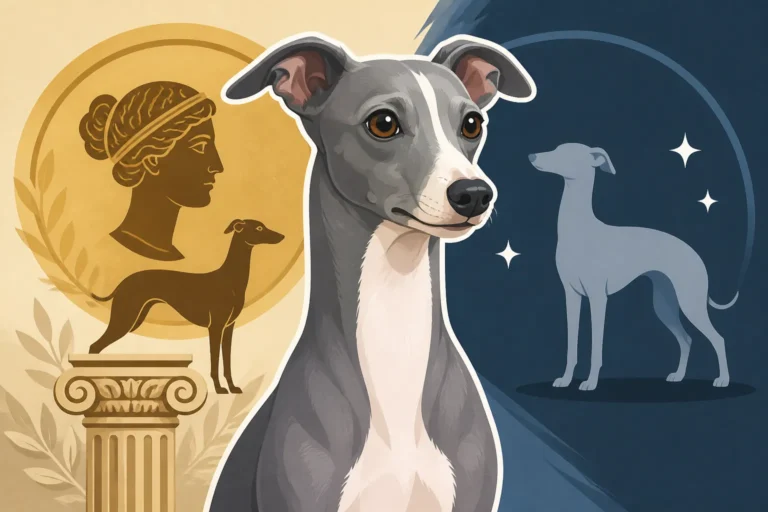
The Italian Greyhound's journey through European history is a veritable "who's who" of royalty and aristocracy. Long before Victoria, these elegant dogs were the darlings of the Italian Renaissance courts. Figures like Catherine the Great of Russia, Frederick the Great of Prussia, and Mary, Queen of Scots, were all known to have owned Italian Greyhounds. Frederick the Great was particularly devoted to his Iggies, famously requesting to be buried alongside them. This kind of deep, personal bond with powerful monarchs elevated the breed's status significantly. They weren't just pets; they were living symbols of refinement and good taste. The breed's delicate beauty, combined with its affectionate and gentle nature, made it an ideal companion for those in positions of power, offering solace and quiet loyalty amidst the complexities of court life. It’s this undeniable history of royal patronage, as detailed in Which Royals Kept Italian Greyhounds, that has cemented the Italian Greyhound's image as a "royal dog" in the collective consciousness. It's a breed that has literally sat on thrones, influencing fashion and art across centuries.
How Royal Patronage Shaped the Breed
The consistent patronage of European royalty had a profound impact on the Italian Greyhound breed itself. For one, it helped ensure the breed's survival through various historical upheavals, as powerful individuals dedicated resources to their preservation and breeding. Beyond mere survival, royal preferences often influenced the breed's physical characteristics. The desire for a miniature, elegant companion led to selective breeding that emphasized their slender build, fine bone structure, and graceful gait. This historical push for refinement contributed to the Italian Greyhound we recognize today, often described by its The High Stepping Gait That Marks a Correct Italian Greyhound. The very existence of distinct "types" or regional variations within the breed can sometimes be traced back to the specific breeding programs maintained by various royal houses. Without the consistent interest and resources of the aristocracy, the Italian Greyhound might have evolved very differently, or even faded into obscurity. Their royal connections are not just interesting historical footnotes; they are fundamental to the breed's development and enduring appeal.
Why This Royal Story Continues to Captivate IG Owners
The allure of royalty, especially when linked to our pets, is a powerful thing. For Italian Greyhound owners, the idea of a connection to Queen Victoria or other historical monarchs resonates deeply, adding a special dimension to their relationship with their dogs.
Connecting with the Breed's Noble Past
There's an undeniable charm in owning a dog breed with such a storied history. Knowing that your Italian Greyhound shares a lineage with dogs that graced the laps of queens and kings across Europe adds a certain gravitas to their otherwise playful and affectionate nature. It's a connection to a bygone era of elegance and sophistication, a tangible link to historical grandeur. This historical richness makes us feel like we're part of something larger, a continuous thread of companionship that stretches back centuries. We see our modern Italian Greyhounds, perhaps curled up on a velvet cushion from Chewy or sporting a custom-made sweater, and can easily imagine their ancestors in a similar setting within a royal palace. This sense of shared history fosters a deeper appreciation for the breed's unique qualities and its place in the world. It’s a breed that carries its history in its very genes, from its graceful outline to its innate desire for comfort and closeness.
The Modern Reverence for Our Own "Royal" Iggies
In a way, the perception of Italian Greyhounds as "royal" dogs translates directly into how we treat our own companions today. We understand their delicate nature, their need for warmth, and their demand for constant affection. This isn't just pampering; it's often a necessary part of their care. We invest in orthopedic beds to protect their joints, provide multiple layers of clothing to fend off the chill, and meticulously brush their teeth to combat Periodontal Disease Is the Italian Greyhound's Most Common Diagnosis. We see them as little aristocrats in our homes, deserving of the very best. This modern reverence often includes:
- Premium Nutrition: Choosing high-quality food to support their lean bodies.
- Luxurious Comfort: Supplying plush blankets, beds, and even specialized furniture like ramps to help them safely access sofas and beds, preventing dangerous jumps.
- Tailored Clothing: A necessity for warmth, but also a chance to express their personality and inherent elegance.
- Dedicated Healthcare: Proactive veterinary care, recognizing their unique sensitivities, like Why a Nine Pound Italian Greyhound Gets Cold on the Table.
This isn't just about lavish spending; it's about understanding and meeting the specific needs of a breed that thrives on comfort, security, and devoted companionship. Whether Queen Victoria owned them or not, the Italian Greyhound continues to command a level of care and adoration that befits their long and noble history. We might not be monarchs, but in our homes, our Italian Greyhounds are certainly treated like royalty, making every day a little bit more regal.
The table below provides a quick overview of some notable royal figures and their confirmed connections to Italian Greyhounds, illustrating the breed's long history of aristocratic favor.
| Royal Figure | Era | Known Connection to Italian Greyhounds |
|---|---|---|
| Frederick the Great | 18th Century | King of Prussia, renowned for his devotion to his Iggies; requested burial with them. |
| Catherine the Great | 18th Century | Empress of Russia, known to have owned several Italian Greyhounds, including one named Zemira. |
| Anne of Denmark | 16th/17th Century | Queen Consort of Scotland and England, a known patron of the breed. |
| Mary, Queen of Scots | 16th Century | Legend says an Italian Greyhound was found under her skirts after her execution. |
| King Charles I of England | 17th Century | Though famous for spaniels, Iggies were certainly present in aristocratic circles during his reign. |
| Louis XIV of France | 17th Century | The "Sun King" had a vast menagerie, and Italian Greyhounds were fashionable at his court. |
While Queen Victoria's direct ownership of Italian Greyhounds remains unsubstantiated by historical records, the breed's long and rich association with European royalty is undeniable. It's a breed that has captivated hearts across centuries, from the grandest palaces to our cozy modern homes, a testament to its unique charm and enduring appeal as a noble companion.
Disclaimer
This article is for general informational purposes only and does not constitute professional advice. Laws, prices and regulations vary by location and change over time. Consult a qualified professional for guidance on your specific situation.