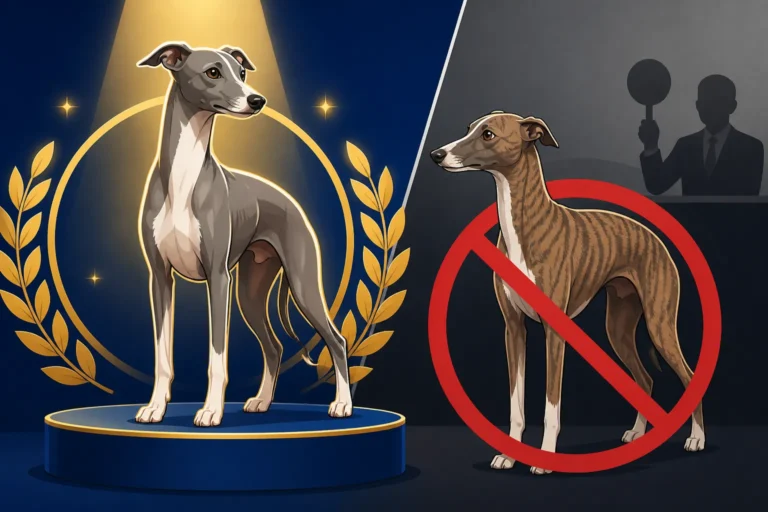
Why the Breed Is Called the Italian Greyhound
Ever gazed into the soulful eyes of an Italian Greyhound and wondered about the story behind that rather grand name? It's a common curiosity for many, often leading to the assumption that they're simply a shrunken version of their larger coursing cousins. But the truth is far more intriguing, a journey through ancient civilizations, European nobility, and careful selective breeding. This guide will take you through the captivating history that bestowed upon this delicate, elegant breed the name "Italian Greyhound," revealing why both parts of their moniker are so perfectly fitting.
The Historical Roots of the Italian Greyhound's Name
Understanding why this exquisite breed carries such a distinguished name begins by looking back, far beyond modern kennels and show rings, into the mists of antiquity. The "Greyhound" portion of their name, in particular, hints at a lineage that stretches back thousands of years, connecting them to a noble class of dogs known for their incredible speed and keen eyesight.
Tracing the Breed Back to Ancient Times
Long before the Italian Renaissance, dogs bearing a striking resemblance to the modern Italian Greyhound graced the courts and homes of ancient civilizations around the Mediterranean. Evidence, often in the form of art, statuettes, and even skeletal remains, suggests that small, slender sighthound-type dogs were treasured companions in ancient Egypt, Greece, and Rome. These early canines were prized for their elegance and often depicted as symbols of grace and status. While they weren't called "Italian Greyhounds" then, the foundation for their unique physical traits and loyal disposition was clearly being laid. Exploring Where the Italian Greyhound Comes From reveals more about these foundational origins.
These diminutive dogs were not just pets; they held a special place in the hearts of their human companions, serving as bed warmers and quiet confidantes. Imagine the bustling marketplaces of ancient Ephesus or the grand villas of Pompeii, where these little hounds would have padded silently beside their owners, a testament to their enduring appeal. Their presence in these ancient cultures speaks volumes about their early recognition as a distinct and beloved type of dog, setting the stage for the specific refinements that would come centuries later. If you're curious about their deep history, you might want to read How Old the Italian Greyhound Breed Is.
The breed's journey through time means that claims of exact origin are often debated, with various regions vying for the credit of being their true birthplace. However, the consistent appearance of these small sighthound types across different ancient cultures highlights a shared appreciation for their unique characteristics. It’s a fascinating testament to how certain canine archetypes have endured across millennia, demonstrating a timeless appeal that transcends geographical boundaries and specific historical periods. Some even ask Whether the Italian Greyhound Really Dates to Ancient Egypt, pointing to art found in tombs.
The "Greyhound" Part: A Nod to Sighthound Ancestry
The "Greyhound" in Italian Greyhound isn't just a fancy title; it's a direct reference to their fundamental type: they are sighthounds, through and through. Sighthounds are a group of dogs primarily bred to hunt by sight and speed, rather than scent. Think of their larger cousins, the majestic Greyhounds themselves, or the sleek Whippets – all built for an exhilarating burst of speed across open ground. Even though Italian Greyhounds are small, they share the undeniable physical hallmarks of this ancient group.
When you look at an Italian Greyhound, you'll see the classic sighthound silhouette: a lean, muscular body, a deep chest that provides ample lung capacity, a markedly tucked-up abdomen, and long, elegant legs designed for powerful propulsion. Their delicate heads, often described as "long and refined," house keen eyes that are remarkably far-sighted, perfectly adapted for spotting movement at a distance. This physical design, honed over centuries, is what unmistakably classifies them as a sighthound, despite their petite size. For a deep dive into how they stack up against their larger relatives, check out The Italian Greyhound Against the Whippet and the Greyhound.
While a modern Italian Greyhound isn't typically employed for hunting deer or chasing hares across vast fields, their inherent instincts remain. Many an Italian Greyhound owner has witnessed their beloved pet spot a squirrel or a fluttering leaf and instantly transform into a miniature rocket, demonstrating that ancient prey drive. This genetic blueprint, this instinctual connection to the chase, is the very essence of the "Greyhound" part of their name, linking them to a legacy of speed and agility. In fact, Whether the Italian Greyhound Was Ever a Hunting Dog is a question many people have!
Italy's Enduring Influence on the Breed
While the ancient world laid the genetic groundwork, it was in Italy, particularly during a transformative period of art and culture, that the Italian Greyhound truly came into its own and solidified the "Italian" aspect of its name. This wasn't merely a geographical coincidence; it was a deliberate cultivation of the breed by appreciative patrons.
The Renaissance and Noble Patronage
The Renaissance, a period of immense cultural and artistic flourishing in Italy from the 14th to the 17th centuries, was a golden age for the Italian Greyhound. During this time, the dog found its most ardent admirers and influential patrons among the Italian nobility and aristocracy. These discerning individuals were captivated by the breed's exquisite refinement, graceful demeanor, and profound devotion, seeing in them a living embodiment of the era's aesthetic ideals. They weren't just pets; they were living works of art, symbols of wealth, good taste, and refined living.
It was fashionable for royalty and noble families to include their beloved Italian Greyhounds in portraits, immortalizing them alongside their human companions. Artists like Giotto and Carpaccio, and later, even more widely known masters, featured these elegant dogs in their works, cementing their place in art history and further associating them with Italian high society. This prolific artistic representation helped spread the breed's fame and solidify its connection to Italy. If you're fascinated by this artistic legacy, you'll enjoy learning more in The Renaissance Painters Who Put Italian Greyhounds in the Frame.
These noble patrons did more than just admire them; they actively bred and nurtured the dogs, ensuring the continuation and refinement of their unique traits. Owning an Italian Greyhound became a clear statement of social standing, a testament to one's appreciation for beauty and delicate things. This era, perhaps more than any other, stamped the "Italian" identity firmly onto the breed, making it inseparable from the cultural landscape of the peninsula. Discovering Which Renaissance Painters Included Italian Greyhounds showcases just how much these dogs were cherished.
Shaping the Breed in Italian Courts
Within the opulent confines of Italian courts, the breeding of these small sighthounds took on a focused and dedicated approach. Unlike their larger, utilitarian sighthound cousins who might have been bred for speed on the hunt, the emphasis for the Italian Greyhound was on companionship, elegance, and miniaturization. Breeders sought to enhance their already delicate features, producing dogs with even finer bone structure, more expressive eyes, and that signature high-stepping gait that captivated the nobility.
This meticulous selective breeding, often conducted within the exclusive circles of the courts, played a crucial role in distinguishing the Italian Greyhound from other sighthound types. The goal was not merely a smaller dog, but a perfectly proportioned, miniature version of the sighthound ideal, imbued with a gentle and loving temperament. This sustained effort in Italy truly molded the breed into the form we recognize today, making it distinctly "Italian" in its development and refinement. The article When the Italian Greyhound Arrived in Italy offers further insights into this critical period.
The breed's development in Italy was a conscious effort to create the ultimate companion animal for the aristocracy—a dog that was both beautiful to behold and a joy to live with. They were bred to be lapdogs, delicate creatures that could offer comfort and silent company, perfectly suited to the indoor lives of their noble owners. This intensive period of refinement, driven by Italian breeders and enthusiasts, is the core reason why the "Italian" prefix became so intrinsically linked to the breed, forever intertwining its identity with the nation that so passionately shaped it. It's truly a story of how intentional breeding can alter a dog's purpose and appearance, as explored in Why Italian Nobles Bred the Dog Smaller.
Evolution of the Name Through European History
As the charm of the Italian Greyhound spread beyond the Italian peninsula, so too did the various ways people referred to them. However, a consistent theme emerged, always acknowledging their sighthound heritage and, increasingly, their strong association with Italy.
From 'Small Greyhound' to 'Italian Sighthound'
As the breed’s popularity traversed borders and sailed across seas to other European nations, its name began to evolve and diversify. In Italy itself, they were often affectionately known as "Piccolo Levriero Italiano," which literally translates to "Small Italian Greyhound." The French, equally enamored with these elegant creatures, referred to them as "Levrette d'Italie," using their own term for a small female sighthound. These variations all consistently highlighted two key aspects: their smaller size and their sighthound characteristics, often with a clear nod to their adopted homeland of Italy.
The recurring theme of "small sighthound" or "miniature greyhound" in these early European names is significant. It demonstrates a widespread understanding of their fundamental breed type. Regardless of the language spoken, people recognized that these dogs, despite their size, belonged to the ancient lineage of dogs that hunted by sight and speed. This linguistic consistency across different cultures helped to cement the core identity of the breed, ensuring that its sighthound essence was never lost, even as its popularity as a companion dog grew exponentially.
This period of diverse naming conventions eventually converged, driven by the increasing organization of dog breeding and exhibition. The need for a universally recognized designation became apparent as kennel clubs began to form and standardize breeds. This movement towards a single, agreed-upon name was crucial for breed preservation, registration, and international recognition, setting the stage for the formal adoption of the name we use today.
Standardizing the Name for Recognition
The latter half of the 19th century and the early 20th century saw the rise of modern dog shows and formal kennel clubs across Europe and North America. This era brought a push for standardization in breed names and descriptions, creating a need for clarity and consistency. It was during this period that "Italian Greyhound" became the widely accepted English name, reflecting both their refined development in Italy and their ancient sighthound ancestry. This adoption solidified the dual meaning embedded in their title.
When organizations like the American Kennel Club (AKC) began to recognize and register breeds, a definitive name was essential. The "Italian Greyhound" fit perfectly, being descriptive and historically accurate, tying the breed to its European cultural heritage while also clearly stating its sighthound type. This official recognition by major kennel clubs around the world further cemented the name, making it the standard designation for the breed globally. You can learn more about this milestone in When the AKC Recognized the Italian Greyhound.
The formalization of the name wasn't just about administrative convenience; it was also about preserving the breed's identity. By having a consistent name, breeders, enthusiasts, and the public could all refer to the same distinct canine, ensuring that its unique characteristics and rich history were understood and protected. It helped to prevent confusion with other small breeds or sighthound types, underscoring the breed's singular place in the canine world. This act of naming was, in essence, an act of definition, giving the Italian Greyhound its enduring place in dogdom. It's often debated Why the Italian Greyhound Is a Toy and Not a Hound, which touches on this distinction.
Common Misconceptions About the Italian Greyhound Name
Despite the clarity of its origins, the name "Italian Greyhound" can sometimes lead to misunderstandings. It's easy to jump to conclusions, especially when comparing them to their larger sighthound relatives. Let's clear up some of these common points of confusion.
Not a Miniature Version of the Modern Greyhound
One of the most persistent misconceptions is that the Italian Greyhound is simply a miniature version of the much larger, racing Greyhound. While they share the "Greyhound" part of their name and certainly belong to the sighthound family, they are distinctly their own breed, not merely a scaled-down reproduction. Their lineage suggests a separate, ancient development path, running parallel to, rather than directly off of, the larger Greyhounds. It's like comparing a miniature horse to a full-sized draft horse; while they share equine traits, they are different breeds with unique evolutionary stories.
Their physical characteristics, upon closer inspection, also reveal differences beyond just size. While both possess the streamlined sighthound build, the Italian Greyhound has its own unique bone structure and proportions that distinguish it. They typically have a more delicate frame, a higher-set tail, and a slightly different angulation that gives them their characteristic high-stepping, springy gait. These aren't just smaller versions of a Greyhound's features; they are refined elements unique to the Italian Greyhound. For more on these differences, consider Whether the Italian Greyhound Is a Miniature Greyhound or How an Italian Greyhound Differs From a Greyhound.
Understanding this distinction is vital for appreciating the breed fully. It underscores their individuality and the thousands of years of separate development that shaped them. They weren't created by simply breeding down larger Greyhounds through generations of selective breeding; instead, they represent an ancient, naturally smaller sighthound type that was then further refined. This independent heritage gives them a unique place in the canine world, celebrated for their intrinsic qualities rather than merely being an echo of another breed.
The 'Italian' Label Versus Origin Claims
The "Italian" in Italian Greyhound might lead some to believe that Italy is the sole and undisputed country of origin for the breed. While Italy played an absolutely pivotal role in refining, popularizing, and preserving the breed during the Renaissance, the ultimate ancestral roots of these small sighthounds are much older and broader. As we discussed, similar dogs appear in ancient Egyptian, Greek, and Turkish art, suggesting a widespread presence across the Mediterranean basin long before Italy became its cultural epicenter.
Therefore, the "Italian" label is perhaps best understood as a designation of significant historical development and cultural embrace, rather than an exclusive geographical birthplace. It signifies the period and place where the breed truly blossomed into its recognized form, under the passionate care and selective breeding of Italian nobility and artists. This period saw the dog's characteristics refined to an exquisite degree, giving it the distinct appearance and temperament we cherish today. For instance, Why Greece and Turkey Both Claim the Italian Greyhound highlights this broader ancient history.
This nuanced understanding helps to reconcile the historical evidence of ancient sighthound types across various cultures with the breed's definitive name. It acknowledges that while the spark of the breed may have ignited in the broader ancient world, it was in Italy that the flame was fanned into the beautiful, distinct breed we know. So, while you might source food and supplies from a convenient retailer like Chewy today, the "Italian" in their name still connects them directly to a glorious past.
Why the Name Still Resonates Today
Beyond its historical accuracy, the name "Italian Greyhound" continues to hold significant meaning and appeal in the modern world. It’s a name that evokes a sense of legacy, elegance, and unique identity for those who are drawn to this captivating breed.
A Link to Elegance and History
For many, the name "Italian Greyhound" itself carries an air of sophistication and historical grandeur. It instantly brings to mind images of Renaissance paintings, noble courts, and a breed steeped in centuries of aristocratic companionship. This connection to a rich, storied past is a significant part of the breed's allure, making them more than just a pet; they are a living link to history, a graceful echo of a bygone era. Their very name speaks to a legacy of beauty and delicate refinement.
This elegance isn't just in their name; it's embodied in their every movement, from their high-stepping, almost ethereal gait to their naturally refined posture. It's a breed that carries itself with inherent dignity, a characteristic often attributed to their long association with royalty and nobility. Knowing their name evokes this history only deepens the appreciation for their unique charm and distinguishes them from other small dog breeds. Owners often take pride in this heritage, seeing it reflected in the intelligent and sensitive nature of their companions.
The historical weight of their name also influences how we perceive their care and lifestyle. While they are resilient and adaptable, the name subtly reminds us of their delicate constitution and need for warmth and gentle handling. It inspires a certain level of attentiveness, knowing that you are caring for a breed with such a distinguished lineage. When searching for appropriate gear, from cozy sweaters to comfortable beds, the name "Italian Greyhound" often guides owners towards specialized products that honor their specific needs, many of which can be found readily on platforms like Chewy.
Preserving Identity in the Modern World
In a world teeming with countless dog breeds and crossbreeds, the distinctive name "Italian Greyhound" plays a crucial role in preserving the breed's unique identity. It clearly communicates their type and heritage, setting them apart and ensuring that their specific characteristics are understood and maintained. This clear identification helps prospective owners, breeders, and enthusiasts to connect with the breed's established history and recognized standards.
The name acts as a constant reminder of what makes this breed special: a blend of ancient sighthound instincts and Italian refinement. While they may not be chasing game across fields, the "Greyhound" part of their name still speaks to their athletic potential and the need for appropriate exercise, even if it's just enthusiastic zoomies in the living room. Similarly, the "Italian" part highlights their refined appearance, gentle temperament, and a need for warmth, often inspiring owners to find the perfect stylish apparel, easily discoverable on sites like Chewy.
Ultimately, the name "Italian Greyhound" is more than just a label; it's a testament to a breed that has captivated hearts for millennia. It celebrates their journey from ancient Mediterranean lands to the noble courts of Italy and into our homes today. It ensures that their unique blend of elegance, athleticism, and loving companionship continues to be recognized and cherished by generations of devoted owners. Their distinct What an Italian Greyhound Weighs and How Tall It Stands helps reinforce their specific place in the canine family.
| Era | Key Development | Impact on Name |
|---|---|---|
| Ancient Times | Existence of small sighthound types across Mediterranean | Established "Greyhound" (sighthound type) linkage |
| Italian Renaissance | Intensive breeding by Italian nobility; artistic depiction; miniaturization | Solidified "Italian" association with refinement and patronage |
| 19th-20th Century | Breed standardization by kennel clubs and enthusiasts | Formal adoption of "Italian Greyhound" globally |
| Modern Era | Continued preservation of breed identity and unique characteristics | Name reinforces historical legacy and specific breed traits |
Disclaimer
This article is for general informational purposes only and does not constitute professional advice. Laws, prices and regulations vary by location and change over time. Consult a qualified professional for guidance on your specific situation.