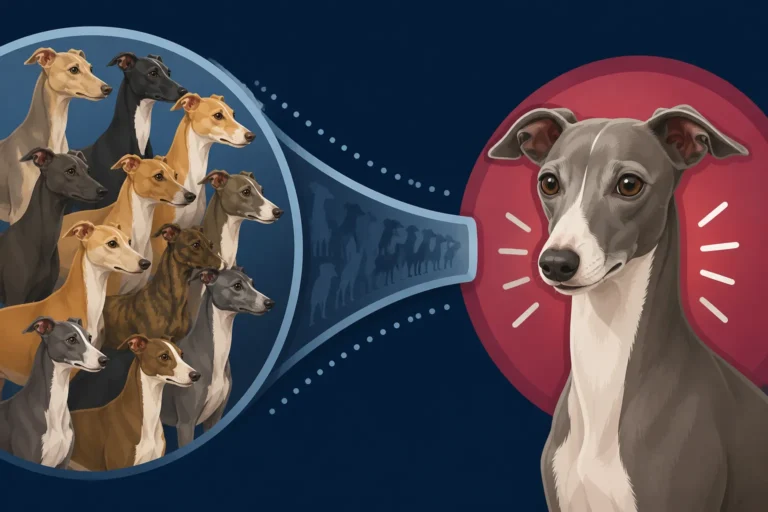
The Italian Greyhound Against the Whippet and the Greyhound
Many prospective dog owners find themselves drawn to the sleek elegance and gentle nature of sighthounds, but when it comes to choosing between an Italian Greyhound, a Whippet, or a full-sized Greyhound, the decision can feel overwhelming. While these three breeds share a common ancestry and a characteristic grace, their differences in size, temperament, and daily needs are profound, and understanding these distinctions is crucial to ensuring a happy and healthy life for your future companion. This guide will delve deep into what makes each of these sighthounds unique, helping you navigate the nuances and discover which one might be the perfect fit for your lifestyle.
A Tale of Three Sighthounds: Understanding the Similarities
It's easy to look at an Italian Greyhound, a Whippet, and a Greyhound and see immediate family resemblance. They all possess that unmistakable sighthound silhouette: deep chests, slender frames, long legs built for speed, and that intelligent, soulful gaze. But beneath these shared physical traits and ancient lineage lie distinct personalities and needs that set them apart.
Shared Ancestry and Sighthound Traits
All three of these beautiful breeds can trace their lineage back to ancient sighthounds, dogs bred for centuries to hunt by sight rather than scent. This common history imbues them with certain shared instincts and characteristics. You'll find that all of them, to varying degrees, possess an incredible prey drive. That tiny squirrel across the park isn't just a squirrel; it's a target, a challenge, a primal call that's often impossible for them to ignore. This instinct means that off-leash adventures in unfenced areas are generally a bad idea for any of them. Their speed is legendary, and once they decide to chase, they're often gone in a flash, oblivious to your calls. This is a crucial point many new owners underestimate.
Another shared trait is their surprising "couch potato" nature. Despite their athletic builds and incredible speed, sighthounds are often incredibly lazy indoors. They love to nap, burrow into blankets, and spend hours lounging on soft surfaces. They're not the type of dogs that need to be constantly entertained or exercised indoors; rather, they save their bursts of energy for outdoor sprints. This can be a delightful surprise for owners who expect a high-strung athlete, but it also means they need soft beds and warm places to rest, as their thin skin and lack of body fat make them prone to getting cold.
The Greyhound Influence on Both Breeds
The Greyhound, being the ancestral type for many sighthound breeds, casts a long shadow over both the Whippet and the Italian Greyhound. Historically, the smaller variations were often described as "miniature Greyhounds," suggesting a deliberate breeding down in size while retaining the elegant proportions and innate abilities. For instance, the Whippet was developed in England during the 18th century by crossing Greyhounds with various terriers and other fast dogs, aiming for a smaller, faster dog for racing and rabbit coursing that was more suitable for working-class homes. The Italian Greyhound, on the other hand, is much older, with origins tracing back over 2,000 years, revered in ancient Egypt, Greece, and later by Italian nobility. While not a direct "miniature" of the modern Greyhound, its refinement over centuries aimed to produce a sighthound of miniature proportions, embodying the grace of its larger relatives in a more delicate package.
This shared influence means you'll often see similar mannerisms – the distinctive "roach back," the way they stretch out luxuriously, or the elegant way they carry their heads. They share an intrinsic quietness, rarely barking excessively unless there's a good reason, like a stranger at the door. Their quiet demeanor and graceful movements are part of their universal appeal.
Why All Three are "Velcro Dogs" (with caveats)
One of the most endearing and sometimes challenging characteristics across all three breeds is their tendency to be "Velcro dogs." This means they often prefer to be right by your side, following you from room to room, and often seeking physical contact. They thrive on companionship and can develop strong bonds with their human families. This constant desire for proximity can be incredibly comforting, making them wonderful snuggle buddies and loyal companions. For more insights into this trait, you can read The Velcro Dog: What Constant Company Means With an Italian Greyhound.
However, the "Velcro" trait manifests differently across the sizes. An Italian Greyhound's need for closeness often translates into literally being on you or under a blanket beside you. They feel the cold easily and genuinely crave body heat and comfort. A Whippet might be content on the sofa next to you, perhaps with a paw resting on your lap. A Greyhound, while loving physical contact, might simply spread out on the floor nearby, preferring a large, soft bed, but still very much desiring to be in the same room as their people. This subtle difference in expression is important for potential owners to consider. If you crave a constant lap warmer, the Italian Greyhound is your go-to. If you prefer a devoted companion who gives you a little more personal space, a Whippet or Greyhound might be a better fit.
Unpacking the Italian Greyhound: The Delicate Dynamo
When we talk about the Italian Greyhound, we're talking about elegance, fragility, and a whole lot of personality packed into a very small frame. This breed is truly unique, demanding a particular kind of owner who appreciates its delicate nature and spirited charm.
Size and Fragility: A Major Distinction
The most striking difference when comparing these three breeds is undoubtedly size. Italian Greyhounds are the smallest, typically weighing in at 7 to 14 pounds and standing around 13 to 15 inches tall at the shoulder. They are, in essence, a toy breed with a sighthound heart. This diminutive size, however, comes with a significant caveat: their bones are notoriously delicate. Fractures, particularly of the forelegs (radius and ulna), are a tragically common occurrence, especially in puppies and young adults. A simple jump off a sofa, a misstep while playing, or an accidental drop can lead to a broken leg. This isn't just a matter of inconvenience; it's a major financial and emotional burden, and a serious health concern for the dog. You can learn more about their unique bone structure in Why an Italian Greyhound's Leg Bones Break So Easily.
This fragility means that an Italian Greyhound home must be proactively set up to prevent accidents. Ramps or steps for furniture, careful handling, and vigilant supervision, especially around children or larger animals, become non-negotiable. They are not robust dogs meant for rough-and-tumble play with larger breeds, nor are they ideal for homes with very young, boisterous children who might not understand how to handle them gently.
Temperament: The Italian Greyhound's Unique Charm
Italian Greyhounds possess a charming, often clownish temperament once they feel secure in their home. They are intelligent, sensitive, and deeply devoted to their families. They can be quite playful and enjoy quick bursts of "zoomies" around the house, followed by extended periods of napping. They are notorious burrowers, loving to tunnel under blankets, sweaters, or any soft fabric they can find. If you have an Italian Greyhound, expect to find them snuggled deep within your bedclothes or buried in a pile of laundry.
However, their sensitivity also means they don't respond well to harsh training methods or loud voices. They can become withdrawn or fearful if disciplined too sternly. Positive reinforcement, patience, and gentle handling are key to building trust and confidence. They are also prone to separation anxiety, given their strong desire for companionship. Leaving an Italian Greyhound alone for long periods can result in destructive behaviors or distress, making them best suited for homes where someone is usually present or where they have another compatible canine companion. For a comprehensive overview of their size, check out What an Italian Greyhound Weighs and How Tall It Stands.
Health Considerations Specific to the Italian Greyhound
Beyond the concern for broken legs, Italian Greyhounds have a few other health considerations. Dental disease is rampant in the breed due to their crowded teeth in a small mouth, often requiring frequent professional cleanings and extractions throughout their lives. This can become a significant ongoing expense. They are also sensitive to anesthesia, requiring experienced veterinary care and careful monitoring during any procedure. This sensitivity is shared to some extent with other sighthounds but is particularly pronounced in the tiny Italian Greyhound due to their low body fat.
Other potential issues include certain eye diseases, epilepsy, and patellar luxation. Responsible breeders will screen for these conditions, and it's always wise to discuss them with your veterinarian. Being prepared for these possibilities, both emotionally and financially, is part of owning this wonderful but delicate breed. Knowing what pet insurance covers can be a huge relief here; see What Pet Insurance Actually Covers on an Italian Greyhound.
The Whippet: The Middle Ground Marvel
The Whippet often feels like the "just right" choice for many people looking for a sighthound. They offer a wonderful balance of size, athleticism, and a generally robust constitution that makes them a bit more versatile than their tiny Italian Greyhound cousins.
Size and Sturdiness: Bridging the Gap
Whippets are the medium-sized members of this sighthound trio, typically weighing between 25 and 45 pounds and standing 18 to 22 inches tall. This puts them in a fantastic sweet spot for many homes. They are large enough to feel sturdy and capable of handling general household activity without the extreme fragility concerns of the Italian Greyhound. While they are still slender and elegant, their bone structure is more substantial, making them less prone to accidental fractures from everyday jumps or bumps. This doesn't mean they're indestructible – no dog is – but owners can generally relax a bit more about accidental injuries.
Their size makes them adaptable to various living situations. They're not so small that they get underfoot constantly, nor so large that they overwhelm an apartment. They fit comfortably on a sofa (though they might take up a whole cushion!) and are easier to transport than a full-sized Greyhound. This balance often appeals to families who want an active dog for outdoor adventures but a calm, manageable companion indoors. For a detailed comparison, you can look at How an Italian Greyhound Differs From a Whippet.
Temperament: A Balance of Energy and Calm
Whippets are renowned for their gentle, affectionate, and even-tempered nature. They are often described as "the poor man's racehorse" due to their incredible speed and athleticism, but this energy is typically channeled into short, explosive bursts of running, often referred to as "zoomies." Once they've had a good run, they are more than content to curl up on the sofa or in a sunny spot and nap for hours. This makes them surprisingly low-key housemates, much like Greyhounds, but in a more compact size.
They are generally good with children and other dogs, though introductions should always be supervised, especially with very small pets due to their prey drive. Whippets are intelligent and eager to please, making them relatively easy to train with positive reinforcement. They thrive on companionship and can be quite sensitive, forming deep bonds with their human families. They are less prone to the extreme separation anxiety sometimes seen in Italian Greyhounds, but they certainly don't enjoy being left alone for extended periods.
Exercise Needs and Activity Levels
Despite their reputation as racing dogs, Whippets have surprisingly moderate exercise needs. They do best with a daily opportunity to stretch their legs in a securely fenced area where they can really open up and run. This could be a large yard, a private dog park, or an enclosed field. A long walk on a leash is good for their physical and mental well-being, but nothing truly substitutes for a good, fast sprint. Think 15-20 minutes of hard running, and they'll be ready for a nap.
Without adequate exercise, a Whippet can become restless or mischievous, but they are generally not hyperactive. They are often described as having an "off switch," allowing them to be calm and well-behaved indoors as long as their need for a good run has been met. This makes them an excellent choice for active individuals or families who enjoy outdoor activities but also appreciate a quiet companion at home.
The Greyhound: The Gentle Giant of the Sighthound World
The Greyhound is perhaps the most iconic of the sighthounds, famous for its incredible speed on the track and its surprising gentleness off it. For those considering adoption, retired racing Greyhounds are a popular choice, offering a unique opportunity to provide a loving home to an athletic dog whose competitive career has ended.
The Larger-Than-Life Companion
Greyhounds are the largest of the three breeds, with males typically weighing 65 to 80 pounds and females 50 to 65 pounds, standing 27 to 30 inches tall. Their impressive size and regal bearing command attention, but don't let their stature fool you; they are often incredibly sweet and docile dogs. They are built for speed, with long, powerful legs, a deep chest, and a flexible spine, allowing them to reach speeds upwards of 40 miles per hour.
Despite their athletic prowess, Greyhounds are surprisingly low-maintenance in terms of energy within the home. They are perfectly content to spend the majority of their day lounging and napping, earning them the affectionate nickname "45-mile-per-hour couch potatoes." Their large size does mean they take up more space, requiring ample room to stretch out and often preferring a large, soft dog bed over the hard floor. If you're comparing them specifically to the smaller breeds, How an Italian Greyhound Differs From a Greyhound offers a good perspective.
Temperament: Couch Potato with a Sprint
The temperament of a Greyhound is one of its most endearing qualities. They are gentle, quiet, and incredibly affectionate dogs. Many retired racers, despite having lived a structured life, transition remarkably well into pet homes. They are rarely aggressive and are generally good with respectful children and other pets, though their strong prey drive means careful introductions and supervision are always necessary, particularly with cats and very small dogs.
Greyhounds are sensitive dogs, much like Italian Greyhounds and Whippets, and respond best to positive reinforcement. They thrive on routine and clear boundaries, which can help them feel secure in a new environment. They are not prone to excessive barking, making them suitable for apartment living as long as their exercise needs are met. While they enjoy being close to their families, they are generally not demanding and are content to snooze quietly in the same room.
Life as a Retired Racer
Adopting a retired racing Greyhound is a unique experience. These dogs often come with specific needs and a history that new owners should understand. Many have lived a kennel life, meaning they might need help adjusting to stairs, slippery floors, or even the simple concept of a dog bed in a home environment. They are typically crate-trained and housetrained, but some may have never encountered certain common household objects or sounds.
Their racing background also means they are usually accustomed to spending time with other Greyhounds, so some may struggle with being an only dog if they haven't learned to cope. Their prey drive is often highly developed, a necessity for their racing career, so a secure leash and harness are paramount whenever outside a fenced area. Despite these initial adjustments, retired Greyhounds are known for their profound gratitude and loyalty, blossoming into wonderful family members with patience and love.
Key Differences: Side-by-Side Comparison
To truly grasp the distinctions between these magnificent sighthounds, it helps to lay out their differences in a direct comparison. This isn't just about size; it's about the entire lifestyle each breed entails.
Physical Attributes: From Stature to Substance
Let's break down the physical variations that impact everything from veterinary care to daily living.
| Feature | Italian Greyhound | Whippet | Greyhound |
|---|---|---|---|
| Weight | 7-14 lbs (3-6 kg) | 25-45 lbs (11-20 kg) | 50-80 lbs (23-36 kg) |
| Height (at shoulder) | 13-15 inches (33-38 cm) | 18-22 inches (46-56 cm) | 27-30 inches (69-76 cm) |
| Bone Structure | Very fine, delicate; prone to fractures | Moderate, sturdy; less prone to fractures | Robust, strong; built for sustained speed |
| Coat Type | Extremely short, fine, smooth | Short, fine, smooth | Short, smooth, close-lying |
| Body Fat | Very little (thin skinned) | Low | Low |
| Cold Tolerance | Very poor; requires extensive clothing and warmth | Poor; needs coats in cold weather | Poor; needs coats in cold weather |
As you can see, the Italian Greyhound is in a league of its own when it comes to delicacy. This isn't just an aesthetic point; it dictates everything from how you handle them to what kind of bedding they need. Their almost non-existent body fat means they get cold very easily, even indoors in an air-conditioned home. Why an Italian Greyhound Cannot Hold Its Own Heat goes into more detail on this. Whippets and Greyhounds also have minimal fat and thin coats, requiring sweaters or coats in cooler weather, but not to the same extreme as the Italian Greyhound.
Lifestyle Compatibility: Which Breed Fits Your Home?
Choosing between these breeds means honestly assessing your own lifestyle, living situation, and expectations for a canine companion.
- Italian Greyhound: Best for calm, attentive households without very young children or large, boisterous dogs. Ideal for owners who are home a lot, value companionship above all else, and are prepared for the potential medical costs associated with their fragility. They thrive in quiet environments where they can feel safe and secure. Their small size makes them excellent apartment dwellers, as long as they get their short bursts of exercise and plenty of indoor warmth.
- Whippet: A fantastic all-rounder. Suits active individuals or families with older, respectful children. They need a securely fenced yard or regular access to a safe running area. They adapt well to both apartment and house living, providing they receive enough exercise. They can be good with other dogs and often enjoy a variety of activities like lure coursing or even agility (though with careful consideration for their sighthound build).
- Greyhound: Wonderful for calm, adult-oriented homes or families with gentle, older children. Excellent for those interested in adopting a retired racer and giving a dog a second chance. They need a securely fenced yard or leash-walks and opportunities for safe, off-leash sprints. They are surprisingly well-suited to apartment living despite their size, due to their calm indoor nature, but they do need space to stretch out.
Training and Handling: Nuances Across Breeds
While all sighthounds are generally intelligent and can be trained, their sensitive nature means a consistent, positive, and gentle approach is crucial. Harsh corrections will only make them shut down or become fearful.
- Italian Greyhounds: Can be famously difficult to housetrain, often regressing if not consistently managed. They are sensitive and need short, fun training sessions. Patience is a virtue, especially with potty training. Read Housetraining an Italian Greyhound Is the Hardest Part of Owning One for tips. Their high prey drive means they can never be trusted off-leash.
- Whippets: Generally more amenable to training than IGs. They enjoy learning and can excel in various dog sports. Their prey drive is strong, so off-leash safety in unfenced areas is also a no-go. They tend to be quicker to housetrain.
- Greyhounds: Often come with some basic training from their racing careers, but they'll need guidance on household manners. They are eager to please and intelligent, making them quite trainable. Their prey drive is extremely high, so a secure leash is non-negotiable. Why an Italian Greyhound Cannot Be Trusted Off Leash, Ever applies to all sighthounds, just imagine a larger, faster version!
Living with Each Breed: Practical Realities
Beyond the initial comparison, it's vital to consider the day-to-day realities of sharing your life with an Italian Greyhound, Whippet, or Greyhound. Each breed brings its own set of practical needs and considerations.
Exercise Requirements: Tailoring Daily Activities
While all three breeds are known for their incredible speed, their daily exercise needs differ significantly in both quantity and type. Understanding these differences is key to preventing boredom, destructive behaviors, and keeping them physically healthy.
- Italian Greyhound: These little rockets need short, frequent bursts of activity. Think a couple of 10-15 minute walks a day, plus some indoor playtime. They're built for speed, not endurance. A securely fenced yard is a bonus where they can do their "zoomies," but be mindful of their fragile bones; jumping on and off furniture or wrestling with larger dogs is risky. If you live in an apartment, indoor play, chasing toys, and short walks are usually sufficient. They conserve energy remarkably well and love nothing more than curling up for a long nap after a brief sprint. For ideas on their daily routine, look at What an Italian Greyhound Does All Day.
- Whippet: Whippets strike a lovely balance. They thrive on a daily opportunity for a good, flat-out run in a safe, enclosed space. This could be 20-30 minutes of hard running, fetching, or playing with other compatible dogs. In addition, they appreciate a couple of brisk walks on a leash. Without this outlet, they can become restless. However, once their energy is spent, they are happy to lounge the rest of the day. They aren't marathon runners in the same way a Husky might be, but they do need that intense burst of speed to be truly content.
- Greyhound: Often surprisingly low-energy indoors, Greyhounds still need regular exercise to maintain muscle tone and mental well-being. A couple of 20-30 minute walks a day are generally sufficient, combined with the chance to sprint in a securely fenced area a few times a week. Many retired racers, particularly older ones, are content with even less intense activity. The most crucial aspect is that any off-leash running must be in an escape-proof enclosure due to their powerful prey drive and incredible speed.
Housing Needs: Apartment Living vs. Spacious Yards
The size and temperament of these breeds make them adaptable to various living arrangements, but there are always considerations.
- Italian Greyhound: Due to their small size and relatively low indoor exercise needs, Italian Greyhounds are excellent apartment dwellers. However, safety is paramount. Any stairs should be gated to prevent falls, and all furniture should have ramps or steps. They require ample soft bedding and warm places to sleep, often preferring to burrow under blankets or snooze in a heated dog bed. A secure, fenced yard is great, but ensure there are no gaps they can slip through or high fences they might try to jump (they can be surprising climbers!).
- Whippet: Whippets also do very well in apartments, provided they get their necessary outdoor sprints. Their medium size means they can stretch out comfortably in a living room without overwhelming the space. A securely fenced yard is ideal for their daily bursts of speed, but it's not strictly necessary if you have access to a safe, enclosed dog park or field. Like IGs, they need soft places to rest and often enjoy being on the sofa with their family.
- Greyhound: Despite their large size, Greyhounds are often considered ideal apartment dogs because of their calm indoor demeanor. They aren't prone to barking and spend much of their day napping. However, they do need enough space to stretch out fully, so a generously sized dog bed or a dedicated corner of a sofa is important. A securely fenced yard is a must for their exercise needs, as they cannot be reliably exercised off-leash in open areas. Their long legs can make stairs a bit challenging for some, especially older or arthritic Greyhounds, so ground-floor living or a home with minimal stairs can be a plus.
Grooming and Maintenance: Minimalist Coats
One universal benefit of all three sighthounds is their incredibly low-maintenance grooming requirements. Their short, fine coats mean minimal shedding and almost no doggy odor.
- Italian Greyhound: A quick wipe down with a damp cloth or a soft brush once a week is usually all that's needed to keep their coat gleaming. They rarely need baths unless they've rolled in something truly offensive. Nail trims, however, are a regular necessity, often every 1-2 weeks, as their quicks are prominent and long nails can cause discomfort and gait issues. Ear cleaning is also important, especially if they have naturally folded "rose" ears.
- Whippet: Very similar to the Italian Greyhound, Whippets require minimal grooming. A weekly brush with a rubber mitt or soft brush, occasional baths, and regular nail trims (every 2-3 weeks) will keep them looking their best. Their ears are generally self-cleaning, but a quick check during grooming is always a good idea.
- Greyhound: Greyhounds also have a "wash and wear" coat. Weekly brushing with a rubber curry comb helps remove loose hair and stimulate the skin. Baths are infrequent, typically only when visibly dirty. Regular nail trims are essential, and some Greyhounds may need more frequent dental care, similar to IGs and Whippets, though perhaps not as extreme as the small Italian Greyhounds.
Cost of Ownership: Unexpected Differences
While the initial purchase price or adoption fee might vary, the long-term cost of owning these breeds can reveal some surprising differences, particularly due to their unique health profiles. What an Italian Greyhound Costs to Buy in 2026 can give you an idea of starting costs.
- Italian Greyhound: While they eat less food due to their tiny size (making their food bill low), their potential veterinary costs can be significant. The high risk of broken bones, the need for specialized anesthesia, and prevalent dental disease mean that budgeting for emergencies and ongoing care is crucial. Pet insurance is highly recommended. You'll also spend more on clothing to keep them warm.
- Whippet: Generally a healthy and robust breed, Whippets typically incur moderate veterinary costs. They eat more than an IG but less than a Greyhound. Pet insurance is still a wise investment, but they are less prone to the orthopedic disasters seen in IGs. They'll need a few coats for cold weather, but less extensive outfitting than an IG.
- Greyhound: Food costs will be higher for a Greyhound due to their size, but vet bills for healthy retired racers can be quite manageable. However, if adopting an older dog, be prepared for potential age-related issues. Dental care is often a concern for many Greyhounds, especially those from racing careers. Like all sighthounds, they need quality bedding to protect their thin skin from pressure sores.
Making the Right Choice: Finding Your Perfect Sighthound
Deciding which of these wonderful sighthounds is right for you isn't a decision to take lightly. It's about a long-term commitment and ensuring the best possible life for your new companion.
Assessing Your Lifestyle and Expectations
Before you even start looking at puppies or rescue dogs, sit down and honestly evaluate your life.
- How much time do you have? All sighthounds, particularly Italian Greyhounds, thrive on companionship. If you work long hours away from home and can't arrange for dog walkers or doggy daycare, perhaps an independent breed would be a better fit.
- What's your living situation like? Do you have stairs? Are your floors carpeted or slippery hardwood? Is your yard securely fenced? Do you live in an apartment or a house? These practical considerations can make a huge difference, especially for the delicate IG.
- What's your tolerance for potential medical costs? Are you prepared for the possibility of expensive fracture repairs or frequent dental work? Having an emergency fund or pet insurance is a must for any dog, but especially for an Italian Greyhound.
- Do you have children or other pets? Consider the age and temperament of children, and the size and play style of existing pets. A rambunctious Labrador might unintentionally injure an Italian Greyhound, even with the best intentions.
- What's the weather like where you live? All sighthounds feel the cold, but Italian Greyhounds are particularly susceptible. If you live in a very cold climate, be prepared for extensive indoor exercise and a wardrobe of warm clothing. Conversely, How an Italian Greyhound Handles Summer Heat is also a factor.
Meeting the Breeds: Rescue Organizations and Breeders
Once you have a clearer idea of which breed might suit you, the next step is to interact with them.
- Rescue Organizations: For Whippets and Greyhounds, rescue organizations are an excellent resource, especially for retired racing Greyhounds. These groups often have a wealth of knowledge about individual dogs' temperaments and needs, helping you find a perfect match. Many Italian Greyhounds also find their way into rescue, often due to owners unprepared for their fragility or housetraining challenges. Rescues are usually very upfront about the dog's history and any known health issues.
- Reputable Breeders: If you're looking for a puppy, particularly an Italian Greyhound or Whippet, seek out ethical and reputable breeders. They should health test their breeding stock for common issues in the breed (like eye conditions or patellar luxation), be transparent about their practices, and welcome questions. A good breeder will prioritize temperament and health over quick sales and will be a valuable resource throughout your dog's life. Be wary of anyone offering puppies at suspiciously low prices or without health guarantees.
The Lifelong Commitment
Bringing any dog into your home is a lifelong commitment, and with these sighthounds, you're looking at a good many years. Italian Greyhounds, for example, often live 14-15 years, and even longer for some. Whippets and Greyhounds also have excellent lifespans. This means planning for senior care, which can bring its own set of challenges, as highlighted in Caring for an Italian Greyhound Past Eleven.
Each of these breeds offers incredible companionship, unique charm, and a profound bond to their human families. By understanding their distinct needs and honestly evaluating your own capacity to meet them, you can confidently choose the sighthound that will bring joy and grace into your life for many years to come.
Disclaimer
This article is for general informational purposes only and does not constitute professional advice. Laws, prices and regulations vary by location and change over time. Consult a qualified professional for guidance on your specific situation.