How American Breeders Saved the Italian Greyhound
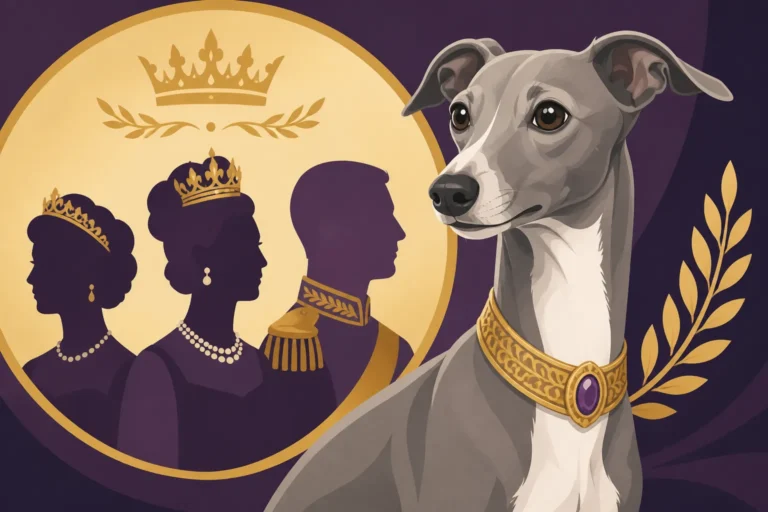
Imagine the world without those slender, elegant figures, those deep, soulful eyes, and that distinctive high-stepping gait. It's a sobering thought, but it was a very real possibility for the Italian Greyhound after the devastation of two World Wars. This breed, once cherished by European royalty and nobility, found itself on the precipice of extinction, its numbers dwindling to alarming lows. This guide delves into how dedicated American breeders, fueled by an unwavering passion, stepped in to rescue the Italian Greyhound from the brink, preserving its unique charm for generations to come.
The Italian Greyhound's Peril: Europe's Vanishing Act
The Italian Greyhound has a long and storied history, tracing its roots back thousands of years. But even a breed with such a rich past is not immune to the harsh realities of global conflict. The 20th century brought unprecedented challenges that nearly wiped this delicate breed off the map.
Wartime Devastation Across the Continent
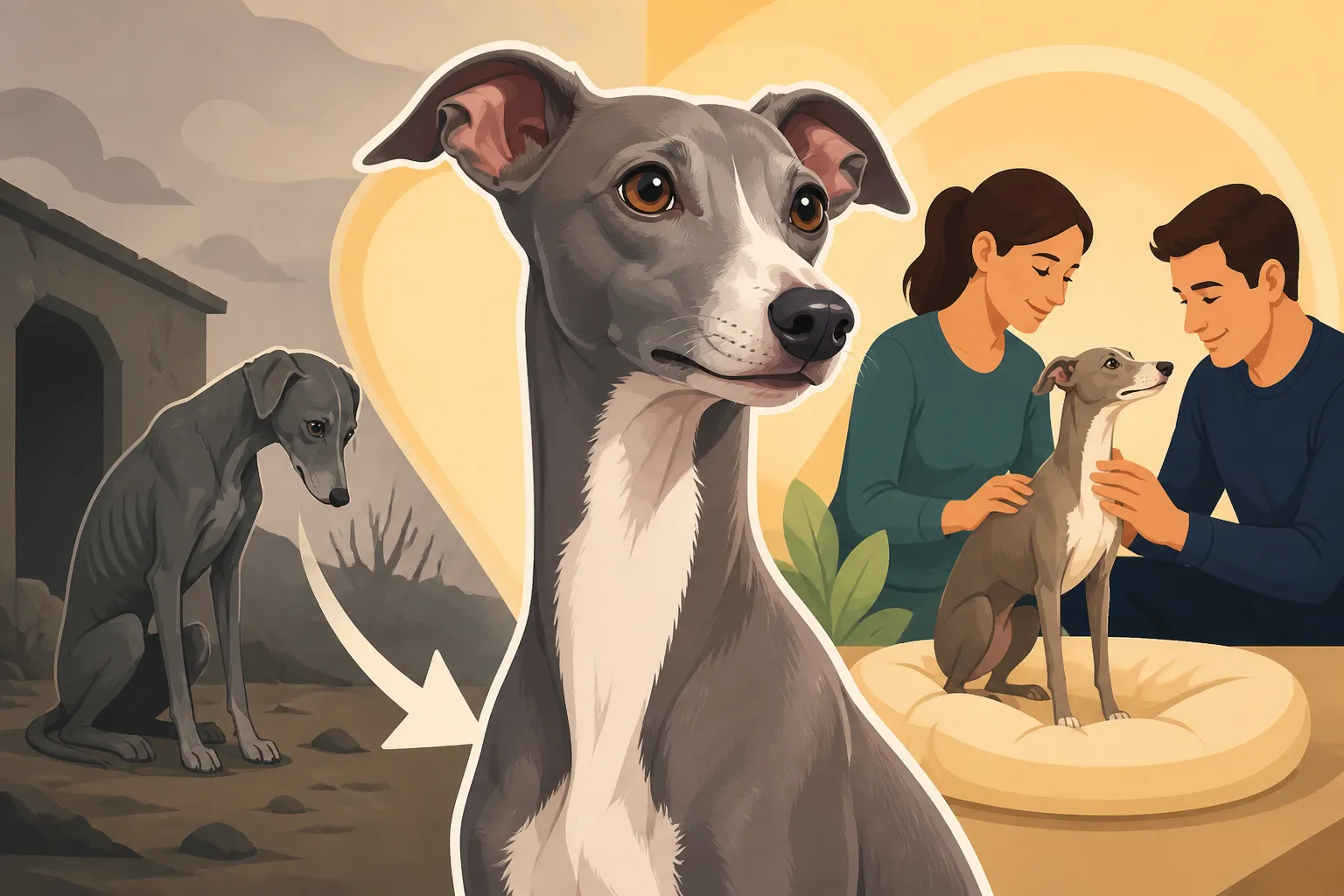
The two World Wars, especially the second, wreaked havoc on Europe. Cities were bombed, populations displaced, and resources became incredibly scarce. For many, simply surviving was an all-consuming task. In such an environment, keeping and breeding dogs, particularly a delicate companion breed like the Italian Greyhound, became an impossible luxury. Kennels that had meticulously cultivated bloodlines for centuries were forced to close. Breeders couldn't feed their dogs, let alone protect them from the dangers of war. Many dogs perished due to starvation, disease, or simply getting lost in the chaos.
Entire pedigrees and genetic lines, which represented generations of careful breeding, vanished without a trace. It wasn't just individual dogs; it was the institutional knowledge and the genetic diversity within the European Italian Greyhound population that suffered an irreparable blow. The focus shifted entirely to human survival, and the future of many non-working breeds, including our beloved Iggies, hung by the thinnest of threads. To understand the scale of this impact, you only need to consider What the World Wars Did to the Italian Greyhound. It truly reshaped the breed's global presence.
Genetic Bottleneck and Loss of Breed Type
The catastrophic loss of Italian Greyhounds during the wars led to what geneticists call a "genetic bottleneck." This term describes a sharp reduction in the size of a population due to environmental events, which in turn reduces the genetic diversity of the surviving population. When you have very few individuals left to breed from, the gene pool becomes incredibly shallow. This means there's less variation in genes, making the breed more susceptible to inherited health problems and less adaptable to future challenges.
Beyond health, there was a real risk of losing the distinct "type" of the Italian Greyhound. Breeders had worked for centuries to establish the breed's characteristic elegance, fine bone structure, and gentle temperament. With such limited numbers and potentially compromised health, future generations might not have consistently met the historical breed standard. Dogs might have become coarser, or lost their signature proportions, gradually diverging from the true Italian Greyhound ideal. It was a race against time not just to preserve the dogs, but to preserve the very essence of the breed.
A Beacon of Hope: American Breeders Step Up
While Europe was embroiled in conflict and struggling to recover, across the Atlantic, a small but dedicated group of American fanciers recognized the dire situation. They understood that if action wasn't taken swiftly, the Italian Greyhound could be lost forever.
Dedicated Fanciers Preserve the Spark
In America, there were individuals who had already fallen in love with Italian Greyhounds before the war. Some had imported dogs from Europe in calmer times, establishing small but precious lines on American soil. When news of the breed's decline in its homeland reached them, these dedicated fanciers felt a profound sense of responsibility. They weren't in it for profit or fleeting trends; they were driven by a deep, abiding passion for these elegant sighthounds.
These were the unsung heroes, often working tirelessly out of their homes, meticulously caring for their small collections of Italian Greyhounds. They understood that each dog they had was a living, breathing piece of history, a precious link to the breed's past and its potential future. Their commitment often meant personal sacrifice, but they pressed on, driven by the belief that this exquisite breed deserved to survive. It's thanks to their steadfast dedication that American lines eventually became strong enough to contribute to the global revival, to the point where How American Italian Greyhounds Went Back to Britain became a real possibility.
The Precious Imports That Rebuilt the Foundation
The foresight of some American breeders to acquire Italian Greyhounds from Europe before and during the war was absolutely critical. These weren't easy transactions or simple trips. Transporting dogs across war-torn seas was fraught with peril, incredibly expensive, and often involved navigating complex international regulations. Each dog that made it to American shores was a small miracle. These imports became the genetic bedrock upon which the American breeding program was built.
These few, precious dogs carried the diverse genetic traits needed to broaden the American gene pool. Breeders carefully studied their pedigrees, looking for lines that maintained the correct type and showed robust health. They were not just collecting dogs; they were collecting genetic blueprints, understanding that the future of the entire breed rested on these individuals. This careful, selective importation ensured that the American foundation was as strong and genetically varied as possible given the circumstances, laying the groundwork for a true revival.
Strategic Revival: The American Breeding Blueprint
Saving a breed from near extinction isn't just about accumulating dogs; it's about a strategic, thoughtful approach to breeding that maximizes genetic health and preserves breed type. American breeders during this critical period developed a meticulous blueprint for the Italian Greyhound's revival.
Meticulous Breeding and Record Keeping
The American breeders who took on this monumental task understood that haphazard breeding would do more harm than good. Instead, they adopted a highly methodical approach, which was truly revolutionary for its time. This involved rigorous record-keeping, tracing every lineage, and making incredibly informed decisions about which dogs to breed together. They practiced careful "line breeding," a technique designed to consolidate desirable traits and strengthen the breed's core characteristics by breeding related individuals, but always with an eye on maintaining sufficient genetic diversity to avoid severe inbreeding depression.
Every mating was considered for its potential to improve the breed—to restore the correct structure, refine temperament, and bolster overall health. This wasn't a quick process; it involved patience, deep knowledge of genetics, and an intimate understanding of the Italian Greyhound standard. Their goal was to slowly but surely expand the gene pool while bringing back the consistent elegance and soundness that had been lost. Their efforts were crucial in addressing the problem of How Narrow the Italian Greyhound Gene Pool Became and slowly widening it again.
Prioritizing Health and Temperament
Beyond just restoring the Italian Greyhound's classic good looks, American breeders were acutely aware that a surviving breed needed to be a healthy and well-adjusted one. The delicate nature of Italian Greyhounds, coupled with the potential genetic weaknesses from a restricted gene pool, meant that health and temperament had to be top priorities. Breeders focused on identifying and selecting dogs that exhibited vigor, good conformation, and the gentle, affectionate nature for which the breed is known.
This involved careful observation of puppies as they grew, evaluating their temperaments, and, to the extent possible with the limited diagnostic tools of the era, breeding away from any apparent health issues. They understood that a physically fragile or temperamentally unsound dog would not be a sustainable foundation for the breed's future. The commitment was to produce animals that were not only beautiful but also robust enough to thrive as cherished companions. While modern breeders have access to far more sophisticated tools, the fundamental principle of What an Italian Greyhound Breeder Should Have Tested for health began with these foundational efforts.
Official Recognition and Global Impact
The individual efforts of dedicated American breeders eventually coalesced into a unified movement, leading to official recognition and, ultimately, impacting the Italian Greyhound population worldwide.
The Italian Greyhound Club of America's Unifying Force
The formation and subsequent work of the Italian Greyhound Club of America (IGCA) was an absolutely pivotal moment in the breed's salvation. This national club provided a crucial framework for what had been, up until then, largely independent breeding efforts. The IGCA became a central hub for sharing information, coordinating breeding plans, and establishing a unified vision for the Italian Greyhound in the United States. It allowed breeders to pool their knowledge and resources, ensuring that efforts were complementary rather than fragmented.
The club played an instrumental role in registering Italian Greyhounds, tracking their pedigrees, and providing guidance on responsible breeding practices. It fostered a community where fanciers could support each other, ensuring that the breed's future was a collective endeavor. Without such an organized body, it would have been nearly impossible to achieve the level of coordination needed to rebuild a severely depleted gene pool and standardize the breed. The club's work directly paved the way for the breed's official recognition by the American Kennel Club, marking a new chapter for the Iggy, and answering the question of When the AKC Recognized the Italian Greyhound.
Setting and Upholding the American Standard
One of the most significant contributions of the American breeders and the IGCA was the meticulous work of setting and upholding a clear and consistent breed standard. After the chaos of the wars, the "look" of the Italian Greyhound had become inconsistent in many places. The standard provided a detailed blueprint of the ideal Italian Greyhound: its size, proportions, gait, coat, and temperament. This meant that breeders had a common goal to strive for, ensuring that future generations would consistently display the elegance and distinct characteristics that define the breed.
This standardization wasn't just about looks; it also had implications for health and functionality. A dog bred to a sound standard is typically a healthier, more balanced animal. By defining traits like What Height the Italian Greyhound Standard Asks For, they ensured that breeders were working towards a unified, healthy type. This adherence to a standard was crucial for both the breed's integrity and its acceptance in the wider dog world, affirming its unique identity.
The Enduring Legacy of American Stewardship
The heroic efforts of American breeders in the mid-20th century were not just about saving a few dogs; they were about securing the future of an ancient and beloved breed. Their legacy continues to shape the Italian Greyhound world today.
A Thriving Breed with Global Reach
Today, the Italian Greyhound is a stable, cherished companion breed found in homes around the globe. This widespread presence is a direct testament to the success of those American breeders who refused to let the breed disappear. Their diligent work not only repopulated the United States with beautiful, healthy Iggies but also played a crucial role in the breed's recovery in Europe. American-bred Italian Greyhounds were often sent back to Europe to help re-establish lines there, effectively reversing the flow of genetics and proving the profound global impact of their stewardship.
The modern Italian Greyhound, with its elegant form and loving nature, stands as a living monument to that unwavering dedication. While no breed is entirely without health challenges, the foundational work done to widen the gene pool and select for robust health has contributed significantly to Whether the Italian Greyhound Is a Healthy Breed in general. Their efforts ensured that future generations could experience the joy of owning these unique dogs.
The Modern Breeder's Continued Commitment
The work of preserving and enhancing the Italian Greyhound is an ongoing journey. Modern breeders stand on the shoulders of those who saved the breed, continuing to uphold the principles of health, temperament, and adherence to the breed standard. They utilize advanced genetic testing, collaborate globally, and remain committed to producing healthy, well-socialized puppies. Owners today also play a vital role, providing loving homes and advocating for responsible practices.
Whether you're looking for a new family member or simply providing the best care for your current Iggy, the spirit of dedication lives on. You can support these efforts by seeking out ethical breeders who prioritize health testing and responsible placement. For everyday needs, reputable retailers like Chewy offer a vast selection of quality products—from specialized food that supports their delicate digestive systems to cozy sweaters and beds that keep their thin skin warm. Ensuring your Italian Greyhound has everything it needs, easily accessible from resources like Chewy, is a continuation of that legacy of care. Finding a good breeder can be a journey, but resources like Finding an Italian Greyhound Breeder Worth the Waitlist can guide you. The commitment to their well-being, including health initiatives like What the Italian Greyhound Club's Health Program Covers, is a testament to the enduring love for this remarkable breed. From their initial recovery, to stocking up on their favorite treats and toys from Chewy, every step of care makes a difference.
| Period | European Italian Greyhound Status | American Italian Greyhound Status | Key Event/Role |
|---|---|---|---|
| Early 20th Century | Highly prized, aristocratic connections | Present, but numbers relatively low | European kennels flourish, American interest grows steadily |
| World War I (1914-1918) | Significant decline, breeding disrupted | Stable, isolated from immediate conflict | European focus on survival, American lines act as an unwitting sanctuary |
| Interwar Years | Efforts to rebuild, but often fragile | Growing dedicated fanciers, some imports from Europe | American breeders start organizing, establishing small but solid lines |
| World War II (1939-1945) | Near extinction, catastrophic losses | Preserved, gene pool protected and slowly expanded | American breeders become the primary custodians of the breed's future |
| Post-WWII (1945-1960s) | Very few survivors, struggling to recover | Healthy, expanding population; stock sent back to Europe | American-bred dogs help revitalize European lines, solidifying global presence |
| Modern Era | Thriving worldwide, stable and recognized | Well-established, strong breed club, robust breeding programs | Continued focus on health, type, and responsible ownership globally |
Disclaimer
This article is for general informational purposes only and does not constitute professional advice. Laws, prices and regulations vary by location and change over time. Consult a qualified professional for guidance on your specific situation.