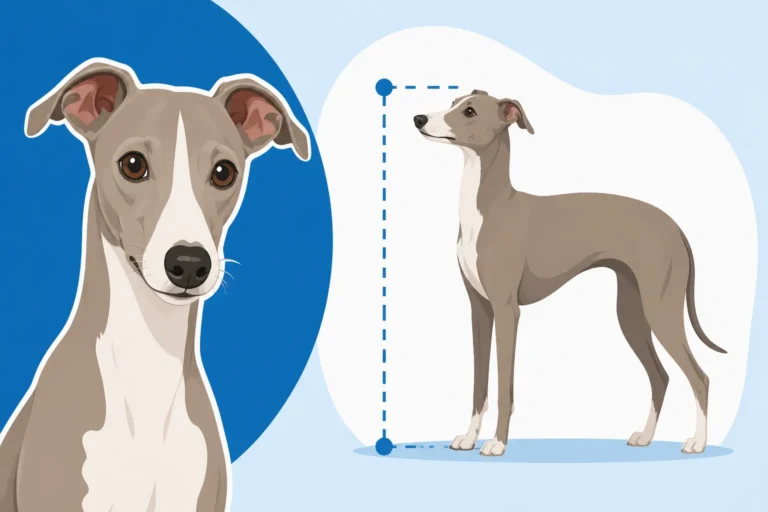
Whether Italian Greyhounds Appear in Egyptian Tombs
It's a common image, isn't it? When we think of ancient civilizations and their beloved dogs, our minds often conjure up visions of sleek, elegant sighthounds gracing the pharaohs' courts or immortalized in tomb paintings. Many Italian Greyhound owners, myself included, have wondered if our dainty companions trace their lineage back to these regal ancient Egyptian dogs. It’s a compelling thought, a way to connect our modern-day pets to a grand, distant past. This guide will delve into the historical records and artistic evidence to explore the truth behind this captivating myth, uncovering what ancient tombs actually reveal and tracing the fascinating, albeit different, true origins of the Italian Greyhound breed.
The Enduring Allure of Ancient Dogs and the Italian Greyhound Mythos
There's something incredibly romantic about believing your dog's ancestors walked alongside kings and queens thousands of years ago. We often look for deep historical roots for the things we love, and our Italian Greyhounds are no exception. The idea that such a refined and ancient-looking breed could have been cherished by pharaohs is, frankly, irresistible.
Why the Image of Ancient Egypt Captures Our Imagination
Ancient Egypt holds a unique place in our collective imagination, a civilization of unparalleled grandeur, mystery, and a deep reverence for animals. From the majestic pyramids to the intricate hieroglyphs, every facet of their culture seems to whisper stories of timeless beauty and profound connections. When we see depictions of slender, graceful dogs in their art, it’s natural to feel a pull, to imagine our own elegant Italian Greyhounds sharing that same ancient stage. We want our pets to be part of something bigger, something with a noble, storied past, and linking them to ancient Egypt provides that powerful narrative.
The desire for a long and distinguished lineage for our breeds is a very human one. It adds an extra layer of appreciation and wonder to our relationship with them. This longing can sometimes lead to a bit of a historical "wish-casting," where a striking resemblance across eras can be mistaken for direct ancestry. It’s a testament to the Italian Greyhound's timeless elegance that it fits so neatly into these ancient images in our minds, even if the direct historical lines aren't quite as straightforward as we might hope. The perception is often stronger than the proven fact.
Examining the "Egyptian Greyhound" Connection
The term "Egyptian Greyhound" itself often contributes to the confusion. It's a broad, descriptive term rather than a specific breed name as we understand it today. In ancient times, "greyhound" often referred to any sighthound type—a dog bred for speed, with a lean build, deep chest, and keen eyesight, used for hunting game by sight rather than scent. Ancient Egypt certainly had such dogs. They were valued hunting companions and symbols of nobility, frequently depicted in hunting scenes and alongside their owners.
However, distinguishing these ancient sighthound types from the specific, meticulously bred breed we know as the Italian Greyhound today is crucial. The ancient world had dogs that were progenitors of many modern breeds, but selective breeding for specific characteristics, like the Italian Greyhound's tiny, toy size, is a much later development. While there's a clear ancestral link in the broader sighthound family, the jump from "ancient Egyptian sighthound" to "Italian Greyhound" requires a closer look at the specific features and documented history. It's like saying a wild wolf is the same as a modern Border Collie; they share an ancestor, but they are distinctly different products of different eras of selection.
Deciphering the Art: What Ancient Egyptian Tombs Actually Show
When we look at the incredible artwork preserved in Egyptian tombs, from the Valley of the Kings to the various mastabas, we see dogs everywhere. These aren't just decorative elements; they represent the animals that were integral to daily life, hunting, and even spiritual beliefs of the ancient Egyptians.
Sighthounds in Hieroglyphs and Wall Paintings
The dogs most commonly depicted in ancient Egyptian art that resemble sighthounds share some undeniable traits: they are typically slender, long-legged, with a tucked-up abdomen, an arched back, and often a distinctive curled or sickle-shaped tail. Their muzzles are long and refined, and their ears can vary, sometimes erect, sometimes folded. These dogs were undoubtedly efficient hunters, built for speed and agility across the desert plains. Breeds like the Tesem, which is often considered an ancestor to dogs like the Basenji or Saluki, are frequently cited as the models for these ancient canine representations. The Tesem was an all-around hunting dog, known for its intelligence and keen senses, and its image is ubiquitous in early Egyptian dynastic art.
These ancient sighthounds were highly prized. They were given names, buried with honors, and sometimes even mummified. Their presence in tombs speaks volumes about their importance to their owners, not just as working animals but as companions who were expected to join them in the afterlife. The elegance and distinctive outline of these dogs certainly carry a visual echo of our modern Italian Greyhounds, fueling the idea of a direct connection. However, a deeper examination reveals some key differences that separate them from the tiny, delicate Italian Greyhounds we know today.
Key Differences from the Modern Italian Greyhound
While the ancient Egyptian sighthounds share a general body type with the Italian Greyhound – namely, the graceful, athletic build – the devil is in the details, particularly regarding size and overall proportions. The dogs in Egyptian artwork, while lean, were not "toy" dogs. They were medium to large-sized hunting dogs, robust enough to chase down game in harsh desert conditions. Their bone structure appears more substantial than the extremely fine, almost fragile bones of an Italian Greyhound. They were built for endurance and power, not for being carried in a lady's sleeve.
The Italian Greyhound, by contrast, is a true toy breed. They are considerably smaller, weighing usually between 7 to 14 pounds, with an incredibly delicate bone structure. Their refinement is almost extreme, a result of centuries of selective breeding specifically for a miniature, elegant companion rather than a working hunter. You simply don't see dogs of the Italian Greyhound's tiny stature and extreme delicacy in ancient Egyptian art. The focus of Egyptian dog breeding, as far as we can tell, was on functionality for hunting or guarding, not on creating a lap-sized companion. Therefore, while the spirit of the sighthound may connect them, the specific breed of the Italian Greyhound does not appear in those ancient depictions.
Tracing the True Origins of the Italian Greyhound
So, if not ancient Egypt, then where did our charming Italian Greyhounds actually come from? The true story of their ancestry is no less captivating, involving a journey through classical antiquity and European royalty, culminating in the cherished companions we adore today.
From Mediterranean Shores to Renaissance Palaces
The most widely accepted theory regarding the Italian Greyhound's origin places its early development not in Egypt, but in the Mediterranean basin, particularly in ancient Greece and Turkey. Archaeological evidence, including small sighthound skeletons, has been found in these regions dating back over 2,000 years, around the time of the Roman Empire. These early ancestors were likely small, elegant sighthounds, already appreciated for their graceful appearance and gentle nature, perhaps smaller than their larger coursing relatives but not yet the diminutive toy breed we recognize.
From these Mediterranean roots, these elegant little dogs made their way to Italy. As the Roman Empire flourished, so did the appreciation for companion animals, and these small sighthounds became favorites among the Roman elite. They were depicted in frescoes and mosaics, testament to their valued status within noble households. The breed truly began to take its distinct form and gain widespread popularity during the Italian Renaissance. This period, known for its explosion of art, culture, and refinement, embraced the miniature sighthound as the ultimate symbol of aristocratic elegance and companionship. When the Italian Greyhound Arrived in Italy marks a pivotal moment in the breed's history, as they became intertwined with European high society.
The Deliberate Breeding Down for Companionship
The Italian Greyhound's signature small size was not an accidental occurrence; it was the result of deliberate and sustained breeding efforts by European nobility, particularly during the Renaissance. The fashion of the time dictated that ladies of the court and wealthy aristocrats desired tiny, portable dogs that could be carried, adorned, and serve as devoted lap companions. These dogs were symbols of status, wealth, and refined taste. Their delicate appearance and gentle disposition made them perfect for this role.
Breeders, therefore, began to select for progressively smaller and more refined individuals over generations. This intensive process of miniaturization led to the development of the distinct Italian Greyhound as a true toy breed, quite different from its larger sighthound cousins. The focus shifted entirely from hunting prowess to aesthetic appeal and companionability. This is Why Italian Nobles Bred the Dog Smaller, and it’s a crucial aspect of their history, distinguishing them from the ancient working sighthounds of Egypt. They became creatures of comfort and beauty, perfectly suited to the opulent indoor lives of their aristocratic owners.
The Evolution of the Italian Greyhound Type
Understanding the true historical timeline helps us appreciate the breed's journey without relying on ancient Egyptian myths. The Italian Greyhound’s evolution is richly documented, particularly through art.
Renaissance Art as a Historical Record
While ancient Egyptian tombs don't hold the secret to the Italian Greyhound's origin, the canvases and frescoes of the Renaissance certainly do. Artists of this period, like Giotto, Carpaccio, and even later masters, often included these elegant little dogs in their portraits and narrative paintings. And crucially, the dogs depicted in these works are unmistakably Italian Greyhounds as we know them today. They are small, fine-boned, with the characteristic arched back, deep chest, and delicate features.
These artistic representations provide invaluable insight into the breed's appearance and popularity during its formative centuries. They show dogs nestled on laps, accompanying noblewomen, and even participating in allegorical scenes. The consistency of their depiction over several centuries in European art confirms their established presence and distinct breed type. This visual evidence firmly places the Italian Greyhound's roots in European aristocratic circles, where they were cherished and specifically bred for their unique qualities. If you want to see the breed's true historical footprint, look to the works of these The Renaissance Painters Who Put Italian Greyhounds in the Frame, rather than to pharaonic tombs.
How DNA Studies Inform Breed History
In recent decades, advancements in canine genetic research have offered new tools to trace the lineage of dog breeds, providing a scientific lens through which to examine historical claims. While specific studies focusing solely on the Italian Greyhound's link to ancient Egyptian dogs are rare, broader genetic analyses of dog breeds generally support the distinction between ancient sighthound types and modern, highly specialized breeds.
Genetic evidence typically places the origins of toy breeds like the Italian Greyhound firmly within Europe, often showing a closer relationship to other European companion breeds or smaller sighthounds rather than direct, unbroken lineage to ancient African or Middle Eastern sighthound populations like those found in Egyptian art. These studies highlight that while there may be a shared, very distant sighthound ancestor for many of these breeds, the intensive selective breeding that created the distinct Italian Greyhound happened much later and in a different geographical region than ancient Egypt. What DNA Studies Say About the Italian Greyhound confirms a complex tapestry of canine ancestry, but it doesn't support a direct, specific line from the Nile to our beloved Iggies.
Why the Egyptian Connection Persists in Popular Belief
Despite the historical and genetic evidence, the idea of Italian Greyhounds having Egyptian roots is a persistent one. There are good reasons why this myth continues to resonate with so many.
The Power of Anecdotal History and Misinformation
Part of the reason the Egyptian link endures is the compelling visual similarity. When someone sees an Italian Greyhound’s graceful silhouette, it’s easy to project that image onto ancient artwork without scrutinizing the details of size or specific features. This visual shorthand, combined with the general fascination with ancient Egypt and the desire for an exotic origin story, creates fertile ground for anecdotal history to take root. Once a story begins circulating, especially one as romantic as this, it can be difficult to dislodge, even with factual evidence.
Furthermore, many dog history books, particularly older ones or those aimed at a general audience, sometimes conflate ancient sighthound types with specific modern breeds, or they might perpetuate older, less-researched theories. The internet, while a powerful tool for information, can also amplify misinformation, allowing popular but inaccurate claims to spread rapidly. It's often easier to absorb a captivating narrative than to dig into the nuanced details of historical and genetic research. This myth isn't malicious; it simply reflects a romantic interpretation of history and the powerful connection people feel to their pets.
Appreciating the Italian Greyhound's Actual Rich History
Instead of clinging to a charming but unproven myth, we can find immense satisfaction and pride in the Italian Greyhound's actual documented history. Their journey from small, elegant sighthounds in ancient Greece and Rome, through the opulent courts of the Italian Renaissance, and into the modern era as cherished companions, is a story rich with human connection and artistic legacy. This isn't just a tale of hunters; it's a narrative of refinement, companionship, and a breed specifically shaped by human admiration for grace and gentility.
The Italian Greyhound has graced the laps of royalty, inspired countless artists, and survived through wars and changing fashions to remain a beloved breed today. The Italian Greyhound Is Two Thousand Years Old, a testament to their enduring appeal and the careful stewardship of breeders over centuries. Their history is one of being chosen, refined, and treasured for their unique beauty and affectionate nature. Understanding their true origins allows us to appreciate the deliberate artistry and human devotion that went into creating and preserving this exquisite toy sighthound, a story that is, in its own way, far more compelling than any ancient Egyptian myth.
Here's a quick comparison of the dogs often depicted in ancient Egyptian art versus the modern Italian Greyhound:
| Feature | Ancient Egyptian Sighthound Depictions (e.g., Tesem) | Modern Italian Greyhound |
|---|---|---|
| Primary Size | Medium to Large (approx. 30-50 lbs) | Toy (7-14 lbs) |
| Bone Structure | Moderately substantial, built for durability | Extremely fine and delicate |
| Purpose | Hunting, guarding, companionship | Companionship, lap dog |
| Typical Appearance | Slender, long legs, tucked abdomen, often sickle/curled tail, varying ear set | Miniature sighthound, arched back, deep chest, fine muzzle, "rose" ears, short coat |
| Historical Period | Ancient Egypt (3100 BC – 30 BC) | Primarily European, gaining prominence from Roman era to Renaissance onwards |
| Artistic Depiction | Hieroglyphs, tomb paintings, statues | Renaissance paintings, modern photography |
| Genetic Lineage | Ancestral sighthound type, often distinct lines | European toy sighthound lines |
Living with a Breed Steeped in European History
Owning an Italian Greyhound means bringing home a piece of living history, a direct descendant of the dogs that once captivated European nobility. It's a connection to centuries of refined companionship, a legacy far more concrete and fascinating than any distant, unproven link to ancient Egypt. Their needs reflect this history; they are sensitive, cold-averse, and thrive on close human contact, just as they did when they warmed laps in drafty castles.
Understanding their true origins reinforces the importance of the care we provide. These are dogs bred for comfort and affection, not for rugged outdoor survival. Their fine bones and thin skin, which were considered marks of elegance, mean they need careful handling and protection from bumps and scrapes. You'll find yourself investing in cozy sweaters for indoors and out, ensuring they have soft, warm beds, and perhaps even Ramps and Steps for an Italian Greyhound's Furniture to protect those delicate legs.
Their aristocratic past also means they often carry themselves with an innate dignity, yet they are incredibly playful and loving. They are true "velcro dogs," seeking constant physical closeness, which is a trait honed over centuries of being cherished house pets. So, while your Italian Greyhound might not trace its direct lineage to the banks of the Nile, its rich and verified European history is more than enough to marvel at, making every moment with them feel like a brush with true canine royalty. You’ll find that Whether an Italian Greyhound Is a Healthy Breed largely depends on responsible breeding and dedicated care tailored to their unique needs and historical predispositions.
Ultimately, whether Italian Greyhounds appear in Egyptian tombs is a resounding no, but their real story is still a beautiful narrative of enduring companionship and elegant evolution.
Disclaimer
This article is for general informational purposes only and does not constitute professional advice. Laws, prices and regulations vary by location and change over time. Consult a qualified professional for guidance on your specific situation.