Why Dropping an Italian Greyhound Means Surgery
The heartbreak of accidentally dropping your cherished Italian Greyhound is a fear many owners silently carry, and for good reason. These tiny, elegant dogs, with their delicate builds and boundless energy, are prone to severe injuries from even a seemingly minor fall. This comprehensive guide will explore exactly why such an incident almost inevitably leads to complex surgical procedures, the realities of their recovery, and how you can best safeguard your precious companion.
The Fragile Reality of Italian Greyhound Anatomy
Italian Greyhounds are often described as graceful and athletic, a testament to their sighthound heritage. However, this elegance comes with a significant trade-off: extreme fragility. Their physical makeup, while perfect for speed and agility, makes them incredibly susceptible to bone fractures, particularly in their legs. Understanding this inherent vulnerability is the first step in preventing devastating accidents.
The Delicate Bone Structure of an Italian Greyhound
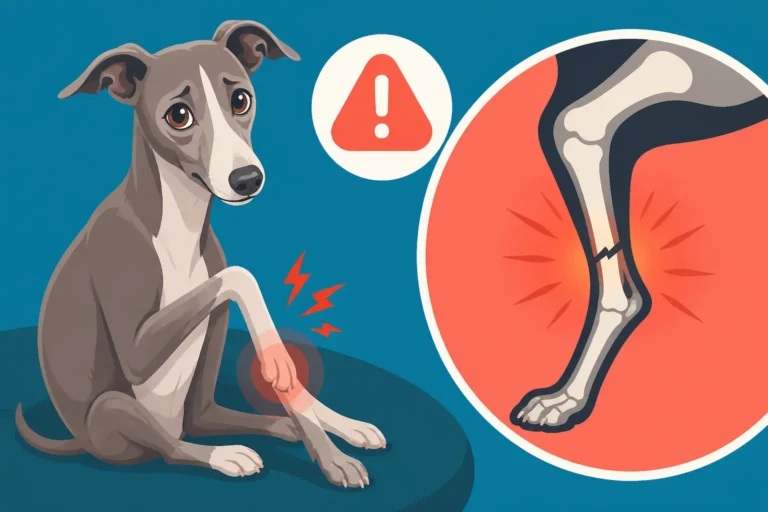
Unlike many other breeds, Italian Greyhounds possess exceptionally fine, slender bones, especially in their forelegs. Their radius and ulna – the two long bones in their lower front leg – are particularly vulnerable. These bones are relatively thin and often have limited muscle mass around them to act as a protective cushion. This means that when an Italian Greyhound sustains an impact, the force isn't absorbed by a thick layer of tissue; instead, it's transferred directly to the bone, often resulting in a clean break or even a comminuted (shattered) fracture. You might hear people talk about "why an Italian Greyhound's radius is the bone that breaks," and it’s precisely because this area is so slender and exposed.
Compounding this is their paper-thin skin. When a fracture occurs, especially one with sharp bone fragments, it's not uncommon for the bone to pierce through the skin, turning a closed fracture into a much more complicated open fracture. This immediately introduces a high risk of infection and significantly complicates the surgical repair and healing process. Owners often don't realize just how delicate their skin is until an accident happens, making even small injuries a big deal.
Common Scenarios Leading to Drops and Fractures
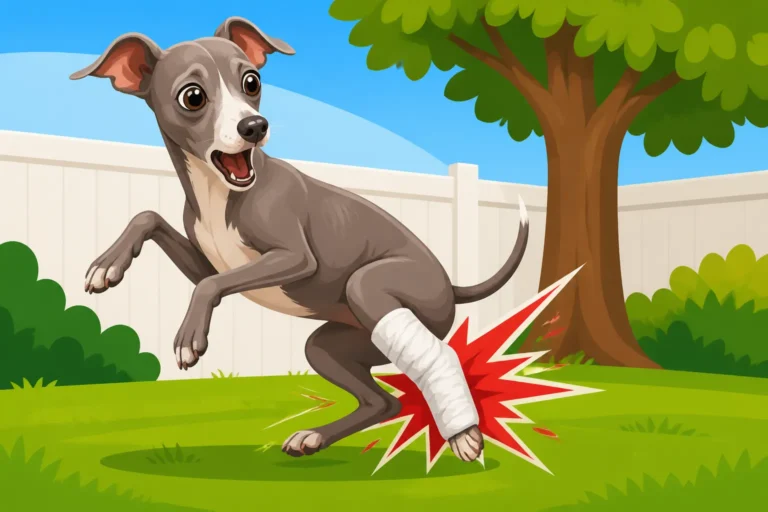
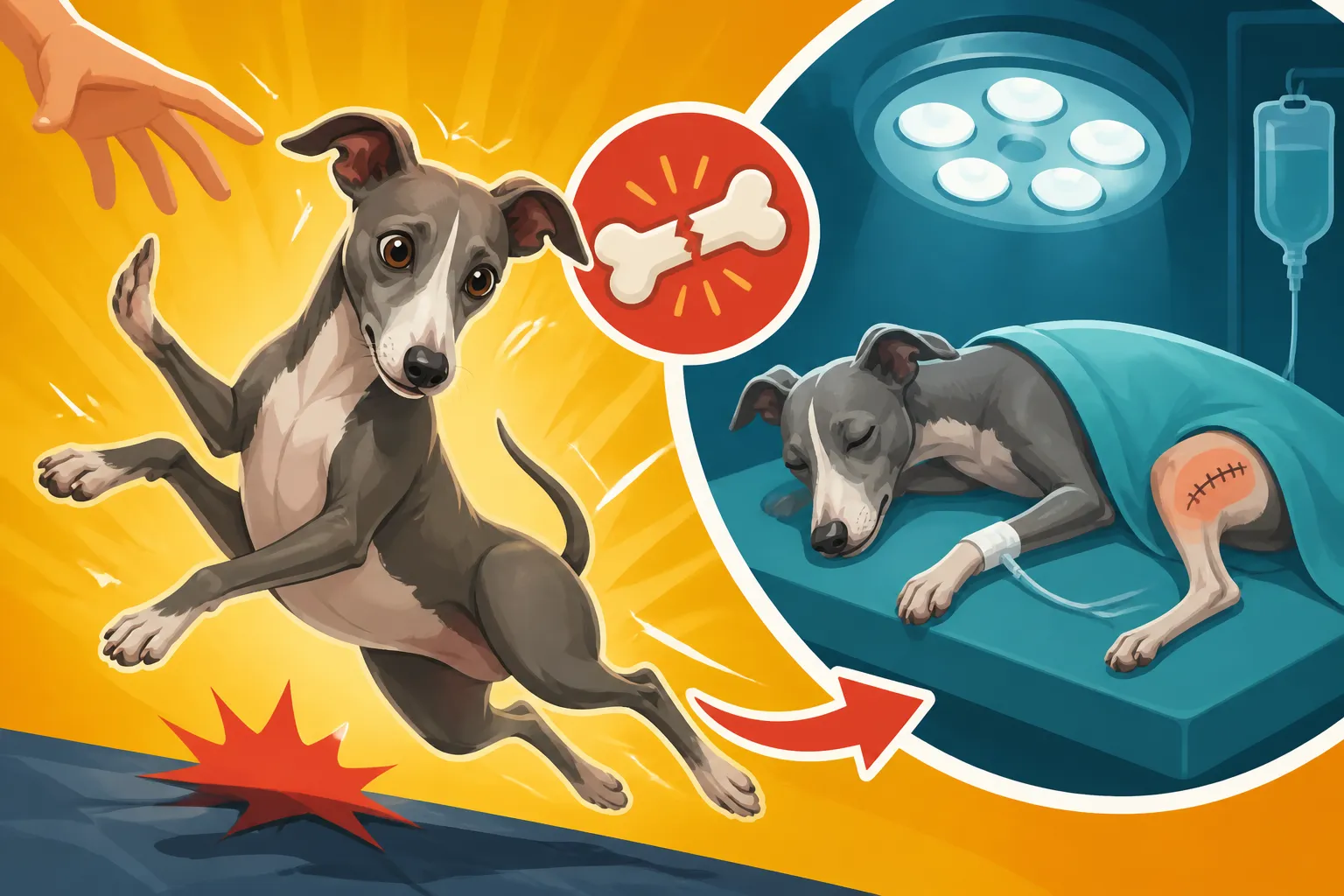
It's natural to think that severe falls are needed to break a bone, but for an Italian Greyhound, everyday occurrences can be catastrophic. The most common scenario leading to a fractured leg from a drop is when an Italian Greyhound jumps or falls from a person's arms. This often happens unexpectedly – a sudden twist, a wiggle, or a startled jump can lead to a quick loss of grip. Owners may underestimate their dog's ability to squirm or their independent streak when held, especially if they spot something interesting or get a fright.
Another common situation is when an Italian Greyhound slips from a piece of furniture, like a sofa or bed, while being lifted or when attempting to jump down themselves. Their long, slender legs are not designed for clumsy landings, and even a short fall from a relatively low height can exert immense pressure on their delicate bones. Imagine them twisting in mid-air and landing awkwardly – the forces involved can be truly devastating. This is why many experienced Italian Greyhound owners are incredibly vigilant about teaching an Italian Greyhound not to jump down and will install ramps and steps for an Italian Greyhound's furniture to minimize these risks. Even something as innocent as being startled by a doorbell while being held can cause them to lurch and slip from your grasp, leading to an immediate emergency.
Why Fractures Almost Always Require Surgical Intervention
When an Italian Greyhound breaks a leg, the options for treatment are usually stark: surgical intervention is almost always the only viable path to a successful recovery. This isn't just because their bones are fragile, but because the nature of the breaks they sustain and their active temperament demand the highest level of stabilization to heal correctly.
Understanding the Types of Fractures in Italian Greyhounds
Italian Greyhounds, due to their unique bone structure and the forces involved in falls, often suffer from complex fractures. Simple, clean breaks are rare. Instead, vets frequently see spiral fractures, where the bone is twisted apart; oblique fractures, which are angled breaks; or, most challenging of all, comminuted fractures, where the bone shatters into multiple pieces. These types of breaks are inherently unstable. A spiral fracture, for instance, means the bone fragments are essentially corkscrewed, making it impossible to align and stabilize properly with just an external cast.
Furthermore, the force of a fall can sometimes cause growth plate fractures in younger Italian Greyhounds, which are breaks that occur in the soft areas at the ends of the long bones where growth takes place. These require specialized attention to prevent long-term lameness or limb deformities as the puppy grows. Given how young many Italian Greyhounds are when they break a leg, often under the age when an Italian Greyhound's bones finish hardening, these growth plate injuries are a significant concern. The complexity of these fractures makes a non-surgical approach highly risky, as improper healing can lead to chronic pain, decreased mobility, and even amputation.
The Necessity of Internal Fixation for Proper Healing
Given the instability of most Italian Greyhound fractures, internal fixation becomes crucial. This involves surgically implanting medical-grade hardware – such as bone plates, screws, pins, or an external fixator – directly into or onto the bone fragments. The goal is to provide rigid, unwavering stability to the broken bone segments, holding them perfectly aligned while they knit back together.
Bone plates, for example, are contoured pieces of metal secured to the outside of the bone with multiple screws. This creates an internal scaffold that allows the bone to heal without any movement at the fracture site. Pins can be used either internally (intramedullary pins) or as part of an external fixator, where pins pass through the skin and are connected to an external frame. For Italian Greyhounds, especially with their narrow bones, custom-sized plates and screws are often necessary, and finding a surgeon who has plated an Italian Greyhound becomes paramount. Without this rigid internal support, the delicate bone fragments would move, preventing the formation of new bone and leading to a non-union (the bone fails to heal) or malunion (the bone heals in an incorrect position), which can be even more debilitating than the original break.
The Complications of Conservative Treatment
While a cast or splint might seem like a simpler, less invasive option, it rarely works effectively for an Italian Greyhound's leg fracture, especially those of the radius and ulna. There are several reasons for this:
First, the conical shape of an Italian Greyhound's lower leg makes it incredibly difficult to apply a cast that provides sufficient stability without slipping or causing pressure sores. Their legs taper significantly, meaning a cast applied snugly at the bottom might become loose higher up, allowing movement at the fracture site.
Second, Italian Greyhounds are typically active, even when injured. Despite signs an Italian Greyhound has broken a leg, they might still attempt to use it, exacerbating the problem. A cast alone is simply not strong enough to withstand their natural movements, often leading to cast sores, swelling, or re-injuring the limb. Plus, their fine skin is prone to irritation and ulceration under a tightly applied cast, potentially leading to painful complications and infection.
Finally, the type of fracture commonly seen in Iggies – spiral or comminuted – requires multi-directional stability that a cast cannot provide. A cast offers external support, but it cannot rigidly hold complex bone fragments in perfect alignment. This means that despite best efforts, a cast often results in poor healing, prolonged recovery, or even a need for amputation down the line. That's why many vets will tell you why a cast rarely holds on an Italian Greyhound, pushing directly for surgical repair.
The Surgical Process and Post-Operative Care Journey
The decision for surgery, while daunting, is often the beginning of a long but ultimately rewarding journey toward recovery. Understanding what this process entails, from the operating room to the home, can help owners feel more prepared and ensure the best possible outcome for their beloved Italian Greyhound.
What to Expect During Fracture Surgery
Once a fracture is diagnosed via X-rays and your vet confirms the need for surgery, a referral to a board-certified veterinary orthopedic surgeon is almost always recommended. These specialists have the expertise and equipment to handle complex bone repairs, especially on a delicate breed like the Italian Greyhound. Before surgery, your dog will undergo pre-anesthetic bloodwork to ensure they are healthy enough for the procedure. Remember, why anesthesia is handled differently in an Italian Greyhound is a crucial consideration, given their low body fat and sensitivity to certain drugs. The surgical team will carefully monitor them throughout the procedure.
During the surgery, the orthopedic surgeon will meticulously realign the broken bone fragments and then implant the chosen fixation method – often a bone plate with screws – to stabilize the fracture. This can be a delicate and time-consuming procedure, sometimes lasting several hours, depending on the complexity of the break. The surgeon's experience, particularly with sighthound anatomy, is paramount. You want a specialist who truly understands the nuances of these fine-boned creatures. The cost of this specialized care can be substantial, which is why considering options like pet insurance from providers like Healthy Paws can be a real lifesaver when such emergencies strike.
Navigating the Recovery: Crate Rest and Rehabilitation
The post-operative period is just as critical as the surgery itself, demanding immense dedication and patience from owners. Your Italian Greyhound will likely go home with pain medication, anti-inflammatories, and possibly antibiotics. The most challenging aspect of recovery is strict confinement. This means your Italian Greyhound must be kept in a small crate or pen, only let out for short, controlled potty breaks on a leash, for weeks, sometimes months. This period of "how long an Italian Greyhound stays crated after surgery" is non-negotiable for proper bone healing. Even slight movements can compromise the surgical repair.
During this time, you'll need to monitor the incision site for signs of infection, administer medications, and attend follow-up vet appointments for X-rays to assess healing progress. Once the initial healing is well underway, your vet may recommend a gradual introduction of controlled exercise, often under the guidance of a veterinary physical therapist. This rehabilitation is crucial for rebuilding muscle strength, improving range of motion, and ensuring that whether an Italian Greyhound regains full use of the leg. This entire recovery journey can be physically and emotionally draining for both dog and owner, but it's essential for a full and functional recovery.
Preventing Drops and Protecting Your Italian Greyhound
The best treatment for a fractured leg is prevention. While accidents can happen, there are many proactive steps you can take to significantly reduce the risk of your Italian Greyhound suffering a devastating fall. Their delicate nature requires a heightened level of awareness and a commitment to creating a safe environment.
Safe Handling Techniques
Learning how to pick up and carry your Italian Greyhound safely is fundamental. Always use both hands, supporting their chest and hindquarters, ensuring their body is fully supported and they feel secure. Avoid holding them with just one arm or allowing them to dangle, as this puts immense strain on their fragile bones and increases the risk of them wriggling free. When lifting them down from furniture or out of your arms, always set them gently onto a stable surface, never letting them jump or fall even a short distance. Think of it as handling a precious, delicate antique – with utmost care and attention.
It's also important to anticipate their movements. Italian Greyhounds can be surprisingly quick and agile, even when held. If they get excited or startled, they might try to jump out of your arms. Be mindful of their surroundings and try to avoid situations where sudden noises or movements could cause them to panic while being held. For instance, if you're in a busy public place, it might be safer to keep them in a secure carrier rather than carrying them openly, where an unexpected sound could lead to a disastrous fall.
Creating a Safe Home Environment
Your home, a haven for you, can be a minefield for an Italian Greyhound if not properly prepared. One of the most critical steps is to install ramps and steps for an Italian Greyhound's furniture. This removes the temptation for them to jump on or off sofas and beds, significantly reducing fracture risk. Even a small jump can be dangerous, especially on slippery flooring. Consider placing non-slip rugs on hard floors in areas where your Italian Greyhound runs or jumps to provide better traction.
Beyond furniture, you also need to think about who interacts with your dog. It's a hard truth, but why children should not carry an Italian Greyhound is a lesson learned by too many families through heartbreaking accidents. Children, no matter how well-meaning, often lack the coordination, strength, and consistent awareness to safely handle such a fragile breed. Supervision is key, and teaching children to interact with your Italian Greyhound only when it's on the floor is a must. Furthermore, during their critical development phase, it's wise to consider restricting an Italian Greyhound under two from high-risk activities or environments, as their bones are still hardening and are even more vulnerable. Proactive measures in their environment are the best insurance against a painful and costly injury.
| Fracture Type | Description | Typical Treatment for Italian Greyhounds | Prognosis (with proper treatment) |
|---|---|---|---|
| Spiral Fracture | Bone broken by a twisting force, creating a helical line of fracture. Often unstable. | Surgical internal fixation (bone plates, screws). | Good, but requires strict confinement. |
| Oblique Fracture | Break at an angle to the long axis of the bone. Can be stable or unstable depending on angle. | Surgical internal fixation (bone plates, screws, pins). | Good, similar to spiral fractures. |
| Transverse Fracture | Clean break straight across the bone. More stable than spiral/oblique, but still challenging. | Surgical internal fixation often preferred, sometimes external fixation. | Good. |
| Comminuted Fracture | Bone shattered into three or more pieces. Very unstable and complex. | Highly complex surgical internal fixation (multiple plates, screws, pins). | Guarded to good, longer recovery. |
| Open Fracture | Bone breaks through the skin, exposing the bone to the environment. High risk of infection. | Emergency surgical repair, extensive cleaning, antibiotics, internal fixation. | Guarded, high risk of complications. |
| Growth Plate Fracture | Break in the cartilage growth plate of a young, growing dog. | Surgical repair, careful alignment to prevent growth deformities. | Good, but monitor for limb length discrepancies. |
Why dropping an Italian Greyhound means surgery isn't a hyperbolic statement; it's a stark reality rooted in their delicate physiology and the unforgiving nature of bone trauma. While the prospect of surgery and a long recovery can be intimidating, understanding the risks and taking proactive preventative measures can significantly reduce the chances of your cherished companion ever experiencing such a devastating injury. Investing in preventative tools like ramps and understanding proper handling techniques are crucial. And for those unpredictable moments, having robust pet insurance like Healthy Paws can alleviate the financial stress of the often considerable "what fracture repair costs on an Italian Greyhound" and allow you to focus solely on your dog's recovery.
Disclaimer
The information provided in this guide is for general educational purposes only and should not be considered a substitute for professional veterinary advice, diagnosis, or treatment. Always seek the advice of your veterinarian or other qualified animal health provider with any questions you may have regarding a medical condition or treatment for your pet.