Warming an Italian Greyhound Through Surgery
The thought of your precious Italian Greyhound going in for surgery is enough to make any owner's heart race. Beyond the immediate worry about the procedure itself, there's a unique concern for our sighthound friends: keeping them warm. Their delicate physiology makes them particularly susceptible to hypothermia under anesthesia, which can lead to a host of complications. This guide will walk you through why Italian Greyhounds face this challenge and what measures veterinary professionals and owners can take to ensure they stay cozy and safe throughout the surgical process.
The Italian Greyhound's Unique Susceptibility to Cold During Surgery
It's no secret that Italian Greyhounds are built a little differently than many other dog breeds. Their sleek, refined appearance isn't just for show; it's a testament to their incredibly lean body composition. While this makes them elegant and agile companions, it also presents distinct challenges, especially when it comes to regulating their body temperature, particularly during surgical procedures. Understanding these physiological nuances is the first step in advocating for their best care.
Why an Italian Greyhound Carries Almost No Body Fat
One of the most defining characteristics of an Italian Greyhound is their minimal body fat. Unlike breeds with thick insulation, an Iggy's skin lies close to their muscle and bone, offering very little in the way of natural warmth. Imagine trying to stay warm in winter wearing only a thin t-shirt; that's essentially the challenge our Iggys face all the time, amplified under anesthesia. This lack of subcutaneous fat means they have very little "reserve" to generate or maintain body heat. Their metabolism, while efficient for bursts of speed, isn't designed for sustained internal heating in the absence of insulating fat. This is a critical factor in why an Italian Greyhound carries almost no body fat, making them particularly vulnerable to environmental temperature drops.
Furthermore, their large surface area relative to their small body mass means that heat can dissipate from their bodies very quickly into the surrounding environment. Think of a hot potato versus a hot pea – the pea cools down much faster because it has more surface exposed for its size. For a tiny Italian Greyhound, this means rapid heat loss, especially in a cool surgical suite. This is often why a nine pound Italian Greyhound gets cold on the table, even if the room doesn't feel overtly chilly to us.
How Anesthesia Impacts Thermoregulation in Italian Greyhounds
General anesthesia, while a life-saving tool, has a profound impact on a dog's ability to regulate its own body temperature, and this effect is often more pronounced in sighthounds. Anesthetic drugs directly interfere with the hypothalamus, the part of the brain responsible for controlling body temperature. It essentially "resets" the body's internal thermostat to a lower setting, making the dog less likely to shiver or constrict blood vessels to conserve heat.
Beyond this central effect, anesthesia also causes vasodilation (widening of blood vessels), particularly in the skin. This allows more warm blood to flow closer to the surface, accelerating heat loss to the environment. Coupled with the fact that surgical procedures often expose internal organs or involve large areas of clipped skin, the potential for heat loss skyrockets. Muscles, which normally generate heat through activity, become relaxed and inactive under anesthesia, further reducing internal heat production. For these reasons, anesthesia is handled differently in an Italian Greyhound, with a heightened focus on preventing hypothermia from the moment sedation begins. It’s also important to consider whether an Italian Greyhound gets cold under sedation even before surgery fully starts.
The Dangers of Hypothermia During Italian Greyhound Surgery
When an Italian Greyhound's body temperature drops below normal (a condition known as hypothermia) during or after surgery, it's not just about feeling a little chilly. Hypothermia can set off a cascade of physiological problems that can seriously complicate recovery and even pose risks to their overall health. Understanding these dangers helps underscore the critical importance of proactive warming protocols.
Delayed Recovery and Impaired Drug Metabolism
One of the most immediate and noticeable effects of hypothermia is a significantly delayed recovery from anesthesia. When a dog is cold, its metabolism slows down, which means the body takes much longer to process and eliminate anesthetic drugs from its system. This can lead to a prolonged anesthetic recovery period, where your Italian Greyhound remains groggy, disoriented, and sleepy for far longer than usual. It can be incredibly worrying for owners to see their beloved pet take so long to wake up, and it also increases the risk of complications associated with prolonged sedation, such as aspiration or prolonged immobility.
Moreover, the efficacy of certain medications can be affected by body temperature. Antibiotics, for instance, may not work as effectively in a hypothermic patient, which is a serious concern when preventing post-surgical infections. The body's entire biochemical machinery relies on a stable temperature to function optimally, and when that balance is disrupted, everything from drug absorption to cellular repair can be compromised. This is why vigilance in warming an Italian Greyhound through surgery is so crucial.
Increased Risk of Surgical Complications
Beyond a slower wake-up, hypothermia significantly elevates the risk of various surgical complications. For a breed already prone to certain delicate health issues, these risks are even more concerning.
- Increased Bleeding: Cold temperatures can impair the blood's ability to clot effectively. This means that surgical sites may bleed more, potentially leading to increased blood loss during the procedure and a higher chance of hematoma formation post-operatively.
- Higher Infection Rates: A colder body temperature can suppress the immune system, making your Italian Greyhound more vulnerable to bacterial infections at the surgical incision site. The body's natural defenses are simply not as robust when it's struggling to stay warm.
- Cardiac Issues: Hypothermia can put stress on the heart, potentially leading to arrhythmias (irregular heartbeats) or other cardiovascular problems. For a small, delicate breed like the Italian Greyhound, maintaining stable heart function throughout surgery is paramount.
- Kidney Strain: Reduced blood flow and metabolic changes due to hypothermia can also put a strain on the kidneys, potentially affecting their function, especially if your Iggy has any underlying kidney issues.
These complications can lead to longer hospital stays, the need for additional treatments, and a more stressful recovery period for both dog and owner. It also contributes to the overall expense, as a longer recovery or secondary complications can mean additional vet bills. Thinking ahead about how owners finance an Italian Greyhound emergency can help ease some of this burden.
Veterinary Strategies for Warming an Italian Greyhound Through Surgery
Given the significant risks, responsible veterinary practices employ a range of sophisticated strategies to keep Italian Greyhounds warm and safe during every stage of their surgical journey. These aren't just "nice-to-haves"; they are essential components of safe sighthound anesthesia. When choosing a veterinary clinic, especially for a specialized breed like an Iggy, it's vital to ensure they have these protocols in place. This is part of why an Italian Greyhound's vet should know sighthounds.
Advanced Warming Technologies in the Operating Room
Modern veterinary medicine has developed several effective methods for active warming, which directly add heat to the patient's body. These methods are crucial for maintaining core body temperature in vulnerable breeds.
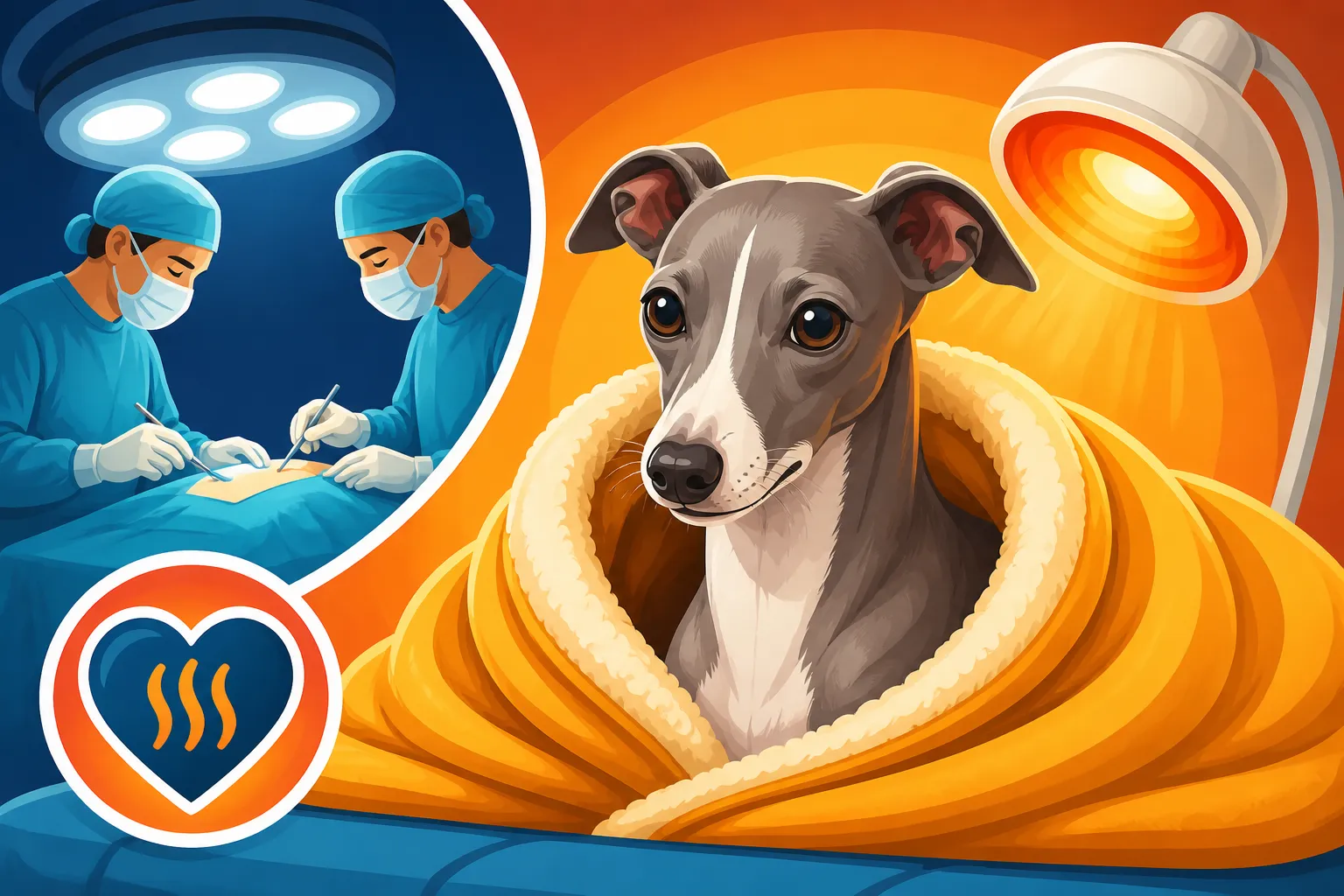
- Forced-Air Warming Systems: Often referred to by brand names like Bair Hugger, these systems use a controlled flow of warm air through a specialized blanket placed over or around the patient. The warm air circulates, gently heating the body without direct contact, ensuring even heat distribution and minimizing the risk of burns. This is one of the most common and effective methods used in surgical settings.
- Circulating Warm Water Blankets: These blankets have channels through which warm water continuously circulates. The patient lies on top of the blanket, receiving consistent conductive heat. These are excellent for direct contact warming and can be used on the surgical table or in recovery.
- Warm Intravenous Fluids: Administering IV fluids that have been pre-warmed to body temperature (or slightly above) helps to maintain internal core temperature. This prevents the chilling effect that cold fluids can have when introduced directly into the bloodstream. Many clinics have fluid warmers specifically for this purpose.
- Heated Surgery Tables: Some operating tables are equipped with built-in heating elements that provide a warm surface for the dog to lie on. This helps to prevent conductive heat loss to the cold steel of the table.
- Incubators and Warm Recovery Cages: For post-operative recovery, especially after extensive procedures, specialized incubators or recovery cages with precisely controlled temperature and humidity are often used. These provide a safe, warm, and quiet environment for the Italian Greyhound to gently wake up.
These active warming methods are often used in combination to provide comprehensive thermal support. The veterinary team constantly monitors the Italian Greyhound's body temperature using rectal or esophageal probes to ensure it stays within a safe range, making adjustments as needed.
Post-Operative Warming and Monitoring
The work doesn't stop once the surgery is over. The immediate post-operative period is just as critical for maintaining warmth and ensuring a smooth recovery. As your Italian Greyhound begins to emerge from anesthesia, their ability to regulate their own temperature is still compromised, and they are likely to continue losing heat.
- Continued Active Warming: Many of the warming technologies used during surgery, such as forced-air blankets or warm water blankets, are continued in the recovery area. The goal is to gradually bring their core temperature back to normal before discontinuing active support.
- Insulation and Comfort: Layers of soft, clean blankets are vital. These can be pre-warmed in a dryer or with a heat lamp (used carefully to avoid overheating). Snuggly blankets provide both warmth and a sense of security, which is important for a sensitive breed coming out of anesthesia.
- Regular Temperature Checks: Veterinary technicians will routinely monitor your Italian Greyhound's temperature, typically every 15-30 minutes, until it stabilizes within a normal range. This vigilance helps catch any drops in temperature quickly so interventions can be made.
- Gentle Handling and Quiet Environment: A calm, quiet recovery area with minimal disturbances is crucial. Stress can actually elevate metabolic rate initially but ultimately lead to exhaustion and further heat loss. Gentle handling ensures comfort and minimizes agitation as they regain awareness. Remember that how slowly an Italian Greyhound wakes from anesthesia can be quite different from other breeds, and patience is key.
Here's a quick overview of warming methods:
| Method | Type | How It Works | Pros | Cons |
|---|---|---|---|---|
| Forced-Air Warmer | Active | Warm air circulates through a specialized blanket. | Even heat distribution, non-invasive, highly effective. | Requires specialized equipment, can be noisy. |
| Circulating Water Blanket | Active | Warm water flows through channels in a mat the patient lies on. | Direct, consistent conductive heat, quiet. | Requires specialized equipment, less flexible than air blankets. |
| Warmed IV Fluids | Active | Intravenous fluids are heated before administration. | Prevents internal cooling, supports hydration. | Requires fluid warmer, only works with IV access. |
| Heated Surgery Table | Active | Table surface has integrated heating elements. | Prevents conductive heat loss to the table. | Stationary, only provides heat from below. |
| Thermal Blankets/Towels | Passive | Multiple layers of insulating material. | Simple, inexpensive, provides comfort. | Does not actively generate heat, can get soiled. |
| Bubble Wrap | Passive | Air-filled plastic provides insulation. | Excellent insulator, readily available. | Less comfortable than fabric, can be noisy. |
What Owners Can Do to Help Before and After Surgery
As Italian Greyhound owners, we play an integral role in ensuring our dogs receive the best possible care, especially around surgical procedures. While the veterinary team handles the medical specifics, there are proactive steps we can take to prepare our Iggys and support their recovery at home.
Pre-Surgery Preparations and Questions for Your Vet
Before your Italian Greyhound goes in for surgery, open and honest communication with your veterinarian is paramount. Don't be shy about asking questions and expressing your specific concerns about their delicate nature.
- Discuss Anesthesia Protocols: Ask your vet about their specific anesthesia protocol for sighthounds. Inquire about the types of anesthetic agents they use, as some can have a more pronounced effect on body temperature or recovery time in Italian Greyhounds. Ensure they understand why anesthesia is handled differently in an Italian Greyhound.
- Inquire About Warming Plans: Explicitly ask what methods they will use to keep your Iggy warm before, during, and after the surgery. Knowing they have a robust plan in place, utilizing things like forced-air warmers, circulating water blankets, and warm IV fluids, can provide immense peace of mind.
- Pre-Anesthetic Bloodwork: Ensure comprehensive bloodwork before an Italian Greyhound's anesthesia is performed. This provides crucial information about organ function and overall health, helping the vet tailor the anesthetic protocol and identify any potential risks that could complicate recovery or temperature regulation. This baseline understanding is vital.
- Health and Weight: Discuss your Iggy's current health, any medications they are on, and their precise weight. Even being slightly underweight can make them more susceptible to hypothermia. If your dog is a little on the thin side, your vet might have specific recommendations for pre-op nutrition.
- Financial Planning: Surgeries, especially unexpected ones, can be costly. Consider discussing potential costs and payment options with your vet beforehand. Many owners find pet insurance, such as Healthy Paws, to be incredibly valuable for covering unexpected veterinary expenses, including surgical procedures and associated care. Knowing you have financial support can ease stress during an already difficult time.
Creating a Warm and Safe Home Recovery Environment
Once your Italian Greyhound is cleared to come home, your job as chief comfort officer begins! The goal is to provide a warm, safe, and stress-free environment that supports their continued recovery and prevents any post-operative chills.
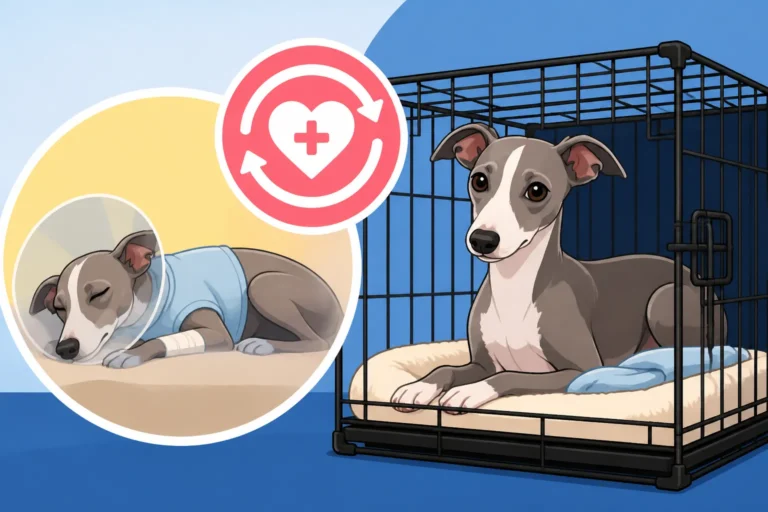
- Prepare a Cozy Recovery Space: Designate a quiet, warm area for your Iggy to recover. This should be away from drafts and bustling household activity. Think about a crate lined with soft, pre-warmed blankets, or a dog bed piled high with snuggly throws. Remember that an Italian Greyhound barely has any body fat, so insulation is key.
- Provide Ample Bedding: Italian Greyhounds love to burrow, and this instinct is even stronger when they're recovering and feeling vulnerable. Offer plenty of soft, thick blankets for them to tunnel into. Consider a self-warming pet bed or a heated bed (used carefully and according to manufacturer instructions, especially if your dog is still groggy) to provide continuous, gentle warmth. Ensure any bedding is clean and dry.
- Monitor Temperature and Behavior: Keep a close eye on your Iggy's behavior. Shivering, lethargy, or reluctance to move could be signs they are still feeling cold. If you have a pet thermometer, you can take their temperature as advised by your vet. Follow all post-operative instructions carefully, including medication schedules and activity restrictions.
- Layer Up When Outdoors: Even for brief potty breaks, ensure your Italian Greyhound is wearing a sweater or coat, especially if the weather is cool. Their post-surgical immune system will appreciate the extra protection, and you want to avoid any regression in their core temperature.
- Hydration and Nutrition: Make sure fresh water is always available. Offer small, frequent meals of easily digestible food, as recommended by your vet. A well-hydrated and nourished dog will recover better.
- Ongoing Support and Care: If complications arise, or you have concerns about the cost of unforeseen follow-ups, remember that pet insurance, like Healthy Paws, can be a crucial safety net, helping you afford the best possible care without added financial strain during an already stressful time.
By understanding the unique challenges Italian Greyhounds face and actively participating in their care before and after surgery, you can significantly contribute to a smoother, safer, and warmer recovery.
Disclaimer
The information provided in this guide is for general informational purposes only and does not constitute veterinary medical advice. Always consult with a qualified veterinarian for any health concerns or before making any decisions related to your pet's care, especially concerning surgical procedures and anesthesia.