Why an Italian Greyhound Has a Small Bladder
If you've ever found yourself wondering if your Italian Greyhound's bladder is the size of a thimble, you are absolutely not alone. Many Italian Greyhound owners feel like they're constantly taking their little dog outside, only for an accident to happen just minutes later indoors. This common frustration often leads to questions about their unique physiology and behavior. This guide will delve into the various reasons why Italian Greyhounds seem to have such small bladders, from their delicate anatomy to behavioral quirks and potential health considerations, offering realistic insights and management strategies to help you and your petite companion.
Understanding the Italian Greyhound's Bladder Capacity
It’s easy to look at an Italian Greyhound and assume their tiny size automatically means a tiny bladder. While there’s some truth to that, it’s not just about physical dimensions. Their physiology, metabolism, and even their unique growth patterns play significant roles in how often they need to relieve themselves.
Anatomy and Physiology of a Small Dog's Bladder
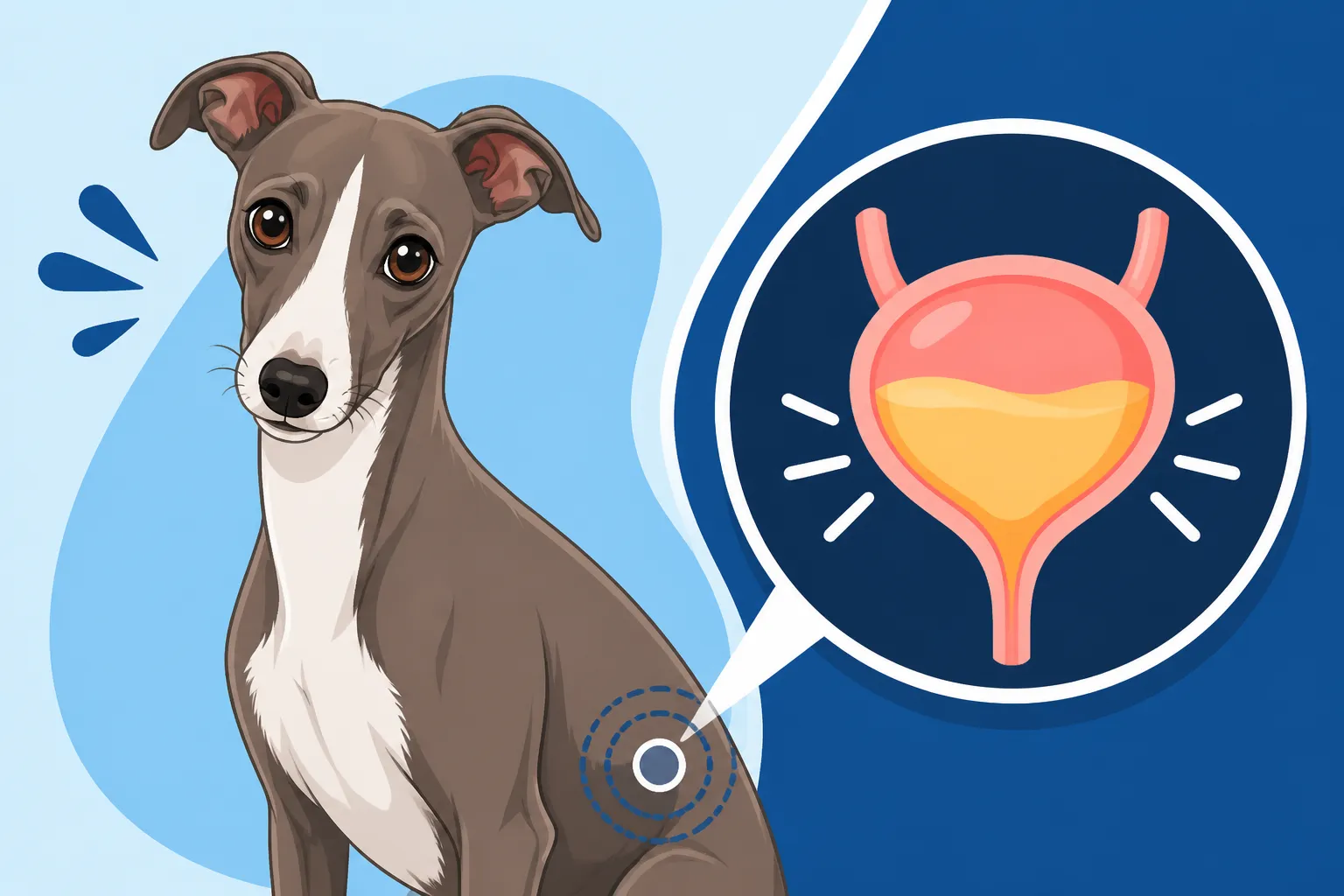
Italian Greyhounds are indeed a small breed, typically weighing between 7 to 14 pounds. It stands to reason that their internal organs, including their bladder, are proportionately smaller than those of a larger dog. A smaller bladder simply holds less urine volume before it signals to the brain that it needs to be emptied. This isn't a defect; it's just how their delicate bodies are built. Think about it – a Great Dane's bladder is vastly different from an Italian Greyhound's, designed to hold far more. This inherent physical limitation means they genuinely can't "hold it" for as long as many other breeds.
Beyond size, the muscle tone of the bladder itself can also influence how long an Italian Greyhound can delay urination. While not always a medical issue, some IGs might have bladder muscles that aren't as robust or developed for prolonged retention, making them feel the urge more acutely and more frequently. Their lightweight, fine-boned structure contributes to an overall delicate system that simply functions differently from more robust breeds.
Metabolism and Hydration: How IGs Process Fluids
Italian Greyhounds, like many sighthounds, tend to have a higher metabolism compared to some other dog breeds. This means their bodies process food and water at a relatively faster rate. A quicker metabolism can lead to more frequent urination as their system works efficiently to filter waste products and maintain hydration. If your IG is particularly active or prone to zoomies, their metabolic rate might be even higher on those days, requiring more frequent water intake and, consequently, more potty breaks.
Consider their hydration habits too. Some Italian Greyhounds are excellent drinkers, staying well-hydrated throughout the day. While this is great for their overall health, it naturally means more liquid needs to be expelled. It's a delicate balance; you certainly don't want to restrict water, as dehydration can lead to serious health issues. Instead, understanding that a well-hydrated IG will simply need to urinate more often helps manage expectations. They are also prone to shivering when cold, which can sometimes increase the urge to urinate as their body works to regulate temperature.
Growth and Development: Puppy Bladder vs. Adult Bladder
Just like human babies, Italian Greyhound puppies have even smaller bladders and less developed bladder control muscles than adults. This is why you'll find yourself taking an Italian Greyhound puppy out every hour, sometimes even more frequently, especially after waking up, eating, or playing. A good rule of thumb for puppies is that they can generally hold their bladder for about one hour per month of age, up to a certain point. So, a four-month-old puppy might only manage four hours, and that's often a generous estimate for an IG.
The challenge intensifies with an Italian Greyhound puppy because they often prefer not to go out in anything less than perfect weather, which can stall housetraining progress. For detailed information on this, you might find How Often an Italian Greyhound Puppy Needs Out helpful. It’s critical to remember that bladder control is a developmental process. It takes time for their bodies to mature and for them to learn to associate the sensation of a full bladder with holding it until they are in an appropriate potty spot. Don't expect your eight-week-old puppy to sleep through the night without a potty break; it’s just not physically possible for them.
Behavioral Factors That Mimic a Small Bladder
It’s not always just about the physical size of the bladder. Italian Greyhounds have some unique personality traits and behavioral tendencies that can make it seem like they have an impossibly tiny bladder, even when they might physically be able to hold it a bit longer. These behaviors are often mistaken for a lack of bladder control, adding to owner frustration.
The "I Don't Want to Go Out" Syndrome
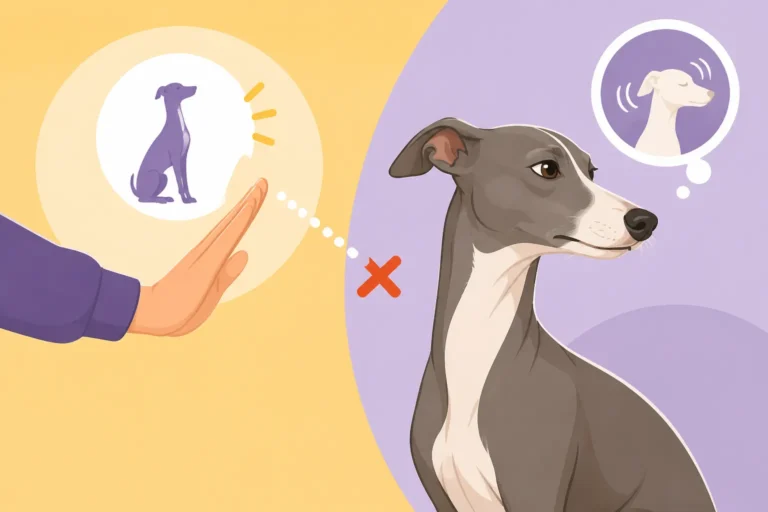
This is a classic Italian Greyhound trait. Many IGs are notoriously particular about weather conditions. Rain, cold, wind, or even just damp grass can be enough for them to plant their dainty paws and refuse to venture outside. They are, after all, extremely thin-skinned and prone to feeling the cold intensely. You might bundle them up in their warmest coat, trot them outside, only for them to do the "Italian Greyhound statue" impression, refusing to move, shivering dramatically, and then dashing back inside the moment you open the door.
The problem? They still have to go. They might genuinely need to pee, but their aversion to the elements can override that urge, at least temporarily. They'll hold it for a few more minutes, then find a convenient indoor spot – perhaps a rug, a bath mat, or even your favorite sweater – where they feel safe and warm enough to relieve themselves. This isn't usually spite; it's a conflict between physical need and strong environmental discomfort. Why an Italian Greyhound Refuses to Go Out in Rain goes into more detail on this specific challenge. This is where indoor potty solutions become incredibly useful for many IG owners, providing a warm, dry alternative.
Anxiety and Submissive Urination
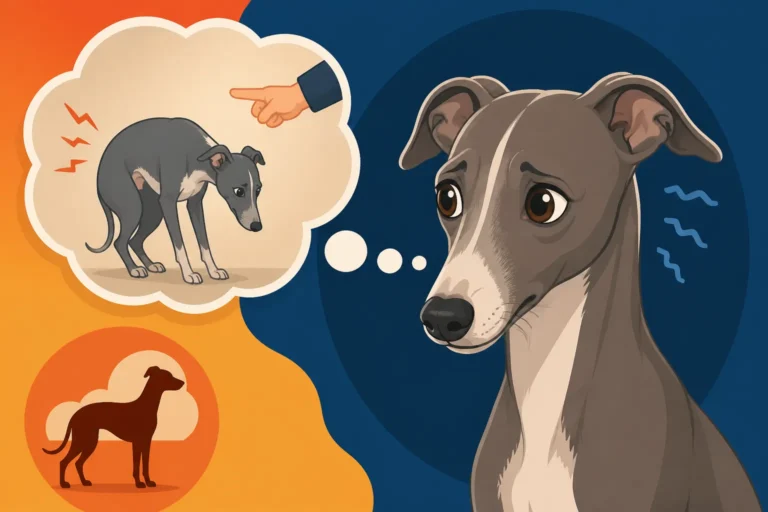
Italian Greyhounds are known for being sensitive souls. They can be prone to anxiety, especially separation anxiety, and can be quite timid or shy around strangers or in new environments. Stress and fear can manifest as inappropriate urination, often termed "submissive urination" or "excitement urination." If your IG pees a little when greeting you after you've been gone, or when meeting new people, it's often a sign of overwhelming emotion rather than a full bladder.
This behavior isn't about deliberately defying housetraining; it's an involuntary physical response to a highly charged emotional state. Loud noises, sudden movements, or even perceived reprimands can trigger it. It's crucial to approach these situations with patience and a calm demeanor, avoiding anything that might escalate their anxiety. Understanding their sensitive nature is key to navigating these accidents without further stressing your dog.
Marking Behavior: It's Not Always About Fullness
Both male and female Italian Greyhounds can engage in marking behavior, though it's more commonly observed in intact males. Marking is different from a full-bladder accident; it’s typically a small amount of urine used to scent-mark territory. This can happen indoors on furniture, corners, or new items brought into the house. It’s a communication signal, not necessarily an indication that their bladder is overflowing.
Neutering can sometimes reduce marking behavior in males, but it doesn't always eliminate it, especially if the behavior is already established. Identifying marking versus a true accident is important for effective management. If your IG is lifting a leg (or squatting with intent) to deposit small amounts of urine in multiple spots, it’s likely marking. For recurrent marking, you might want to read Why an Italian Greyhound Marks Indoors to understand the nuances and solutions. For males prone to marking indoors, a belly band can be an absolute lifesaver. You can find many effective and comfortable options on platforms like Amazon.
| Behavior Type | Primary Cause | Typical Volume of Urine | Common Triggers | Management Strategy |
|---|---|---|---|---|
| Small Bladder | Physiological limitation | Moderate to large | Time since last potty break, water intake | Frequent, scheduled potty breaks, indoor options |
| "Refusal to Go Out" | Environmental aversion | Moderate to large | Rain, cold, wind, dampness | Warm clothing, covered outdoor area, indoor pads |
| Anxiety/Submission | Emotional response (fear/excitement) | Small to moderate | Greetings, strangers, loud noises, perceived reprimands | Calm interactions, positive reinforcement, manage stress |
| Marking | Territorial communication | Small | New objects, other dog scents, intact status | Neutering (may help), belly bands, consistent cleaning |
Strategies for Managing Frequent Urination
Given the Italian Greyhound's unique challenges with bladder control, a proactive and understanding approach is vital. It’s not about "fixing" a small bladder, but about managing its implications with consistency and the right tools.
Consistent Potty Schedules and Routine
Consistency is truly the unsung hero when it comes to housetraining an Italian Greyhound, especially when dealing with what seems like an impossibly small bladder. Establishing a predictable routine from day one can make a world of difference. Your IG needs to learn when and where to go. This means taking them out first thing in the morning, immediately after waking from naps, after every meal, after play sessions, and right before bedtime. For puppies, this schedule will be much more frequent, perhaps every 30-60 minutes initially. You might be surprised by How Long Housetraining an Italian Greyhound Takes, but patience truly pays off.
The key is to always go to the same designated potty spot outdoors. Use a consistent cue word like "potty" or "go pee," and reward them enthusiastically with a high-value treat and praise the moment they finish. Don't wait until you're back inside. This immediate reinforcement helps them connect the act of eliminating in the right spot with a positive outcome. Even if they've had an accident indoors, still take them out to the proper spot afterwards. The goal is to build strong, positive associations with outdoor potty breaks.
Indoor Potty Solutions and Gear
For Italian Greyhounds, especially those who despise inclement weather, indoor potty solutions aren't a sign of failure but a practical necessity for many owners. These options provide a warm, dry, and accessible place for your dog to relieve themselves, reducing accidents and stress for both of you.
You have several choices:
- Puppy Pads: These absorbent pads are great for puppies or as a backup for adults. Place them in a consistent, easily accessible spot. They're readily available everywhere, including on Amazon.
- Indoor Grass Patches: These mimic natural grass and can be very appealing to dogs. Some are real grass, others are synthetic. They offer a more "natural" experience than a pad.
- Litter Boxes: Believe it or not, some Italian Greyhounds can be successfully litter box trained, especially if introduced early. This is a topic explored in Litter Box Training an Italian Greyhound.
When using indoor options, it’s still important to maintain a routine. Don't just leave a pad down and hope for the best; actively guide your IG to it, especially at key potty times. If you're struggling with frequent accidents despite an outdoor routine, exploring Setting Up an Indoor Bathroom for an Italian Greyhound could provide valuable insights. The goal isn't to replace outdoor walks entirely, but to offer a reliable alternative when outdoor conditions are prohibitive or when you simply can't get them out fast enough.
Training Tips for Better Bladder Control
Beyond routine, specific training techniques can help improve bladder control and communication. Teaching your Italian Greyhound to signal their need to go out is incredibly helpful. This could be by ringing a bell hanging from the doorknob, sitting by the door, or even a specific bark.
One effective strategy is "scheduled reinforcement." If your IG typically has an accident an hour after their last potty break, take them out before that hour is up. Gradually extend the time between breaks as their bladder control improves and they consistently succeed. Positive reinforcement is paramount; harsh corrections for accidents can actually set back housetraining, making your IG afraid to pee in front of you, which can lead to them hiding accidents. For a comprehensive approach to training, consider resources like BAXTER & Bella, which offer online training programs that can guide you through housetraining challenges with positive, reward-based methods. Remember, Italian Greyhounds are sensitive, and a raised voice can hinder progress.
When a Small Bladder Might Signal a Health Issue
While many frequent urination issues in Italian Greyhounds are behavioral or physiological by design, it's always important to rule out underlying medical conditions. Sometimes, what seems like a "small bladder" problem could be a symptom of something more serious that needs veterinary attention.
Urinary Tract Infections and Other Medical Concerns
One of the most common medical reasons for an increase in urination frequency, or accidents, is a urinary tract infection (UTI). UTIs can make a dog feel like they constantly need to pee, often producing only small amounts of urine each time, or even straining to go. Other symptoms of a UTI might include:
- Increased thirst
- Cloudy or foul-smelling urine
- Licking their genital area more frequently
- Blood in the urine (though this can be subtle)
- General lethargy or discomfort
Other conditions that can mimic a "small bladder" include bladder stones, kidney issues, or even diabetes (which causes increased thirst and thus increased urination). If your Italian Greyhound suddenly starts having more accidents, or if their urination pattern changes drastically, a trip to the vet is absolutely warranted. Your vet can perform a urinalysis to check for infection or other abnormalities, giving you peace of mind or an early diagnosis.
Age-Related Changes in Bladder Control
As Italian Greyhounds age, just like humans, their bodies undergo various changes. Their bladder muscles can weaken, leading to less efficient control. This can result in increased frequency of urination, especially at night, or even incontinence. An older Italian Greyhound might also develop cognitive dysfunction, where they simply "forget" their housetraining or become disoriented, leading to accidents indoors.
Conditions like kidney disease or Cushing's disease, which are more common in senior dogs, can also cause excessive thirst and urination. Caring for an Italian Greyhound Past Eleven details many of the changes you might observe in an older IG. If you notice your senior Italian Greyhound having more accidents, discuss it with your vet. There are medications and management strategies available that can help improve bladder control and quality of life for your aging companion. Providing easily accessible indoor potty options and increasing the frequency of outdoor breaks can also be very beneficial.
Seeking Veterinary Guidance
Never hesitate to consult your veterinarian if you're concerned about your Italian Greyhound's urination habits. They are the best resource for ruling out medical causes and offering tailored advice. Describe the pattern of urination – when do the accidents happen? Is it small amounts or large puddles? Does your dog seem uncomfortable? Are there any other symptoms?
Your vet might recommend a urinalysis, blood tests, or even imaging like X-rays or ultrasound to get a full picture of your dog's urinary health. Early diagnosis and treatment of any underlying medical condition can prevent more serious problems down the line. Even if it turns out to be purely behavioral, your vet can offer behavioral modification advice or refer you to a certified professional dog trainer who specializes in housetraining challenges. This partnership with your vet is crucial for ensuring your delicate Italian Greyhound stays healthy and happy.
Disclaimer
This article is for general informational purposes only and does not constitute professional advice. Laws, prices and regulations vary by location and change over time. Consult a qualified professional for guidance on your specific situation.