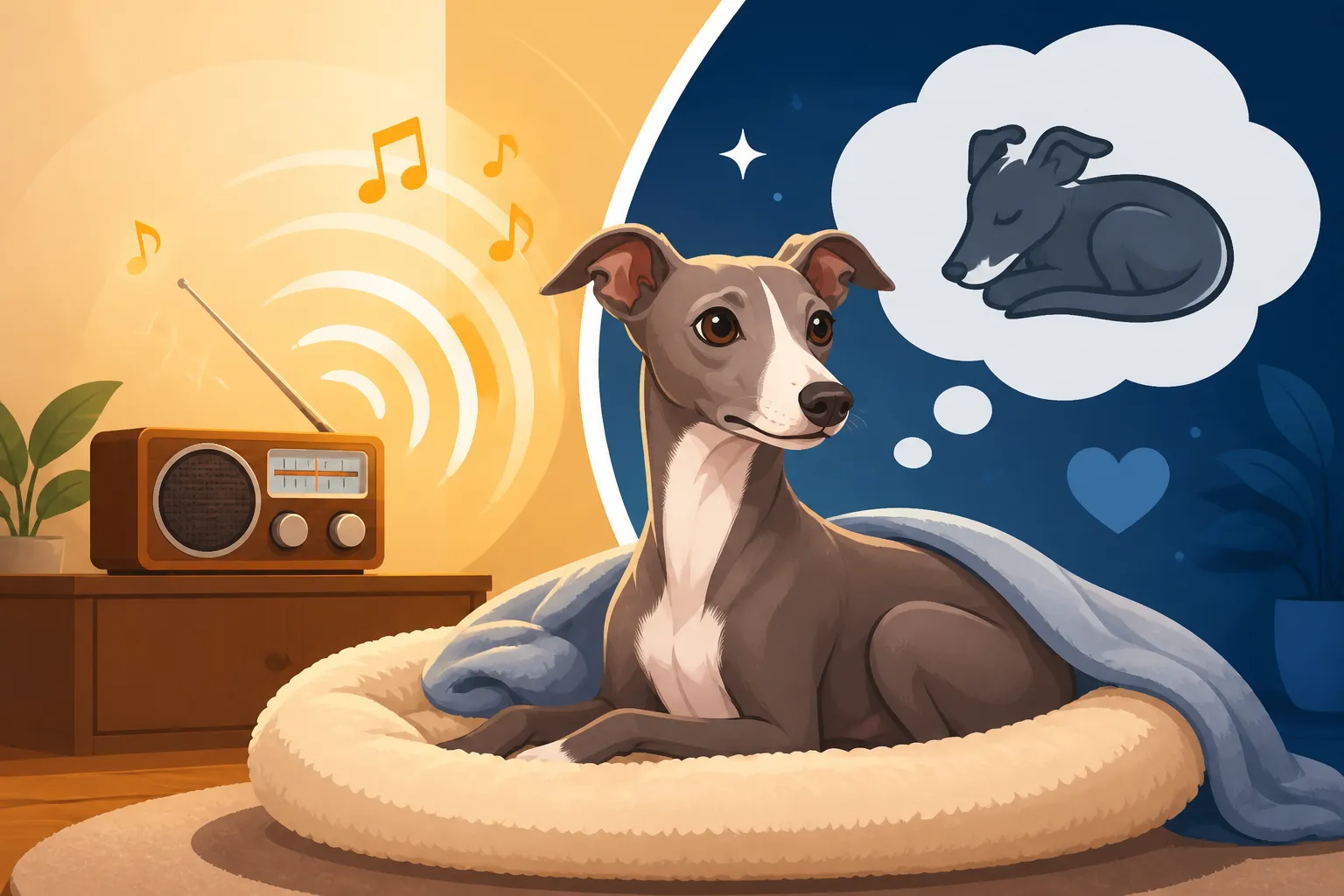
Whether Leaving the Radio On Helps an Italian Greyhound
Leaving your Italian Greyhound home alone can stir up a mix of emotions, often leaning heavily on guilt and worry. We all want our beloved Iggies to feel safe and content when we're not there, and it's a common thought to wonder if simply leaving the radio on can make a real difference. This guide delves deep into whether ambient sound, like a radio, truly helps ease an Italian Greyhound's time alone, exploring why it might work, what types of sound are best, and when you might need to look for more comprehensive solutions.
The Unique Needs of an Italian Greyhound Home Alone
Italian Greyhounds are not just dogs; they're celebrated for their deep bond with their human companions. This closeness, while incredibly endearing, also means they often struggle more than other breeds when left to their own devices. Understanding these unique sensitivities is the first step in creating a comfortable environment for them when you're away.
The Velcro Dog Phenomenon
If you own an Italian Greyhound, you know exactly what a "Velcro dog" is. These lean, loving sighthounds tend to adhere themselves to their people, following from room to room, often preferring to be touching you at all times. This isn't just a cute quirk; it's deeply ingrained in their nature. They thrive on companionship and physical closeness, which makes solo time a stark contrast to their natural inclination.
This intense attachment means that the sudden absence of their human can be genuinely distressing for an Italian Greyhound. It's not just boredom; it can be a profound sense of loss or confusion. They don't understand that you're "just going to the grocery store" or "just heading to work." To them, your departure can feel permanent, triggering anxiety. Many owners find their Iggies become quite adept at tracking their movements, often anticipating departures long before you even pick up your keys. For a deeper dive into this bond, read The Velcro Dog: What Constant Company Means With an Italian Greyhound.
Sound Sensitivity and Anxiety Triggers
Beyond the emotional attachment, Italian Greyhounds can be quite sensitive to their environment, particularly to sounds. Their sighthound heritage gives them keen senses, and while this means they're quick to spot a squirrel in the yard, it also means sudden or unfamiliar noises can startle or alarm them. A passing siren, a neighbor's loud conversation, construction next door, or even just the sudden silence in an empty house can be triggers for anxiety when they're alone.
Imagine being in a quiet house, accustomed to the comforting sounds of your family, only for a loud, unexpected bang to occur outside. For an Italian Greyhound, especially one already feeling a bit vulnerable being alone, these external noises can heighten their stress. They might interpret every unusual sound as a threat or a sign that something is wrong. This sensitivity can manifest as barking, whining, destructive chewing, or even accidents indoors, even if they are otherwise reliably housetrained. Recognizing these triggers is crucial, as addressing them directly, rather than just treating the symptoms, leads to more effective solutions.
How Background Noise Can Be a Calming Tool
Given their sensitive nature and strong need for companionship, introducing background noise into your Italian Greyhound's environment when you're gone isn't just a random idea – it can be a surprisingly effective part of their comfort routine. It works on several psychological and practical levels to make their alone time more bearable.
Masking Unwanted Sounds
One of the primary benefits of leaving the radio or other background noise on is its ability to mask sudden, jarring outside sounds. Think about it: an Italian Greyhound's hearing is incredibly sharp. Without any ambient sound in the house, every creak, every car door slamming down the street, every distant dog bark, becomes amplified and more prominent. These unexpected noises can be significant anxiety triggers, especially if your Italian Greyhound is already prone to nervousness when you're away.
By providing a steady stream of sound, you create an auditory buffer. The radio's consistent output helps to soften or even cover up those sudden external disruptions that might otherwise make your Iggy jump or start barking. It's like having a white noise machine, but with more engaging content. This can significantly reduce the instances of your Italian Greyhound being startled, allowing them to relax more fully during your absence. This masking effect contributes to a calmer overall environment, preventing them from feeling constantly on edge and listening for potential threats.
Creating a Consistent Routine
Dogs, including Italian Greyhounds, are creatures of habit. They thrive on predictability, and routines provide them with a sense of security and understanding about their day. When you leave the radio on consistently every time you depart, it can become a powerful cue that signals "Mom or Dad is leaving, but everything is okay, and they will be back." This sound becomes integrated into their routine, a familiar and reassuring element rather than a jarring change.
This consistency helps your Italian Greyhound understand what to expect. If the radio is always on when you leave, they learn to associate that sound with your eventual return, rather than associating your departure with silence and uncertainty. This predictable pattern can help reduce anticipatory anxiety – that nervous energy they might display when they sense you're getting ready to go. The act of turning on the radio can become part of your "going out" ritual, a signal that while you're leaving, their world remains safe and stable. Establishing such routines is vital for dogs who struggle with being alone, as explored further in How Long an Italian Greyhound Copes Alone.
Providing a Sense of Presence
Perhaps one of the most profound benefits of background noise for a "Velcro dog" like an Italian Greyhound is the illusion of company it provides. While they know you're not physically there, the sound of human voices or familiar music can trick their brains into feeling less isolated. It simulates the natural hum of a busy household, preventing the stark silence that can feel so deafening and lonely to an attached canine.
Think about how you might feel alone in a completely silent house versus one with soft music playing. The music fills the void, making the space feel less empty. For an Italian Greyhound, this can be incredibly comforting. The sound of a human voice, even from a radio host, can feel like a distant conversation, a reassurance that they aren't completely abandoned. It can alleviate the acute feeling of being the only living creature in the house, a sensation that often fuels separation anxiety. This simulated companionship can be a powerful tool to help them settle and even sleep more soundly while you're away.
Choosing the Right Auditory Companionship
Deciding what kind of background noise to leave on for your Italian Greyhound isn't a one-size-fits-all situation. Different types of sound offer different benefits, and what works best can depend on your individual dog's personality and the specific triggers for their anxiety.
The Classic Radio Approach
The radio is probably the most common and accessible option for background noise. Many people simply tune into a local talk radio station or a music channel. The human voices on talk radio can be particularly comforting for Italian Greyhounds who crave that sense of human presence. It mimics the natural chatter of a household and can be very reassuring. Music stations, especially those playing classical or soft instrumental music, can also be quite effective. The key is to choose something calm and consistent, avoiding stations with sudden loud commercials or dramatic shifts in sound.
When choosing a radio station, consider what your Italian Greyhound hears when you are home. If you usually have a news channel on, that might be more comforting than a rock station. Experiment with different genres. Some Iggies might find the rhythm of talk radio soothing, while others might prefer the continuous flow of instrumental music. Just be mindful of the volume; it should be audible but not overwhelming, creating a gentle ambient sound rather than a blaring distraction.
Television's Visual and Auditory Blend
If your Italian Greyhound is accustomed to having the TV on when you're home, leaving it on can provide both auditory and visual stimulation. Channels featuring nature documentaries, calm landscapes, or even dog-centric programming can be engaging without being overstimulating. The changing images, combined with voices and music, can offer a richer sensory experience than radio alone. However, be cautious with channels that feature loud explosions, sudden suspenseful music, or aggressive animal sounds, as these could potentially heighten anxiety rather than reduce it.
Many smart TVs and streaming devices, often purchased through platforms like Amazon, offer dedicated "relaxing for pets" channels or long-form videos with calming music and visuals. These are designed specifically to provide soothing content for animals and might be a step up from general broadcasting. The visual element can be especially helpful for Iggies who are highly responsive to movement and light, giving them something passive to focus on.
Specially Curated Sounds for Dogs
Beyond general radio or TV, there's a growing market for sounds specifically curated to calm dogs. These often include classical music, lullabies, or white noise tracks with very low frequencies that are thought to be soothing to a dog's sensitive hearing. You can find these on streaming services, dedicated pet calming devices, or simply by searching for "dog relaxation music" online. These are often designed to mask specific frequencies that dogs find irritating while promoting a relaxed state.
Some owners swear by albums or playlists created by experts in canine behavior, which are often available on platforms like Amazon Music or Spotify. The company "Through a Dog's Ear" is a well-known example that produces clinically tested music for canine anxiety. These options remove the unpredictability of commercials or sudden sound changes found on regular radio, offering a more consistently tranquil soundscape.
Audiobooks and Podcasts as Background Chatter
For Italian Greyhounds who particularly benefit from the sound of human voices, audiobooks and podcasts can be an excellent choice. Unlike talk radio, which can have sudden topic shifts or excited discussions, an audiobook generally maintains a consistent tone and pace. The steady narration can mimic the comforting sound of someone talking in the background, without demanding attention.
Choosing a calm, engaging narrative or a gentle conversational podcast can provide that "sense of presence" without being overstimulating. You might even find that your Iggy settles down more with a familiar voice or story. This option works particularly well for dogs who might get overly excited or confused by the varied sounds and fast pace of regular radio or television. You can easily find a vast selection of audiobooks and podcasts through various apps and services, many of which are accessible through devices bought on Amazon.
Maximizing the Benefits: Tips for Using Sound Effectively
Simply turning on the radio isn't a magic bullet, but when used thoughtfully and consistently, it can be a highly effective component of your Italian Greyhound's comfort strategy. Here are some tips to ensure you're getting the most out of your chosen auditory companion.
Finding the Right Volume and Tone
The volume and tone of the background noise are crucial. The goal isn't to blast loud music or conversations, but to create a gentle, ambient presence. Imagine the level of sound you'd have if you were quietly working or reading in the same room – that's generally the sweet spot. It should be audible enough to mask external noises and provide a sense of company, but not so loud that it becomes overwhelming or startling to your Italian Greyhound.
Observe your Iggy's reaction when you're still home. Does a certain volume make them perk their ears up too much, or do they seem to ignore it in a relaxed way? Start soft and adjust. The tone should also be calm and consistent. Avoid anything with sudden loud noises, dramatic shifts in music, or overly excited voices. Mellow classical music, soft jazz, or a calmly narrated audiobook are usually excellent choices. If you're using a smart speaker, you can often pre-set a "calming playlist" at a specific volume, making it easy to turn on as you head out the door.
Consistency is Key
As mentioned earlier, Italian Greyhounds thrive on routine. The effectiveness of background noise significantly increases when it's applied consistently every single time you leave. This regularity helps your dog form a positive association: "When this sound comes on, my human leaves, but they always come back, and I'm safe." Inconsistency, on the other hand, can be confusing and might prevent your Italian Greyhound from making that vital connection.
Make it a ritual: as you gather your keys, grab your bag, turn on the designated radio station or playlist. Don't just do it on "long" days; do it for every departure, even if you're only gone for fifteen minutes. This creates a predictable pattern that helps reduce anxiety and builds trust. The goal is for the sound to become a familiar, non-threatening part of their alone time, rather than an occasional, random event. Consistency reinforces the message that while you're away, the world around them remains stable and predictable.
Integrating Sound with Other Comfort Strategies
While background noise is a wonderful tool, it's most powerful when combined with other strategies to manage your Italian Greyhound's time alone. Think of it as one piece of a larger comfort puzzle. A holistic approach will always yield the best results for a sensitive breed like an Iggy.
Consider these complementary strategies:
- Exercise before you leave: A tired Italian Greyhound is a happy Italian Greyhound. A good walk or a vigorous play session before you depart can help them burn off excess energy and be more inclined to nap.
- Safe space: Ensure your Iggy has a designated comfortable, secure space where they feel safe. This might be a cozy crate with soft blankets, a dog bed tucked in a quiet corner, or a small, puppy-proofed room. This space should be associated with positive experiences.
- Engaging toys: Provide puzzle toys filled with treats or long-lasting chews to keep their minds occupied. Something like a Kong stuffed with frozen peanut butter can provide a good 20-30 minutes of distraction.
- Pheromone diffusers: Products that release calming dog pheromones can work subtly in the background to reduce overall anxiety.
- Mental enrichment: Even when alone, some form of mental stimulation can be beneficial. Interactive feeders or snuffle mats can turn mealtime into a game.
- Gradual departures: If your Italian Greyhound suffers from significant separation anxiety, you might need to practice leaving for very short periods and gradually increasing the time. This is a common strategy discussed in training programs, including those offered by BAXTER & Bella.
- Pet cameras: Using a pet camera allows you to monitor your Italian Greyhound's behavior and react if necessary. Some even allow two-way communication, letting you offer a reassuring voice, though this should be used carefully to avoid reinforcing attention-seeking behaviors.
By layering these strategies, you create a comprehensive support system for your Italian Greyhound, making their alone time as stress-free as possible. It’s about building a sense of security and trust, one comfortable layer at a time. The more positive associations your Italian Greyhound has with your absence, the more confidently they will handle it. Learning to teach your Iggy to settle alone is a crucial step in this process; you can find more guidance on this in Teaching an Italian Greyhound to Settle Alone.
When Sound Isn't the Whole Solution
While background noise can be incredibly helpful for many Italian Greyhounds, it's important to recognize that it's a supportive tool, not a cure-all. There are times when a dog's anxiety runs deeper, requiring more targeted interventions than simply masking silence. Knowing when to seek professional help is vital for your Italian Greyhound's well-being.
Recognizing Deeper Separation Anxiety
If your Italian Greyhound is experiencing true separation anxiety, you'll likely see more severe symptoms than just a little whining or pacing. These can include:
- Destructive behavior: Chewing doors, windowsills, furniture, or digging at carpets, often focused on exit points.
- Inappropriate urination or defecation: Even a fully house-trained Italian Greyhound might have accidents when left alone, not out of spite, but from distress.
- Excessive vocalization: Persistent barking, howling, or crying that doesn't cease.
- Self-harm: Some Iggies might chew on themselves, or pace so frantically they injure their paws.
- Escape attempts: Trying to break out of crates, rooms, or even through windows, often resulting in injury.
These behaviors indicate a significant level of distress. While background noise might offer some mild comfort, it won't resolve the underlying panic your Italian Greyhound feels. If you're witnessing these signs, it’s a clear signal that your Iggy needs more than just a radio. It's not a matter of them being "naughty"; it's a genuine anxiety disorder that needs careful management. For more on this, check out Signs an Italian Greyhound Has Separation Anxiety and What an Anxious Italian Greyhound Does to a Door.
The Role of Training and Professional Guidance
When sound alone isn't cutting it, it's time to consider professional intervention. A qualified dog trainer or a veterinary behaviorist can help diagnose the severity of the separation anxiety and develop a tailored behavior modification plan. This plan might involve:
- Desensitization and counter-conditioning: Gradually exposing your Italian Greyhound to your departure cues (like picking up keys) and associating them with positive things, then slowly increasing the time you're away, always keeping them below their anxiety threshold.
- Medication: In severe cases, a vet might prescribe anti-anxiety medication to help your Iggy cope while you work on behavior modification. This is usually a temporary aid to make training more effective, not a standalone solution.
- Lifestyle adjustments: This could mean adjusting your work schedule, finding a trusted pet sitter, or exploring doggy daycare if your Italian Greyhound thrives in group settings. Remember, some Iggies do struggle in daycare environments due to their sensitive nature.
- Building independence: Working on exercises that encourage your Italian Greyhound to settle and entertain themselves while you are present, but not directly interacting with them. This slowly builds their confidence in their own company.
Online training platforms, such as BAXTER & Bella, often have resources and certified trainers who can guide you through these processes. They can provide step-by-step instructions and support, which is invaluable when dealing with a complex issue like separation anxiety. Sometimes, the issue isn't whether sound helps, but whether the Italian Greyhound is capable of being alone at all without significant distress. In such cases, professional insight is indispensable. The goal is always to help your Italian Greyhound feel genuinely secure and calm, whether you're home or away.
Disclaimer
This article is for general informational purposes only and does not constitute professional advice. Laws, prices and regulations vary by location and change over time. Consult a qualified professional for guidance on your specific situation.