Caring for an Italian Greyhound Past Eleven
Watching your beloved Italian Greyhound gracefully age past eleven years is a profound experience, filled with both immense joy and a new set of responsibilities. It's a phase where their spunky puppy energy gives way to a serene wisdom, but also one that often brings with it the frustrations of declining health and changing needs. This guide is here to walk you through the unique journey of caring for your senior Italian Greyhound, offering practical advice and empathetic understanding to ensure their golden years are as comfortable and happy as possible.
Understanding the Senior Italian Greyhound
It’s truly a special thing when your Italian Greyhound enters their senior years, reaching that venerable age of eleven and beyond. These delicate, spirited little dogs often enjoy a longer lifespan than many breeds, but with longevity comes the inevitable march of time, bringing changes that require a shift in how we approach their daily care. It’s not just about them getting a bit slower; it’s a whole new stage of life that asks for our patience, vigilance, and unconditional love.
When Does an Italian Greyhound Become a Senior?
While the exact age for "senior" status can vary slightly by breed and individual dog, for an Italian Greyhound, we generally start thinking about them as seniors once they hit around 8 to 9 years old. However, it's often past the eleven-year mark when you truly begin to notice more pronounced age-related shifts. It’s not a sudden transformation; rather, it’s a gradual unfolding of characteristics that signal their entry into this mature phase. You might first notice subtle changes, like a slight hesitation before jumping off the sofa (something they used to do without a second thought), or perhaps they sleep a little longer and harder than they used to. Their once endless zoomies might become shorter, more sporadic bursts of energy, interspersed with longer periods of napping in a sunbeam. Many Italian Greyhounds can live on average for a good long time, with some even reaching the ripe old age of eighteen, but the journey to get there requires careful attention to their evolving needs.
These early signs aren't necessarily problems, but rather gentle nudges that it's time to adjust our expectations and routines. An Italian Greyhound might start to prefer a cozy blanket fort over an open dog bed, or show less interest in a vigorous game of fetch in favor of a quiet cuddle on the couch. Recognizing these shifts early allows us to be proactive, rather than reactive, in supporting their comfort and well-being. It’s about understanding that their world is changing, and our role is to make that transition as smooth and stress-free as possible.
Common Age-Related Changes to Expect
As Italian Greyhounds move past eleven, you'll likely observe a range of physical and behavioral changes that are simply part of the aging process. Physically, their once sleek, muscular bodies might start to show some signs of wear and tear. Their steps might become a little stiffer, particularly first thing in the morning or after a long nap. You might notice a bit of graying around their muzzle, or their eyes might seem a little cloudier, a common sign of lenticular sclerosis, which usually doesn't affect vision significantly but indicates an aging lens. Their hearing might also diminish, leading to them not responding to commands as readily, or seeming startled when approached from behind. You might wonder what changes in an Italian Greyhound after eleven, and it's often a combination of these subtle yet persistent shifts.
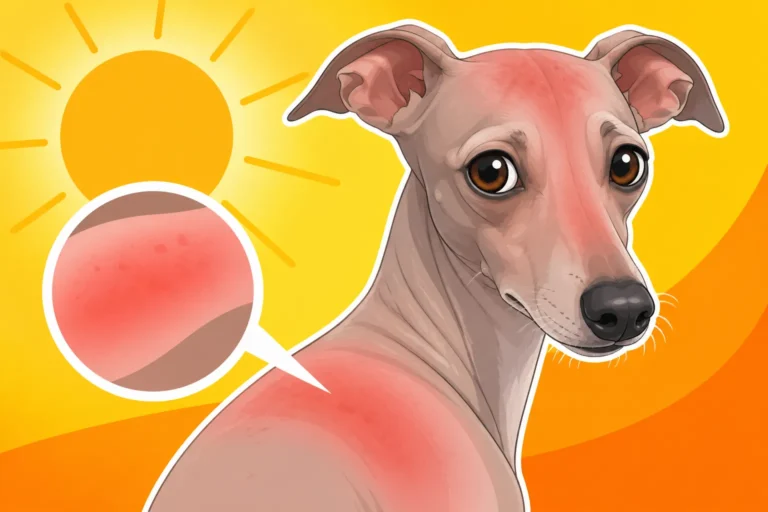
Beyond the physical, behavioral changes are equally common. Many senior Iggys become more sensitive to temperature fluctuations, even indoors, which makes sense given their incredibly thin skin and lack of body fat. They might seek out warmer spots more frequently or insist on being under a blanket even when the house feels perfectly comfortable to us. You might find them feeling the cold more than they ever did. Their sleep patterns can also shift; they might sleep more deeply during the day but become restless at night, sometimes pacing or seeming disoriented. Appetite changes, either an increase or decrease, can also occur, and their dental health, always a concern for the breed, might require even closer monitoring. These aren't just minor inconveniences; they’re indicators of deeper physiological changes that require our careful consideration and often, professional veterinary input.
The Emotional Landscape of an Aging Italian Greyhound
The emotional world of an aging Italian Greyhound is often overlooked, but it's incredibly important. As their bodies and senses change, their perception of the world shifts, which can lead to increased anxiety, especially if their routine is disrupted or they find themselves in unfamiliar situations. A once confident Iggy might become more clingy, needing to be physically close to you at all times, following you from room to room. This "Velcro dog" tendency, already strong in the breed, can intensify as they seek reassurance and comfort from their primary caregiver. They might also become more sensitive to loud noises or sudden movements, startling easily.
This increased need for comfort and stability stems from a deep-seated instinct to feel safe. When their sight or hearing begins to fail, or they feel physical discomfort, their world becomes a little less predictable. Providing a consistent, calm environment, maintaining a predictable daily schedule, and offering plenty of gentle affection can go a long way in alleviating their anxieties. Imagine navigating a familiar home when the light is dim or the sounds are muffled; it can be disorienting. Our role is to be their steady anchor, their source of unwavering security, as they navigate these changes. This unwavering support helps them feel loved and safe, even when their own abilities are waning.
Tailoring Nutrition for the Golden Years
Just like us, an Italian Greyhound's nutritional needs change significantly as they enter their senior years. What worked for a young, active adult might not be appropriate for a dog with a slower metabolism, potential dental issues, or other age-related health concerns. It's a critical area where small adjustments can make a huge difference in their overall health and comfort.
Adjusting Calorie Intake and Food Choices
As Italian Greyhounds age, their metabolism naturally slows down, and their activity levels typically decrease. This means they often require fewer calories to maintain a healthy weight. Continuing to feed the same amount of food they ate in their prime can lead to unwanted weight gain, which puts extra strain on their joints, heart, and other organs, exacerbating existing conditions like arthritis. However, some senior Iggys, especially those with advanced dental disease or certain illnesses, might actually struggle to maintain weight, becoming too thin. So, it's not a one-size-fits-all approach; monitoring their weight and body condition score closely is paramount. You should be able to feel their ribs easily without seeing them sharply, and they should have a discernible waist.
When it comes to food choices, senior-specific dog foods are often formulated with lower calorie counts, higher fiber for digestive health, and added nutrients like glucosamine and chondroitin for joint support. However, these formulations aren't always a perfect fit for every Italian Greyhound, especially if they have specific health issues or are particularly picky eaters. For Iggys with significant tooth loss or severe periodontal disease, softer food or kibble moistened with warm water or broth might be necessary. You might find that softer food for an old Italian Greyhound becomes a regular part of their diet. Consider smaller, more frequent meals to aid digestion, and always consult with your veterinarian to find the best dietary plan that addresses your Italian Greyhound's individual needs. Brands like Royal Canin and Hill's Science Diet offer good senior formulas, but the best approach is always customized.
Supplements for Senior Italian Greyhounds
Beyond a balanced diet, certain supplements can be incredibly beneficial for supporting the health of an aging Italian Greyhound. Joint supplements, containing ingredients like glucosamine, chondroitin, and MSM, are often recommended to help maintain cartilage health and reduce inflammation associated with arthritis. Omega-3 fatty acids, found in fish oil, are excellent for reducing inflammation throughout the body, supporting joint health, skin and coat quality, and even cognitive function.
For those Iggys showing signs of cognitive decline, supplements formulated to support brain health, such as those containing SAMe, antioxidants (like Vitamin E and C), and medium-chain triglycerides (MCTs) found in coconut oil, can be helpful. Probiotics can also support digestive health, which is vital as the gut microbiome can change with age. Remember, not all supplements are created equal, and it's essential to discuss any new supplements with your veterinarian. They can help you determine which ones are truly necessary and safe for your Italian Greyhound, ensuring you're not over-supplementing or interacting negatively with any medications. A good pet insurance plan, such as one from Healthy Paws, can sometimes help cover the costs of these recommended treatments and consultations, making it easier to provide comprehensive care.
Hydration and Feeding Strategies
Adequate hydration is crucial for senior Italian Greyhounds, as their kidney function can sometimes decline with age. Ensuring they have constant access to fresh, clean water is paramount. Some Iggys might not drink enough on their own, especially if mobility is an issue or if their senses are dulling. You can encourage water intake by adding a splash of low-sodium chicken broth to their water, offering ice cubes as treats, or incorporating wet food into their diet. Elevated food and water bowls can also make eating and drinking more comfortable for Iggys with arthritis or neck pain, preventing them from having to bend down too far.
Creating a calm and consistent feeding routine is also important. Senior dogs can become anxious or confused by sudden changes, so stick to regular meal times in a quiet, undisturbed location. If you have multiple pets, ensure your senior Iggy has a safe, private space to eat without competition, as they might eat more slowly or be less assertive. For picky eaters, warming their food slightly can enhance its aroma and palatability. Observing their eating habits daily is key; any significant changes in appetite or water consumption warrant a call to your vet, as these can be early indicators of underlying health issues, like kidney disease in an old Italian Greyhound or other concerns.
| Senior Iggy Dietary Consideration | Recommendation | Benefit |
|---|---|---|
| Calorie Intake | Reduce slightly if overweight, maintain if healthy weight. | Prevents obesity, reduces joint strain, maintains healthy organ function. |
| Food Texture | Softer foods, moistened kibble, or smaller kibble. | Easier to chew and digest, especially with dental issues. |
| Protein Level | High-quality, easily digestible protein. | Supports muscle mass without overworking kidneys. |
| Fiber Content | Moderate to higher fiber. | Aids digestion, prevents constipation. |
| Joint Supplements | Glucosamine, Chondroitin, MSM, Omega-3s. | Reduces inflammation, supports cartilage health, improves mobility. |
| Cognitive Support | Antioxidants, SAMe, MCTs. | Helps maintain brain function, reduces signs of cognitive decline. |
| Hydration | Constant access to fresh water, wet food, water additives. | Supports kidney health, prevents dehydration. |
| Feeding Frequency | 2-3 smaller meals per day. | Aids digestion, prevents overeating, stabilizes blood sugar. |
Managing Health Concerns in Older Italian Greyhounds
The reality of caring for an Italian Greyhound past eleven often involves navigating various health challenges. While they are generally a long-lived breed, age does bring an increased risk of certain conditions. Proactive veterinary care and a keen eye for subtle changes are your best tools in ensuring their comfort and well-being.
The Importance of Regular Veterinary Check-ups
As your Italian Greyhound ages, biannual (twice-yearly) veterinary check-ups become incredibly important, often more so than the yearly visits of their younger years. Older dogs can develop health issues quickly, and early detection is crucial for successful management and maintaining a good quality of life. During these visits, your vet will perform a thorough physical examination, listen to their heart and lungs (checking for things like the heart murmur an old Italian Greyhound might develop), check their teeth, and palpate their joints. They’ll also likely recommend routine blood work, urinalysis, and sometimes thyroid checks. These diagnostic tests provide a baseline and can flag issues like kidney disease in an old Italian Greyhound, liver problems, or diabetes before they become severe and more challenging to treat.
These regular visits are also an opportunity to discuss any changes you've observed at home – however minor they might seem. Has your Iggy’s appetite changed? Are they sleeping more or less? Are they having accidents in the house? Even subtle shifts in behavior can be indicators of underlying pain or illness, and you know your dog best. Don't hesitate to bring a list of questions or observations to your vet. This collaborative approach ensures that your Italian Greyhound receives comprehensive and individualized care tailored to their evolving needs. Investing in a robust pet insurance plan early, like Healthy Paws, can certainly alleviate some of the financial stress associated with these more frequent and often more involved veterinary appointments.
Common Ailments in Senior Italian Greyhounds
Senior Italian Greyhounds are susceptible to several common health issues that require careful monitoring and management. Arthritis is one of the most prevalent. Given their slender build and active nature earlier in life, their joints can experience wear and tear, leading to stiffness, pain, and reduced mobility. You might notice them limping slightly, struggling with stairs, or being reluctant to jump. Dental disease, already a significant concern for the breed due to their crowded mouths, often worsens with age. Without consistent care, severe periodontal disease can lead to tooth loss, jaw infections, and even systemic health problems. That's why considering an Italian Greyhound's lifetime dental costs is a crucial part of ownership.
Beyond musculoskeletal and dental issues, senior Iggys can develop organ-related conditions. Kidney disease, as mentioned, is common, as is heart disease, with degenerative valve disease being a particular concern. Regular blood and urine tests can help catch these conditions early. Endocrine disorders like hypothyroidism, or even certain cancers, can also become more prevalent. Sometimes, Italian Greyhounds are adept at hiding pain, so even a slight change in behavior warrants investigation. This is why paying close attention to how an Italian Greyhound hides pain is so important. Knowing the signs and working closely with your vet can significantly improve the prognosis and quality of life for your aging companion.
Addressing Pain Management and Mobility Issues
Managing pain and supporting mobility are paramount for senior Italian Greyhounds with conditions like arthritis or other musculoskeletal issues. Your veterinarian might recommend non-steroidal anti-inflammatory drugs (NSAIDs) to reduce pain and inflammation. However, these often require regular blood work to monitor kidney and liver function, as senior dogs can be more sensitive to their side effects. Other options might include gabapentin for neuropathic pain, or even newer therapies like Librela (monoclonal antibody injections) that specifically target nerve growth factor, a key mediator of pain.
Beyond medication, there are many supportive therapies. Physical therapy, including gentle massage, range-of-motion exercises, and hydrotherapy, can help maintain muscle mass, flexibility, and overall mobility. Acupuncture can also be a surprisingly effective complementary treatment for chronic pain. In the home, ensuring easy access to food, water, and potty areas, perhaps with indoor potty pads, can reduce the strain on their joints. Soft, supportive orthopedic beds are a must to protect their delicate bones and pressure points. It's often a balance of different approaches, and the goal is always to keep them as comfortable and mobile as possible, allowing them to enjoy their daily life without unnecessary discomfort. If your Italian Greyhound needs joint support late in life, these strategies become indispensable.
Maintaining Comfort and Quality of Life
As our Italian Greyhounds age, their world can shrink a little. Their comfort, warmth, and sense of security become even more important than ever before. Adapting their environment and routine to suit their changing abilities is a loving way to ensure their golden years are truly golden.
Creating a Safe and Accessible Home
One of the most critical aspects of caring for an aging Italian Greyhound is modifying your home environment to be as safe and accessible as possible. Their agility diminishes, their balance might not be what it once was, and conditions like arthritis can make jumping on and off furniture risky. Falls can lead to serious injuries, especially considering an Italian Greyhound's delicate bone structure. Install ramps or steps to access favorite sofas, beds, and even to navigate a few steps within the house. This eliminates the need for potentially dangerous jumps, protecting their joints and fragile bones.
Another common concern is slippery flooring. Hardwood, tile, or laminate floors can be treacherous for a senior Iggy with reduced traction or muscle weakness. Lay down runners, area rugs, or non-slip mats in high-traffic areas and around furniture. This provides them with better grip and confidence, reducing the risk of slips and falls. Consider a ramp to the sofa for your dog to easily get on and off without fear of injury. Also, ensure their food and water bowls are easily accessible without requiring them to navigate obstacles or long distances, especially if they have vision or mobility impairments. A strategically placed indoor potty pad or litter box can also provide an accessible option for quick relief, especially during inclement weather or at night when getting outside might be a challenge.
The Importance of Warmth and Soft Bedding
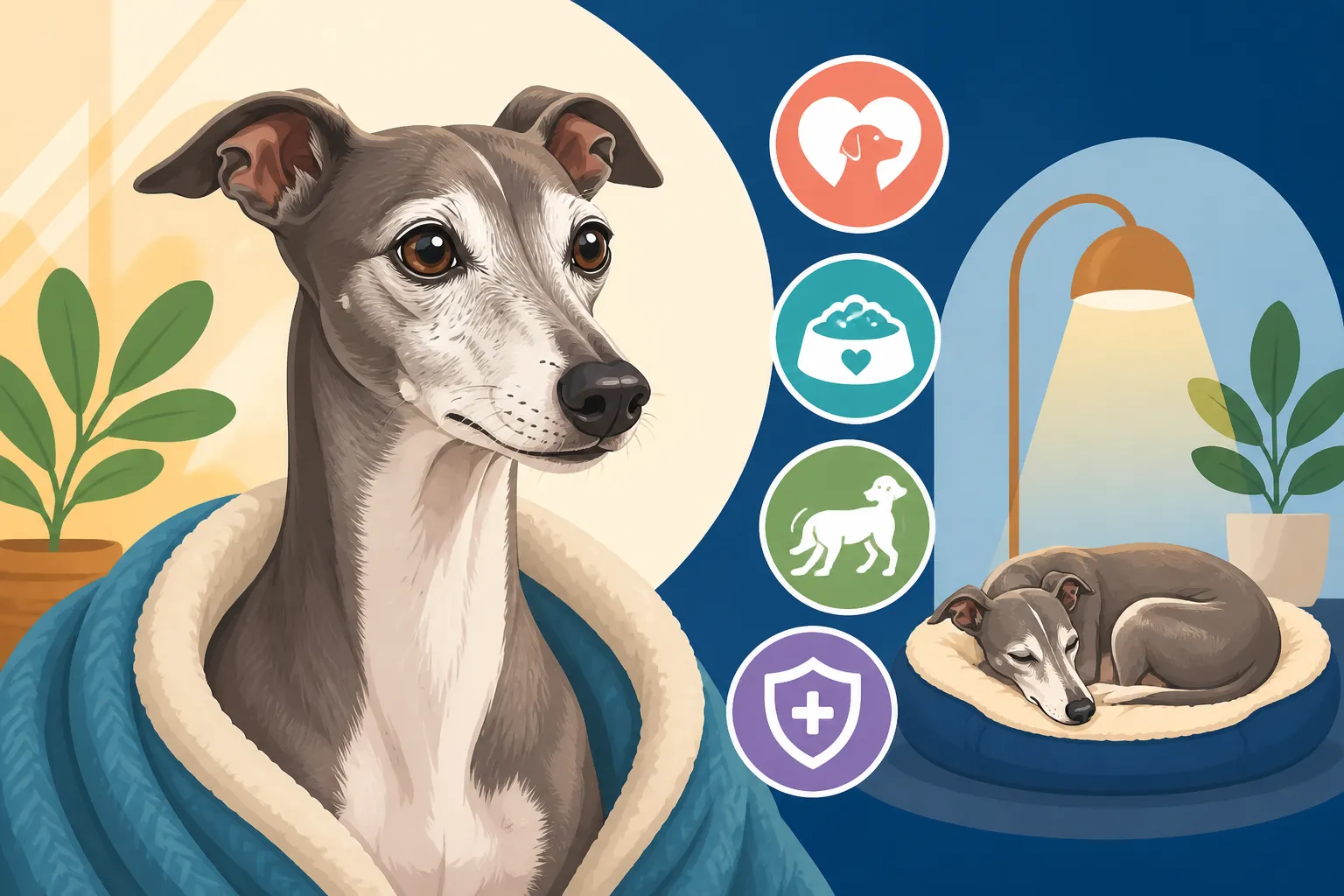
Italian Greyhounds are renowned for their slender build, lack of body fat, and paper-thin skin, which means they get cold very easily, even in what we perceive as comfortable indoor temperatures. As they age, their ability to regulate body temperature can further decline, making warmth an absolute necessity. You'll definitely notice why an old Italian Greyhound feels the cold more. Ensure your senior Iggy has multiple warm, cozy sleeping spots throughout the house. Think plush beds, covered snuggle sacks, and an abundance of soft blankets. Many Iggys adore burrowing under blankets, creating their own little warm nests.
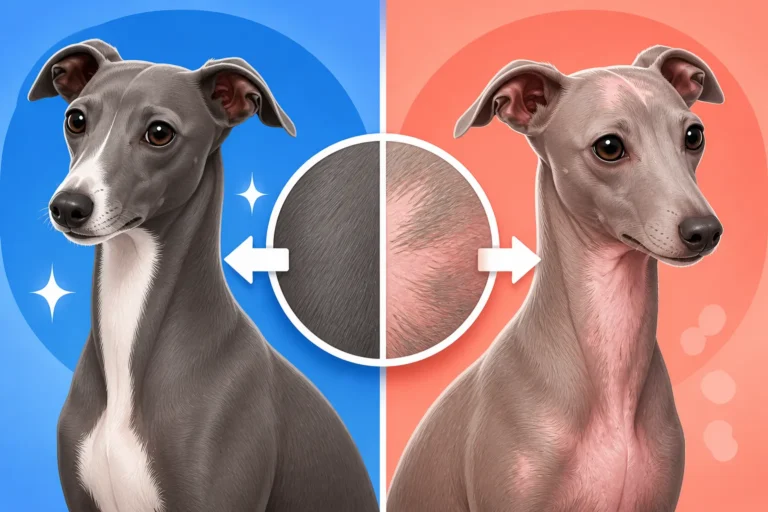
A heated dog bed or a self-warming pet mat can be a game-changer, providing consistent, gentle warmth that can soothe aching joints and promote deeper, more restorative sleep. For dogs with thinning coats or skin issues, an orthopedic bed with dense memory foam or egg-crate foam is crucial. This cushioning prevents pressure sores, especially on prominent bony areas like elbows and hips, and offers superior support for arthritic joints. Even during the day, a soft sweater or doggie pajamas can provide an extra layer of warmth and comfort, especially if your home tends to be on the cooler side. Their comfort in this regard is paramount to their overall well-being.
Mental Stimulation and Gentle Exercise
While your senior Italian Greyhound might not have the boundless energy of their youth, maintaining some level of physical activity and mental engagement is vital for their health and happiness. Gentle, regular exercise helps to keep their joints mobile, muscles strong, and prevents unhealthy weight gain. Instead of long, strenuous walks, opt for shorter, more frequent strolls at a leisurely pace. Let them sniff and explore their environment at their own speed, enjoying the world through their nose. A casual walk around the block a couple of times a day can be perfect.
Mental stimulation is just as important. Cognitive decline can set in if their minds aren't kept active. Continue engaging them with gentle play, puzzle toys, and short, positive training sessions. Practicing familiar commands like "sit," "stay," or "down" can reinforce their cognitive pathways and strengthen your bond. Scent games, where you hide treats around the house for them to find, are excellent for engaging their keen sense of smell without putting strain on their bodies. These activities don't have to be complex; even a few minutes of interaction several times a day can make a significant difference in keeping their minds sharp and spirits bright.
Navigating Behavioral Changes and Cognitive Decline
It's heartbreaking to watch your beloved Italian Greyhound's personality shift as they age, especially if they begin to show signs of cognitive dysfunction. This isn't just "being old"; it's a real neurological condition, and understanding it is the first step toward providing compassionate care.
Signs of Cognitive Dysfunction
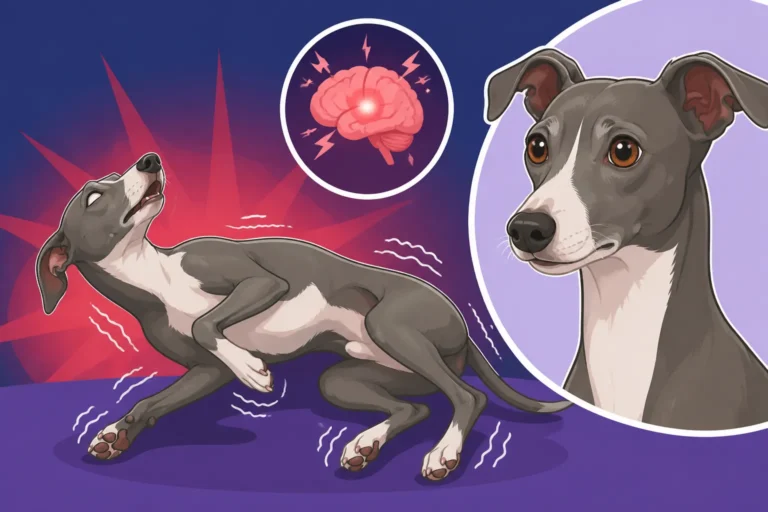
Just like humans, dogs can experience cognitive decline, often referred to as Canine Cognitive Dysfunction (CCD) or "doggy dementia." In Italian Greyhounds, past eleven, you might start to notice several tell-tale signs. One common symptom is disorientation: your Iggy might stare blankly at walls, get "stuck" in corners, or seem confused about where they are in a familiar room. They might struggle to find the door to go outside or forget where their food bowl is. Another frequent sign is changes in social interaction; they might become less interested in greeting family members, appear more irritable, or even snap if startled.
Sleep-wake cycle disturbances are also very common. A senior Iggy with CCD might sleep more during the day but become restless and agitated at night, pacing, whining, or even barking, a phenomenon sometimes called "sundowning." You might also observe changes in house training habits, with accidents occurring indoors even in dogs who were previously perfectly reliable. While these changes can be frustrating, remember that your dog isn't doing it out of spite; it's a symptom of a neurological condition. Consulting your vet about these signs is crucial, as there are medications and supplements that can help slow the progression of CCD and improve their quality of life.
Managing Anxiety and Changes in Routine
Senior Italian Greyhounds, particularly those with cognitive decline, often experience heightened anxiety. Their world is becoming less predictable, their senses are dulled, and they might feel more vulnerable. This anxiety can manifest as increased clinginess, needing to be constantly near you, or becoming distressed when you leave the room. They might also exhibit new fears, such as being afraid of shadows, certain noises, or even familiar objects. A consistent routine becomes their anchor in a changing world. Sticking to regular feeding times, potty breaks, and bedtime can provide a sense of security and reduce stress.
If you must make changes to their environment or routine, do so gradually and gently. For example, if moving their bed, do it in small increments over several days. Provide them with plenty of reassurance, gentle touch, and comforting words. Consider using calming aids like pheromone diffusers (e.g., Adaptil) or thunder shirts if their anxiety is particularly pronounced. Sometimes, a safe, quiet "den" where they can retreat, such as a soft crate or a bed in a secluded corner, can provide a sense of security when they feel overwhelmed. The key is empathy and understanding; they're not being difficult, they're simply struggling to cope with their changing reality.
Supporting an Italian Greyhound with Vision or Hearing Loss
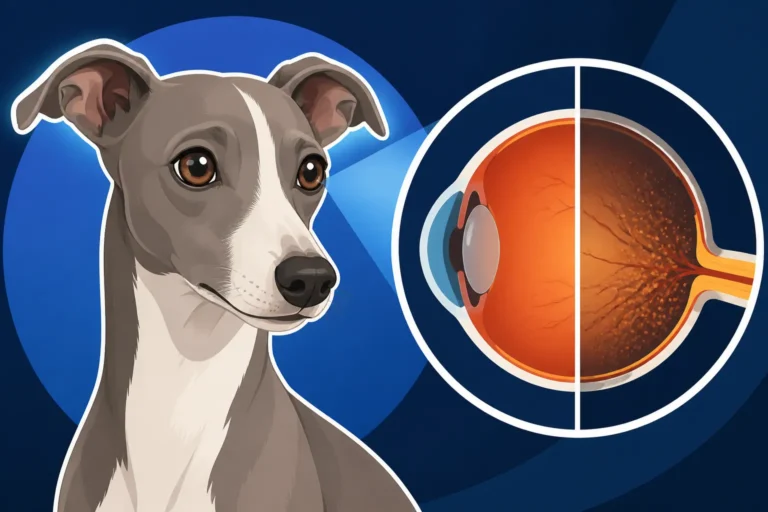
Sensory impairments are very common in senior Italian Greyhounds and can significantly impact their daily life. Gradual vision loss, often due to cataracts or Progressive Retinal Atrophy in an Italian Greyhound, can make them hesitant to navigate stairs, bump into furniture, or become disoriented in unfamiliar surroundings. Hearing loss can lead to them not responding to their name, being startled easily, or appearing to ignore you. While these changes can be challenging, there are many ways to support your Iggy.
For vision loss, try to keep furniture in the same place to help them map out their environment. Use distinct textures or scents to mark important areas like water bowls or exits. When approaching them, speak gently and avoid sudden movements that might startle them. For hearing loss, rely more on visual cues and hand signals. A gentle touch before speaking can alert them to your presence. Investing in a vibrating collar for recall, if they are still able to safely be off-leash in a secure area (though recall training an Italian Greyhound is always a work in progress!), could be an option, but in most cases, maintaining a long lead in a fenced area is safest. Patience and consistency are crucial. Your goal is to help them adapt to their new way of experiencing the world, ensuring they still feel safe, loved, and capable.
The Emotional Toll on Owners and End-of-Life Planning
Caring for an aging Italian Greyhound is a labor of love, but it's also emotionally demanding. As they decline, we face the heartbreaking reality of their mortality and the difficult decisions that sometimes come with it. It’s important to acknowledge and prepare for this part of the journey.
Coping with the Challenges of Senior Care
There's no sugarcoating it: watching your Italian Greyhound age and decline can be incredibly tough. You might find yourself frustrated by accidents in the house, worried by their confusion, or heartbroken by their physical limitations. It's okay to feel these emotions. You're not alone in experiencing the grief of anticipatory loss, where you mourn the loss of your vibrant, youthful companion even while they are still with you. It's a heavy burden to carry, especially when they were once so full of life and mischief.
It’s crucial to prioritize your own well-being during this time. Seek support from friends, family, or online communities of Italian Greyhound owners who understand what you're going through. Lean on your veterinarian for advice and emotional support; they’ve guided many families through this journey. Remember to celebrate the small victories – a happy wag of the tail, a comfortable nap, a gentle nudge for a cuddle. These moments become more precious than ever. Recognize that you are doing your absolute best for your cherished companion, and that love, patience, and comfort are the greatest gifts you can give them.
Making Difficult Decisions
One of the hardest aspects of senior Italian Greyhound care is recognizing when their quality of life is severely compromised and making the difficult decision about euthanasia. This is a conversation no one wants to have, but it’s an act of profound love and compassion. Your veterinarian can help you assess your Italian Greyhound's quality of life using objective criteria. They might look at their ability to eat, drink, eliminate comfortably, move without severe pain, and engage in activities they once enjoyed. Consider their "good days" versus "bad days." When the bad days consistently outweigh the good, and medical interventions are no longer effective or humane, it may be time to consider what is best for them, not for us.
This decision is deeply personal and often agonizing. There's no right or wrong answer, and every family's journey is different. Some find comfort in knowing they've provided every possible measure of care, while others focus on preventing suffering. Having an open, honest discussion with your vet about end-of-life care options, including hospice care if appropriate, can help you navigate this painful process. This is where a comprehensive pet insurance plan, such as Healthy Paws, which often covers end-of-life care and related veterinary services, can help ease some of the practical concerns during an already emotional time.
Cherishing Their Remaining Time
No matter how challenging the journey of senior care becomes, the most important thing is to cherish every moment you have left with your Italian Greyhound. Their remaining time, whether it be months or even years, is an opportunity to deepen your bond and create lasting memories. Prioritize their comfort, offer endless gentle affection, and indulge them in their favorite simple pleasures. If they love a particular treat, offer it. If they enjoy quiet car rides, take them. If they just want to snuggle under a blanket, join them.
Take photos and videos, write down anecdotes, and simply be present with them. These final memories will be invaluable. The love and companionship an Italian Greyhound brings into our lives is immeasurable, and their senior years are a testament to that enduring bond. While the physical changes and health challenges are undeniable, the spirit and heart of your beloved Iggy remain, offering comfort and unconditional love until their very last breath.
Disclaimer
This article is intended for informational purposes only and does not constitute veterinary advice. Always consult with a qualified veterinarian for any health concerns or before making any decisions about your Italian Greyhound's care, especially as they age. Individual needs may vary, and professional guidance is essential.