The Renaissance Painters Who Put Italian Greyhounds in the Frame
Oh, the Italian Greyhound! These exquisite little dogs have a history as rich and fascinating as any grand tapestry, and their story is woven deeply into the fabric of human art and culture. For centuries, long before they were cuddling on our sofas (and absolutely refusing to go out in the rain!), these elegant creatures captured the hearts and imaginations of royalty, nobility, and, perhaps most notably, the brilliant artists of the Renaissance. This guide will take you on a journey through time, exploring how the graceful Italian Greyhound became a muse, a symbol of status, and an enduring presence in some of history's most celebrated artworks.
The Italian Greyhound's Ancient Roots and Journey to Europe
It’s easy to look at an Italian Greyhound today, curled up in a sweater, and forget that their lineage stretches back thousands of years. These aren't just modern-day fashion accessories; they are living pieces of history. While the name "Italian Greyhound" firmly places them in Italy, their origins are far more ancient, with archaeological evidence suggesting their type existed in what is now Turkey and Greece as far back as 2,000 years ago. It’s a remarkable testament to their enduring appeal that a breed has maintained its distinct characteristics for so long.
Tracing Their Journey Through Antiquity
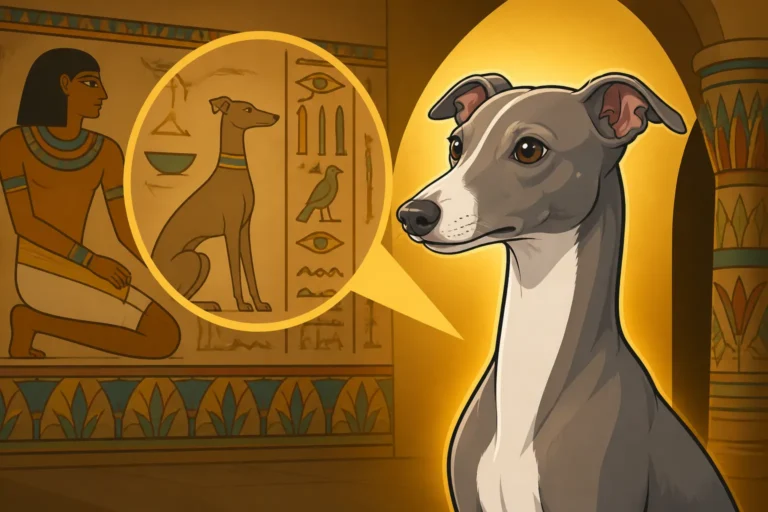
Before the brushstrokes of the Renaissance immortalized them, dogs resembling the Italian Greyhound were depicted in ancient artifacts and tombs. These early representations show small, slender sighthound-type dogs, often accompanying noble figures. Imagine these dogs, swift and elegant, trotting alongside their human companions in civilizations long past. This long history is why many believe The Italian Greyhound Is Two Thousand Years Old. Their fine bones and delicate structure were already a hallmark of the breed type, making them distinct even then.
How They Arrived in Renaissance Italy
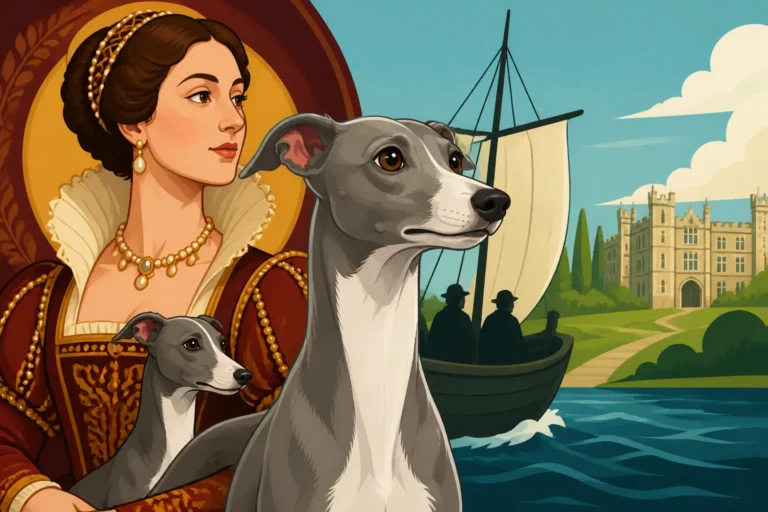
The precise path of the Italian Greyhound to Italy is a bit like a beautiful mystery, but it’s widely believed they arrived with Phoenician traders or Roman legions returning from conquests. The mild Mediterranean climate and the burgeoning artistic and cultural hub of Italy provided the perfect environment for these elegant dogs to thrive. They quickly became favorites among the aristocracy and royalty, prized for their beauty, gentle nature, and aristocratic bearing. They weren't just pets; they were living adornments, walking works of art themselves, setting the stage for their eventual prominence in paintings.
The Renaissance: A Golden Age for the Italian Greyhound in Art
The Renaissance, a period of immense cultural, artistic, and scientific rebirth in Europe from the 14th to the 17th century, was a time when humanism flourished, and artists sought to capture the beauty of the world around them. For the Italian Greyhound, this era was nothing short of a golden age. Their slender forms, expressive eyes, and inherent grace made them irresistible subjects for the masters of the time. They were seen not merely as animals, but as companions reflecting the elegance and refinement of their owners.
Why They Were So Beloved by the Nobility
In an era where status symbols were paramount, the Italian Greyhound fit perfectly into the aristocratic lifestyle. They were small enough to be carried, making them constant companions, and their delicate appearance spoke volumes about their owner's wealth and refined taste. A robust working dog might be practical, but an Italian Greyhound was pure luxury. They were often found nestled on laps, accompanying ladies in their chambers, or even joining gentlemen on gentle strolls through manicured gardens. This intimate relationship between dog and owner naturally translated into their portrayal in portraiture.
Capturing Elegance and Companionship on Canvas
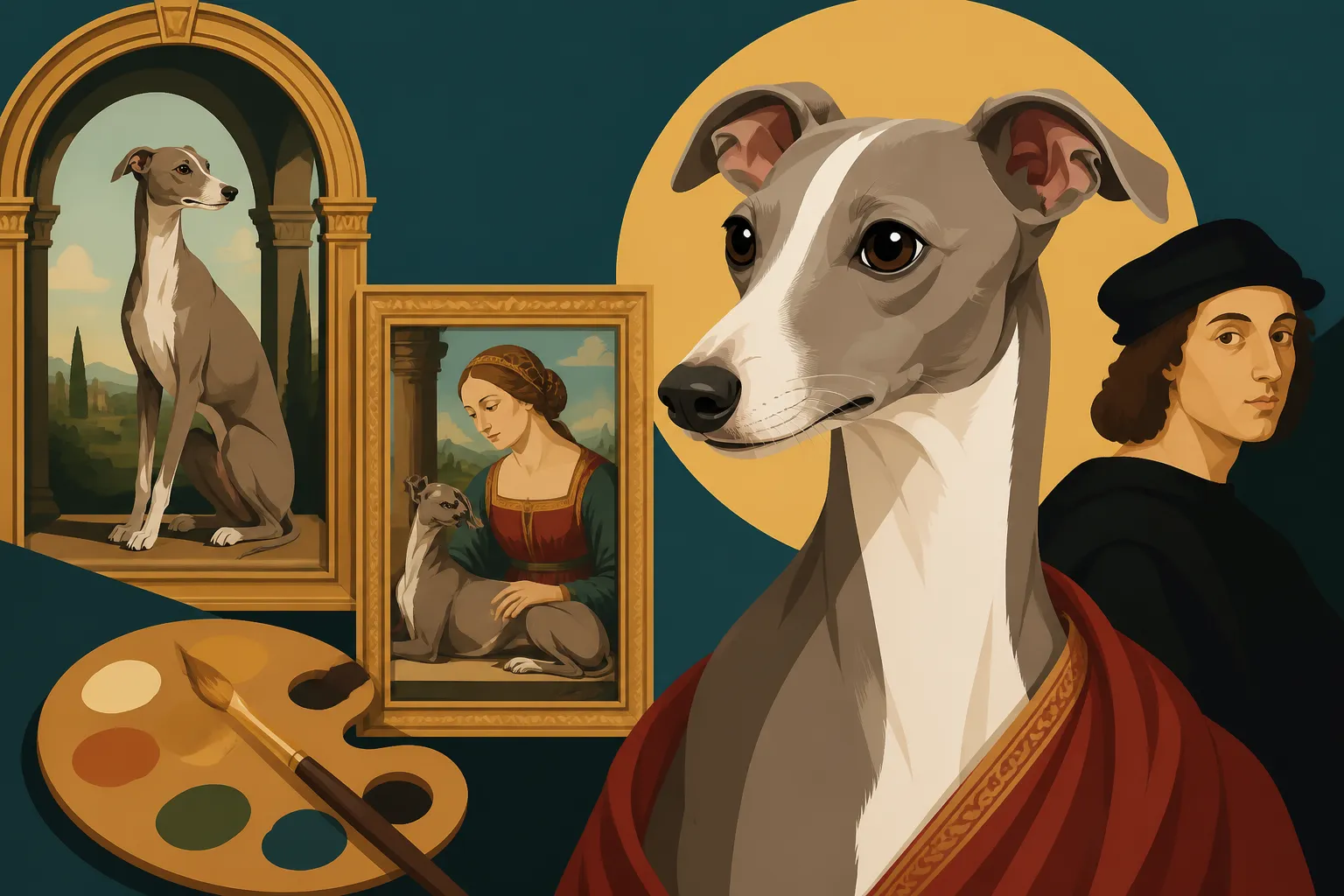
Renaissance painters were masters of detail, light, and composition, and the Italian Greyhound offered a unique opportunity to add a touch of life and character to their works. These dogs were usually depicted with exquisite accuracy, showcasing their distinctive "roach back," fine bone structure, and typically fawn, cream, or blue coats. The way an Italian Greyhound would gaze up at its owner, or recline gracefully at their feet, provided artists with perfect moments of tender interaction to immortalize. These paintings aren't just records of the past; they are windows into the emotional bonds people shared with their Iggys centuries ago.
Notable Artists and Their Italian Greyhounds in Masterpieces
When we talk about the Italian Greyhound in Renaissance art, we’re not just talking about generic "little dogs." We’re talking about specific, recognizable depictions by some of the most famous artists who ever lived. Their presence in these works helps us understand their place in society and appreciate the breed's historical appearance.
Giotto's Frescoes and Early Depictions
One of the earliest and most iconic appearances of a dog resembling an Italian Greyhound can be found in the works of Giotto di Bondone, a Florentine painter and architect from the late Middle Ages, often considered a precursor to the Renaissance. In his famous frescoes, such as those in the Scrovegni Chapel, you can spot small, graceful dogs that bear a striking resemblance to our modern Iggys. These dogs often appear at the feet of figures or interacting in scenes, showing their integrated role in everyday noble life, even in religious narratives. Giotto's attention to natural forms and expressions, a hallmark of the burgeoning Renaissance, meant these dogs were not just background filler but living, breathing elements of the scene.
Carpaccio's Venetian Scenes
Vittore Carpaccio, a Venetian painter of the Early Renaissance, was known for his vibrant and detailed narrative cycles, often set in contemporary Venice. His works are rich with historical and social commentary, and Italian Greyhounds frequently make an appearance, often lending a touch of domesticity or elegance to his grand canvases. In works like "Vision of Saint Augustine," you might find a slender dog, attentive and calm, observing the scene unfold. Carpaccio’s dogs are often exquisitely rendered, highlighting their delicate features and calm demeanor, perfectly embodying the refined atmosphere of Venetian high society.
Bosch's Mysterious Worlds
Hieronymus Bosch, the enigmatic Dutch painter, while not strictly a Renaissance artist in the Italian sense, certainly operated within the broader European artistic movements of the time, and his fantastical works occasionally feature dogs that echo the Italian Greyhound's form. While Bosch's dogs might sometimes take on more symbolic or allegorical roles within his complex narratives, their lean bodies and delicate heads suggest the influence of the prevalent sighthound types. Looking for an Italian Greyhound in a Bosch painting can be like finding a familiar face in a dream, a tiny anchor of reality in a sea of imagination.
The Venetian School: Titian and Veronese
As the Renaissance progressed into its high and late phases, especially in Venice, the Italian Greyhound continued to be a favored subject. Masters like Titian and Paolo Veronese, known for their opulent colors and grand compositions, frequently included these dogs in their portraits and mythological scenes.
Veronese's massive canvases, often filled with scores of figures, would occasionally feature a small, white Italian Greyhound peeking out from beneath a table or sitting quietly by a lady's chair. These dogs added an element of intimacy and realism to otherwise grandiose settings. Titian, a master of portraiture, captured the essence of his noble patrons, and often, their beloved dogs. In these portraits, the Italian Greyhound wasn't just a pet; it was an extension of the sitter's identity, symbolizing their refined tastes and cherished companionship. The dogs were often depicted with a striking fidelity to their physical characteristics, their poses reflecting their gentle and sometimes aloof nature.
Symbolism of the Italian Greyhound in Renaissance Art
Beyond simply being beautiful additions to a painting, Italian Greyhounds in Renaissance art often carried deeper meanings. They weren't just there because the artist liked dogs or because the patron owned one; they were carefully placed to convey specific messages about wealth, loyalty, and even the virtues of their human companions.
A Mark of Status and Wealth
Owning an Italian Greyhound in the Renaissance was, in itself, a declaration of status. These were not dogs bred for hunting or working; they were bred for companionship and beauty. Their delicate nature meant they required careful handling and luxurious surroundings, which only the very wealthy could provide. Therefore, their presence in a portrait immediately signaled the sitter's affluence and refined taste. A noble lady with an Italian Greyhound at her side was implicitly communicating her elevated social standing and access to luxury.
Symbol of Loyalty and Fidelity
Dogs, in general, have long been symbols of loyalty and fidelity, and the Italian Greyhound, with its intensely devoted nature, embodied this perfectly. In a portrait of a married couple, a dog, particularly one gazing adoringly at its owner, could symbolize the unwavering devotion between spouses. In religious art, a dog might represent faithfulness to God or one's spiritual path. The bond between an Italian Greyhound and its human is incredibly strong, and artists recognized this connection, using it to add emotional depth to their work.
Beauty, Grace, and Ideal Companionship
The sheer aesthetic appeal of the Italian Greyhound also contributed to its symbolic value. Its elegant lines and graceful posture resonated with the Renaissance ideals of beauty and harmony. They were seen as perfect companions, embodying a gentle temperament and refined presence that complemented the sophisticated world of the nobility. The inclusion of an Italian Greyhound could suggest that the owner was not only wealthy but also possessed of virtues like grace, gentleness, and a discerning eye for beauty. They were truly the ideal "velcro dog" of their era, always close, always elegant.
Here’s a look at some key details regarding Iggys in Renaissance art:
| Artist (Approximate Era) | Notable Work(s) | Depicted Italian Greyhound Features | Symbolic Significance |
|---|---|---|---|
| Giotto (Late 13th – Early 14th C) | Scrovegni Chapel frescoes | Small, slender, often light-colored, integrated into daily scenes. | Everyday companionship, early artistic realism. |
| Carpaccio (Late 15th – Early 16th C) | "Vision of Saint Augustine" | Elegant, calm, attentive; often at feet of noble figures. | Refined taste, domesticity, contemplative presence. |
| Titian (Mid to Late 16th C) | Various noble portraits | Often white or light-colored, delicate, positioned intimately with owner. | High status, personal bond, fidelity to the sitter. |
| Veronese (Mid to Late 16th C) | Grand mythological/historical scenes | Small, sometimes playful, providing a point of human connection. | Luxury, beauty, a touch of realism in grand settings. |
How We See Them Today: From Canvas to Couch
It's truly remarkable how a breed so deeply rooted in ancient history and high art has transitioned into being the beloved, and often comical, companions we know today. While the grandeur of Renaissance palaces might have given way to modern homes, the Italian Greyhound's inherent qualities that attracted artists centuries ago are still very much present.
The Enduring Physical Characteristics
When you look at a painting by Titian or Veronese featuring an Italian Greyhound, and then look at your own Iggy snoozing on a Chewy orthopedic bed, you'll be struck by the continuity. The same delicate bone structure, the arched back (often called a "roach back"), the long, slender legs, the fine coat, and the soulful, expressive eyes are all still there. The breed standard, even today, seeks to preserve these very characteristics that made them such perfect artistic subjects. What an Italian Greyhound Weighs and How Tall It Stands is still within the parameters that would have been recognizable centuries ago.
Modern-Day Companionship
While they might not be lounging on velvet cushions in a duke's study, Italian Greyhounds today are still cherished companions. They are still the "velcro dogs" that thrive on human connection, often preferring the warmth of your lap to almost anything else. Their gentle, affectionate nature, which surely endeared them to Renaissance nobility, makes them incredible family members now. The anxieties of modern life might be different, but the comfort an Iggy brings is timeless.
From Artistic Muse to Instagram Star
In a way, the Italian Greyhound's artistic legacy continues, albeit in a very different medium. Instead of being "put in the frame" by a painter, they are now frequently captured in stunning photographs and videos shared across social media. Their photogenic qualities, derived from those same elegant lines and expressive faces, make them natural stars. Whether it's a dramatic pose against a scenic backdrop or a hilarious moment caught in a candid shot, the modern Italian Greyhound continues to be a muse, just with a digital canvas.
Preserving the Legacy: The Breed Standard and Modern Health
The fact that we can recognize an Italian Greyhound in a 500-year-old painting speaks volumes about the dedication of breeders throughout history. The breed standard, established and maintained by kennel clubs around the world, aims to preserve the unique characteristics that define the Italian Greyhound, from its physical form to its temperament.
What the Standard Asks For
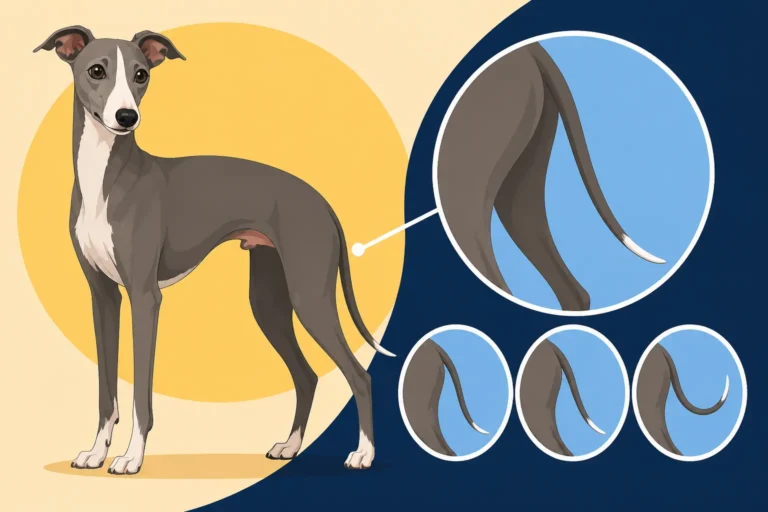
The breed standard is essentially a written description of the ideal Italian Greyhound. It details everything from head shape and ear set to tail carriage and gait. When you read about The High Stepping Gait That Marks a Correct Italian Greyhound, you're reading about an attribute that has been valued for centuries. It's not just about looks; it's about maintaining the health and functionality of the breed. Breeders strive to produce dogs that conform to this standard, ensuring the future generations look and behave like their historical ancestors.
Connecting Past and Present Appearance
Consider the elegance seen in old paintings; the fine, smooth coat, the delicate yet athletic build. These are still key elements of the breed today. Even something like Every Color an Italian Greyhound Is Allowed to Be is carefully defined. While some colors might have been more prevalent or fashionable in certain historical periods, the overall silhouette and presence remain constant. This commitment to the standard is why the Italian Greyhound is so distinct and recognizable, whether in a gallery or at the dog park.
Health Considerations for a Delicate Breed
The delicate appearance of the Italian Greyhound, so prized by Renaissance artists, does come with some responsibilities for modern owners. Their fine bones are more prone to injury than many other breeds, a reality that any owner must contend with. This means extra care in the home, perhaps investing in ramps for furniture, and being mindful during playtime. Why an Italian Greyhound Is a Toy and Not a Hound is a critical distinction that informs how we care for them, emphasizing their role as delicate companions rather than robust working dogs. Understanding these unique needs, from their delicate build to their tendency to get cold, is essential for every Italian Greyhound owner, ensuring their long and happy lives. When considering their lifelong care, it's also worth noting that they require specific attention to their teeth, making dental products from a reliable source like Chewy a regular purchase.
The Enduring Allure of the Italian Greyhound
From the frescoes of Giotto to the canvases of Titian and Veronese, the Italian Greyhound has gracefully held its place in the annals of art history. Their presence in these masterpieces is a testament not only to their inherent beauty but also to the deep affection and admiration they inspired in people centuries ago. This wasn't just a fleeting trend; it was a lasting bond between humans and a truly unique canine companion.
A Living Link to the Past
Owning an Italian Greyhound today is, in a very real sense, holding a living link to the past. These dogs carry the same genes, the same elegant form, and the same gentle spirit that captivated royalty and inspired artists of the Renaissance. Each time your Iggy curls up beside you, you're sharing a moment with a breed whose history is as rich and beautiful as any painting. It's a connection that transcends time, reminding us of the enduring power of companionship.
Still Captivating Hearts, Centuries Later
The Italian Greyhound continues to captivate hearts, just as it did in the opulent courts of Renaissance Italy. Whether it's their stunning visual appeal, their unwavering devotion, or their endearing quirks, these dogs have a way of leaving an indelible mark on those who welcome them into their lives. They are not just pets; they are art, history, and pure, unadulterated love, all wrapped up in a delicate, fast-moving package. Who the Italian Greyhound Actually Suits is a question answered by anyone who cherishes beauty, history, and a dog who truly thrives on companionship.
Disclaimer
This article is for general informational purposes only and does not constitute professional advice. Laws, prices and regulations vary by location and change over time. Consult a qualified professional for guidance on your specific situation.