Whether White Markings Are Allowed on an Italian Greyhound
So, you're looking at Italian Greyhounds, perhaps dreaming of bringing one of these elegant little sighthounds into your life, and you've started noticing all the talk about coat colors and markings. It can be incredibly confusing to sift through breed standards and breeder websites, especially when you see beautiful dogs with white patches and wonder if that's "allowed" or somehow "less perfect" for the breed. This guide is here to untangle all that for you, explaining the ins and outs of white markings on Italian Greyhounds, what the breed standard truly says, and why it ultimately matters (or doesn't!) for your potential furry family member.
Understanding the Italian Greyhound Breed Standard for Color
When we talk about "breed standards," we're essentially referring to the blueprint for what an ideal Italian Greyhound should look like, move like, and even act like. These standards are set by kennel clubs, such as the American Kennel Club (AKC) or the Kennel Club in the UK, and they serve as a guide for breeders aiming to produce excellent examples of the breed and for judges evaluating dogs in the show ring. For a breed as ancient and refined as the Italian Greyhound, these standards carry a lot of historical weight.
What the Standard Aims For
The primary goal of a breed standard is to preserve the unique characteristics and integrity of a particular breed over generations. It's not just about aesthetics; it also often touches on temperament and health, ensuring that the breed remains true to its heritage and purpose. For the Italian Greyhound, this means maintaining that distinctive delicate yet athletic build, the elegant high-stepping gait, and, yes, specific acceptable coat colors and patterns. Breeders striving for excellence will always refer back to the standard, trying to produce dogs that embody its ideals.
It's a delicate balance, trying to honor tradition while also ensuring the health and well-being of the dogs. The standard helps prevent drastic, uncharacteristic changes to the breed, guiding breeding decisions to maintain what makes an Italian Greyhound, well, an Italian Greyhound. When you understand this foundational purpose, the specifics of color and markings start to make a lot more sense, even if they sometimes feel a bit arbitrary to an outsider.
General Color Acceptance in Italian Greyhounds
One of the lovely things about Italian Greyhounds is the surprising array of colors they come in. Unlike some breeds with very restrictive color palettes, IGs offer a beautiful spectrum. You'll commonly see them in solid shades like fawn, black, blue (a dilute black, which often appears grey), and red, as well as sables and various shades of cream. Each of these colors has its own unique charm, from the deepest ebony to the lightest sandy fawn.
Beyond solid colors, the breed standard generally accepts any color or marking, except for brindle and black and tan. This is a crucial point many prospective owners might miss. So, while you'll find a wide variety of gorgeous IGs, certain patterns are specifically excluded from the recognized standard. If you're curious about the full range of hues, delving into Which Colors an Italian Greyhound Comes In can be quite enlightening and help you appreciate the diversity within the breed.
Deciphering White Markings: What's Acceptable vs. What's Not
This is often where the confusion really kicks in. Many people assume any white on a purebred dog is a "fault," but with Italian Greyhounds, it's not quite that simple. The standard is quite specific about where and how much white is acceptable, and understanding these nuances is key, particularly if you have aspirations of showing your dog. For pet owners, it's less about disqualification and more about understanding breed type.
Acceptable White Markings
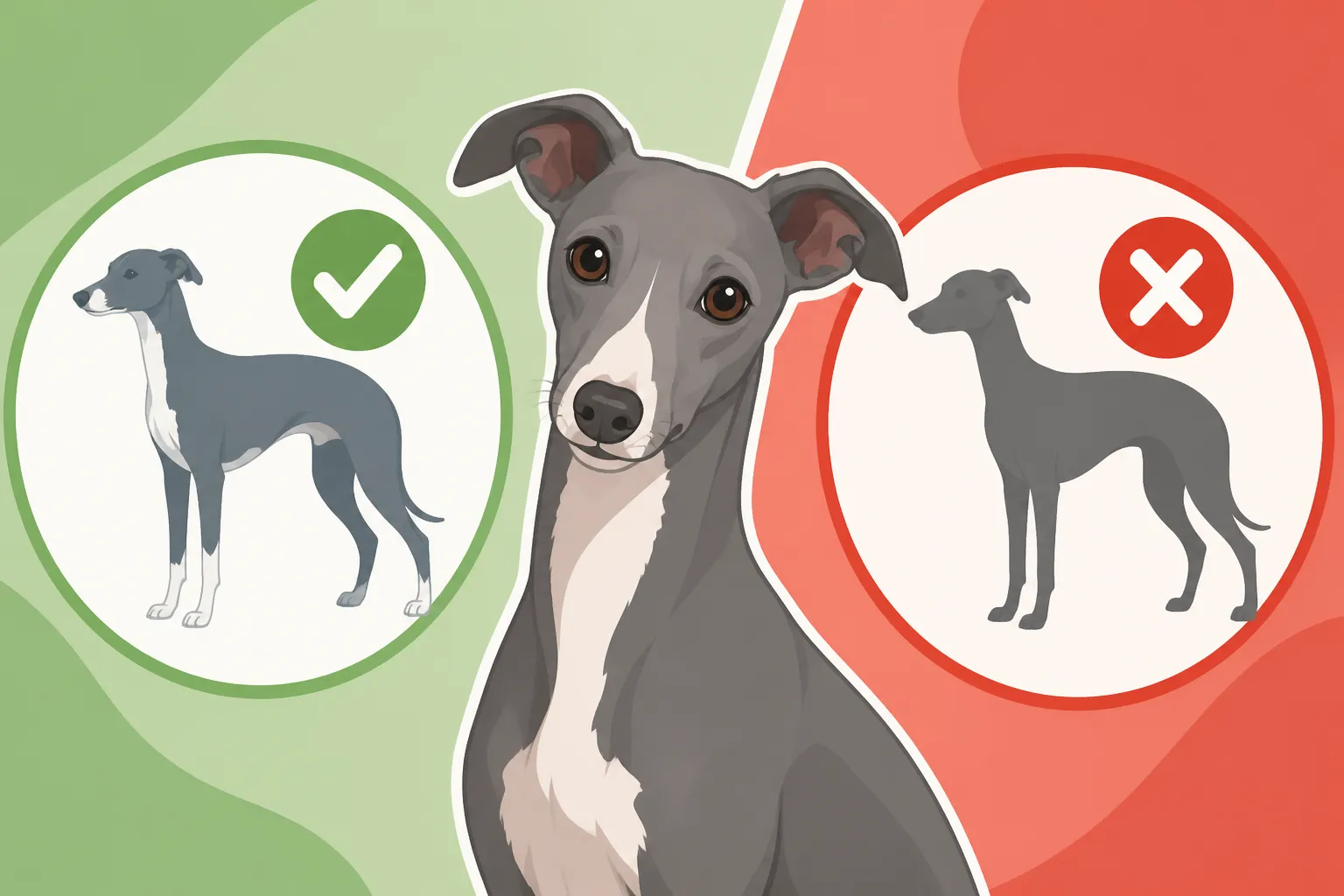
Good news for white-spot lovers! The Italian Greyhound breed standard does permit some white markings. Typically, these acceptable white areas are limited to the chest and feet, and sometimes a small patch on the tail tip. Think of a tiny white starburst on the chest, like a little badge of honor, or elegant white "socks" on their paws. These minimal white areas are quite common and are not considered a fault in the show ring, nor do they diminish the dog's quality as a beloved pet.
It’s important to note that these accepted white markings are usually distinct and well-defined, not large splatters across the body. They add a touch of individuality to many IGs without detracting from the overall picture of the breed. Many people actually find these small touches of white to be quite charming, highlighting the sleek lines of the dog. So, if you see an Italian Greyhound puppy with a little white on its chest or feet, rest assured, it's well within the bounds of what's considered typical and acceptable.
Disqualifying White and Other Patterns
Now, for the parts that aren't allowed. The breed standard is quite clear about what constitutes "excessive white," and this is where a dog might be disqualified from conformation showing. While a small amount of white on the chest and feet is fine, large patches of white on the body, or white on the face (beyond a small blaze), are generally considered disqualifying. This means a dog with these markings, no matter how lovely its conformation, would not be able to win points in the show ring.
Beyond just the quantity and location of white, there are also entirely separate patterns that are outright disqualifying for an Italian Greyhound. The most commonly cited are brindle and black and tan. A brindle Italian Greyhound, with its tiger-stripe pattern, or a black and tan Italian Greyhound, sporting the distinct markings seen on breeds like Rottweilers or Dobermans, would be disqualified from the show ring. These patterns, while perhaps visually striking, do not align with the historical and genetic blueprint of the Italian Greyhound. You might find it interesting to learn more about these specific patterns in Why Brindle Disqualifies an Italian Greyhound and Why Black and Tan Markings Disqualify an Italian Greyhound.
Here's a quick overview of what's generally accepted and what could lead to a disqualification:
| Marking Type | Location | Status in Breed Standard (Conformation) | Notes |
|---|---|---|---|
| Acceptable White | Small patch on chest, feet, tail tip | Acceptable | Adds character, common in the breed. |
| Excessive White | Large patches on body, white on face | Disqualifying | Exceeds accepted limits for show ring. |
| Brindle Pattern | Tiger-stripe pattern across the coat | Disqualifying | Not characteristic of the breed's historical look. |
| Black and Tan | Distinct black body with tan points | Disqualifying | Not characteristic of the breed's historical look. |
| Any Solid Color | Entire body (e.g., fawn, blue, red, black) | Acceptable | The most common and widely recognized presentations. |
| Sable, Cream, Seal | Various shades and patterns | Acceptable (if not brindle or black and tan) | Adds to the diverse beauty of the breed. |
Remember, these rules primarily apply to dogs being evaluated for conformation showing. For a family pet, these distinctions are far less critical.
Why Color Standards Exist in Purebred Dogs
It might seem a little arbitrary to some why dogs with perfectly lovely personalities and healthy bodies would be deemed "less desirable" just because of their coat color or markings. However, there's a historical and genetic basis for why these standards were developed and continue to be maintained by kennel clubs and dedicated breeders. It's not about snobbery; it's about preserving a legacy.
Historical Context and Preservation
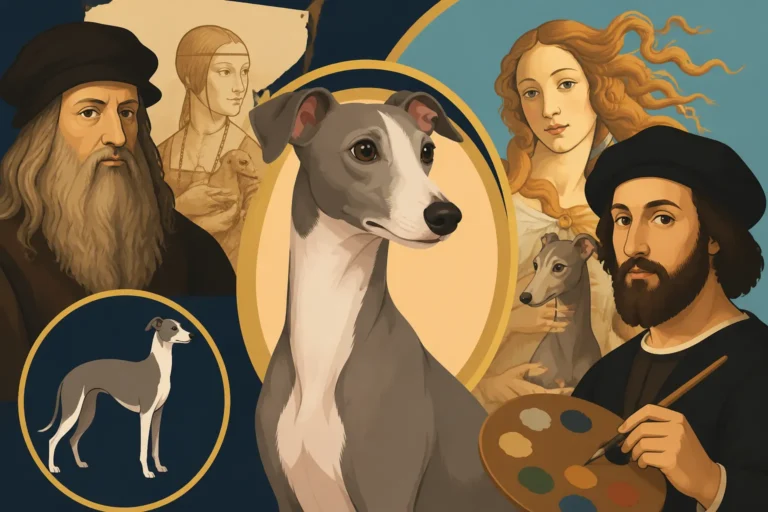
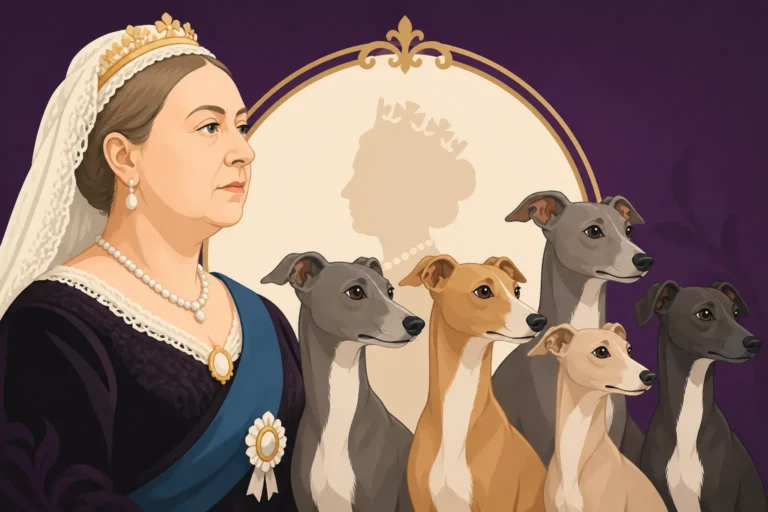
Breed standards aren't just modern inventions. They evolved over centuries as specific dog types were developed for particular roles, whether hunting, guarding, or companionship. The Italian Greyhound, with its ancient lineage, has had its appearance refined and celebrated for thousands of years. Early enthusiasts and nobles who adored these dogs had a clear vision of what an Italian Greyhound should look like, and they selectively bred for those traits. Color and markings were often part of that visual identity.
Maintaining these specific color standards helps to preserve that historical aesthetic. It's a way of honoring the breeders of the past and ensuring that the Italian Greyhound of today closely resembles the dogs depicted in Renaissance paintings or cherished by European royalty. This preservation is a core tenet of responsible purebred dog breeding, ensuring that the characteristics that define the breed are passed down through generations. It's less about personal preference and more about a shared understanding of what constitutes an authentic Italian Greyhound.
Health and Genetic Considerations
Sometimes, color and pattern standards are also rooted in health considerations, though this is less common with white markings themselves in Italian Greyhounds. In some breeds, certain color genes are linked to specific health issues. For example, merle patterning in some breeds can be associated with hearing or vision problems, especially if two merle dogs are bred together. This is why many breed standards will outright disqualify or severely penalize certain color combinations.
For Italian Greyhounds, while white markings aren't typically linked to health concerns, understanding the broader color genetics can still be important. For instance, you might come across discussions about Color Dilution Alopecia in a Blue Italian Greyhound, which is a genetic condition sometimes seen in dilute colored dogs (like blue or fawn) that can cause hair loss and skin issues. While not directly related to white markings, it highlights how color genetics can sometimes intertwine with health. Responsible breeders consider all these factors, striving to produce healthy dogs with correct breed type, including acceptable colors and markings. They screen for various hereditary conditions and choose breeding pairs carefully, often supplying high-quality foods and supplements from trusted retailers like Chewy to support overall health.
Show Ring Ambitions vs. Pet Companionship
This is perhaps the most important distinction for anyone considering an Italian Greyhound with white markings. The strict rules about color and pattern are almost exclusively relevant to the world of dog shows. For the vast majority of owners who simply want a loving companion, these nuances are much less of a concern.
The Show Ring Perspective
In the competitive world of conformation showing, every aspect of a dog is scrutinized against the breed standard. Judges are looking for the dog that most perfectly embodies the "ideal" Italian Greyhound. This includes everything from their bone structure and gait to the set of their ears and, yes, their coat color and markings. A dog with disqualifying white markings, or an incorrect pattern like brindle, simply cannot compete successfully, regardless of how otherwise perfect it might be. This is why breeders who focus on showing are meticulous about color genetics and will be very upfront with potential buyers about whether a puppy is "show quality" or "pet quality" based on these criteria.
For breeders, adhering to these standards in their breeding program is crucial for maintaining their reputation and continuing to improve the breed according to the established guidelines. They spend years studying pedigrees, genetics, and conformation to produce dogs that meet these demanding expectations. It’s an art and a science, and every small detail, including the placement of white markings, can make a difference in the show ring.
The Pet Home Reality
Now, let's talk about the real world for most of us! For an Italian Greyhound destined for a loving pet home, whether it has a small white chest patch, white on its feet, or even "excessive" white that would be disqualifying in the show ring, truly doesn't matter one bit. These markings do not affect a dog's health, temperament, ability to snuggle, or desire to play zoomies in the living room. A dog with a disqualifying marking is just as capable of being a wonderful, cherished family member as a solid-colored champion.
Many Italian Greyhounds with these "non-standard" markings find fantastic homes where they are adored for who they are, not for their ability to win ribbons. In fact, some people actively seek out dogs with unique markings, preferring a distinctive look. If your goal is simply to welcome a happy, healthy Italian Greyhound into your life, do not let show ring disqualifications deter you from a dog that otherwise captures your heart. It's vital to remember that a "disqualification" in the show world is not a judgment of the dog's worth as a companion.
Finding Your Italian Greyhound: Breeder Insights and Rescue Options
When you're ready to welcome an Italian Greyhound into your life, navigating the world of breeders and rescues can be a journey. Understanding the role of white markings in this process will help you make informed decisions and find the perfect match for your family.
Communicating with Reputable Breeders
Reputable breeders are transparent and knowledgeable about their dogs' genetics, including coat colors and markings. When you're speaking with a breeder, don't hesitate to ask specific questions about the parents' pedigrees, their color genetics, and what colors and patterns they expect in their litters. A good breeder will openly discuss any white markings present on their puppies and explain whether they are considered acceptable or disqualifying according to the breed standard. They'll also clarify what impact (if any) this has on the puppy's price or potential future in the show ring.
It's common for breeders to sell "pet quality" puppies (which might have disqualifying markings or other minor conformational faults) with limited registration, meaning they cannot be shown or used for breeding. This helps protect the breed standard while ensuring lovely dogs find loving homes. A responsible breeder will guide you through this process. You might find some excellent questions to ask by reading Which Questions to Ask an Italian Greyhound Breeder. They will also ensure their puppies are well-fed with quality food, often purchased from places like Chewy, to give them the best start.
Understanding Breeder Contracts
The specifics of color and markings are often addressed within a breeder's contract, especially if you are purchasing a puppy that the breeder identifies as "show quality" versus "pet quality." A contract for a show prospect might have clauses related to maintaining the dog's health and condition, and expectations regarding its performance in the ring. For a pet-quality puppy, the contract will typically state that the dog is sold as a companion and may include a spay/neuter clause. These contracts help protect both the buyer and the breeder, outlining expectations and responsibilities.
Sometimes, a contract might even stipulate that if a dog with "excessive" white or another disqualifying trait is sold as pet quality, it will come with limited registration papers. This means the dog is registered with the kennel club, but any offspring it might have cannot be registered, nor can the dog participate in conformation events. This is a very standard practice and a clear sign of a breeder committed to ethical breeding practices. Understanding What a Breeder Contract on an Italian Greyhound Requires can prepare you for these discussions.
Exploring Rescue Options
If the nuances of breed standards and show rings aren't your priority, and you're simply looking for a wonderful Italian Greyhound companion, exploring rescue organizations is a fantastic option. Italian Greyhound rescues are full of incredible dogs of all ages, colors, and with a variety of markings, all desperately seeking their forever homes. In rescue, a dog's coat color or whether it has a little too much white on its chest is completely irrelevant. What matters is finding a loving family that will provide a safe, warm, and happy environment.
Rescue Italian Greyhounds often come with the added benefit of being spayed or neutered, up to date on vaccinations, and sometimes even having had initial dental work or other necessary veterinary care. Many have spent time in foster homes, meaning their personalities and quirks are well-known, allowing the rescue to make a good match with a prospective family. You can learn more about finding these wonderful dogs in Adopting an Italian Greyhound From Rescue, and remember, these dogs are just as deserving of all the cozy beds and high-quality food (easily found at retailers like Chewy) as any champion-line puppy.
Disclaimer
This article is for general informational purposes only and does not constitute professional advice. Laws, prices and regulations vary by location and change over time. Consult a qualified professional for guidance on your specific situation.