Frederick the Great Asked to Be Buried Beside His Italian Greyhound
Every Italian Greyhound owner knows that deep, almost indescribable bond with their furry companion, that feeling of having a loyal shadow who understands you without a word. This profound connection isn't a modern phenomenon born from our increasingly isolated lives; it's a timeless human experience, exemplified by historical figures like Frederick the Great, whose unwavering devotion to his Italian Greyhounds was so profound he made an extraordinary request for his final resting place. This guide delves into the remarkable story of a king and his beloved dogs, exploring the true depth of their companionship.
The Legacy of Canine Companionship in Royalty
Throughout history, dogs have held a special place in human society, but for royalty, they often transcended the role of simple pets. They were symbols of status, hunting partners, and, perhaps most importantly, unwavering confidantes in a world of political intrigue and social formality. The silent understanding offered by a loyal dog could be a king's most treasured solace.
More Than Just Pets: Historical Roles of Royal Dogs
In royal courts across Europe, dogs were more than mere animals; they were integrated into the fabric of daily life and even state affairs. From the massive Irish Wolfhounds guarding castles to the dainty lapdogs gracing the boudoirs of queens, each breed served a purpose, both practical and symbolic. Dogs represented fidelity, power, and, in many cases, provided a much-needed emotional outlet for individuals constantly under scrutiny. For rulers burdened by the weight of their crowns, a dog offered an uncomplicated, unconditional affection that was often absent from human relationships. They witnessed private moments, offering comfort without judgment, making them invaluable in a world of treachery and shifting alliances.
Beyond companionship, royal dogs often had tangible roles. They participated in hunts, guarded estates, and sometimes even accompanied their owners into battle, albeit more for morale than combat. Their presence in portraits and historical accounts underscores their significance, marking them as integral members of royal households. This elevated status meant they enjoyed privileges far beyond that of common animals, often living lives of luxury, cared for by dedicated staff and indulging in gourmet meals fit for a king.
The Italian Greyhound's Ascent in European Courts
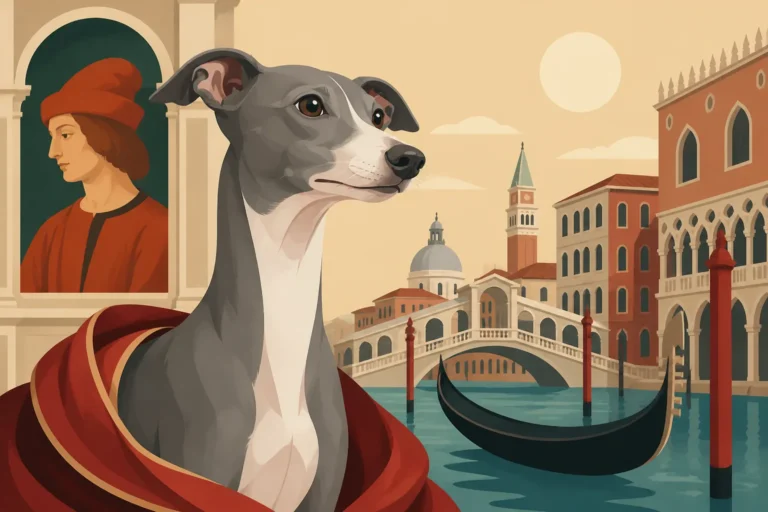
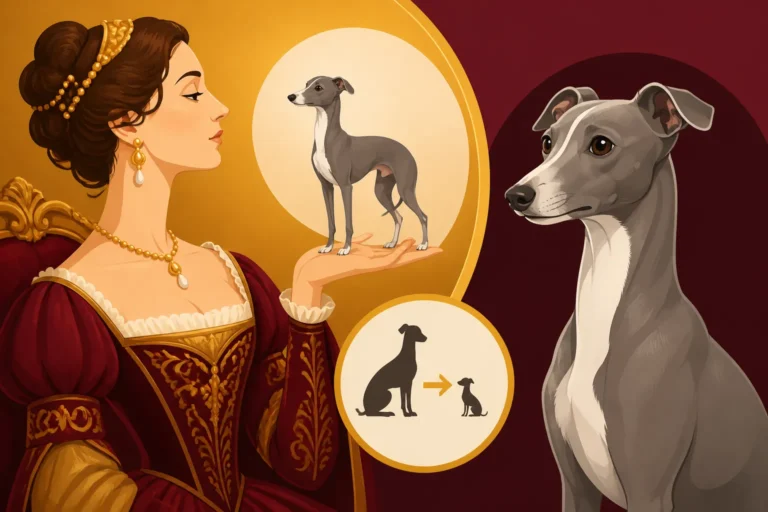
The Italian Greyhound, with its elegant lines, delicate build, and captivating eyes, quickly found favor within the aristocratic circles of Europe. Originating in ancient times, perhaps tracing its lineage back to Egyptian pharaohs or Roman emperors, this exquisite breed truly blossomed during the Renaissance, particularly in Italy, which gave the breed its modern name. Its diminutive size and graceful demeanor made it the perfect companion for noblewomen and, eventually, powerful monarchs.
As the breed spread across the continent, from Italy to France, and then to England and Prussia, its popularity grew exponentially. Artists of the era, keen to capture the essence of their noble patrons, often included these slender sighthounds in their paintings, immortalizing their presence in the lap of luxury. These artistic representations, from the works of Giotto to those of Veronese, show Italian Greyhounds nestled on laps, at the feet of royalty, or even prominently featured in grand portraits, cementing their image as symbols of refinement and grace. This rise to prominence wasn't accidental; the breed possessed a unique charm that resonated deeply with the sensibilities of the age.
What Made the Italian Greyhound a Royal Favorite
Several characteristics set the Italian Greyhound apart and made it particularly appealing to royalty. Firstly, their exquisite beauty and aristocratic bearing perfectly complemented the opulence of court life. They were living works of art, mirroring the refined aesthetics of their owners. Their delicate appearance, however, belied a surprisingly robust and intelligent spirit, capable of forming incredibly strong bonds. The Italian Greyhound Is Two Thousand Years Old and its long history as a companion meant it was well-suited to indoor life.
Secondly, their gentle and affectionate nature made them ideal companions. Unlike larger, more boisterous dogs, Italian Greyhounds were known for their quiet devotion, often described as "velcro dogs" due to their desire to be constantly by their owner's side. In a world where genuine affection could be scarce and relationships often transactional, an Italian Greyhound offered unconditional love and loyalty. This deep connection provided much-needed emotional support to rulers constantly under pressure. They were also relatively low-maintenance in terms of grooming, a bonus for busy royals, though keeping them warm was always a consideration due to their thin coats, making Keeping an Italian Greyhound Warm Is Daily Work, Not a Winter Job a consistent task.
| Trait | Why it appealed to Royalty & Nobles |
|---|---|
| Elegant Appearance | Symbolized wealth, status, and refined taste. |
| Small Size | Easily transportable, ideal for indoor court life. |
| Affectionate Nature | Provided unconditional love and emotional solace. |
| Quiet Demeanor | Well-behaved indoors, not disruptive to court. |
| Loyalty | Offered trust and companionship in a world of intrigue. |
Frederick the Great: A Monarch of Enlightenment and Affection
Frederick II, known as Frederick the Great, ruled Prussia from 1740 to 1786. He was a complex figure: a brilliant military strategist, an enlightened monarch who reformed the Prussian bureaucracy, an accomplished flautist, and a philosopher who corresponded with Voltaire. Yet, beneath the veneer of the stoic king lay a man deeply devoted to his Italian Greyhounds, finding in them the understanding and companionship that eluded him in his human relationships.
A King's Public Persona vs. Private Devotion
The public image of Frederick the Great was one of strict discipline, military prowess, and unwavering reason. He was a demanding ruler, often seen in uniform, dedicated to the prosperity and power of Prussia. His childhood was marked by a difficult relationship with his father, Frederick William I, who despised his son's intellectual and artistic inclinations, preferring military pursuits. This upbringing undoubtedly shaped Frederick's reserved and often cynical public persona.
However, behind the grand facades of his palaces, particularly at Sanssouci, his beloved summer residence, a different Frederick emerged. Here, he shed the weight of his crown, surrounded by books, music, and, most importantly, his pack of Italian Greyhounds. In their company, he was known to be gentle, playful, and deeply affectionate. They were his inner circle, privy to his true nature, a stark contrast to the guarded and authoritative figure he presented to his court and the world. This private devotion revealed a profound need for genuine connection, a need that his human relationships often failed to satisfy.
The Solace of Sighthounds in a Demanding Life
Frederick's life was one of constant pressure and responsibility. He inherited a burgeoning kingdom and transformed it into a major European power, a feat that required relentless work, difficult decisions, and often brutal military campaigns. The Seven Years' War, in particular, was a grueling period of his reign, filled with immense stress and personal losses. During these times, his dogs were his constant companions, providing a quiet, comforting presence.
It's easy to imagine the exhausted king returning from battle or a day of intense statecraft, finding solace in the soft presence of an Italian Greyhound curled on his lap or gently nudging his hand. The Italian Greyhound as a Bed Warmer was a historical role for the breed, and Frederick certainly appreciated their ability to bring warmth and comfort. Their silent loyalty offered an escape from the human politics and expectations that weighed so heavily on him. They asked for nothing but affection and returned it tenfold, a balm for a soul accustomed to suspicion and criticism. For Frederick, his sighthounds were not just pets; they were integral to his emotional well-being, providing an anchor in a tumultuous existence.
The King's Many Italian Greyhounds and Their Names
Frederick the Great was truly a "dog person," and his affection wasn't limited to just one or two companions. Over his lifetime, he owned a considerable number of Italian Greyhounds, each deeply cherished. He knew them by name, understood their individual personalities, and treated them with the utmost respect. His favorites often had playful or descriptive names, reflecting his personal connection to them.
Among his most famous companions were names like Biche and Alcmène, who were often by his side and are mentioned in his personal correspondence. When Biche died, the king was heartbroken, carrying her body in his arms before having her buried near him. He even wrote a poem mourning her loss, a testament to the depth of his grief. This was not a man who took the loss of a pet lightly; each dog was a member of his inner circle, providing him with unwavering affection. He was surrounded by them at Sanssouci, often having six or seven Italian Greyhounds at a time, each finding a warm spot on his furniture or under his blankets. Which Royals Kept Italian Greyhounds often shows a pattern of deep affection for their animals, but Frederick's devotion stands out.
The Bonds Forged in Sanssouci: Life with the Iggies
Sanssouci, Frederick the Great's summer palace in Potsdam, was deliberately designed as a retreat from the rigid formalities of court. Its name, "Sanssouci," translates to "without concerns" or "no worries," perfectly encapsulating the king's desire for a place of peace, reflection, and unrestricted companionship with his beloved Italian Greyhounds. It was here that their unique bond truly flourished, far from the prying eyes of courtiers.
Daily Life with Frederick's Italian Greyhounds
At Sanssouci, Frederick's Italian Greyhounds were integral to his daily routine. They weren't relegated to kennels or kept at a distance; they were allowed free run of the palace and grounds, a privilege unheard of for most animals in royal residences. They slept in his bed, joined him at his desk as he composed music or wrote philosophical treatises, and accompanied him on his walks through the terraced gardens. It was a life of constant, intimate companionship, much like how many of us cherish our Italian Greyhounds today.
He often dined with his dogs, sharing his meals directly from his plate, a practice that horrified some of his more fastidious courtiers but was a source of great joy for the king. This level of intimacy showcased a complete disregard for traditional etiquette when it came to his dogs. He understood their need for closeness, recognizing them as sentient beings deserving of comfort and respect. Their presence was a constant, calming factor, grounding him amidst the grandeur and political turmoil of his reign. What an Italian Greyhound Does All Day with Frederick was likely a lot of napping, following, and receiving affection.
The King's Personal Care and Attention
Frederick wasn't merely an owner; he was a caretaker. He took a personal interest in the well-being of his Italian Greyhounds, often attending to their needs himself rather than delegating entirely to servants. He would nurse them when they were sick, showing a tenderness rarely seen from the stern monarch. This hands-on approach further cemented the unique bond he shared with each dog. He understood that these delicate creatures needed specific care, from warmth to gentle handling, reflecting a true understanding of the breed's vulnerabilities.
His attention extended to ensuring their comfort and happiness, providing them with soft beds and ample freedom within his private domains. This level of personal involvement speaks volumes about his character and his deep emotional investment in his pets. For a king, whose every whim was typically catered to by a legion of staff, choosing to personally care for his dogs was a powerful statement of affection and a clear indication of where his true emotional attachments lay. Even today, Italian Greyhound owners understand the unique care these dogs require, from specialized bedding to protecting their delicate skin, which is why brands like Chewy offer a range of products to cater to their specific needs.
The Unusual Privileges Granted to Royal Pets
Frederick's Italian Greyhounds enjoyed an unparalleled level of privilege. They were essentially members of the family, or rather, the only family members he chose to keep close. They were not just tolerated; they were celebrated. Unlike many royal pets who might have dedicated handlers, Frederick ensured his dogs were with him, almost constantly.
They were allowed to roam freely, even within areas generally restricted to the highest-ranking officials. This freedom spoke volumes about the king's trust in them and his desire for their happiness. Historical accounts often marvel at the sight of these small sighthounds following the great king, unhindered by leashes or guards, a clear demonstration of their revered status. This was a king who preferred the company of his dogs to much of humanity, and he made sure their lives reflected that preference, creating an environment where their needs for warmth, companionship, and comfort were paramount, qualities that modern owners still strive for, often turning to resources for advice on The Velcro Dog: What Constant Company Means With an Italian Greyhound.
The Poignant Request: A Final Resting Place
Frederick the Great's devotion to his Italian Greyhounds extended beyond his lifetime, culminating in a deeply personal and unconventional request for his burial. This poignant instruction, often seen as eccentric by his contemporaries, truly highlights the unparalleled bond he shared with his canine companions and his desire for their eternal presence.
Frederick's Will and the Burial Instructions
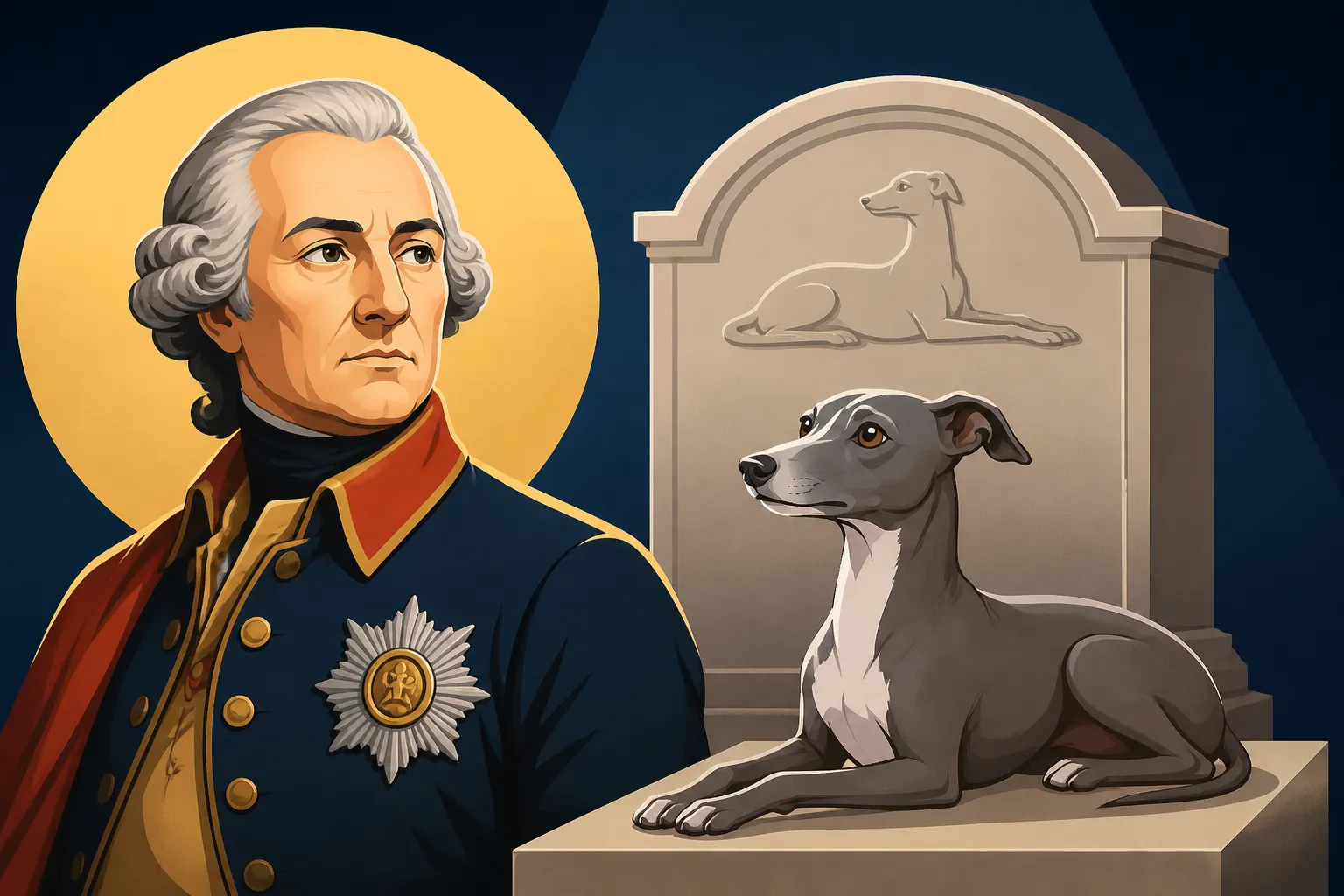
In his will, Frederick the Great explicitly stated his wish to be buried in the uppermost terrace of his beloved Sanssouci, next to his Italian Greyhounds. This was a direct, clear instruction, an act of profound sentiment from a man known for his rationality and military might. He didn't want to lie in state next to his ancestors in the Hohenzollern family crypt in Berlin; he wanted to rest with the creatures who had brought him unconditional joy and comfort throughout his long and often arduous reign.
This specific instruction was a quiet defiance of royal tradition, a powerful testament to the value he placed on these delicate dogs. It wasn't about grandeur or status; it was about love and companionship. He envisioned a simple grave, near his beloved dogs, in the garden he himself designed and cherished. This wish, coming from such a formidable figure, revealed a vulnerability and a depth of affection that surprised many. Where Frederick the Great Buried His Italian Greyhound was not a king's crypt, but a simple plot in a garden.
The Significance of Being Buried with Dogs
For Frederick, being buried with his dogs was more than just a sentimental gesture; it was a deeply symbolic act. In many cultures, pets are considered family, and the desire to be reunited in death is a powerful expression of that bond. For a man who often expressed disillusionment with humanity and found loyalty lacking in his court, his dogs represented pure, unadulterated faithfulness. Their unwavering devotion contrasted sharply with the political maneuverings and betrayals he experienced throughout his life.
His choice signified that these creatures, often dismissed as mere animals, were his true peers, his trusted companions in a way that no human ever could be. It underscored his belief in a connection that transcended social status and human complexities. This act speaks to the profound emotional void that pets can fill for us, especially for those in positions of immense power and isolation, highlighting Why an Italian Greyhound Attaches to One Person so deeply. It's a universal truth for many dog owners: the bond is so strong, you wish it could last forever, even beyond life itself.
The Delayed Fulfillment of His Last Wish
Despite his explicit instructions, Frederick the Great's wish for a simple burial at Sanssouci next to his Italian Greyhounds was not immediately honored. Upon his death in 1786, his nephew and successor, Frederick William II, ignored the king's will, choosing instead to inter him in the Potsdam Garrison Church, alongside his father. It was a decision likely driven by a desire to maintain royal tradition and consolidate the public image of the monarchy, rather than respect the intensely personal wishes of the deceased king.
For over 200 years, Frederick the Great lay in a tomb far from his beloved Sanssouci and his loyal dogs. It wasn't until the reunification of Germany, and following another clause in his will, that his remains were finally moved. In 1991, on the 205th anniversary of his death, Frederick the Great was reburied in the exact spot he had chosen, on the terrace of Sanssouci, fulfilling his long-delayed wish. This eventual recognition of his desire speaks to the enduring power of his story and the respect finally accorded to his profound love for his canine companions.
The Grave Site: A Lasting Tribute at Sanssouci
The ultimate fulfillment of Frederick the Great's wish to be buried amongst his Italian Greyhounds transformed a simple garden terrace into a powerful symbol of loyalty, love, and the unique bond between humans and their dogs. Today, Sanssouci remains not just a magnificent palace, but a pilgrimage site for those who understand the depth of this connection.
Finding the Resting Place of the Royal Iggies
The graves of Frederick's Italian Greyhounds are located on the uppermost terrace of the Sanssouci vineyard, directly in front of the palace. It’s a beautifully serene spot, overlooking the terraced gardens and the fountain below. For those visiting Sanssouci, these graves are unmistakable. Simple, rectangular stone slabs, flush with the ground, mark the final resting places of his beloved dogs. They are not grand mausoleums, but rather understated markers that perfectly reflect the king's desire for simplicity in death.
Adjacent to these dog graves, one will find the final resting place of Frederick himself. The king's grave is also a relatively modest stone slab, placed precisely where he instructed. It's a truly moving sight, to see a great European monarch finally at peace, surrounded by the only companions he truly trusted. This location, chosen by Frederick himself, underscores the deep personal significance of his pets and the profound comfort they brought him.
The Symbolism of His Chosen Location
Frederick's choice of burial site was deliberate and imbued with deep personal symbolism. The vineyard terrace at Sanssouci was his favorite spot. It offered stunning views, peace, and quiet, a stark contrast to the bustling, politically charged atmosphere of the main court in Berlin. By choosing this location, he essentially opted for an eternal retreat from the cares of the world, much like Sanssouci itself was his earthly escape.
Being buried with his dogs, and not merely near them in a separate area, signifies an ultimate expression of belonging and acceptance. It was a rejection of the hierarchical traditions of royal burial in favor of a profound, personal statement about what truly mattered to him in life. The location itself speaks to a deep appreciation for nature, tranquility, and the simple, honest companionship of his Italian Greyhounds, reinforcing his known disdain for human hypocrisy and formality.
Visiting the Memorial Today
For dog lovers, and particularly Italian Greyhound enthusiasts, visiting Sanssouci and the graves of Frederick the Great and his dogs is a truly special experience. It offers a tangible connection to a historical figure whose love for his pets resonates powerfully even centuries later. Standing on that terrace, looking out over the gardens, one can almost feel the presence of the king and his small, elegant companions.
The site is meticulously maintained, a testament to the enduring historical and emotional significance of Frederick's story. It serves as a reminder that the bond between humans and dogs is a timeless and universal experience, one that can transcend even the strictest protocols of royalty. Many visitors leave flowers or small tokens at the graves, paying their respects not just to a king, but to a profound animal lover. It's a place that validates the depth of affection we feel for our own pets, affirming that this isn't just a modern phenomenon, but a centuries-old tradition of mutual devotion.
What Frederick's Story Teaches Us About Italian Greyhounds
Frederick the Great's extraordinary devotion offers more than just a historical anecdote; it provides invaluable insights into the enduring nature and unique characteristics of the Italian Greyhound breed. His life with his "iggies" highlights the profound connection these dogs form with their human companions, a connection that continues to captivate owners today.
The Enduring Appeal of the Italian Greyhound
The characteristics that endeared Italian Greyhounds to Frederick the Great centuries ago are precisely what draw people to them today. Their refined elegance, often described as aristocratic, combined with their delicate structure and affectionate personalities, creates an irresistible appeal. They are beautiful to behold, but it's their inner qualities – their deep loyalty, their gentle nature, and their profound need for companionship – that truly capture the heart.
This enduring appeal isn't just about aesthetics; it's about the unique relationship they offer. Italian Greyhounds thrive on human interaction, forming intense bonds with their families. They are not dogs content to be left alone in a yard; they want to be part of every aspect of their owner's life, a trait that clearly resonated with Frederick's isolated existence. Their soft gaze and quiet presence can be incredibly comforting, providing a sense of peace and understanding that is rare.
Understanding Their Deep Need for Connection
Frederick's experience underscores a fundamental truth about Italian Greyhounds: they are a breed with an incredibly deep need for connection and companionship. They are often referred to as "velcro dogs" for a reason; they want to be physically close to their person, following them from room to room, seeking warmth and comfort. This isn't just a preference; it's an intrinsic part of their breed nature. Why an Italian Greyhound Follows You Room to Room isn't clinginess, it's their nature.
This profound need for connection means they don't do well with prolonged solitude. An Italian Greyhound left alone for too long can become anxious or stressed. They thrive in environments where they are integrated into family life and receive consistent attention and affection. Frederick understood this instinctively, ensuring his dogs were always by his side. Recognizing and meeting this need is crucial for any Italian Greyhound owner, as it forms the bedrock of a happy, well-adjusted pet and a fulfilling relationship.
Nurturing the Bond with Your Own Italian Greyhound
Inspired by Frederick's example, we can learn how to truly nurture the bond with our own Italian Greyhounds. It starts with prioritizing companionship and ensuring they feel secure and loved. Providing a warm, cozy environment is paramount, as their thin skin means they get cold easily. Soft blankets, comfortable beds, and even sweaters (like those readily available from online retailers such as Chewy) are essential for their physical comfort. The Bedding a Thin Skinned Italian Greyhound Actually Needs is very important.
Beyond physical comfort, consistent positive interaction is key. Daily cuddles, gentle play, and including them in your activities – whether it's working from home or relaxing on the sofa – will reinforce their sense of belonging. Understanding their sensitive nature, similar to Why Raising Your Voice Sets an Italian Greyhound Back a Month, means approaching training and correction with kindness and patience. Just like Frederick, we can find immense joy and solace in the unwavering affection of these remarkable dogs by meeting their needs for companionship and warmth.
Modern-Day Echoes: The Italian Greyhound as a Companion
The story of Frederick the Great and his Italian Greyhounds is far from an isolated historical curiosity. It resonates deeply with countless Italian Greyhound owners today, underscoring the timeless qualities of this unique breed and the enduring human desire for unconditional love and companionship. Their needs for warmth, security, and constant presence are just as vital now as they were in the 18th century.
Continuing the Legacy of Devotion
Today's Italian Greyhound owners are, in many ways, continuing the legacy of devotion exemplified by Frederick the Great. We lavish our Iggies with love, provide them with comfortable homes, and integrate them fully into our lives. We understand their delicate nature and take steps to protect them, from investing in proper nutrition to ensuring they have safe spaces for play. The commitment to their well-being is a testament to the profound impact these dogs have on our lives.
Many owners find themselves drawn to the breed precisely because of their reputation as affectionate, loyal companions. They are chosen not for their utility, but purely for the joy and emotional support they provide. This focus on companionship mirrors Frederick's own motivations, showing that some bonds are simply beyond price or practical consideration. What Owning an Italian Greyhound Costs That Nobody Warns You About often includes the emotional investment, which is truly priceless.
The Unique Needs of These Sensitive Souls
Just as Frederick recognized and catered to the specific needs of his Italian Greyhounds, modern owners must do the same. Their thin coats mean they are particularly susceptible to cold, requiring sweaters or blankets even indoors, especially for Why an Old Italian Greyhound Feels the Cold More. Their delicate bones require a home environment free of high jumps and falls, with ramps or steps to furniture being a common solution, as discussed in Ramps and Steps for an Italian Greyhound's Furniture.
Beyond physical care, their sensitive temperaments demand a gentle, patient approach to training and socialization. They thrive on routine and positive reinforcement, wilting under harshness. Providing them with a secure, loving environment where they feel safe and cherished is paramount. Understanding these unique needs is key to fostering a happy and healthy Italian Greyhound, ensuring they live long, comfortable lives as cherished family members.
Resources for Italian Greyhound Owners
For those embarking on the journey of Italian Greyhound ownership, or those already deeply in love with their little sighthounds, there are many resources available to help continue this legacy of devotion. From specialized diets to custom-fit clothing, ensuring their comfort and health is a priority. Retailers like Chewy offer a vast selection of products tailored for small, sensitive breeds, making it easier than ever to find everything from orthopedic beds to warm winter coats.
Beyond products, connecting with other Italian Greyhound enthusiasts through breed clubs, online forums, and local meetups can provide invaluable advice and support. Sharing experiences and learning from seasoned owners helps navigate the unique challenges and celebrate the immense joys of living with an Italian Greyhound. Whether it's discussing Caring for an Italian Greyhound Past Eleven or finding the right gear for Walking an Italian Greyhound in Snow, a supportive community makes all the difference in providing the best possible care for these unique and beloved companions.
Disclaimer
This article is for general informational purposes only and does not constitute professional advice. Laws, prices and regulations vary by location and change over time. Consult a qualified professional for guidance on your specific situation.