Whether an Italian Greyhound Is Smaller Than a Whippet
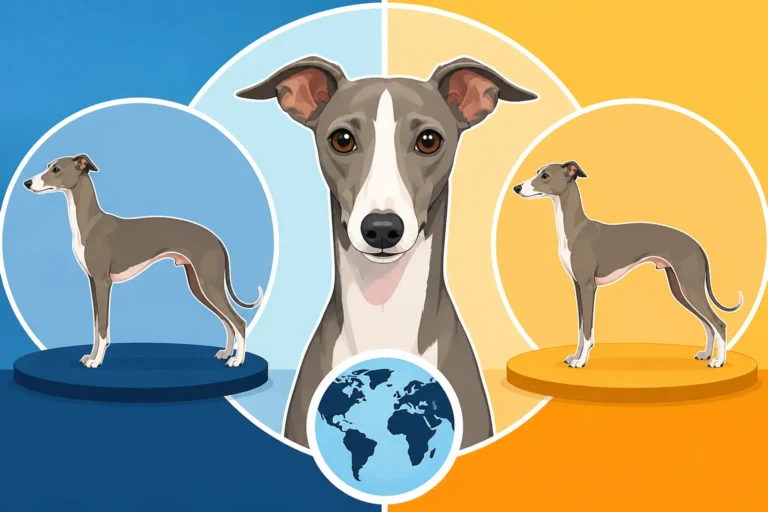
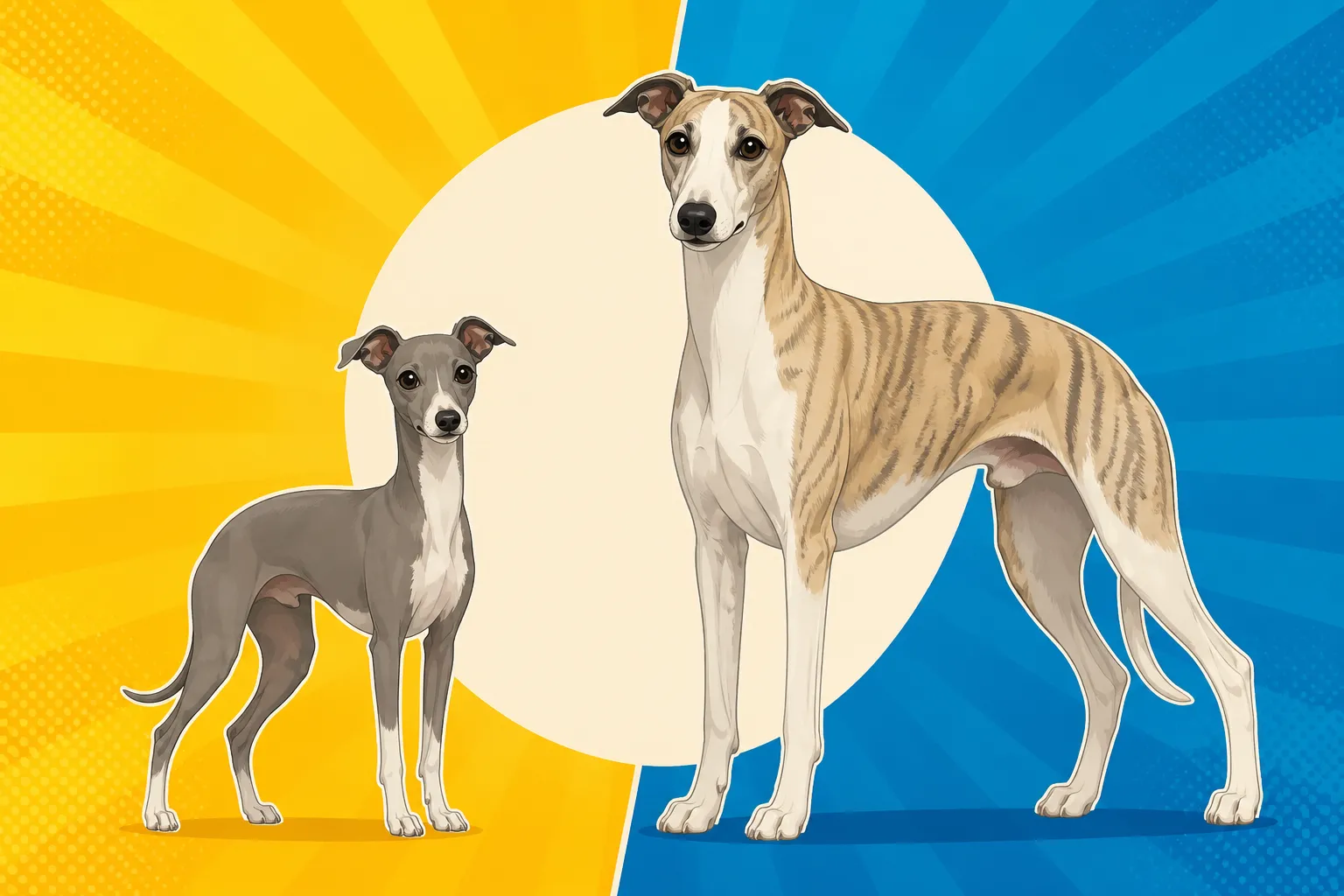
An Italian Greyhound is noticeably smaller than a Whippet, even though both breeds share the slim build and tucked-up waist of sighthounds. The difference shows up in height, weight, leg length, and how much space each dog takes up at home. This guide compares typical adult sizes and explains what those numbers mean when choosing equipment, planning daily life, or identifying the breed.
Italian Greyhound and Whippet size at a glance
Height and weight compared
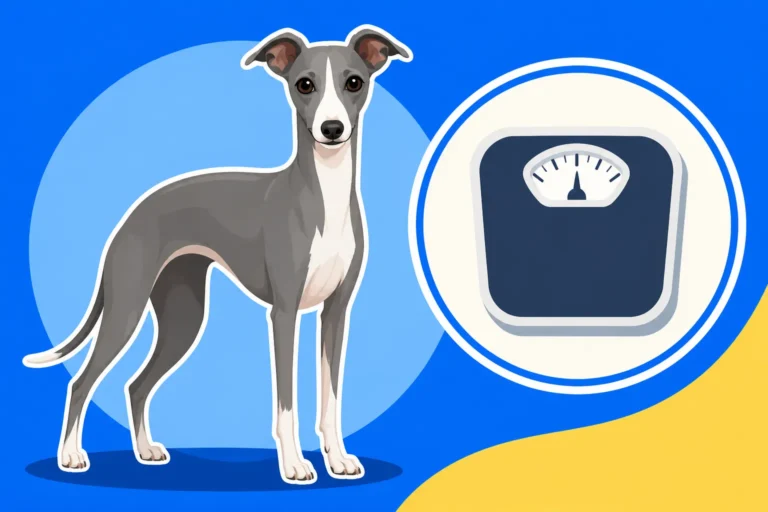
Adult Italian Greyhounds are generally around 13 to 15 inches tall at the shoulder and commonly weigh about 7 to 14 pounds. Whippets are substantially taller and heavier: adults are typically about 18.5 to 22 inches at the shoulder and often weigh roughly 25 to 40 pounds. Exact size varies between individual dogs, and a dog’s health and body condition matter more than a number on a scale.
| Size feature | Italian Greyhound | Whippet |
|---|---|---|
| Typical adult height at the shoulder | About 13 to 15 inches | About 18.5 to 22 inches |
| Common adult weight | About 7 to 14 pounds | About 25 to 40 pounds |
| Overall impression | Small, fine-boned, and light | Medium-sized, taller, and more substantial |
| Everyday handling | Usually easy to lift, but physically delicate | Larger and heavier, though still lean |
| Equipment fit | Often needs small, breed-appropriate sizing | Usually needs larger sizing |
The height measurement is taken from the floor to the top of the shoulder, not to the top of the head. That distinction helps explain why a dog can look tall while standing alert but still fall within the typical height range. For a closer look at the smaller breed’s measurements, see What an Italian Greyhound Weighs and How Tall It Stands, How Tall an Italian Greyhound Stands, and How Much an Italian Greyhound Weighs.
The weight gap can be even more striking than the height gap. A Whippet may weigh several times as much as an Italian Greyhound, but neither dog should be judged by weight alone. A healthy sighthound is naturally lean, and ribs or hip bones that are visible to some degree can be normal. If you are unsure whether an individual dog is too thin or carrying excess weight, ask a veterinarian to assess body condition rather than comparing it with a breed average.
What the numbers look like in real life
Imagine an Italian Greyhound and a Whippet standing side by side in a hallway. The Whippet’s head and shoulders will usually sit higher, and its longer legs and deeper, larger frame make it take up more vertical and horizontal space. The Italian Greyhound may look like a scaled-down version at first glance, but it is not simply a tiny Whippet: its proportions, bone structure, and breed type are distinct.
The difference is also noticeable when you pick them up. An adult Italian Greyhound is often light enough to lift comfortably, but that does not make it a dog to handle carelessly. Its slim legs and fine bone structure call for steady, secure support, especially when a dog is being lifted on or off furniture. A Whippet is typically too heavy for many people to carry around routinely, but its larger build can make it feel less delicate in everyday handling.
Size is only one part of the comparison. If you want a broader look at the breeds’ physical differences, read How an Italian Greyhound Differs From a Whippet and Whether an Italian Greyhound Is a Miniature Greyhound. The latter distinction is useful because Italian Greyhounds are a separate breed, not miniature Whippets.
Why an Italian Greyhound looks so much smaller
A similar outline, a different scale
Both breeds have the classic sighthound silhouette: a narrow waist, long legs, a deep chest, and a fine, short coat. From across a park, that shared outline can make an Italian Greyhound look like a Whippet puppy or a small Whippet. Up close, the difference in frame is clear. A Whippet has more overall height, length, muscle, and body mass.
Italian Greyhounds also have a notably fine-boned appearance. Their limbs look narrow, and their bodies are light for their height. This does not mean a healthy Italian Greyhound should look weak or bony all over. Breed build and individual condition are different things: a dog can be elegant and slender while still having good muscle and an appropriate body condition.
Whippets are lean athletes too, but their larger frame gives them more substance. They are built for speed, yet they generally have more weight behind each stride and are less easily mistaken for a toy-sized dog. The contrast is especially obvious when the dogs are resting together: a Whippet’s body may stretch across a sofa, while an Italian Greyhound can curl into a much smaller space.
Size differences do not mean different needs in every area
It is tempting to assume that the smaller dog needs less of everything. Some practical needs do change with size: an Italian Greyhound eats smaller portions, needs a smaller bed, and usually wears smaller equipment. But size alone does not determine exercise, companionship, training, or enrichment needs. Both breeds benefit from suitable opportunities to move and use their minds.
Their physical differences do affect how you plan a home. For an Italian Greyhound, a high jump down from a sofa or bed can be a concern, especially for a puppy or an excitable dog. A Whippet is larger, but it can also launch itself onto furniture and move quickly through a room. Furniture access, stairs, and slippery floors deserve thought with either breed.
If you are comparing a potential family companion, consider the full package rather than choosing by appearance alone. The smaller dog may be easier to carry and fit into a compact living space, but it is still a sensitive, active sighthound. For more about size variation within the breed, see What Weight Range an Italian Greyhound Should Fall In and Whether Male and Female Italian Greyhounds Differ in Size.
How the size difference affects daily life
Choosing coats, harnesses, and other equipment
A Whippet-sized coat or harness is usually too large for an Italian Greyhound, even if the dogs seem to have similar slim outlines. The fit depends on several measurements, including chest girth, neck size, and back length. Italian Greyhounds can be especially tricky to fit because their chests are deep while their waists are narrow. A loose coat may twist, and a poorly fitted harness can rub or slip.
Measure the dog rather than choosing equipment by breed label alone. Different manufacturers cut items differently, so compare the measurements with the sizing chart for the specific product. If you are browsing a retailer such as Chewy, check the product’s measurement instructions before ordering rather than assuming that “small” means the same thing across brands. That extra step can save the hassle of trying to make an ill-fitting item work.
Fit matters for practical reasons, not just appearance. A coat that rides up may leave part of the dog’s body exposed in cold weather, while an oversized harness may allow a narrow-headed dog to back out. Some Italian Greyhound owners find breed-specific cuts useful, but an individual dog’s measurements should still guide the choice. A Whippet also needs a secure fit; its larger size does not make a slipping harness safe.
Planning for beds, vehicles, and living space
An Italian Greyhound generally takes up less room than a Whippet, but both dogs may prefer a soft, warm resting place and a comfortable spot near their people. A bed that technically fits a dog may not suit the way it sleeps. Some dogs curl into a tight ball; others stretch out fully, so check the dog’s sleeping posture before settling on a bed size.
The same principle applies to car travel. The Italian Greyhound’s small body may make it easier to accommodate in a vehicle, but it still needs a secure travel setup. A Whippet’s longer body and greater weight mean that the carrier, restraint, or crate needs to be sized accordingly. In either case, do not rely on the dog staying still on a seat: secure restraint helps protect the dog during sudden stops.
If you shop for bedding or travel gear through Chewy or another retailer, use the listed interior dimensions and compare them with your dog’s length and preferred sleeping position. For coats, harnesses, beds, or carriers, the dog’s actual measurements are more dependable than the assumption that one product size fits every Italian Greyhound.
Which breed is the better fit for your household
When the Italian Greyhound’s smaller size may suit you
An Italian Greyhound may be a practical choice if you want a small, light companion and are prepared to handle a fine-boned dog thoughtfully. The breed’s size can make it easier to carry, accommodate in a smaller home, and include in many everyday routines. Its small footprint does not make it a low-maintenance ornament, though. Italian Greyhounds need companionship, safe exercise, and care suited to their sensitive build.
Think about your household’s habits. A home where people routinely leave doors open, allow dogs to leap from high furniture, or encourage boisterous play with much larger dogs may need adjustments. A small dog can be hard to spot underfoot, and a dog that is easy to lift still needs to be picked up securely. The practical benefit of a lighter dog comes with responsibility for preventing avoidable falls and rough handling.
When a Whippet’s larger size may suit you better
A Whippet may suit someone who prefers a taller, sturdier-feeling dog but still likes the lean sighthound shape. Its size is more substantial, though it is not a giant breed. That extra height and weight affects more than the amount of food in the bowl: it changes the fit of equipment, the space needed for a bed, and how easily someone can lift or restrain the dog.
Consider your ability to manage a dog that can move quickly and weighs considerably more than an Italian Greyhound. A Whippet may feel less fragile in ordinary handling, but it still needs safe management and appropriate equipment. Living in an apartment does not automatically rule out either breed; routine, exercise, training, and the dog’s individual temperament matter as much as floor space. For a direct comparison of apartment suitability, see Italian Greyhound or Whippet for an Apartment.
Whichever breed you choose, meet adult dogs if possible and ask owners about the everyday reality, not just height and weight. A puppy can be difficult to picture as an adult, and individual dogs vary in confidence, activity, and comfort with handling. Chewy and other retailers can help you compare listed gear dimensions, but selecting a breed is better based on the dog’s adult size, care needs, and fit with your household than on a shopping label.
Disclaimer
This article is for general informational purposes only and does not constitute professional advice. Laws, prices and regulations vary by location and change over time. Consult a qualified professional for guidance on your specific situation.