How Mary Beatrice d’Este Brought Italian Greyhounds to England
Mary Beatrice d’Este arrived in England as an Italian princess in a court where small, elegant companion dogs could make a striking impression. Her story is often linked to the Italian Greyhound’s arrival in Britain, but “brought the breed to England” can imply more certainty than the historical record supports. This guide separates the familiar account from what can responsibly be said about her influence.
Who Mary Beatrice d’Este Was
An Italian princess at the English court
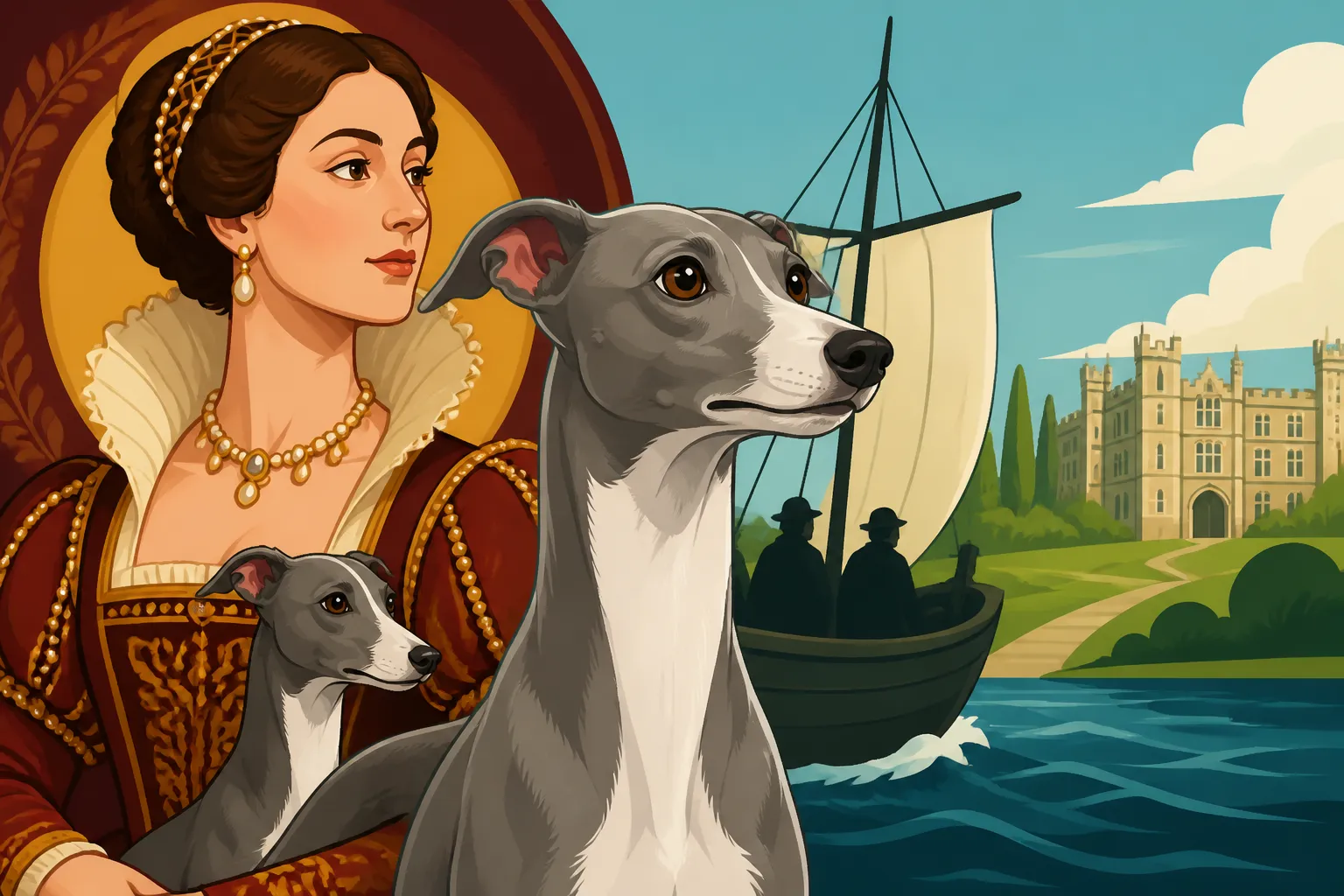
Mary Beatrice d’Este was born in Modena, a duchy in northern Italy, in 1658. Her marriage to James, Duke of York, brought her into the English royal family. James later became King James II, and Mary Beatrice became queen consort. Her life therefore connected an Italian court and its customs with the English court at a time when royal households were important centers of fashion and influence.
It is easy to picture her arrival as a simple story: an Italian princess crosses the Channel with a distinctive little dog, and the English fall in love with the breed. That image is appealing, but the history is more complicated. Royal arrivals involved households, attendants, possessions, and animals, and not every detail was recorded in a way that lets us identify a dog confidently by modern breed name.
The phrase “Italian Greyhound” itself can also blur the timeline. People may use it today to describe dogs that look like the breed, but historical writers and artists did not always use consistent labels. A small, fine-boned sighthound in an old portrait may resemble an Italian Greyhound without proving that it was a pedigree dog in the modern sense. For broader context about the breed’s name and identity, see Why the Breed Is Called the Italian Greyhound.
Her marriage and move to England
Mary Beatrice married James in 1673, when he was Duke of York and heir to the English throne. She moved into a court shaped by political pressures, religious disputes, and shifting alliances. In that setting, her Italian background was part of how people understood and represented her. Her clothing, household customs, and connections to continental Europe could all attract attention, though that does not mean every Italian-associated fashion at court began with her.
Her move mattered culturally because royal households could help make styles visible. Courtiers observed what a queen wore, what objects she collected, and what animals appeared around her. If Mary Beatrice kept small Italian dogs, their presence could have helped make such dogs familiar or fashionable among people who wanted to imitate court life. That is a plausible route for influence, even if it cannot establish that she single-handedly introduced the breed.
It also helps to distinguish a royal household’s influence from a formal breed introduction. Dogs resembling Italian Greyhounds may have reached Britain through travelers, trade, aristocratic marriages, or other European connections before or after Mary Beatrice’s arrival. Her story is one meaningful thread in the history, not necessarily the starting point of every Italian Greyhound in England.
Did Mary Beatrice Bring Italian Greyhounds to England
The traditional account and what it can mean
The traditional account associates Mary Beatrice with bringing Italian Greyhounds to England. In its simplest form, it says that she brought the dogs with her from Italy and helped establish their appeal among English aristocrats. It is a story repeated because it fits the breed’s graceful appearance, its Italian association, and the well-known influence of royal taste.
But “brought Italian Greyhounds to England” can mean several different things. It might mean that she personally traveled with dogs of that type. It might mean that dogs associated with her household became fashionable after her arrival. Or it might mean that later breed histories credited her with a broader movement of Italian Greyhounds into Britain. Those are related claims, but they are not identical, and the strongest version should not be treated as settled fact without specific evidence.
A careful account can acknowledge the tradition without turning it into certainty. Mary Beatrice’s Italian origin and position at court make her a credible figure in the story of the breed’s British visibility. Yet a claim that she was definitively the first person to bring the breed, or that all later British Italian Greyhounds descended from her dogs, requires evidence beyond the general association.
The difference between a dog type and a modern breed
A second complication is the meaning of “breed.” Modern dog breeds are understood through established standards, pedigrees, and organized breeding practices. In the seventeenth century, small sighthounds could be recognizable as a type without being tracked or classified in the same way. People might have described a dog by its size, appearance, country of origin, or purpose rather than by a standardized breed designation.
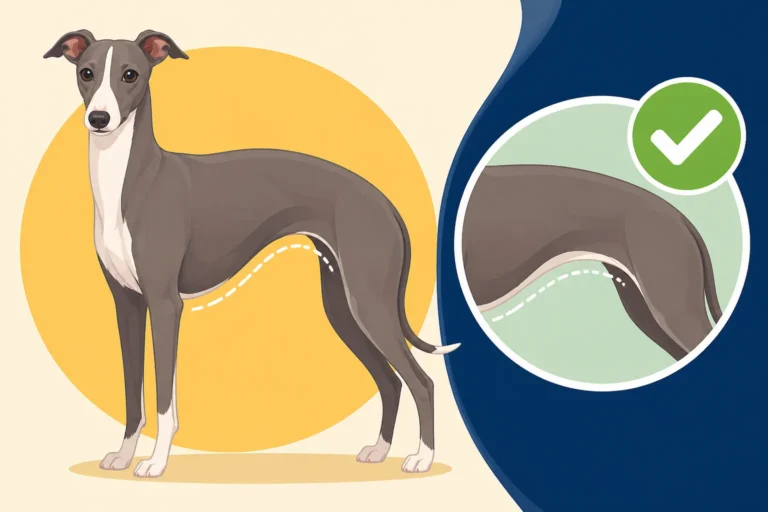
That does not make the historical dogs irrelevant. It simply means that a portrait or written reference may identify a kind of dog rather than a modern Italian Greyhound with documented lineage. A slim dog with a tucked-up body and long legs might be a close relative or predecessor, but visual resemblance alone cannot settle its identity.
This distinction is useful whenever a breed history makes a bold claim about a single royal or noble owner. The person may well have owned dogs of the relevant type and helped make them fashionable. That is different from proving a continuous, formally documented breed population. The broader question of the breed’s presence in Britain is explored in When the Italian Greyhound Reached Britain.
How Royal Influence Could Have Helped the Breed
Court fashion traveled through imitation
Royal influence rarely worked like a modern advertising campaign. Instead, it spread through observation and imitation. Courtiers saw what members of the royal household favored, and fashionable choices could travel into the homes of aristocrats and wealthy families. Dogs were part of that world: they could be companions, symbols of taste, and familiar presences in portraits and private life.
If Mary Beatrice kept Italian-type sighthounds, their appearance may have strengthened the association between the dogs and continental refinement. A small, fine-coated animal could stand apart from more robust working dogs, and its care required a household comfortable with indoor companionship. That combination could make the dog appealing to people who valued both novelty and status.
Still, a court trend is not the same as universal popularity. Fashion moved unevenly, and ownership depended on money, access to imported animals, and personal preference. A queen’s dogs might have sparked interest among a narrow circle without immediately producing widespread ownership. The history of royals and their dogs offers useful comparisons in Which Royals Kept Italian Greyhounds.
From royal circles to later Victorian fashion
The Italian Greyhound’s British story continued well beyond the seventeenth century. In later periods, the breed appeared in aristocratic and fashionable settings, and its refined silhouette suited the tastes of people who valued elegant companion dogs. By the Victorian era, small breeds could become visible markers of gentility and social style. That later popularity should not be mistaken for proof that Mary Beatrice alone caused it.
Instead, her role makes most sense as an early point of contact between Italian dogs and English court culture. A breed’s reputation is rarely built by one event. It grows through the circulation of dogs, images, stories, breeding choices, and changing ideas about what a companion animal should look like. Mary Beatrice may have contributed to that process, while later owners and breeders helped shape the breed’s place in Britain.
The distinction also helps explain why historical accounts sometimes sound more definite than the evidence allows. A memorable royal name gives a complicated story a clear beginning. The actual history is more gradual: people encountered small sighthounds over time, valued them for different reasons, and eventually developed the breed identity familiar today. For a closer look at the later social image of these dogs, see The Italian Greyhound as a Victorian Status Dog.
How to Read the Story Responsibly
What is reasonable to say
It is reasonable to say that Mary Beatrice d’Este was an Italian-born queen whose move to England connected her household with Italian culture. It is also reasonable to describe her as a figure traditionally associated with bringing Italian Greyhounds, or dogs of that type, to England and helping make them fashionable at court.
It is more cautious to say that she may have helped increase the dogs’ visibility rather than declaring her the sole origin of the breed in Britain. That phrasing recognizes the tradition while leaving room for earlier or parallel arrivals. Historical records are often incomplete, and domestic animals were not always documented as carefully as royal marriages, political events, or major possessions.
When you encounter a statement that she “introduced the breed,” look for what the writer means by introduced. Are they talking about an individual dog, a type of dog, a court fashion, or an established breed population? Those distinctions can turn an oversimplified claim into a more useful historical explanation.
Why the story still matters to breed lovers
The story remains compelling because it captures something true about how companion breeds travel. Dogs move with people. A marriage, a diplomatic connection, or a change of household can bring animals across borders, and royal attention can make an unfamiliar dog seem desirable. Even if Mary Beatrice’s precise role cannot be reduced to a single, fully documented act, her life illustrates how cultural exchange may influence the popularity of a dog type.
It also gives the breed a human context. Italian Greyhounds are often discussed through their narrow build, speed, sensitivity, or need for warmth. Their history reminds us that they were not simply shaped by appearance; they lived in households, accompanied people, and became part of social life across generations. Their association with courts and aristocratic homes is one strand in a much longer story. See The Italian Greyhound as a Bed Warmer for another look at the breed’s history as a close companion.
A balanced version of the account, then, is neither “Mary Beatrice definitely created the Italian Greyhound in England” nor “her connection is only a myth.” She is best understood as a plausible and traditionally celebrated influence in the breed’s early British story. That leaves room for the evidence, while preserving the significance of the cultural bridge she represented.
Disclaimer
This article is for general informational purposes only and does not constitute professional advice. Laws, prices and regulations vary by location and change over time. Consult a qualified professional for guidance on your specific situation.