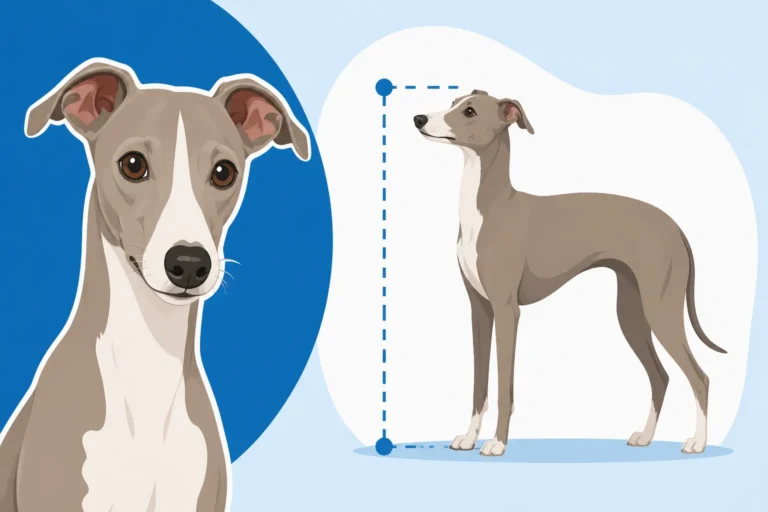
Whether a Cream Italian Greyhound Is Standard
A cream Italian Greyhound can look very different from a white, fawn, or pale blue dog, and lighting can make the distinction surprisingly tricky. If you are wondering whether cream is an accepted color, the short answer is yes under the American Kennel Club standard. Here’s how to understand the shade, check the rules that matter, and avoid confusing show eligibility with health or breeding quality.
Is cream an accepted Italian Greyhound color
What the American Kennel Club standard allows
Under the American Kennel Club breed standard, cream is an acceptable Italian Greyhound color. The standard allows a broad range of colors and markings, with exceptions for brindle and tan markings of the kind normally seen on black-and-tan dogs. In other words, a cream coat by itself does not make an Italian Greyhound ineligible for the AKC show ring.
That distinction is useful because people sometimes assume a pale coat must be rare, unusual, or outside the standard. It isn’t automatically any of those things. Cream is a description of coat appearance, and a dog’s eligibility depends on the full pattern and the rules of the particular registry or show—not simply on whether the coat looks light.
Color rules can differ among kennel clubs and countries. If you are preparing for a specific event, check that organization’s current breed standard and ask the show’s organizers or a knowledgeable breed mentor about any borderline markings. A rule that applies under one registry should not be assumed to apply everywhere.
Cream, white, and fawn are not always easy to tell apart
Color names are descriptive, not always perfectly precise. A cream Italian Greyhound may appear ivory, pale beige, or warm off-white depending on the light, the coat’s condition, and the color of the dog’s skin. A dog that looks nearly white in a bright photo may look noticeably warmer in daylight.
Cream and fawn can overlap in casual descriptions, too. Fawn often suggests a deeper tan or golden tone, while cream generally describes a lighter shade, but there is no universal everyday color chart that every owner, breeder, and registry uses in exactly the same way. If the distinction matters for registration or a show entry, rely on the registry’s terminology and the dog’s official records rather than a social-media caption.
White markings are another reason photos can be misleading. A pale dog may have white areas that blend into the rest of the coat, while a darker dog’s markings are much easier to see. For a wider overview of accepted shades and markings, see Which Colors an Italian Greyhound Comes In and Which Colors the Italian Greyhound Standard Accepts.
How to think about show eligibility
Being a standard color is not the same as being a show-quality dog. Conformation judging considers the whole dog, including structure, movement, proportions, and overall breed type. A cream Italian Greyhound can be the correct color and still have features that make it a poor fit for the show ring; a dog of another accepted color can have the same situation.
It also helps to separate “standard” from “common.” A color can be accepted without appearing frequently in a particular area or breeder’s lines. And a color being less common does not make a puppy more valuable, healthier, or more correct. Color is one small part of a much bigger picture.
| Question | Practical answer |
|---|---|
| Is cream accepted under the AKC standard? | Yes, cream is an accepted color. |
| Does cream automatically make a dog show quality? | No. Judges assess the dog’s overall conformation and movement as well as color. |
| Are all pale dogs cream? | No. Cream, white, and fawn can be described differently, and photos may blur the distinction. |
| Do color rules apply identically in every country? | No. Check the rules of the registry or show you have in mind. |
| Does coat color alone predict health? | No. Health depends on more than appearance, and relevant risks should be discussed individually. |
How cream compares with other Italian Greyhound colors
Cream versus fawn and white
When you are looking at puppies, a cream coat can seem almost white in indoor lighting or photographs. Fawn may look cream-colored when it is very pale, especially in soft light. Looking at the dog in natural daylight, across different parts of the coat, usually gives you a more reliable impression than judging a single photo.
White markings may also change how a coat appears at a glance. A dog with a cream base and lighter areas can look nearly uniform from a distance, while close inspection reveals more contrast. If you are comparing puppies from a litter, ask the breeder how they describe each puppy’s color on the registration paperwork and whether the description is an informal label or an official record.
A puppy’s appearance may shift as it matures. Coat shade can seem lighter or darker as the dog grows, and lighting, seasonal coat condition, and camera settings all affect what you see. For more on that, read How an Italian Greyhound Puppy's Color Changes. The key is not to treat a puppy photo as a guarantee of the adult dog’s exact shade.
Cream versus blue and other dilute colors
Cream is not interchangeable with blue. “Blue” describes a dilute coat color, while cream describes a pale warm shade. Since color terminology can be confusing, it is worth asking a breeder to explain the specific color being recorded rather than inferring it from a photograph or an online listing.
Some coat colors have health considerations that owners may want to understand. Color dilution alopecia is associated with certain dilute-colored dogs, but a coat label on its own cannot diagnose a condition or predict an individual dog’s future. If you are considering a blue Italian Greyhound, Color Dilution Alopecia in a Blue Italian Greyhound explains the issue in more detail. A cream coat should not be treated as proof that a dog has—or does not have—a particular health condition.
When evaluating a breeder, focus on the health information and care provided for the individual dogs, not on dramatic claims about a color being “healthier,” “stronger,” or “rare.” Ask what health testing was done, what results are available, and how the breeder makes decisions about pairings. What an Italian Greyhound Breeder Should Have Tested is a helpful place to start.
Color is not the same as quality or rarity
It is easy to be drawn to a striking shade, especially when a puppy’s coat looks unusual in a well-lit photo. But a desirable color is not a substitute for sound structure, a stable temperament, appropriate socialization, or responsible breeding. A breeder who puts most of the emphasis on color while offering little detail about health and temperament deserves careful questions.
Price claims tied mainly to coat color should also be approached thoughtfully. Some colors may be less common in a particular litter or region, but that does not establish that a dog is better bred or more suitable for your home. Ask what is included in the breeder’s care and documentation, and compare those details rather than treating color as a measure of value.
If your priority is companionship rather than showing, the practical question is whether the individual dog is a good match for your household and whether you are prepared for Italian Greyhound care. Coat color does not change the breed’s need for warmth, careful handling, dental care, and safe exercise. It is worth reading Who the Italian Greyhound Actually Suits before choosing a puppy or adult dog.
What cream coat color does and does not tell you about health
Do not diagnose a dog by its color
A cream coat does not, by itself, tell you whether an Italian Greyhound is healthy. A dog’s health depends on many factors, including genetics, development, routine veterinary care, and its environment. Coat color should not replace health records, conversations with the breeder, or an examination by a veterinarian.
Be cautious if someone makes sweeping promises based on color. Claims that one shade guarantees better health—or that another shade automatically means illness—oversimplify how inherited traits work. Ask for specific, documented information about the dog and its relatives instead of relying on general statements about appearance.
If you are comparing colors because you have heard about a particular inherited condition, look for information about that condition itself. Whether Coat Color Predicts an Italian Greyhound's Health offers a broader discussion of how to interpret color-related health claims.
Pale skin and everyday sun care
A light-colored coat may leave some areas of pale skin more visible, particularly on the ears, nose, or sparsely coated parts of the body. That does not mean every cream Italian Greyhound will burn, but it is sensible to pay attention to prolonged sun exposure. Shade, breaks from direct sun, and guidance from your veterinarian are practical starting points, especially if your dog has exposed or sensitive skin.
Do not assume that a product is safe for dogs just because it is marketed for people or described as natural. If you shop at Chewy or another pet retailer for sun-protection or skin-care supplies, check that the product is intended for dogs and review the label carefully. If you are unsure whether a product is appropriate, ask your veterinarian before applying it.
A cream coat can also make small changes in skin or coat easier to notice—or, depending on the dog’s markings, harder to spot. During routine grooming, look for irritation, persistent redness, sores, or patches of hair loss. Chewy and other retailers can be convenient places to compare basic grooming supplies, but a product should not be used to treat a skin problem without veterinary advice.
A good breeder conversation goes beyond color
When you contact a breeder, ask how they describe the puppy’s color and whether that description appears on the registration documents. Then shift the conversation to the dog’s health, temperament, and upbringing. You want to hear clear answers about veterinary care, the parents, health testing, and how puppies are raised—not only a pitch about a rare or fashionable shade.
It is reasonable to ask for records and to have a veterinarian examine a puppy after bringing it home. A responsible breeder should be willing to discuss their practices and explain what they know about the puppy and its family. The exact questions will depend on your priorities, but color should be only one small part of the conversation.
If you already own a cream Italian Greyhound, there is no special show or health status you need to assume from the coat alone. Keep regular veterinary appointments, provide normal breed-appropriate care, and bring any concerns about skin, coat, or general health to your veterinarian. For more background on the breed’s accepted colors, see Every Color an Italian Greyhound Is Allowed to Be.
Choosing a cream Italian Greyhound with confidence
If you are buying a puppy
Start by deciding what matters most to you. If you plan to show, check the rules for the organization and events you are interested in, then discuss the puppy’s color and overall conformation with someone experienced in that registry. If you want a companion, focus on a responsible breeder, a healthy and well-socialized puppy, and a realistic fit with your home.
Ask the breeder to explain the puppy’s color in plain language and on paperwork. If the dog appears almost white or sits between common descriptions, ask how the breeder and registry record it. That can prevent a frustrating surprise later if you are planning a show entry or simply want to understand the dog’s official description.
Be wary of sales language that uses color to create urgency. A puppy should not be rushed into a decision because someone says the shade is exceptionally rare or likely to become more valuable. Take time to review health information, ask thoughtful questions, and choose based on the whole dog.
If you are preparing for a show
Confirm the relevant standard before entering. Standards and entry procedures can vary by organization, and a color accepted by one registry does not automatically answer every question about another. If a marking or shade is hard to classify, get guidance before the entry deadline rather than relying on an informal online opinion.
Remember that color is only one part of conformation. A judge evaluates the dog as a whole, and an accepted coat color does not guarantee a particular placement. If you are new to showing, a breed club, experienced exhibitor, or knowledgeable mentor can help you understand the standard and assess your dog realistically.
For a cream Italian Greyhound, the practical answer is reassuring: cream is accepted under the AKC breed standard. The better question is whether the dog’s complete pattern fits the rules of the registry you plan to enter—and whether the dog’s health, structure, and temperament have been considered alongside its color.
Disclaimer
This article is for general informational purposes only and does not constitute professional advice. Laws, prices and regulations vary by location and change over time. Consult a qualified professional for guidance on your specific situation.