The Jump Off the Sofa That Breaks an Italian Greyhound’s Leg
It's every Italian Greyhound owner's worst nightmare: that sickening yelp, the unnatural angle of a tiny leg, all stemming from what seemed like an innocent leap off the sofa. This terrifying scenario is heartbreakingly common for our delicate companions, and navigating the immediate aftermath and long-term recovery can feel overwhelming. This comprehensive guide will walk you through why these jumps are so dangerous, what to do if the unthinkable happens, and crucially, how to create a safer environment to protect your beloved Italian Greyhound.
The Perilous Jump: Why Sofas Are a Major Hazard for Italian Greyhounds
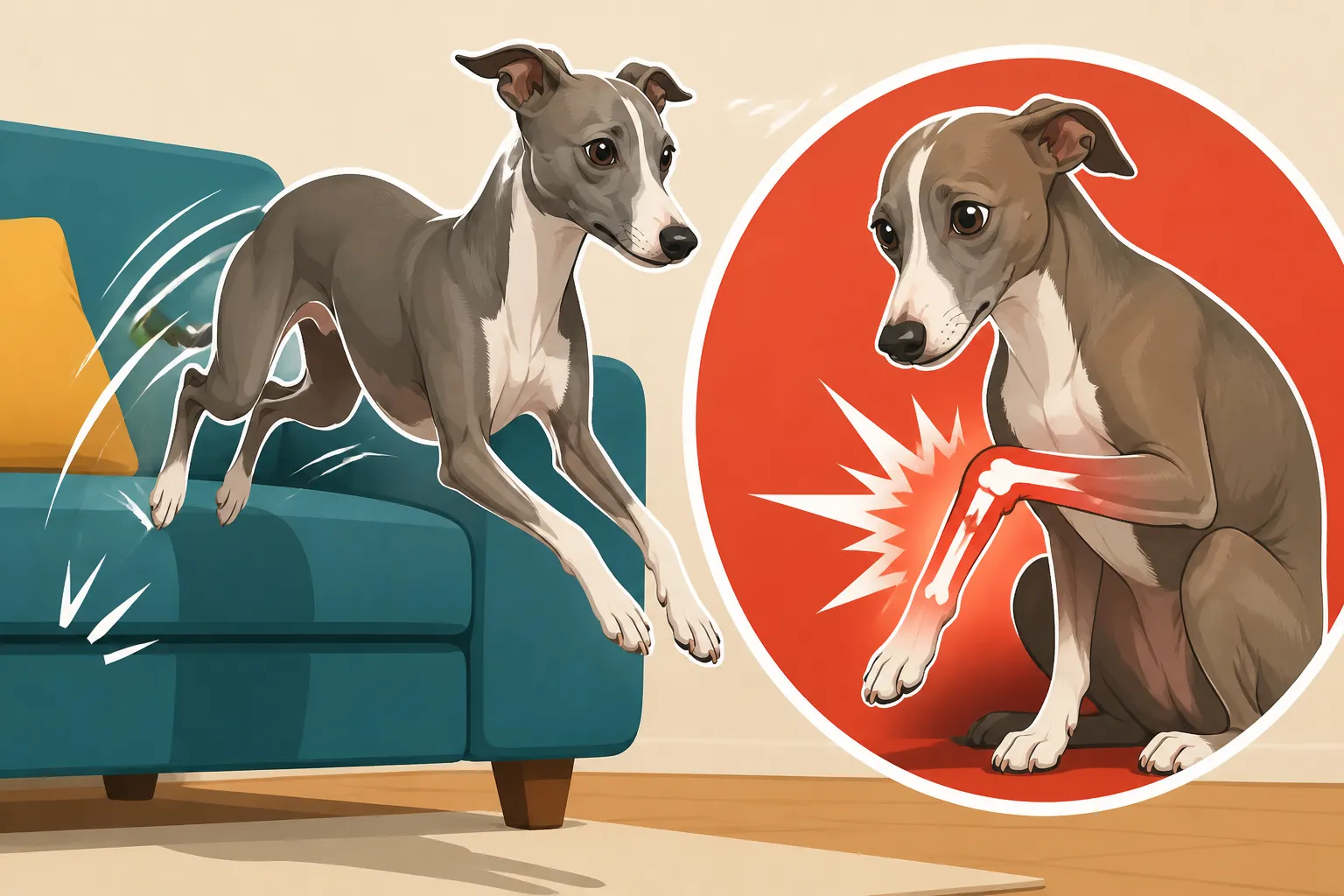
Italian Greyhounds are renowned for their incredible athleticism and graceful leaps, but these very traits, combined with their fragile build, make everyday household furniture a potential deathtrap. That casual hop off the sofa that most dogs do without a second thought can lead to devastating injuries for an IG. It's a risk factor that new and seasoned owners alike must understand deeply.
Understanding the Italian Greyhound's Fragile Anatomy
Italian Greyhounds possess a unique skeletal structure that, while contributing to their elegant appearance and speed, also makes them exceptionally prone to fractures. Unlike many breeds, their leg bones, particularly the radius and ulna in their forelegs, are incredibly slender and often described as "glass bones." They simply aren't designed to withstand the sudden impact of a fall from even a moderate height. Their bone density is lower, and the bones themselves are long and thin, providing less structural integrity against torsional forces or direct impact. This is precisely Why an Italian Greyhound's Radius Is the Bone That Breaks most frequently. It's not a flaw in their breeding; it's just the unfortunate reality of their exquisite design.
Think about it: a dog that weighs maybe 8 to 14 pounds, with legs like delicate twigs, launching itself from a height of 18-24 inches (the average sofa height) carries a significant amount of kinetic energy upon landing. That energy has to dissipate somewhere, and often, it's absorbed by the weakest link: those slender leg bones. This is why even a seemingly small jump, one they've done a thousand times before, can suddenly be the one that goes wrong. The bone simply gives way under the stress, especially if they land awkwardly or misjudge the distance.
The Mechanics of a Sofa Jump Gone Wrong
When an Italian Greyhound jumps off a sofa, they often don't execute a graceful, controlled landing. They might slip, twist mid-air, or land on an uneven surface or a soft cushion that doesn't provide stable support. Sometimes, they simply misjudge the distance, overshooting or undershooting their target, leading to an awkward, uncontrolled fall. The forces involved in such an uncontrolled descent are concentrated on a very small area of their delicate legs.
Imagine your IG launching itself from the armrest, or even just tumbling off the edge in its excitement. The physics of the fall mean that the impact can be equivalent to a much larger dog falling from a greater height, simply due to the disproportionate fragility of their bones. It's not just the height, but the manner of the landing that often dictates the outcome. A sudden twist or torque applied to the limb as they hit the ground is a recipe for disaster. This is often described as The Jump Off the Sofa That Breaks an Italian Greyhound's Leg because it's such a specific, common scenario in their lives.
Age and Activity Level as Risk Factors
While any Italian Greyhound can break a leg, certain factors increase the risk. Puppies and young IGs (typically under two years old) are at an elevated risk because their growth plates haven't fully closed, and their bones are still developing and hardening. They're also often more impulsive, less coordinated, and full of boundless energy, making them more prone to reckless jumps and tumbles. This period requires extra vigilance and strict enforcement of safe practices, which is why experts often recommend Restricting an Italian Greyhound Under Two.
Conversely, senior Italian Greyhounds, while perhaps less prone to wild leaps, can also be at risk due to age-related bone density loss or underlying conditions like arthritis that compromise their stability and balance. An older dog might stumble or fall more easily, and their bones may be more brittle. Additionally, highly active adult IGs who love to zoom around and spring off furniture without a care in the world are constantly exposing themselves to this risk. It's a difficult balance between allowing them to express their natural exuberance and protecting their fragile bodies.
Recognizing and Responding to a Suspected Fracture
The moment you suspect your Italian Greyhound has broken a leg, panic can set in. It’s a truly frightening experience. However, staying calm and acting quickly and appropriately can make a significant difference in their outcome and comfort. Knowing what to look for and what steps to take next is paramount.
Immediate Signs and What to Look For
When an Italian Greyhound breaks a leg, the signs are usually quite clear, though sometimes they might try to hide the pain. The most obvious indication is an audible yelp or scream at the moment of injury, followed by immediate lameness. Your dog will likely refuse to put any weight on the affected limb, holding it up at an unnatural angle. You might observe swelling, bruising, or even an obvious deformity if the fracture is severe or displaced.
However, Italian Greyhounds are notoriously stoic, and sometimes the initial pain subsides slightly, leading to a false sense of security. Some IGs might even attempt to "walk it off" or bear some weight on the limb, especially if it's an incomplete or hairline fracture, or if their adrenaline is high. This is where it's critical to pay close attention. Even if they're not screaming, any sudden lameness, limping, reluctance to move, or unusual way of holding a leg should be treated as a potential emergency. Familiarize yourself with common indicators, such as those described in Signs an Italian Greyhound Has Broken a Leg, to ensure you don't miss anything.
First Aid and Emergency Transport
Once you suspect a fracture, the priority is to keep your Italian Greyhound as still and comfortable as possible. Avoid manipulating the limb or trying to straighten it yourself, as this can cause further damage, increased pain, and even turn a closed fracture into an open one. Gently move your dog to a quiet, confined space. If you have a small crate or carrier, encourage them to enter it (or gently place them inside, supporting their body carefully). This limits movement and helps stabilize the injury.
Contact your veterinarian immediately. If it's after hours, call an emergency veterinary hospital. Inform them you suspect a broken leg in an Italian Greyhound so they can prepare for your arrival. When transporting your IG, use a sturdy carrier or a flat board to act as a stretcher to minimize movement of the injured limb. Having a second person to help can be invaluable, with one person carefully guiding the head and body, and the other supporting the rear and legs. The less the leg is jostled, the better the prognosis for repair.
The Critical Role of Veterinary Specialists
For an Italian Greyhound's delicate bones, a standard vet may not have the specialized experience needed for optimal fracture repair. This breed's specific anatomy means that these fractures often require orthopedic surgery performed by a board-certified veterinary surgeon. They are experienced with the unique challenges of plating or pinning such fine bones and understand the nuances of successful healing in sighthounds.
Your general vet will stabilize your dog, administer pain medication, and take initial X-rays. However, they will likely refer you to a specialist for the actual surgery. This is a critical step because improper repair can lead to complications such as non-union (where the bone doesn't heal), malunion (where it heals incorrectly), or even necessitate amputation in severe cases. Don't hesitate to ask for a referral, as getting the right specialist involved early can significantly impact your Italian Greyhound's recovery and long-term quality of life.
Preventing Future Accidents: Creating a Safer Home Environment
While accidents can sometimes feel unavoidable, there's a great deal we can do as Italian Greyhound owners to mitigate the risks. Proactive measures in creating a safe home environment are the best defense against those devastating sofa-related injuries.
Implementing Ramps and Steps for Furniture Access
This is, hands down, one of the most effective and essential prevention strategies. If your Italian Greyhound is allowed on furniture (and let's be honest, most IGs are firmly entrenched in our laps and beds!), providing safe means of ingress and egress is non-negotiable. Investing in sturdy, non-slip ramps or pet steps can literally be a lifesaver. These products eliminate the need for jumping, allowing your IG to safely walk up and down from sofas, beds, and chairs.
Look for ramps with a gentle incline and a non-slip surface, or steps with a low rise and wide treads. Placement is key: make sure they are positioned securely against the furniture and don't wobble. Teach your Italian Greyhound how to use them with positive reinforcement, using treats and praise. It might take some time for them to get used to it, but consistency is vital. Remember, one accidental jump can undo months of careful training. For more ideas, explore options mentioned in Ramps and Steps for an Italian Greyhound's Furniture.
Here’s a quick comparison of popular options:
| Feature | Pet Steps | Pet Ramps |
|---|---|---|
| Pros | Compact, easier for smaller spaces | Gentler incline, better for dogs with joint issues |
| Cons | Still involves some "step-down" | Can be bulky, requires more floor space |
| Ideal for | Confident jumpers, smaller furniture | Older dogs, puppies, taller furniture, hesitant users |
| Material | Plastic, wood, foam | Wood, carpeted wood |
| Considerations | Non-slip treads are essential | Secure footing and stability paramount |
Safe Play and Exercise Guidelines
Italian Greyhounds are sighthounds, and they love to run, zoom, and play. Allowing them appropriate outlets for their energy is important, but it must be done safely. Avoid roughhousing, especially with larger dogs, as even a playful nudge can send a delicate IG flying. Dog parks, while fun for many breeds, can be extremely dangerous for IGs due to the risk of collision with larger, heavier dogs during play. A fractured leg from a playful tumble can be just as severe as one from a jump off the sofa.
Supervised play in a securely fenced yard, or controlled walks on a leash with a well-fitting harness, are ideal. If you have other dogs, ensure their play is gentle, or separate them during boisterous moments. Encourage ground-level games, like chasing a flirt pole or fetching soft toys, rather than games that involve high jumps or sudden twists. It’s all about channeling their natural exuberance in ways that don't put undue stress on their fragile bone structure. Regular, moderate exercise builds muscle strength, which can provide some protection, but it won't prevent a fracture from a serious fall.
Considering Pet Insurance for Unexpected Costs
The financial burden of a broken leg is often as staggering as the emotional toll. Fracture repair, especially if it requires specialist orthopedic surgery, can easily run into thousands of dollars. We're talking anywhere from $3,000 to $8,000 or even more, depending on the severity of the fracture, geographical location, and whether complications arise. This is where pet insurance becomes an invaluable safety net.
Many Italian Greyhound owners have experienced the shock of these unexpected vet bills. Brands like Healthy Paws offer comprehensive pet insurance plans that can cover a significant portion of emergency veterinary care, including diagnostics, surgery, hospitalization, and follow-up care for accidents like broken legs. While we all hope it never happens, being prepared financially can ease a huge amount of stress during an already difficult time. When choosing a plan, make sure to understand the deductible, reimbursement percentage, and any exclusions. It's truly something every IG owner should consider to avoid the heartbreaking choices that come with exorbitant emergency costs. Being proactive with a plan from providers like Healthy Paws means you can focus on your dog's recovery without the added worry of budget constraints. Remember, What Pet Insurance Actually Covers on an Italian Greyhound is worth researching thoroughly.
The Recovery Journey: What to Expect After a Broken Leg
Surviving the initial crisis of a broken leg is just the beginning. The recovery period for an Italian Greyhound can be long, challenging, and demanding, both for the dog and their devoted owners. It requires immense patience, meticulous care, and a strong partnership with your veterinary team.
The Reality of Healing and Rehabilitation
Once the surgery is complete, the hard work of healing begins. Your Italian Greyhound will likely need strict crate rest for several weeks, sometimes even months, to allow the bone to mend properly. This means no jumping, no running, no stairs – often, no free roaming at all. This period of confinement can be incredibly difficult for a high-energy breed like the Italian Greyhound, leading to frustration and boredom. You'll need to get creative with mental stimulation, such as puzzle toys or short, quiet training sessions.
Rehabilitation therapy, often involving physical therapy, hydrotherapy, or controlled exercises, is frequently recommended after the initial healing phase. This helps rebuild muscle mass that atrophies during inactivity, improve range of motion, and regain strength and confidence in the limb. The total recovery time can vary, but it's important to be prepared for a commitment of several months. For details on typical timelines, refer to How Long an Italian Greyhound Takes to Heal a Fracture.
Managing Pain and Long-Term Care
Pain management is crucial throughout the recovery process. Your vet will prescribe appropriate pain medications to keep your Italian Greyhound comfortable. It's important to administer these as directed and be vigilant for any signs of discomfort, which might manifest as whining, restlessness, or reluctance to move. Remember, IGs are often very good at hiding pain, so observe them closely.
Long-term, a healed fracture might predispose your Italian Greyhound to arthritis in the affected joint later in life. Discuss with your vet whether supplements like glucosamine or chondroitin could be beneficial, and ensure you maintain a healthy weight for your dog to minimize stress on their joints. Regular check-ups will be necessary to monitor the healing and address any potential complications down the line. Even after full recovery, the limb may not regain 100% of its original strength or mobility, and some IGs may always have a slight limp or favor the leg, though many do regain excellent function.
Emotional Support for Your Italian Greyhound and Yourself
A broken leg is traumatic for everyone involved. Your Italian Greyhound will likely experience fear, pain, and frustration during their confinement. Provide plenty of gentle affection, reassurance, and quiet companionship. Spend time with them in their crate, offering soft words and comforting touches. Keeping their routine as consistent as possible, aside from the activity restrictions, can also help.
As an owner, you're likely to feel guilt, anxiety, and exhaustion. It's a heavy burden to manage the physical care, the emotional needs, and the financial stress. Don't hesitate to reach out to your support system—friends, family, or online communities of Italian Greyhound owners. Sharing your struggles and getting advice from those who've been through it can be incredibly helpful. Pet insurance, like that offered by Healthy Paws, can certainly alleviate some of the financial worry, allowing you to focus on nurturing your dog back to health. Give yourself grace, acknowledge the difficulty of the situation, and remember that your dedication is what will get your beloved companion through this ordeal.
Disclaimer
The information provided in this guide is for general educational purposes only and should not be considered a substitute for professional veterinary advice. Always consult with a qualified veterinarian for any health concerns or before making any decisions about your pet's medical care.