Liver Shunt in an Italian Greyhound Puppy
Bringing home an Italian Greyhound puppy is one of life’s greatest joys, but discovering your tiny bundle of joy is struggling with a serious health issue like a liver shunt can plunge you into a whirlwind of fear and uncertainty. It’s a frightening diagnosis that leaves many owners feeling overwhelmed and confused about their puppy's future. This comprehensive guide is here to walk you through everything you need to understand about liver shunts in Italian Greyhounds, from what they are and how to spot the signs, to diagnosis, treatment options, and what life looks like after this challenging journey.
Understanding Liver Shunts in Italian Greyhounds
When you hear the term "liver shunt," it probably sounds intimidating, and frankly, it is. But breaking down what it means can help you feel more in control. This isn't just a generic puppy illness; it's a specific, serious condition that needs careful attention.
What Exactly is a Liver Shunt?
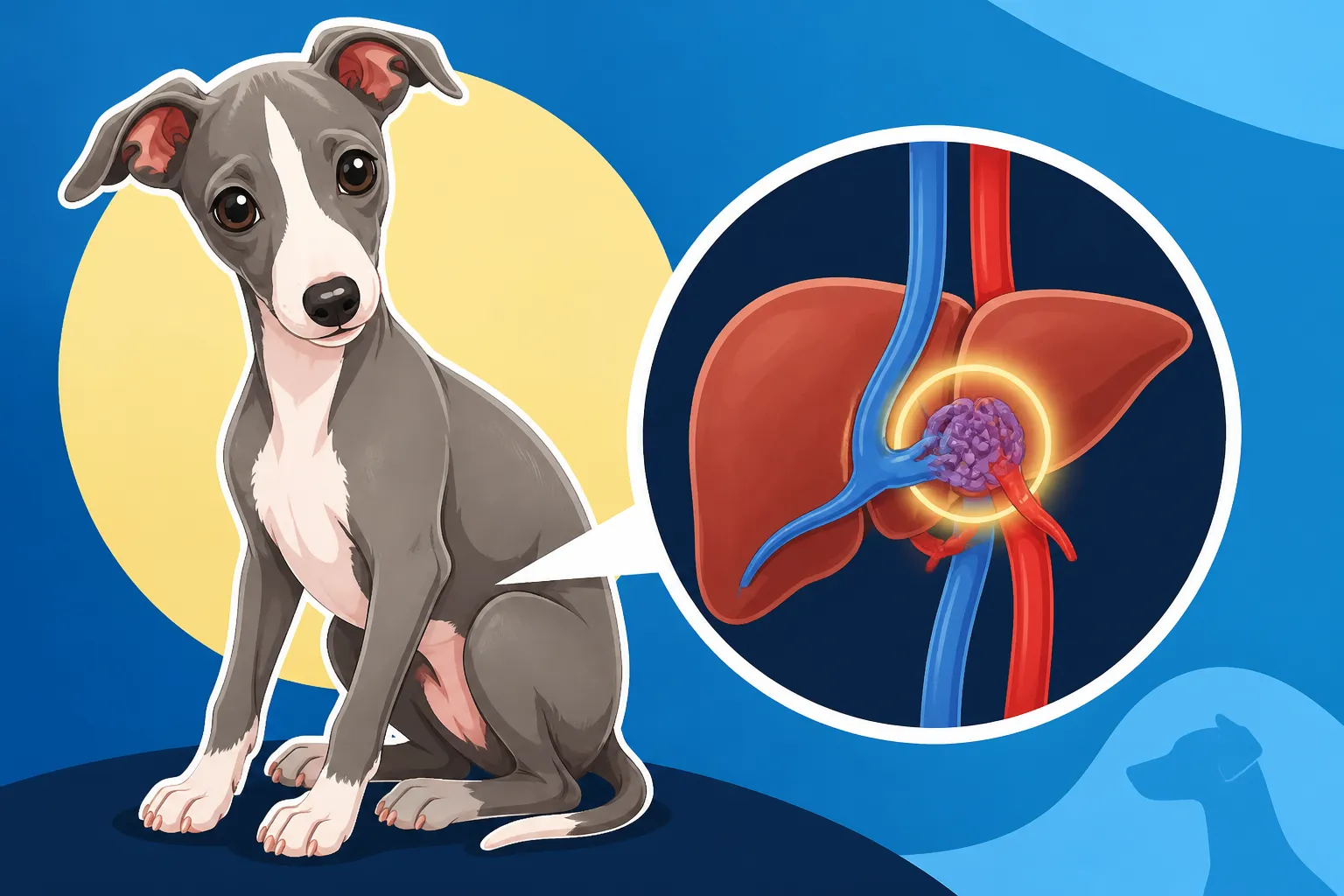
At its core, a liver shunt, or more formally a Portosystemic Shunt (PSS), is essentially a detour in your dog's circulatory system. Imagine your liver as the body's main filtration plant, diligently cleaning the blood of toxins, waste products, and nutrients absorbed from digestion before sending clean blood on to the rest of the body. In a healthy dog, all the blood from the intestines, pancreas, and spleen goes directly to the liver via the portal vein.
However, with a liver shunt, there's an abnormal blood vessel that bypasses the liver entirely, sending a portion of that unfiltered blood directly into the general circulation. This means toxins, particularly ammonia, which is a byproduct of protein digestion, aren't properly removed. Instead, they build up in the bloodstream, affecting various organs, most notably the brain. This buildup of toxins can lead to a condition called hepatic encephalopathy, which is a big fancy term for brain dysfunction due to liver failure. These shunts are typically congenital, meaning your puppy is born with it, rather than developing it later in life.
Why Italian Greyhounds are Prone to Liver Shunts
It's a cruel twist of fate that some breeds are more predisposed to certain conditions, and unfortunately, Italian Greyhounds are among them when it comes to liver shunts. While not as commonly associated as, say, Yorkshire Terriers or Maltese, Iggies do have a higher incidence of congenital portosystemic shunts compared to the general dog population. This suggests a genetic component, meaning it can be passed down from parents to offspring.
This predisposition highlights why choosing a reputable breeder is so incredibly important. A responsible Italian Greyhound breeder will be aware of health issues common to the breed, including conditions like liver shunts, and will ideally screen their breeding stock. They should be transparent about the health history of their lines, and proactive in trying to breed away from known genetic predispositions. For instance, knowing what an Italian Greyhound breeder should have tested is crucial, as some breeders may include screenings for conditions like liver shunts or related issues if they've had it in their lines. It's a significant factor when considering what an Italian Greyhound puppy costs from a breeder, as those who invest in thorough health testing are ensuring healthier puppies in the long run.
Recognizing the Signs and Symptoms of Liver Shunt in a Puppy
Spotting a liver shunt can be tricky because the symptoms can be vague or mimic other common puppy ailments. However, knowing what to look for can make a huge difference in early diagnosis and outcome for your Italian Greyhound.
Early Warning Signs
One of the most frustrating aspects for Italian Greyhound owners is that the initial signs of a liver shunt can be incredibly subtle, often dismissed as "just a picky eater" or "a small puppy." Puppies with liver shunts often exhibit what veterinarians call "failure to thrive." This means they might be noticeably smaller than their littermates, even at eight weeks, and struggle to gain weight. You might notice your puppy seems unusually lethargic or just "off." Their appetite might be poor, or they could experience intermittent vomiting and diarrhea. Regularly weighing an Italian Greyhound puppy every week can help identify if they are falling behind their expected growth curve, which could be an early indicator of an underlying health issue.
As toxins accumulate, particularly ammonia, you might start seeing more pronounced neurological symptoms, which are often the most alarming. These can include:
- Head pressing: Your puppy might press their head against a wall or furniture.
- Staring into space: They may seem disoriented or unaware of their surroundings.
- Wandering aimlessly or pacing: Especially after a meal.
- Unusual behaviors: Some puppies become aggressive or confused.
- Seizures: In severe cases, high toxin levels can trigger seizures, which are terrifying to witness. It's important to remember that seizures can also be a sign of other conditions, such as epilepsy in an Italian Greyhound, so a thorough diagnosis is critical.
- Increased thirst and urination: The kidneys try to flush out the excess toxins.
You might also notice a dullness in their coat, or just a general lack of puppy vigor. Their tiny bodies are simply struggling to process what they need to thrive.
When Symptoms Typically Appear
The onset of symptoms can vary, but for congenital liver shunts in Italian Greyhounds, they typically appear when the puppy is young. Owners often begin noticing issues between 6 weeks and 6 months of age, though sometimes it can be as late as a year or even beyond. The timing often correlates with when the puppy starts eating solid foods, especially protein-rich meals, as protein digestion is what produces ammonia.
Imagine your adorable little Iggy puppy, full of beans one moment, then after a meal, they become listless or start acting strangely. This post-meal exacerbation of symptoms is a classic, though not exclusive, sign of a liver shunt. It's crucial not to dismiss these signs, even if they're intermittent. An Italian Greyhound puppy’s boundless energy and playful nature should be consistent; any prolonged or recurring deviations warrant a trip to the vet. This proactive approach is key to ensuring that whether the Italian Greyhound is a healthy breed overall, your specific puppy gets the care it needs.
Diagnosing Liver Shunt in Your Italian Greyhound
Getting a definitive diagnosis for a liver shunt can feel like a maze, requiring a combination of tests to piece together the full picture. It's a journey, but each step brings you closer to understanding and treating your beloved pet.
The Initial Vet Visit and Blood Tests
Your first step will be a visit to your trusted veterinarian. During the physical exam, your vet might notice your Italian Greyhound puppy is underweight, has a poor coat, or exhibits neurological signs. They'll likely recommend a series of blood tests. Standard bloodwork, including a Complete Blood Count (CBC) and a chemistry panel, can offer clues. For instance, elevated liver enzymes might suggest liver stress, while low levels of blood urea nitrogen (BUN) and albumin (both produced by the liver) could indicate reduced liver function. Crucially, a common finding is an elevated ammonia level in the blood, which is a strong indicator of a liver shunt.
However, the most definitive initial blood test for a liver shunt is often the bile acid stimulation test. This test measures how well your liver handles bile acids, which are involved in fat digestion. Your vet will take a blood sample after a 12-hour fast, then give your puppy a small meal, and take another blood sample two hours later. In a healthy dog, the liver processes and reabsorbs bile acids after a meal, so levels should significantly drop. In a dog with a liver shunt, the bile acids bypass the liver, so post-meal levels remain high. This test is a crucial diagnostic step and helps differentiate a shunt from other liver conditions. Remember, getting an Italian Greyhound's annual checkup, even when they seem perfectly healthy, can sometimes catch subtle changes before they become major issues.
Advanced Imaging and Confirmation
While blood tests provide strong evidence, advanced imaging is necessary to confirm the presence of a shunt and, critically, to pinpoint its exact location and structure. This information is absolutely vital for surgical planning.
-
Ultrasound: A basic abdominal ultrasound is often the first imaging step. An experienced sonographer or veterinary radiologist can sometimes visualize the abnormal vessel bypassing the liver. However, due to the small size of some shunts and the complexity of abdominal anatomy in tiny breeds like Italian Greyhounds, an ultrasound isn't always conclusive. It might indicate a shunt but might not provide enough detail for surgery.
-
CT Angiogram: This is often considered the gold standard for diagnosing and mapping liver shunts. A CT (Computed Tomography) scan with a contrast dye injected into the bloodstream allows for a highly detailed, 3D view of the blood vessels, clearly showing the abnormal shunt vessel and its connection points. This precise mapping is indispensable for a surgeon to plan the safest and most effective approach. The cost of such advanced diagnostics can be substantial, adding to the expense of what fracture repair costs on an Italian Greyhound, for instance, underscoring why pet insurance like Healthy Paws can be a lifesaver.
-
Portography: Less common now with the advent of advanced CT technology, portography involves injecting contrast dye directly into a mesenteric vein (a vein draining the intestines) during surgery to visualize the portal system and the shunt. While effective, it's more invasive than a CT angiogram.
The diagnostic process can feel like a lot for a tiny puppy, but each test brings you closer to a clear path forward.
Treatment Options and Prognosis
Discovering your Italian Greyhound puppy has a liver shunt is devastating, but it’s important to know that there are effective treatment options available. The approach taken will depend on the type of shunt, its location, and your puppy's overall health.
Medical Management for Unsuitable Surgical Candidates
For some Italian Greyhounds, surgery might not be an immediate option or even a viable one at all. This could be due to the severity of their condition, the complexity of the shunt, or other concurrent health issues. In these cases, medical management becomes the primary focus, aiming to control the symptoms and improve the puppy's quality of life, though it's important to understand this is typically a palliative approach, not a cure.
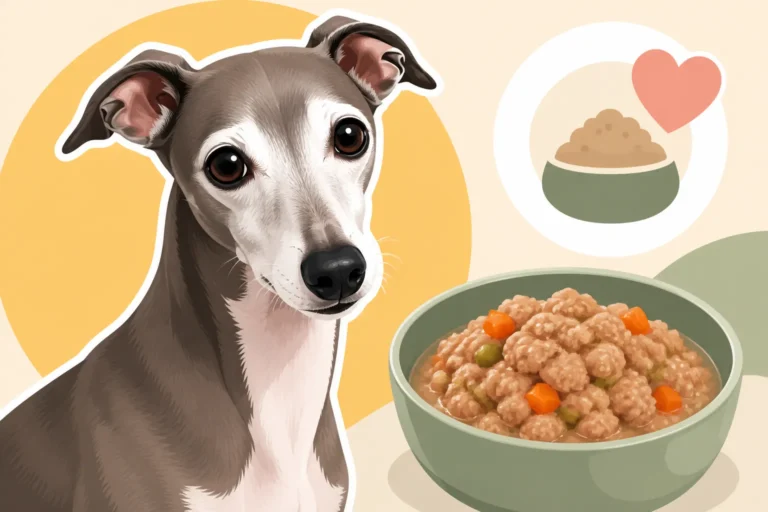
The cornerstone of medical management is dietary modification. A low-protein diet is prescribed to reduce the amount of ammonia produced during digestion. High-quality, digestible protein is still necessary for growth and health, but the quantity is carefully controlled. Your vet might recommend specific prescription diets formulated for liver support.
Medications are also key:
- Lactulose: This synthetic sugar works as a laxative and also traps ammonia in the gut, preventing its absorption into the bloodstream and facilitating its excretion.
- Antibiotics: Drugs like Metronidazole are often used to reduce the number of ammonia-producing bacteria in the intestines.
- Anticonvulsants: If your puppy is experiencing seizures due to hepatic encephalopathy, anticonvulsant medications will be prescribed to manage them.
Medical management requires diligent owner compliance and regular monitoring, including blood tests to check ammonia levels and overall liver function. While it can significantly improve symptoms for many dogs, the long-term prognosis without surgical correction is generally guarded, as the underlying problem of unfiltered toxins persists.
Surgical Correction of Liver Shunts
For most puppies with congenital liver shunts, surgical correction offers the best chance for a normal, healthy life. The goal of surgery is to close or ligate the abnormal vessel, forcing blood to flow through the liver as it should. This allows the liver to grow and develop normally, filtering toxins and restoring proper function.
There are several surgical techniques:
- Ligation: In some cases, if the shunt is an "extrahepatic" shunt (outside the liver) and small enough, the surgeon may be able to directly tie off the vessel. This is done cautiously to avoid sudden increases in blood pressure to the liver, which can lead to life-threatening complications like portal hypertension or post-ligation seizures.
- Ameroid Constrictors: These are small, ring-like devices made of casein (milk protein) that are placed around the shunt vessel. The casein slowly absorbs fluid from the body, gradually swelling over weeks to months, slowly constricting and closing the shunt. This gradual occlusion minimizes the risk of sudden portal hypertension, allowing the liver to adapt.
- Cellophane Banding: Similar to ameroid constrictors, a piece of cellophane is wrapped around the shunt vessel. The body reacts by forming scar tissue around the cellophane, which slowly constricts the vessel over time.
This surgery is complex and often requires a board-certified veterinary surgeon, ideally one with experience in sighthound anesthesia. Italian Greyhounds, like other sighthounds, are known for their unique physiological responses to anesthesia, including slower metabolism of certain drugs and sensitivity to hypothermia. This is why understanding why anesthesia is handled differently in an Italian Greyhound is so important, as even routine procedures can be more complicated for them. Finding a specialist surgeon who is familiar with these nuances is critical for a successful outcome.
Life After Treatment: What to Expect
The journey doesn't end with surgery; it's just the beginning of a new chapter. Post-operative care is crucial for your Italian Greyhound's recovery. This will involve strict activity restriction for a period, often crate rest, to allow for healing. Remember, an Italian Greyhound's bones finish hardening around 8-10 months, so protecting them, especially after surgery, is paramount.
Your vet will likely continue a special diet for a while, and sometimes lactulose or antibiotics, depending on your puppy's progress. Regular follow-up appointments and blood tests are essential to monitor liver function, bile acid levels, and ammonia. The good news is that for many puppies, surgical correction leads to a dramatic improvement in health and a normal lifespan. The liver, once overwhelmed, can often regenerate and regain full function.
However, it's not always a guaranteed fix. Some dogs may still require long-term medical management, even after surgery, if the shunt isn't completely closed or if secondary issues arise. The financial aspect of diagnosis, surgery, and aftercare can be daunting. Costs for this type of specialized surgery can run into many thousands of dollars, making a broken leg an emergency every Italian Greyhound owner fears, but a liver shunt is in a whole different category of expense. This is precisely where having good pet insurance, like Healthy Paws, can make a world of difference. Understanding what pet insurance actually covers on an Italian Greyhound, especially for a major illness, is something every owner should look into before these emergencies arise. Many owners attest that the peace of mind and financial support from their insurance allowed them to pursue the best possible care for their beloved Iggies.
The prognosis for surgically corrected shunts is generally good to excellent, with many dogs going on to live full, happy lives. For those managed medically, the prognosis is more guarded, but with dedicated care, they can still enjoy a good quality of life for a significant period.
| Feature | Medical Management (Palliative) | Surgical Correction (Curative) |
|---|---|---|
| Goal | Manage symptoms, reduce toxins, improve quality of life. | Close/ligate abnormal vessel, restore normal liver function. |
| Diet | Essential: Low protein, specialized prescription food. | Often temporary low protein post-op, then normal diet. |
| Medication | Lactulose, antibiotics (e.g., Metronidazole), anticonvulsants. | Temporary post-op, possibly long-term if partial closure. |
| Invasiveness | Non-invasive, daily management. | Highly invasive, specialized surgery. |
| Recovery | Ongoing management, no "recovery" per se. | Significant post-op care, restricted activity (e.g., crate rest). |
| Prognosis | Guarded long-term; symptoms can recur, life expectancy reduced. | Good to excellent long-term with proper healing; normal lifespan. |
| Cost | Ongoing medication/food, vet visits (moderate long-term). | High upfront cost for diagnosis, surgery, and initial aftercare. |
| Complications | Hepatic encephalopathy, seizures, poor growth. | Post-ligation seizures, portal hypertension, infection. |
Disclaimer
The information provided in this guide is intended for educational purposes only and should not be taken as veterinary medical advice. Always consult with a qualified veterinarian for any health concerns or before making any decisions about your pet's medical care.