Litter Box Training an Italian Greyhound
It's no secret among Italian Greyhound owners that housetraining can be one of the most persistent and frustrating challenges of sharing your life with these sweet, sensitive little dogs. Traditional "go outside" methods often fall short, especially when you factor in their delicate nature, aversion to cold or wet weather, and tiny bladders. This comprehensive guide will walk you through the ins and outs of litter box training an Italian Greyhound, offering practical strategies and empathetic advice to help you establish a consistent and stress-free potty routine indoors.
Why Consider Litter Box Training for an Italian Greyhound?
The journey to a fully housetrained Italian Greyhound can feel like an uphill battle, often leaving owners wondering if they're doing something wrong. But it's crucial to understand that many of the difficulties aren't due to a lack of effort on your part, but rather stem from the unique characteristics of the breed itself. This is where an indoor potty solution, like a litter box, can truly shine as a game-changer.
The Unique Challenges of Housetraining IGs
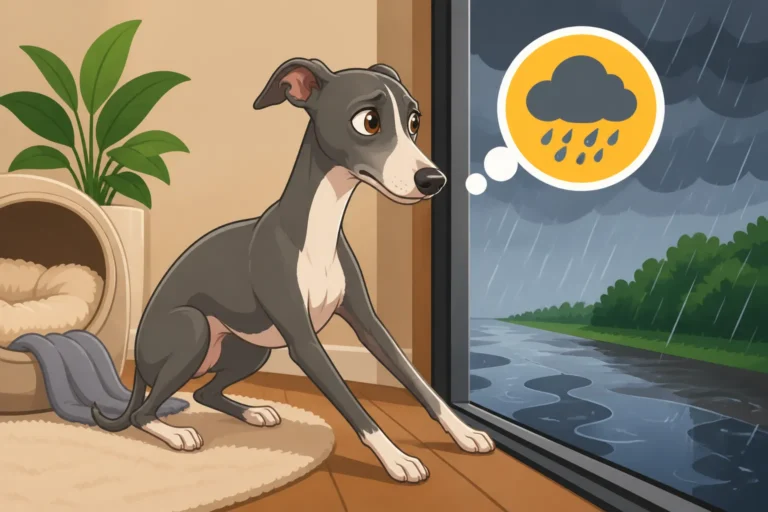
Let's be real, Italian Greyhounds are built a little differently, and those differences directly impact their potty habits. First off, they have incredibly small bladders. This isn't just a cute fact; it means they need to relieve themselves far more frequently than many other breeds, especially puppies. Expecting a young IG puppy to "hold it" for long stretches is simply unrealistic and unfair. Coupled with this, their sparse coat and lack of body fat make them incredibly sensitive to cold, wet, or even slightly chilly weather. Many an owner has tried to coax their shivering IG out into a light drizzle, only to be met with a firm refusal to do anything but bolt back inside. It’s hard to blame them when you realize how little heat they hold (Why an Italian Greyhound Cannot Hold Its Own Heat), let alone in winter weather!
Beyond the physical, there's the distraction factor. Out in the yard, a passing squirrel, a gust of wind, or even a leaf blowing by can completely derail a puppy's focus from the task at hand. Their strong sighthound prey drive means their attention is easily captured by anything that moves, making a quick, efficient potty break a rare luxury. And let's not forget the ever-present concern for their delicate bones. A tumble on icy pavement or a quick jump off a porch can have devastating consequences, making long treks to a distant potty spot a genuine worry for responsible owners. All these elements combined create a perfect storm for housetraining woes, leading to frustration for both dog and human.
Benefits of an Indoor Potty Solution
Given these challenges, shifting to an indoor potty solution like a litter box for your Italian Greyhound offers a multitude of benefits that often alleviate many common frustrations. The primary advantage is consistency. An indoor potty spot is always there, always accessible, and always protected from the elements. This removes all the excuses an IG might have for not going outside—no more cold paws, no more rainy fur, no more scary rustling leaves. This consistency helps them quickly grasp where they are supposed to go, accelerating the training process.
Secondly, it's about sheer convenience. Imagine not having to bundle up and trek outside at 3 AM in the pouring rain or freezing snow. An indoor litter box means you can oversee potty breaks without leaving the warmth and comfort of your home. This is especially helpful for apartment dwellers or those with limited yard access. Furthermore, an indoor setup enhances safety. For young Italian Greyhounds, whose bones are incredibly fragile (remember, The Age an Italian Greyhound's Bones Finish Hardening is later than many other breeds), minimizing outdoor hazards like slippery steps or unexpected falls is paramount. It also eliminates the risk of them bolting out an open door or getting lost if they manage to slip their harness during an outdoor excursion, addressing the very real concern of Why an Italian Greyhound Cannot Be Trusted Off Leash, Ever. An indoor potty means controlled environments, reducing anxieties about escapes and injuries. Finally, an indoor litter box helps maintain a cleaner home by minimizing tracking of mud or debris that outdoor potty breaks inevitably bring in.
Choosing the Right Litter Box Setup for Your Italian Greyhound
Deciding to use an indoor potty system is the first step; the next is figuring out which system will work best for your unique Italian Greyhound and your living situation. There's a surprising variety of options out there, and what works for one IG might not be ideal for another. The goal is to find something they’ll readily use, that’s easy for you to maintain, and that fits seamlessly into your home.
Types of Indoor Potty Systems
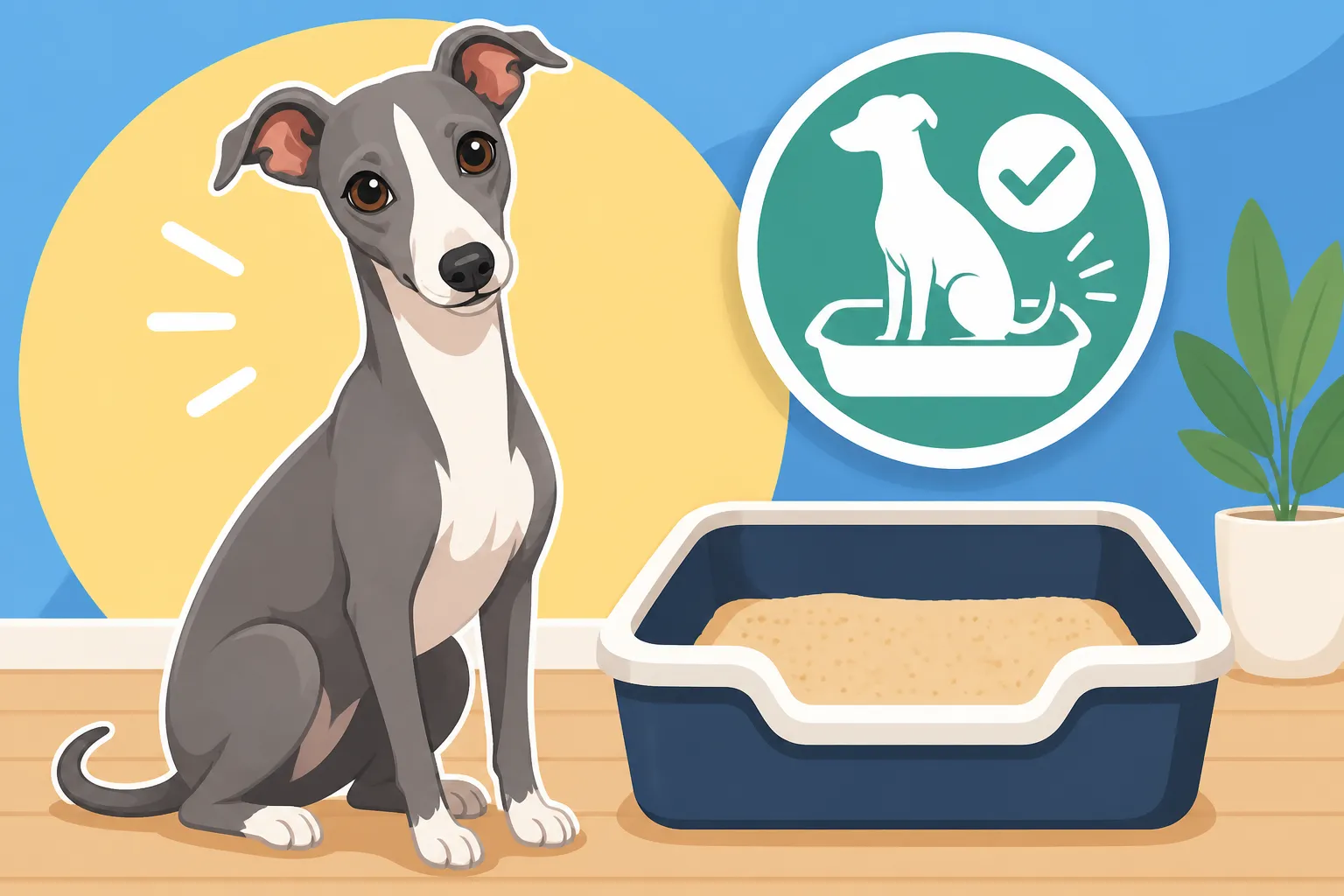
When you start looking, you'll find that "litter box" can mean a lot of things. The most basic option is a traditional cat-style litter box. These come in various sizes and depths, from low-entry designs perfect for small puppies or seniors, to high-sided boxes that help contain any enthusiastic leg-lifting. You can fill them with a variety of materials: paper pellets, silica gel, or even specific dog-friendly litter. The trick is finding a material your IG tolerates and doesn't try to eat! Many owners find that just putting down a puppy pad directly in the box, or using a grid system designed to hold pads, works best. Puppy pads are absorbent and disposable, making cleanup a breeze, but some IGs might confuse them with other soft surfaces in the house if not properly managed.
Then there are real grass patches and artificial grass patches. Real grass systems, often found on platforms like Amazon, are essentially trays of living sod. Dogs instinctually prefer going on grass, so these can be highly appealing and may help with transitioning to outdoor potty breaks later. However, they require regular watering and disposal of the grass when it dies, which can be a commitment. Artificial grass patches offer a similar look and feel without the maintenance of living grass. These systems usually involve a tiered tray: a grate on top with the artificial turf, a collection tray below for liquids, and absorbent pads in between. They are durable, reusable, and easy to clean, often requiring just a rinse. Each type has its pros and cons, which we can explore further. For example, some IGs prefer the soft feel of artificial grass underfoot, while others might find the smell of real grass more inviting.
| Potty System Type | Pros for Italian Greyhounds | Cons for Italian Greyhounds |
|---|---|---|
| Traditional Litter Box (with litter/pellets) | Easily accessible, can contain mess, many size options | Some IGs dislike texture, may eat litter, litter tracking |
| Puppy Pads (standalone or in a tray) | Highly absorbent, disposable, easy to find, low profile for puppies | Can be confused with rugs, not contained if missed, can be chewed |
| Artificial Grass Patch | Natural feel for many dogs, easy to clean, reusable, contained | Requires regular cleaning (rinsing), some dogs dislike texture |
| Real Grass Patch | Highly appealing to dogs, natural odor, can transition outdoors | Higher maintenance (watering, disposal), can be messy/smelly |
Ultimately, the best choice for you might involve some experimentation. Starting with a basic puppy pad in a low-sided tray and observing your IG’s preferences is a great way to begin.
Location, Location, Location: Setting Up for Success
Once you've chosen your preferred indoor potty system, the next critical step is to decide on its location. This isn't just about convenience for you; it's about making it easy and appealing for your Italian Greyhound to use. The ideal spot should be quiet, easily accessible, and in a low-traffic area. Think about a corner in a spare bathroom, a laundry room, or even a designated spot in a larger living area that isn't directly in the path of constant foot traffic. You want your IG to feel secure and undisturbed when they're doing their business.
Avoid placing the litter box too close to their food and water bowls, or their sleeping area. Dogs generally prefer to keep their eating, sleeping, and potty areas separate, so respect this natural inclination. Also, consider the flooring. An area with tile or linoleum is much easier to clean in case of an accidental miss than carpet. For puppies, having multiple designated spots, especially during the initial training phase, might be beneficial. One near their sleeping crate and another closer to where you spend most of your time can increase the chances of them making it to the right place. As they get older and more reliable, you might consolidate to a single, primary location. Remember that consistency in location is key to helping your IG understand that this is the place to go. Setting Up an Indoor Bathroom for an Italian Greyhound is about creating a space that works for them, not just for you.
Step-by-Step Guide to Litter Box Training Your Italian Greyhound
Alright, you've got your chosen setup and a prime location. Now comes the actual training! This process relies heavily on positive reinforcement, patience, and understanding. Italian Greyhounds are sensitive souls, and harsh methods will only backfire, making them fearful and likely to hide their potty habits. We want to build confidence and a positive association with their indoor potty spot.
Introducing the Litter Box and Positive Reinforcement
The first step is to gently introduce your Italian Greyhound to their new potty area. Lead them to the litter box frequently, especially after waking up, after playtime, and about 15-20 minutes after eating or drinking. Think of all the times they're most likely to need to go. When you take them there, use a consistent, calm cue like "Go potty" or "Do your business." Stay with them, but don't stare intensely or make it a stressful event. Just be present.
The moment they even begin to squat or show signs of relieving themselves in the box, immediately start praising them in a happy, calm voice. As soon as they finish, offer a high-value treat and enthusiastic praise. The timing is crucial here – the reward must happen within 1-2 seconds of the action for them to connect it. If they walk away and then you give the treat, they'll associate the treat with walking away, not with peeing or pooping in the box. Many online resources, like those offered by BAXTER & Bella, emphasize the importance of this immediate, positive feedback loop. Consistency is paramount; every single time they use the box successfully, a celebration should ensue! If they don't go, calmly lead them away and try again in 10-15 minutes. Never scold or punish them for not going.
You might also consider using a puppy pad that has been slightly soiled from a previous accident (if you had one, or a tiny bit of urine from an outdoor pee) in the litter box to help "scent-mark" it. This can provide an olfactory cue, signaling to your IG that this spot is indeed for potty. Gradually, with consistent positive experiences, your Italian Greyhound will start to understand that the litter box is their personal, indoor restroom.
Managing Accidents and Consistency
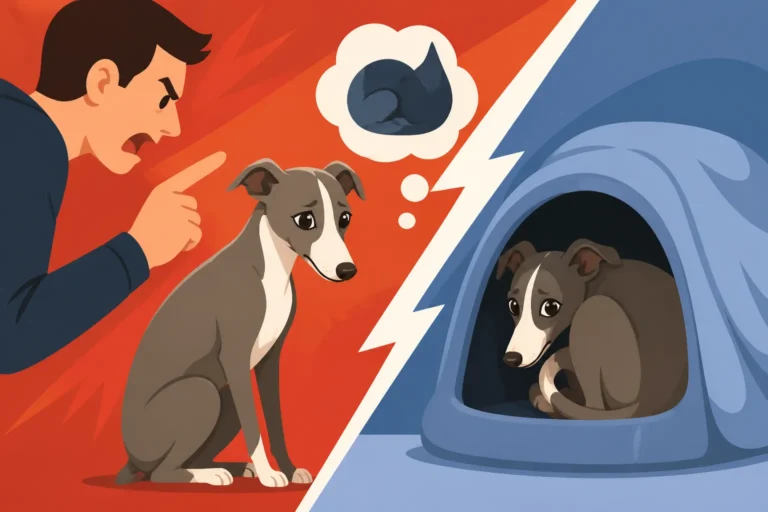
Despite your best efforts, accidents will happen – it's an inevitable part of housetraining, especially with IGs. The absolute golden rule here is: never punish your Italian Greyhound for an accident. Punishment, whether it's yelling, rubbing their nose in it, or expressing your frustration, will not teach them not to go indoors. Instead, it will teach them to fear you, and potentially to hide their potty breaks in discreet locations where you won't find them, making the problem far worse. Remember Why Punishment Makes an Italian Greyhound Hide to Go; it's counterproductive and damaging to your bond.
When an accident occurs, calmly clean it up with an enzymatic cleaner designed to neutralize pet odors. Regular cleaners might mask the smell to us, but a dog's keen sense of smell will still detect it, potentially signaling to them that the spot is an acceptable potty area. While your IG is still learning, think about prevention through management. This includes supervision: keep your Italian Greyhound tethered to you, in a pen, or in a crate (for short periods, only as long as they can comfortably hold it) when you cannot actively supervise them. The idea is to prevent opportunities for accidents by ensuring they are always taken to the litter box when it's time to go.
Consistency is truly the secret ingredient. Maintain a regular schedule for trips to the litter box. Every morning upon waking, before bed, after every meal, and after significant playtime. The more consistent you are, the faster your Italian Greyhound will internalize the routine. This also applies to the type of litter box and the location – try not to change them frequently during the initial training phase. Remember, Cleaning Up After an Italian Greyhound Accident thoroughly is vital for success and preventing repeat offenses in the same spot.
Common Challenges and Troubleshooting in Litter Box Training
Even with the best intentions and consistent effort, litter box training can present its own set of hurdles. Italian Greyhounds are sensitive, intelligent, and sometimes a little particular, so it's not uncommon to encounter reluctance or regressions along the way. Understanding these challenges can help you troubleshoot effectively and get back on track without losing your cool.
Dealing with Reluctance and Regression
Sometimes, your Italian Greyhound might simply be reluctant to use the litter box, or they might seem to "get it" for a while and then suddenly regress. Reluctance can stem from several factors. Perhaps they don't like the texture of the litter or the artificial grass under their paws. Some IGs are very particular! If you're using pellets or traditional litter, try switching to a soft artificial turf, or vice-versa. Maybe the location isn't working for them – is it too noisy, too exposed, or too far from where they spend most of their time? Re-evaluate the spot and consider moving it to a more private or convenient area. Past negative experiences, even seemingly minor ones, can also create an aversion. For instance, if they were startled by a loud noise while on the box, they might now associate that fear with the potty spot.
Regression, where a previously trained IG starts having accidents again, is often a sign that something has changed or that a fundamental need isn't being met. Common triggers for regression include:
- Changes in routine: A new work schedule, a houseguest, or even moving furniture can throw off a sensitive IG.
- Too much freedom too soon: If you've given them unsupervised access to the entire house before they're truly reliable, they might revert to old habits. Go back to more management and supervision.
- Medical issues: Always rule out a urinary tract infection or other health problem with a vet visit if accidents suddenly increase. A tiny bladder is normal for an IG, but excessive frequency or straining is not.
- Stress or anxiety: Like humans, dogs can have accidents when stressed. Is there a new pet, a change in family dynamics, or increased time alone? How Long an Italian Greyhound Will Tolerate Alone can vary, and separation anxiety can manifest as accidents.
The key to dealing with both reluctance and regression is patience and going back to basics. Increase supervision, take them to the box more frequently, and heap on the praise and treats for every success. Don't get discouraged; it's a phase, not a failure.
Transitioning or Combining with Outdoor Potty Breaks
Many Italian Greyhound owners find that while litter box training is fantastic for indoor convenience and cold weather, they still want their dog to be able to go potty outdoors. The good news is, you absolutely can combine both! The litter box can serve as a primary indoor option, with outdoor breaks as a supplemental or preferred method when weather permits.
If your IG is already reliably using the indoor litter box, you can gradually introduce outdoor potty breaks. Take them out on a leash to a designated outdoor spot at times when they are likely to need to go (just like you did with the litter box). When they go outside, give them the same enthusiastic praise and high-value treats you would for using the indoor box. The goal is for them to associate both the litter box and the outdoor spot with successful elimination and positive reinforcement.
For some Italian Greyhounds, especially those that started with real grass patches indoors, the transition to outdoor grass is quite seamless. If your IG has been solely using artificial turf or litter, they might need a bit more encouragement to understand that the outdoor grass is also a potty zone. Be patient, give them plenty of time, and always reward successes generously.
It's also completely fine to maintain both systems for your dog's entire life. Many Italian Greyhound owners appreciate the flexibility of having an indoor option for late-night emergencies, bad weather, or when they're simply too busy to get outside. This dual approach ensures your IG is comfortable and confident doing their business in a variety of appropriate locations. Whether Moving an Italian Greyhound From Pads to Outdoors or simply Whether an Italian Greyhound Can Use Both Indoors and Out, the principle remains the same: consistency, positive reinforcement, and understanding your dog's unique needs.
Remember, litter box training an Italian Greyhound isn't about giving up on outdoor potty training; it's about providing a reliable, safe, and often preferred alternative that caters to the specific needs of this wonderful, sensitive breed. With commitment and kindness, you and your IG can achieve a happy, accident-free home life.
Disclaimer
This article is for general informational purposes only and does not constitute professional advice. Laws, prices and regulations vary by location and change over time. Consult a qualified professional for guidance on your specific situation.