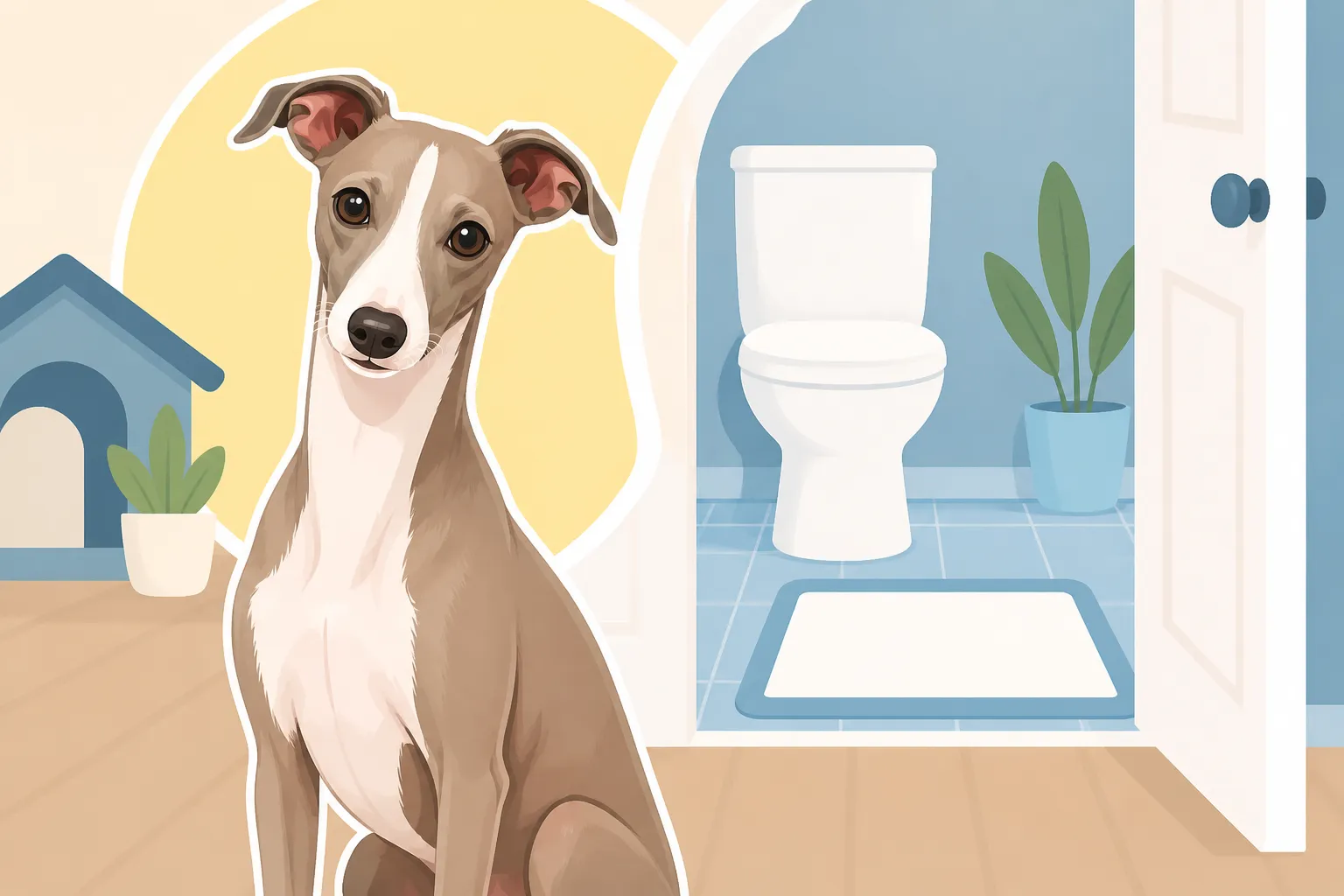
The Age an Italian Greyhound Is Reliably Housetrained
If you've ever owned an Italian Greyhound, you know the frustration that comes with housetraining. It's a common lament among Iggy parents: these delicate, opinionated little sighthounds seem to march to the beat of a different drummer when it comes to potty manners. This guide is here to provide a realistic, empathetic look at the question of when—or if—your Italian Greyhound will truly be "reliably" housetrained, offering insights and strategies to navigate this often challenging journey.
The Elusive Definition of "Reliably Housetrained" for an Italian Greyhound
Let's get one thing straight from the start: the concept of a "reliably housetrained" Italian Greyhound is often a moving target, and it rarely looks like what you might expect from other breeds. Many people envision a dog that will consistently signal to go out, hold it for extended periods, and never have an accident inside after a certain age. With an Italian Greyhound, that ideal can feel like a distant dream, especially in the early years.
Why Italian Greyhounds Are Different
Italian Greyhounds are not like many other dogs when it comes to bladder control and outdoor habits. Their delicate build contributes to a smaller bladder capacity than many might realize, meaning they simply cannot hold it as long as a robust terrier or even a larger toy breed. This isn't a fault; it's just a biological reality of their physical structure. Think about how a human toddler takes longer to achieve full bladder control than an adult – it's somewhat similar with these tiny dogs.
Beyond physiology, their temperament plays a massive role. Italian Greyhounds are incredibly sensitive creatures. They despise cold, rain, and even a damp patch of grass. A brisk wind can send them shivering back indoors, completely forgetting the mission they were sent out to accomplish. This aversion to inclement weather is deeply ingrained, making outdoor potty breaks a battle of wills, especially in regions with real winters or rainy seasons. We often see owners battling with Why an Italian Greyhound Refuses to Go Out in Rain or struggling when How Cold Weather Undoes an Italian Greyhound's Training. Furthermore, they are highly sensitive to correction. A harsh word or a negative reaction to an indoor accident can cause them to become secretive about pottying, opting to sneak off to an unseen corner rather than risk displeasing you, further complicating the training process. Why Punishment Makes an Italian Greyhound Hide to Go highlights this particular struggle.
Understanding "Reliable": A Spectrum, Not a Switch
For an Italian Greyhound, "reliable" often means something different. It’s not necessarily a light switch that flips at six months or a year old, suddenly rendering them accident-free. Instead, it’s more of a dimmer switch, gradually brightening over time, but always susceptible to dimming a bit under certain conditions.
In the best-case scenario, a reliably housetrained Iggy might be one who consistently uses their designated outdoor or indoor potty spot, but still needs frequent access and encouragement. They might be fine for a few hours but not a full workday, especially if it's cold or wet outside. They might have an occasional "protest pee" if they feel neglected or if their routine is disrupted. It's about minimizing accidents and understanding their unique needs, rather than expecting perfection. Many owners find themselves grappling with the fact that Why an Italian Greyhound Is Slow to Housetrain, and it often boils down to these inherent breed traits.
Factors Influencing How Long Housetraining Takes
The journey to housetraining an Italian Greyhound is rarely linear. Many factors contribute to how quickly, or slowly, your little friend grasps the concept, and it's essential to understand these to set yourself up for success and maintain your sanity.
The Impact of Early Life Experiences
A puppy's first few months are critical for forming habits, and housetraining is no exception. A puppy raised in an environment where they were forced to live in their own waste, such as a crowded puppy mill or an unsanitary breeding situation, will have a much harder time learning to keep their den clean. They simply haven't had the opportunity to develop the natural instinct to separate their living space from their elimination area. This can lead to a long, uphill battle, sometimes well into adulthood.
Conversely, a puppy from a responsible breeder who diligently starts early potty training, introduces them to various surfaces (grass, pavement, indoor pads), and maintains a clean environment, will likely have a head start. These puppies learn the concept of "going outside" or "using the pad" from a very young age, making the transition to your home a bit smoother. Even with a great start, their small bladders still mean frequent trips are necessary, as discussed in Why an Italian Greyhound Has a Small Bladder.
Your Training Approach Matters
Your consistency, patience, and methods are arguably the most significant factors. Italian Greyhounds respond best to positive reinforcement. Scolding, yelling, or rubbing their nose in an accident is not only ineffective but deeply damaging to their fragile psyche and your bond. It teaches them to fear you and hide their accidents, making it even harder to catch them in the act and redirect them. Instead, lavish praise, treats, and affection when they go in the right spot. Make it the most wonderful thing they could ever do!
Consistency is king. A haphazard schedule of potty breaks will yield haphazard results. You need to be diligent, taking them out every 1-2 hours as a puppy, immediately after waking up, after eating, and before bed. This might sound exhausting, and honestly, Housetraining an Italian Greyhound Is the Hardest Part of Owning One for many owners because of this relentless consistency needed. As they get older, you can gradually extend the time between breaks, but always erring on the side of too often rather than too little. Using a crate (for short periods) and umbilical cord training (keeping them tethered to you) are excellent tools for preventing accidents and building good habits in a new puppy.
Environmental Considerations
The environment you create for your Italian Greyhound heavily influences their housetraining journey. Since they are so sensitive to weather, having reliable indoor potty options can be a game-changer. This could be a designated litter box with pine pellets, a real grass patch, or high-quality absorbent puppy pads. Many owners find success with Litter Box Training an Italian Greyhound or by having Whether Indoor Pads Work for an Italian Greyhound as a backup, especially during harsh weather. Products available on platforms like Amazon can provide great solutions, from specialized indoor potty trays to weather-appropriate clothing.
Consider also how your home is set up. Do they have easy, safe access to their designated outdoor spot? Is your yard securely fenced? For indoor setups, is it in a quiet, low-traffic area where they feel safe to relieve themselves? Creating a predictable, comfortable environment helps reduce anxiety and confusion, which can impede housetraining progress.
Strategies for Success and Setting Realistic Expectations
Given the unique challenges of housetraining an Italian Greyhound, it's crucial to adopt specific strategies and adjust your expectations to avoid constant frustration. This isn't a race; it's a marathon, and sometimes, a bit of a winding path.
Building a Consistent Routine
Establishing a strict routine from day one is paramount. Puppies thrive on predictability. Take your Italian Greyhound out first thing in the morning, immediately after naps, after every meal, before bedtime, and at least once or twice during the night for very young puppies. Set a timer if you need to! When you go outside, take them to the same spot every time. The scent cues will encourage them to go. Stay out for a few minutes, even if it’s cold, and give them ample opportunity. Avoid bringing them back in if they haven't gone. If they do go, celebrate! Give a high-value treat and enthusiastic praise. This positive reinforcement makes a strong connection between going outside and a reward.
Beyond scheduled breaks, always supervise your Iggy indoors. If you can’t actively watch them, they should be in their crate (for short, appropriate durations) or in a puppy-proofed, enclosed area with an indoor potty option. This prevents accidents and helps them learn to hold it when unsupervised. For older Iggies, having a consistent schedule of "last out" and "first out" is vital, especially as The Age an Italian Greyhound Is Reliably Housetrained extends beyond what's typical for many breeds.
Indoor Potty Solutions
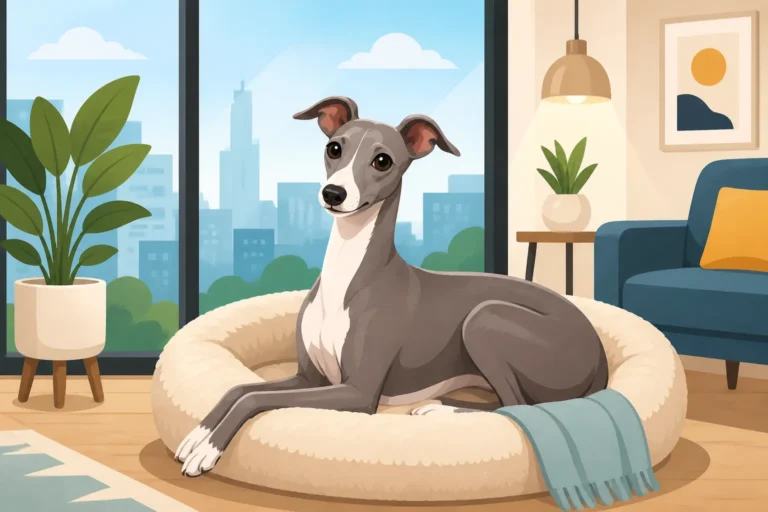
For Italian Greyhounds, indoor potty solutions are not a sign of failure but often a realistic necessity, particularly for apartment dwellers or those living in cold climates. Setting up an indoor bathroom can alleviate pressure on both you and your dog. You can use puppy pads, but many Iggy owners find success with litter box training using commercial dog litter or pine pellets. Some even opt for real or artificial grass patches. Setting Up an Indoor Bathroom for an Italian Greyhound is a detailed process that can make a huge difference.
These indoor options provide a reliable place for your Iggy to go when the weather is miserable, or you simply can’t get them out quickly enough. This is especially helpful during the critical learning phases and in situations where Why an Italian Greyhound Regresses in Winter. Remember, the goal is to prevent accidents and reinforce appropriate elimination, no matter where that takes place. Many good quality indoor potty systems can be found through retailers like Amazon, offering different styles and materials to suit your home and your dog's preferences.
Dealing with Setbacks and Cold Weather
Setbacks are an inevitable part of housetraining an Italian Greyhound. Don't let them discourage you! Every accident is a learning opportunity – for you. It means you either missed a cue, waited too long, or didn't provide adequate supervision. Clean accidents thoroughly with an enzymatic cleaner to eliminate odors that might attract your dog back to the same spot.
Cold and wet weather is perhaps the biggest adversary to an Italian Greyhound's housetraining success. Their thin skin and lack of body fat mean they get cold very quickly, and they absolutely loathe rain or snow. Invest in a good, warm coat or sweater. Better yet, have a few on hand. Keeping an Italian Greyhound Warm Is Daily Work, Not a Winter Job because they need protection even indoors sometimes. Consider a covered potty area outdoors if possible, or lean heavily on your indoor potty setup during severe weather. Sometimes, a quick dash out, even with a coat, isn't enough for them to truly relax and relieve themselves. Be patient, bring them back in, warm them up, and try again in 15-20 minutes, or direct them to their indoor spot.
| Italian Greyhound Housetraining Challenges | Realistic Solutions for Owners |
|---|---|
| Small bladder capacity | Frequent, scheduled potty breaks (every 1-2 hours for puppies, 3-4 for adults). |
| Aversion to cold, rain, snow | Warm coats, indoor potty options (pads, litter box, grass patch). |
| Sensitive temperament | Positive reinforcement ONLY. Avoid scolding; praise success lavishly. |
| Easily distracted outdoors | Leash walks to a specific spot; minimize distractions during potty breaks. |
| Regression due to stress/change | Maintain routine; provide consistent environment and calm reassurance. |
| "Protest" accidents | Address underlying emotional needs (e.g., more attention, playtime). |
When is "Reliably Housetrained" Truly Achieved?
This is the million-dollar question for many Italian Greyhound owners, and the answer, frankly, can be a bit disheartening if you're looking for a definitive age. Unlike some breeds that might be solid by 4-6 months, an Italian Greyhound can take significantly longer, and for some, it's an ongoing management process throughout their lives.
Beyond Puppyhood: The Long Haul
While some exceptionally diligent owners might have an Italian Greyhound puppy who is mostly accident-free indoors by 8-10 months, it's far more common for true reliability to not settle in until they are between 18 months and 2 years old. And even then, it often comes with caveats. A sudden change in routine, a new environment, extremely bad weather, or even feeling a little "put out" can trigger a regression.
Many Italian Greyhound owners find that the phrase "reliably housetrained" means they have learned to manage their Iggy's needs, anticipate accidents, and provide consistent opportunities to go in the right place. It's less about the dog inherently knowing to hold it indefinitely, and more about the human understanding the dog's subtle signals and providing immediate access to a potty spot. This extended timeline is a key reason why Why an Italian Greyhound Is Slow to Housetrain is such a common topic among breed enthusiasts. You might feel like you're alone in this, but it's truly a widespread experience. Even well past their first birthday, consistency remains paramount.
Maintaining Consistency for Life
For an Italian Greyhound, housetraining is rarely a "one and done" deal where you can relax and never think about it again. Even a perfectly housetrained adult Iggy benefits from a consistent schedule. They thrive on routine, and deviating from it can easily lead to accidents. This means continuing regular potty breaks, especially after meals and naps, and always before leaving them alone. If you're going to be out for an extended period, providing an indoor potty option or arranging for a pet sitter or dog walker is usually essential. Companies like BAXTER & Bella, while focused on general puppy training, emphasize consistent routines and positive methods that are highly applicable to the long-term management of an Iggy's potty habits.
Ultimately, the age an Italian Greyhound is reliably housetrained is less about a hard-and-fast chronological milestone and more about a commitment to understanding and managing their unique needs. It requires immense patience, consistency, and a willingness to adapt your environment and expectations to suit this wonderful, albeit sometimes challenging, breed. Embrace the journey, accept the occasional setback, and celebrate every successful potty break, because that's the true path to a happy, well-adjusted Italian Greyhound.
Disclaimer
This article is for general informational purposes only and does not constitute professional advice. Laws, prices and regulations vary by location and change over time. Consult a qualified professional for guidance on your specific situation.