Why an Italian Greyhound’s Teeth Crowd
Italian Greyhound dental crowding occurs because a miniature jaw houses forty-two adult teeth, retained baby teeth, and a narrow muzzle.

Italian Greyhound dental crowding occurs because a miniature jaw houses forty-two adult teeth, retained baby teeth, and a narrow muzzle.
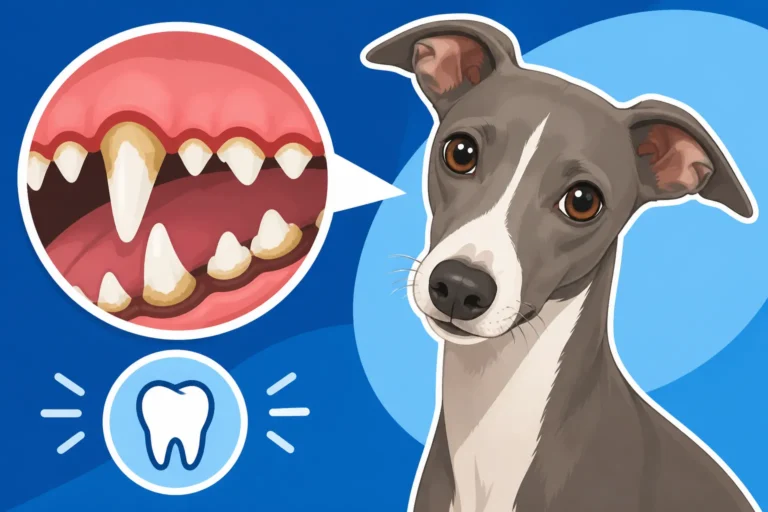
Italian Greyhound dental disease is a common, severe health concern causing plaque, tartar, and systemic organ infections.
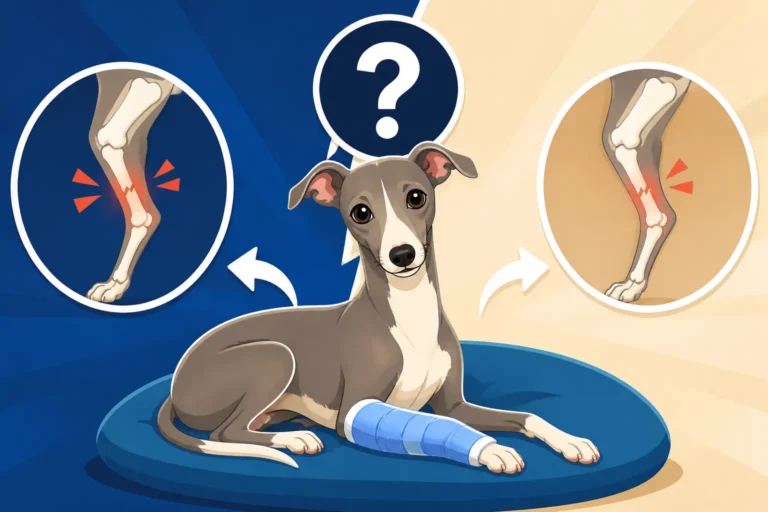
Italian Greyhound repeat leg fractures and fragile bone anatomy explained, covering risks, prevention, and long-term care.
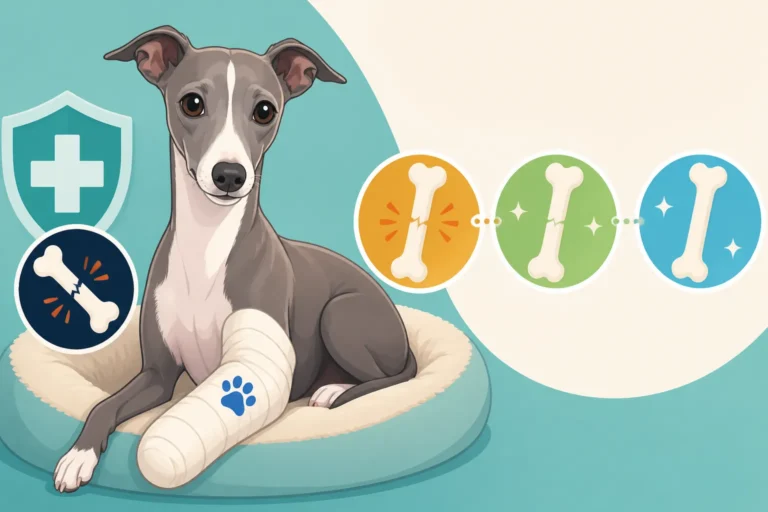
Italian Greyhound fracture healing times and fragile bone recovery factors explained for owners after radius and ulna breaks.
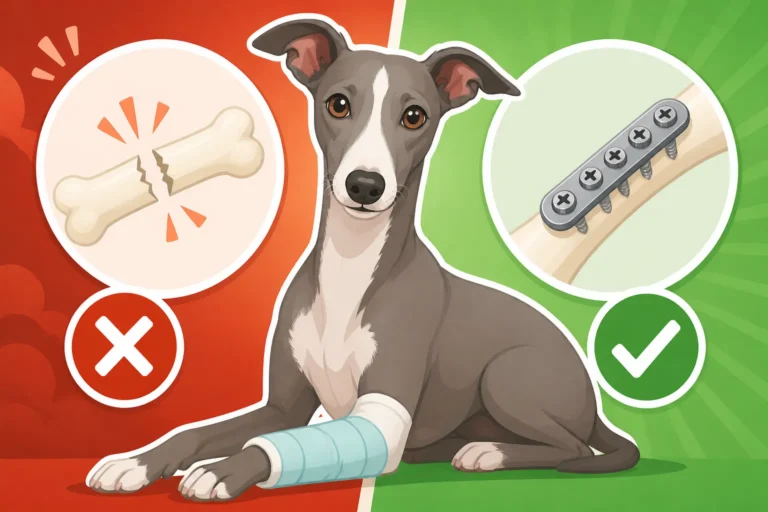
Italian Greyhound bone fractures and surgical plating requirements explained, including common injury locations and treatment options.
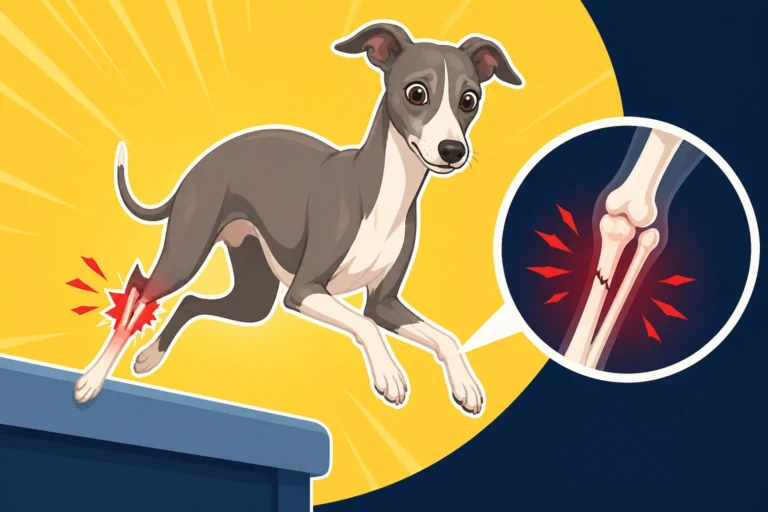
Italian Greyhound leg fractures usually affect the radius and ulna because their thin bones lack resilience and shock absorption.
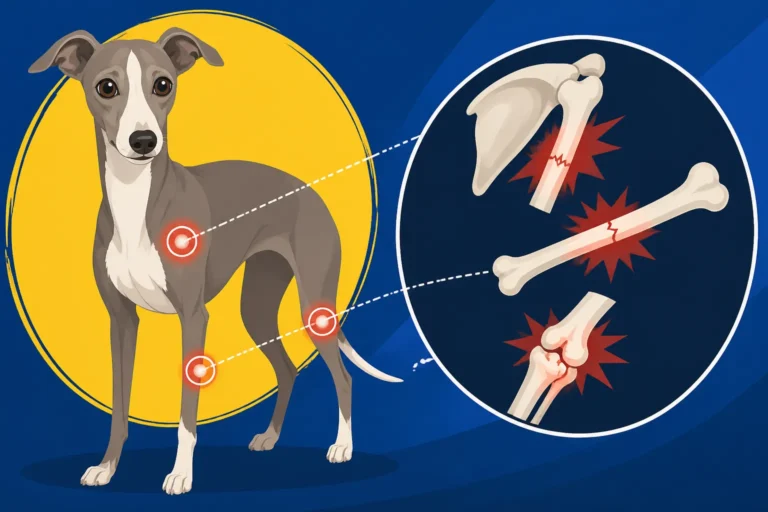
Italian Greyhound radius and ulna bones break most often during jumps, causing complex foreleg fractures in fragile limbs.
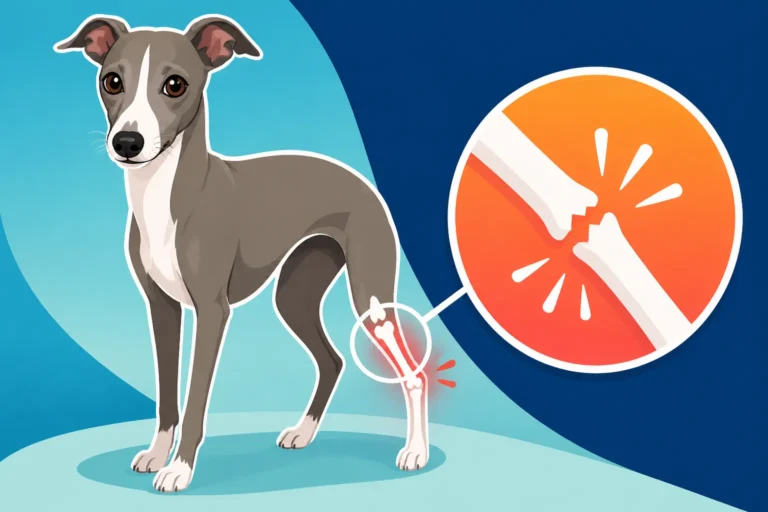
Italian Greyhound bone fracture risks peak between four and eighteen months of age during their peak puppy energy phase and bone growth.
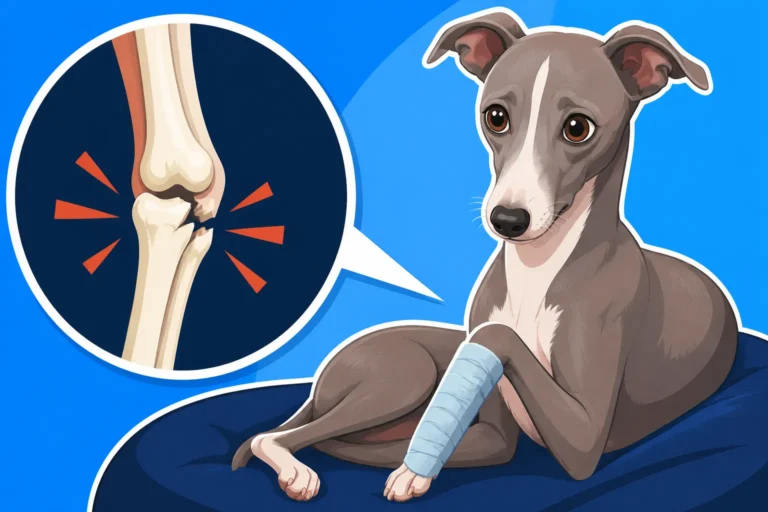
Italian Greyhound bone anatomy features a thin cortex and wide medullary cavity, making front leg bones prone to breaks.

Italian Greyhound average lifespan spans 12 to 15 years, with some resilient sighthounds reaching 16, 17, or 18 years of age.