Signs an Italian Greyhound Is Underweight
Signs an underweight Italian Greyhound displays include sharply protruding ribs, visible spine ridges, and angular hip bones.
The daily stuff, done right.
Feeding amounts by life stage, coat and skin routines, dental and nail care, exercise needs, and what changes as they age.
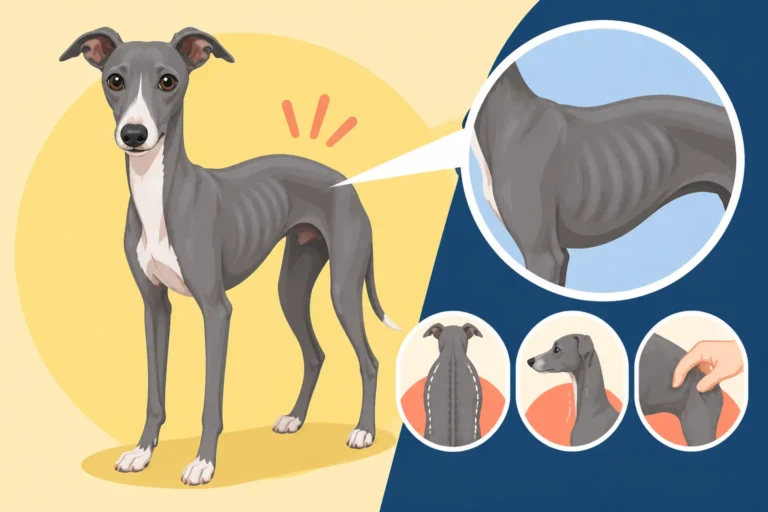
Signs an underweight Italian Greyhound displays include sharply protruding ribs, visible spine ridges, and angular hip bones.
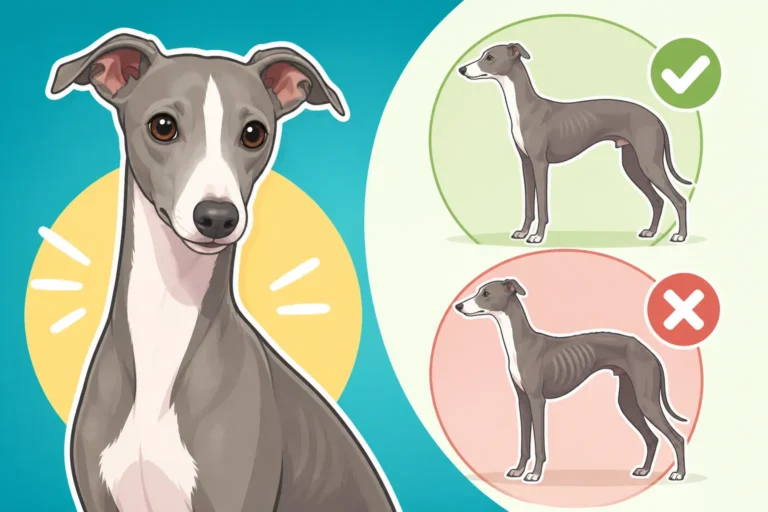
Italian Greyhound body condition guidelines explain why sighthound ribs and bones appear visible with seventeen to twenty percent body fat.
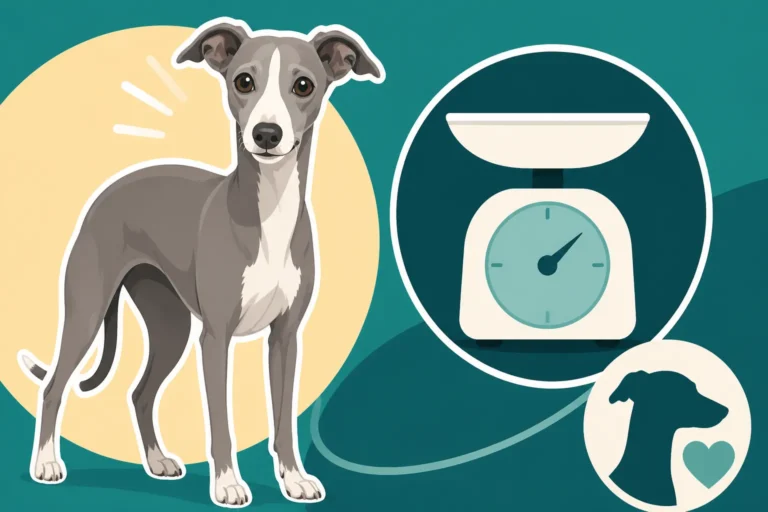
Italian Greyhound ideal weight ranges, body condition assessments, and the risks of fractures from carrying excess pounds.
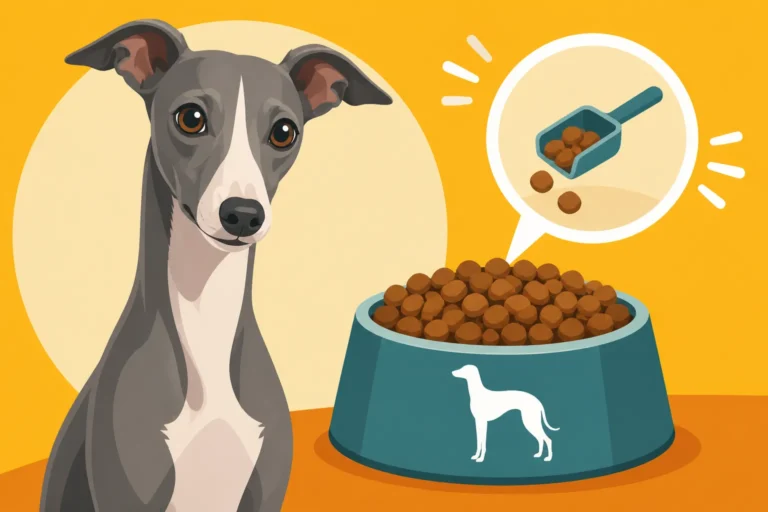
Adult Italian Greyhound feeding guidelines explain how much food the lean sighthound needs daily without gaining excess weight.
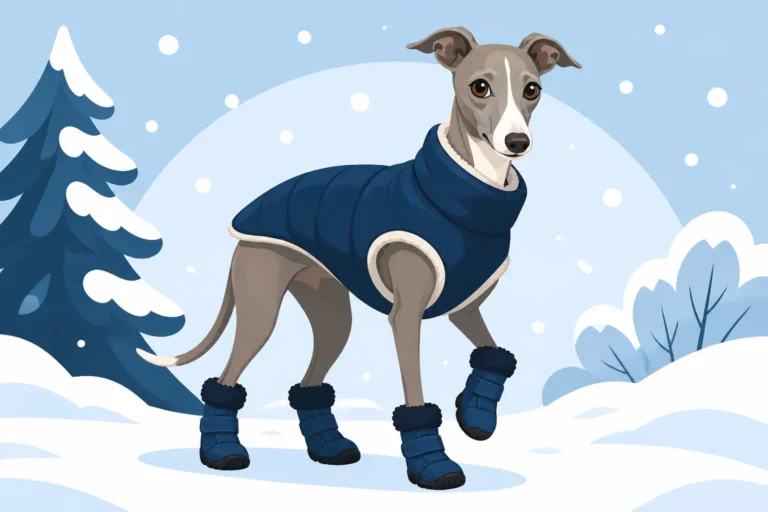
Italian Greyhound paw protection in snow explains when dog boots become necessary for thin skin, low body fat, and cold winter temperatures.
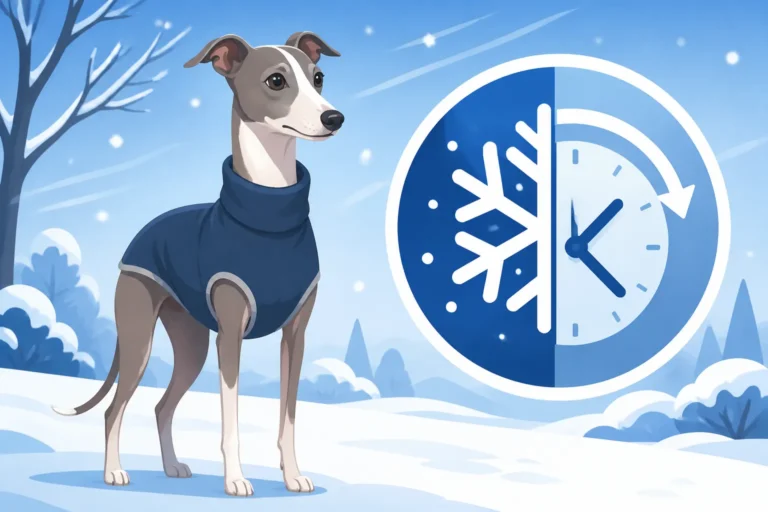
Italian Greyhounds lack body fat and insulating fur, causing rapid heat loss and severe cold stress during winter outdoor trips.
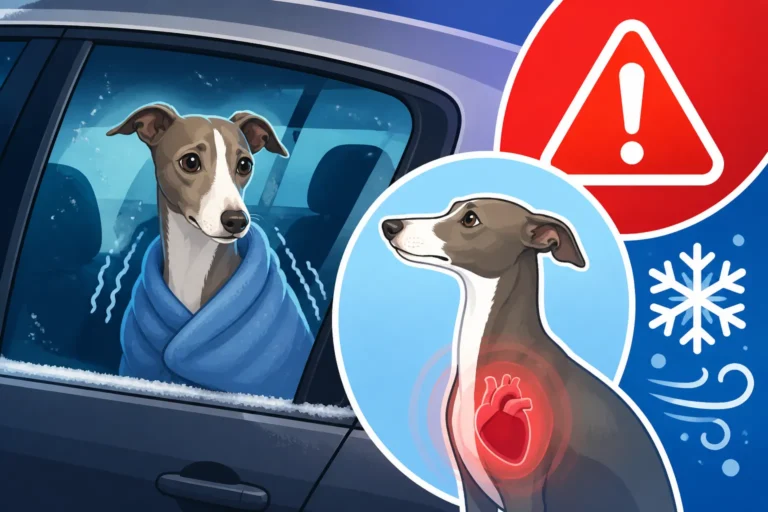
Italian Greyhounds experience rapid hypothermia in cold cars because thin skin, minimal body fat, and single coats cause severe heat loss.
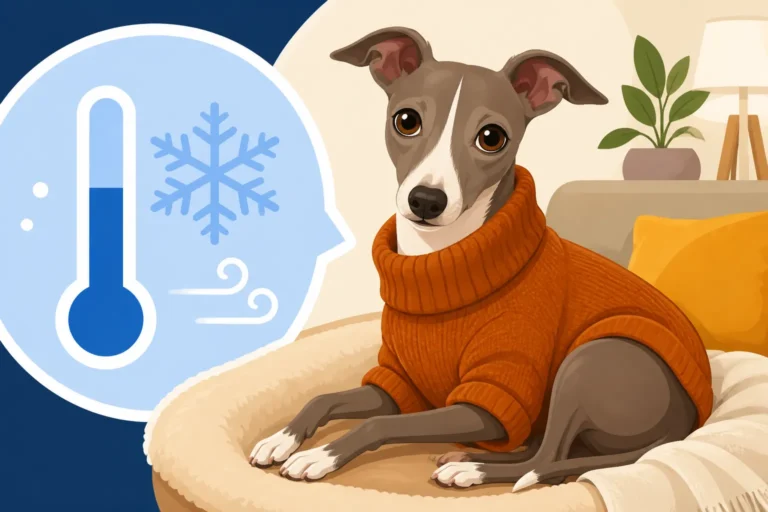
Italian Greyhound physiology, thin single coats, and lean physique explain why indoor sweaters help these dogs stay warm.

Italian Greyhound shivering stems from having seventeen percent body fat, thin skin, and minimal coat insulation against environmental triggers.
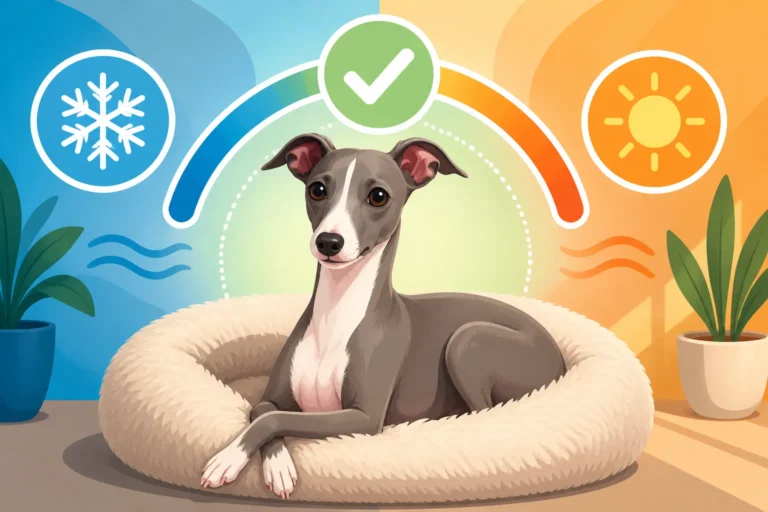
Italian Greyhounds lack body fat and thick fur, requiring specific indoor temperatures and warm environments to prevent continuous shivering.