Teaching an Italian Greyhound to Use a Ramp
Teaching an Italian Greyhound to use a ramp prevents front leg fractures and protects fragile bones from the risks of jumping.
Work with the temperament you have.
House-training and crate work, recall, leash manners, separation anxiety, and the behaviors this breed is wired for.
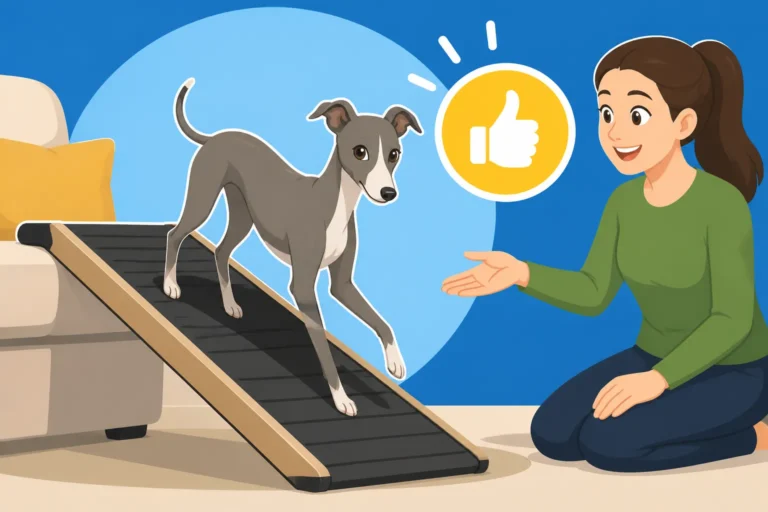
Teaching an Italian Greyhound to use a ramp prevents front leg fractures and protects fragile bones from the risks of jumping.
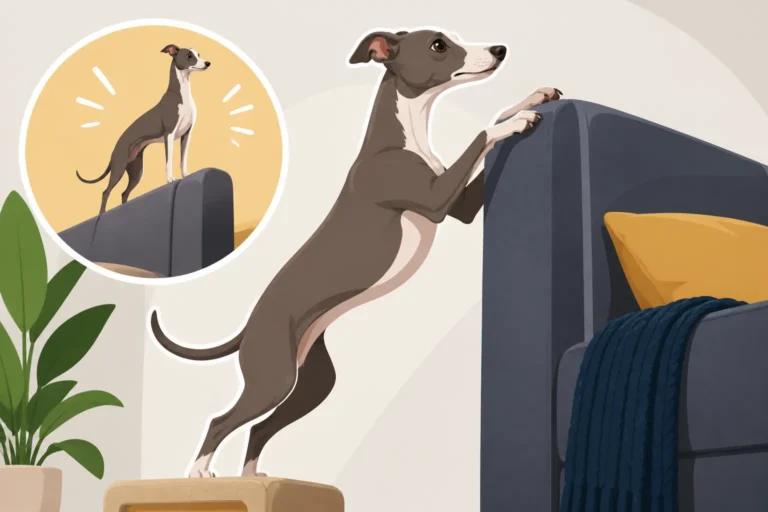
Italian Greyhound vertical ambition and jumping physics explain why these delicate dogs scale indoor furniture and counters.

Italian Greyhound counter-surfing behavior stems from athletic jumping ability, keen curiosity, and strong food motivation.
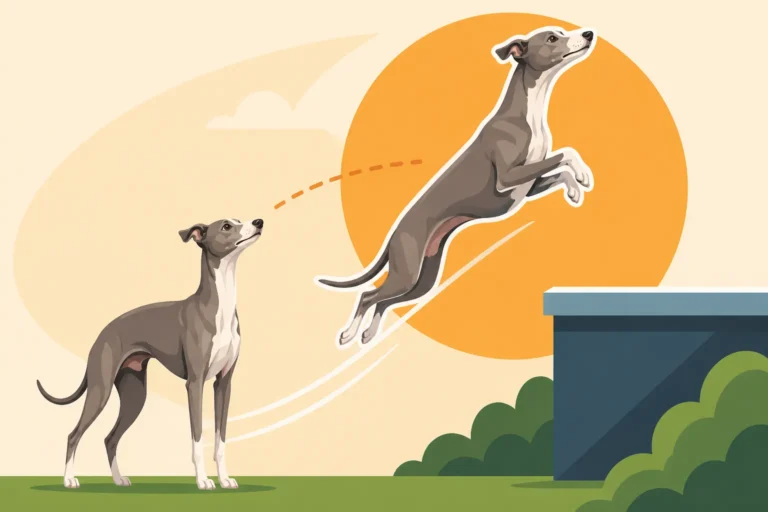
Italian Greyhounds reach heights of thirty to thirty-six inches from a standing position, clearing baby gates and tables.

Training an Italian Greyhound for therapy work involves understanding specific temperament demands, solid obedience needs, and environmental challenges.

Italian Greyhound performance on the Canine Good Citizen test depends on managing sensitivity, intelligence, and stubbornness.

Italian Greyhound obedience intelligence rankings, based on Stanley Coren’s work, measure commands rather than independent sighthound problem-solving.

Italian Greyhound behavior often looks like stubborn defiance, but strong prey drive and independent thinking actually cause them to ignore commands.
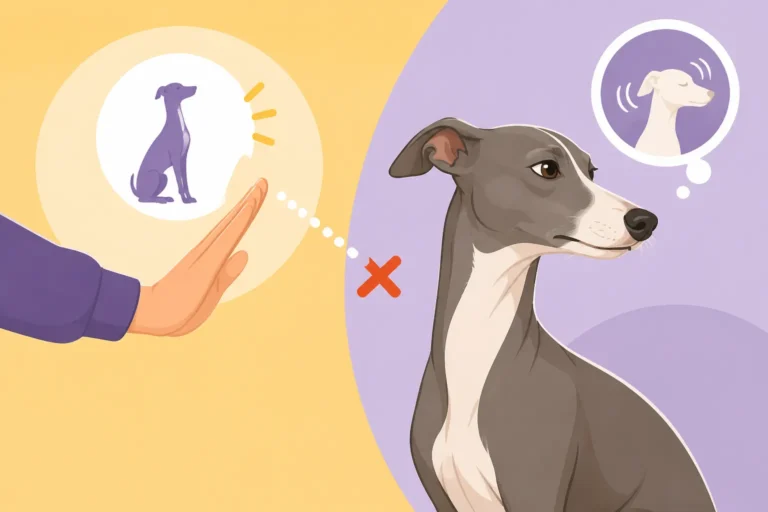
Italian Greyhound ignoring known cues is caused by sighthound instincts, prey drive, and overwhelming environmental distractions.
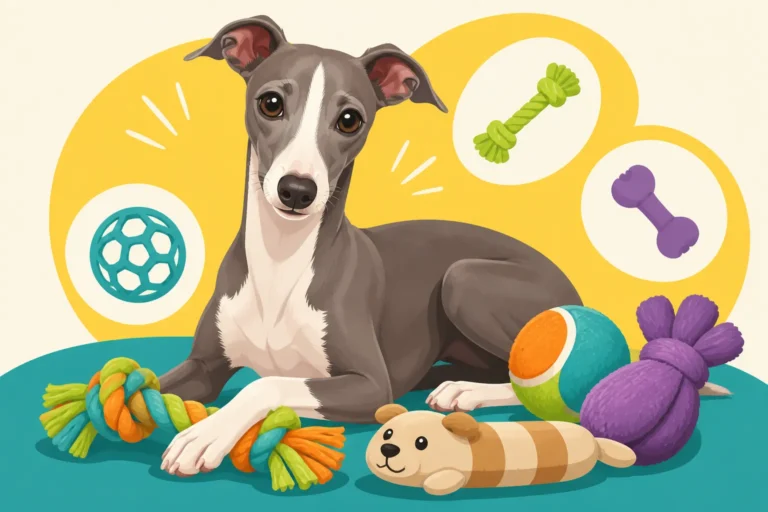
Italian Greyhound play styles require lightweight, soft toys that protect fragile bones and satisfy natural sighthound prey drives.