How an Italian Greyhound Behaves When You Pack a Bag
Oh, the infamous "packing a bag" ritual! If you're an Italian Greyhound owner, you know this isn't just a simple task of folding clothes; it's often a dramatic, anxiety-inducing event for your sensitive companion. This guide is here to walk you through the various ways your Italian Greyhound might react when they see that suitcase come out and offer practical strategies to help both of you navigate this emotionally charged moment.
Understanding the Italian Greyhound's Deep Attachment
Italian Greyhounds are renowned for their incredibly strong bond with their human companions. They aren't just pets; they're family, often referred to as "Velcro dogs" for a reason. This intense connection, while heartwarming, also makes them particularly susceptible to separation anxiety or general unease when their primary person prepares to leave. Their world revolves around you, your routine, and your constant presence, so any deviation, especially one that signals your potential absence, can be incredibly unsettling.
The Velcro Dog Phenomenon
It's not just a cute nickname; the "Velcro dog" label perfectly encapsulates the Italian Greyhound's desire for constant physical proximity. They will follow you from room to room, curl up on your lap at every opportunity, and often sleep under the covers right next to you. This constant companionship means they are keenly aware of your every move and change in routine. When you start pulling out luggage, it breaks their sense of security and continuity. They pick up on subtle cues – the sound of a zipper, the scent of unpacked clothes, the change in your own demeanor as you prepare for a trip. All these signals scream "change" and "potential absence" to your little shadow. This deep need for connection is why they often express their distress so profoundly. For more on this, check out The Velcro Dog: What Constant Company Means With an Italian Greyhound.
Sensitivity and Routine Changes
Italian Greyhounds are incredibly sensitive creatures. Loud noises, sudden movements, or even a stern tone of voice can deeply affect them. This sensitivity extends to changes in their daily schedule. They thrive on routine; knowing when walks, meals, and cuddle times occur provides them with a sense of safety and predictability. Packing a bag signals a major disruption to this carefully constructed world. It's not just about you leaving; it's about their entire routine potentially being thrown off balance, and their inherent anxiety kicks in. They don't understand that you'll be back, or that someone else might care for them in your absence. All they perceive is the shift, the uncertainty, and the looming possibility of being left behind.
Common Behaviors When the Suitcase Comes Out
When that suitcase makes an appearance, you might witness a range of behaviors from your Italian Greyhound, all stemming from their anxiety and deep attachment to you. These aren't naughty behaviors; they are expressions of stress and a desperate plea for reassurance.
Shadowing and Increased Clinginess
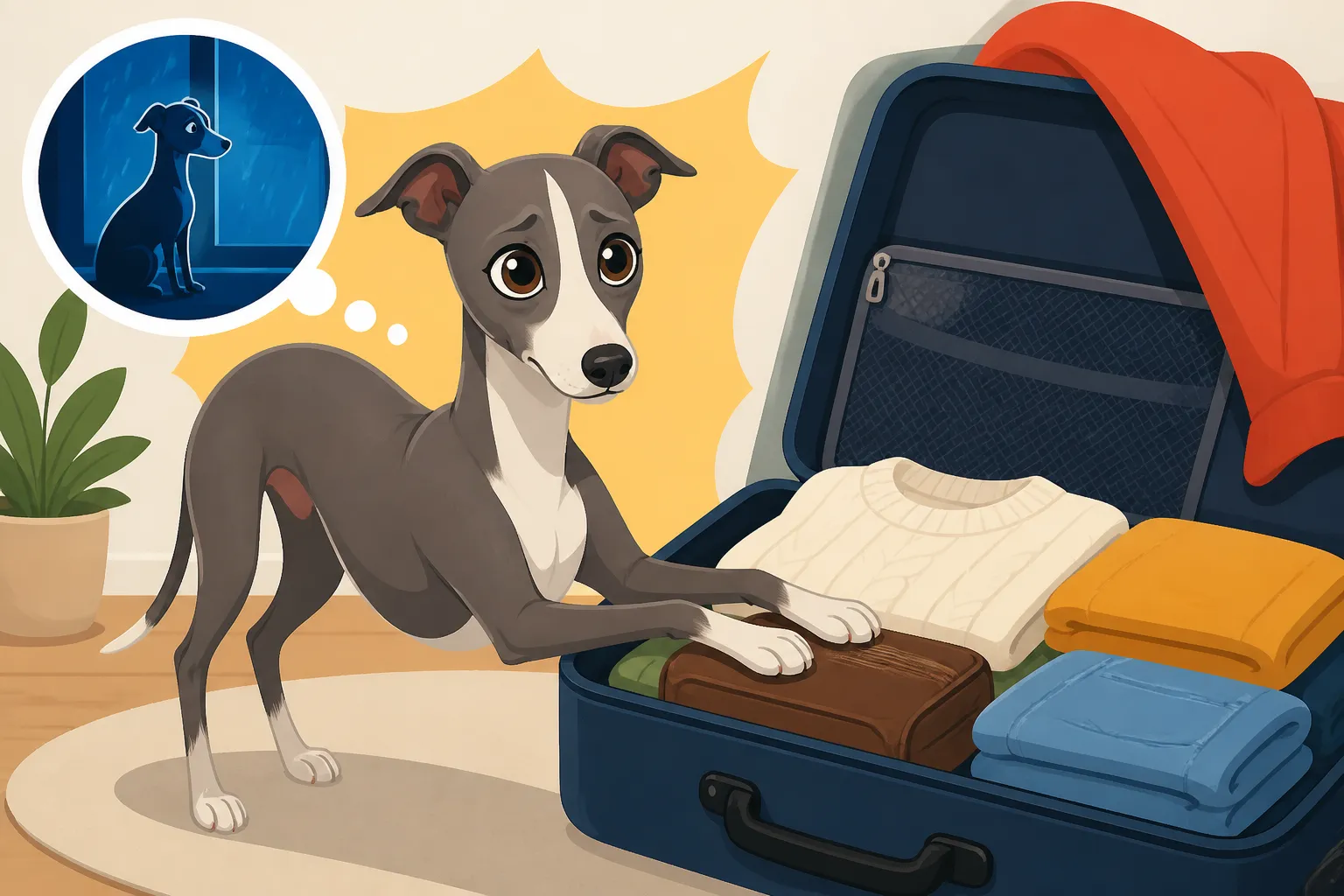
One of the most immediate and common reactions is an increase in shadowing and clinginess. If your Italian Greyhound is usually a "Velcro dog," they become super-Velcro. They will literally be underfoot, trying to stay as close as possible. They might lie on your packed clothes, try to squeeze into the suitcase, or constantly nudge your hand for attention. This behavior is their way of trying to prevent you from leaving or, failing that, to soak up as much of your presence as possible before you go. It's heartbreaking to see, but it's a clear sign of their fear of separation.
Whining, Pacing, and Restlessness
As the packing progresses, you might hear soft whimpers escalating to more insistent whining. Your Italian Greyhound might pace nervously around the room, unable to settle. They may jump on and off furniture, or follow you with a restless energy that speaks volumes about their internal turmoil. This restlessness is a classic sign of anxiety, indicating that their stress levels are rising. They might not know what to do with themselves, caught between wanting to stop you and wanting to remain close. This is often an early indicator of Signs an Italian Greyhound Has Separation Anxiety.
Loss of Appetite or Potty Accidents
In more severe cases of anxiety, your Italian Greyhound might refuse to eat their usual meal or treats, even their absolute favorites. Their stomach can be upset by stress, leading to a temporary loss of appetite. Conversely, some Iggies might have potty accidents indoors, even if they are perfectly The Age an Italian Greyhound Is Reliably Housetrained. This isn't out of spite; it's a physiological response to extreme stress and fear. The disruption to their routine and the emotional distress can temporarily override their housetraining. It's a clear signal that they are truly overwhelmed.
Hiding or Retreating
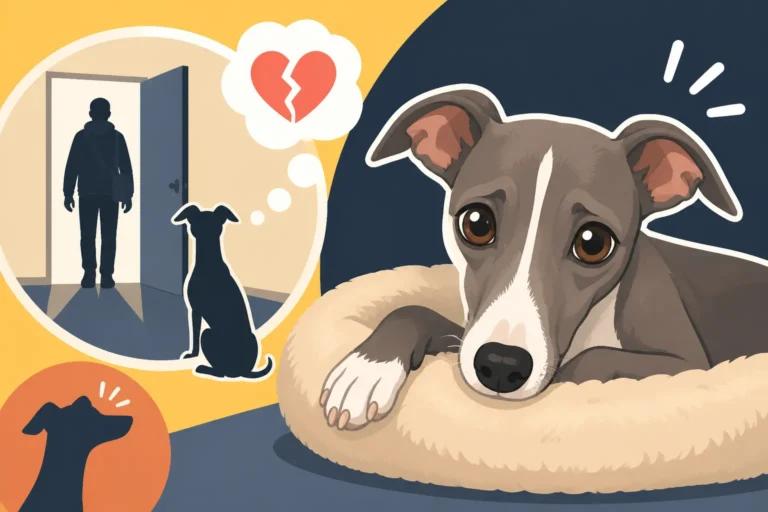
While some Italian Greyhounds become overtly clingy, others might react by retreating or hiding. They might slink away to their bed, burrow under blankets, or even try to hide in a closet. This behavior often indicates that they've processed the cues of your departure and are trying to cope by removing themselves from the perceived stressful situation. They might be trying to make themselves invisible, hoping that if you don't see them, you won't leave. It's a form of self-soothing or avoidance when faced with an overwhelming emotional trigger.
Strategies to Ease Your Italian Greyhound's Anxiety
Dealing with your Italian Greyhound's distress when you pack a bag requires a compassionate and proactive approach. The goal is to gradually desensitize them to the sight of luggage and associate your preparations with positive experiences, rather than impending doom.
Desensitize and Counter-Condition Gradually
The key to helping your Italian Greyhound is to make the suitcase a neutral, or even positive, object. Start by simply bringing the suitcase out and leaving it in a common area for short periods, without actually packing anything. Let your Iggy sniff it, explore it, and get used to its presence. Offer high-value treats or engage in a favorite game near the suitcase. This is called desensitization.
Once they're comfortable with the suitcase being out, start packing very small items, like a single sock, and then put them away immediately. Gradually increase the amount you pack and the duration the suitcase is open. Always pair these actions with calm praise and treats. You want them to think, "Oh, the suitcase is out? Maybe I'll get a yummy treat!" rather than "Oh no, they're leaving!" This counter-conditioning creates a positive association with the previously anxiety-inducing object. Many online training platforms, like BAXTER & Bella, offer resources on systematic desensitization techniques that can be applied to various anxiety triggers, including departure cues.
Creating Positive Associations with Departure Cues
It's not just the suitcase that signals your departure; it's a whole chain of events: grabbing your keys, putting on your shoes, picking up your purse. You need to break this chain of anxiety. Practice these departure cues randomly throughout the day, without actually leaving. Grab your keys, walk to the door, then sit back down and read a book. Put on your coat, then go make a cup of coffee. The more you "fake" these departures, the less predictive they become for your Italian Greyhound.
When you do have to leave for real, create a positive distraction. Give your Italian Greyhound a special, long-lasting chew toy or a puzzle feeder filled with their favorite treats right before you walk out the door. The idea is to associate your departure with something highly rewarding. You can find a wide variety of engaging puzzle toys and durable chews on Amazon that can keep an Italian Greyhound occupied. This helps shift their focus from your absence to something enjoyable they can do.
Preparing for Your Actual Absence
Beyond addressing the immediate packing anxieties, it's crucial to prepare your Italian Greyhound for your actual absence, whether it's for a few hours or a longer trip. This involves ensuring they are comfortable being alone and that their physical and emotional needs are met.
Gradual Alone Time Training
If your Italian Greyhound struggles with being alone, you'll need to work on How Long an Italian Greyhound Copes Alone. Start with very short absences, literally seconds, and gradually increase the duration. Use a pet camera to monitor their behavior. When you return, remain calm; don't make a big fuss, as this can reinforce the idea that your absence was a huge deal. The goal is to teach them that your departures are normal and that you always come back. Some Italian Greyhounds benefit greatly from dedicated crate training for alone time, turning their crate into a safe, cozy den. Learn more about Leaving an Italian Greyhound Crated as a part of their routine.
Ensuring Comfort and Security
Before you leave, make sure your Italian Greyhound has access to a comfortable, familiar space. This could be their favorite bed, a snuggle sack, or their crate, filled with soft blankets. Many Iggies love to burrow, so providing them with a space where they can feel secure is essential. Leave on a calming radio station or a pet-specific relaxation playlist. Consider using a calming pheromone diffuser in their main living area. These little comforts can make a big difference in reducing their overall stress levels while you're away.
When traveling with your Italian Greyhound, or sending them to stay with a trusted sitter, ensure they have their own familiar items, like their bed, favorite toy, and even a t-shirt that smells like you. This continuity helps them adjust to new environments. For tips on traveling, see Traveling With an Italian Greyhound and How an Italian Greyhound Rides in a Car.
Here's a quick summary of behaviors and initial responses:
| Behavior | What it Signals | Initial Response |
|---|---|---|
| Shadowing / Clinginess | Fear of abandonment, seeking reassurance | Calmly acknowledge, offer gentle pets, don't reinforce anxiety with excessive fuss |
| Whining / Pacing | Rising anxiety, distress, inability to self-soothe | Redirect with a favorite toy or chew, engage briefly in calm play |
| Loss of Appetite | High stress, nausea | Offer tempting, high-value treats in small amounts, don't force feeding |
| Potty Accidents | Extreme stress, fear, loss of control | Clean up calmly, reinforce positive housetraining on next successful attempt |
| Hiding / Retreating | Overwhelmed, trying to cope, seeking security | Respect their need for space, ensure their safe spot is comfortable and accessible |
The Importance of a Calm Departure and Return
When it's actually time to leave, try to make your departure as calm and uneventful as possible. Avoid lengthy, emotional goodbyes, as these can heighten your Italian Greyhound's anxiety. A simple, "Be a good dog, I'll be back," is sufficient. Similarly, when you return, don't rush in with an overly excited greeting. Give them a minute to calm down, then offer a quiet, happy greeting and positive reinforcement. This teaches them that departures and arrivals are not high-stress events. Consistency in this approach is key to Teaching an Italian Greyhound to Settle Alone.
By understanding the deep emotional world of your Italian Greyhound and implementing these thoughtful strategies, you can help them feel more secure, even when the dreaded suitcase makes its appearance. It takes patience, but their peace of mind is worth every effort.
Disclaimer
This article is for general informational purposes only and does not constitute professional advice. Laws, prices and regulations vary by location and change over time. Consult a qualified professional for guidance on your specific situation.