Teaching an Italian Greyhound to Settle Alone
It’s a familiar scene for many Italian Greyhound owners: you try to step into another room, and there they are, a little shadow at your heels. You want to run a quick errand, and the guilt starts to set in even before you reach the door. Teaching an Italian Greyhound to comfortably settle alone isn’t just about convenience; it’s about their emotional well-being and preventing the stress of separation anxiety. This guide will walk you through understanding your IG's unique needs and building the confidence they need to enjoy their solo time.
Understanding Why Italian Greyhounds Struggle with Being Alone
Italian Greyhounds are exquisitely sensitive and deeply devoted creatures, which is both their greatest charm and their biggest challenge when it comes to independence. They weren't bred to guard or hunt independently for long stretches; they were bred for companionship.
The "Velcro Dog" Nature
If you've spent any time around an Italian Greyhound, you've undoubtedly encountered their "Velcro dog" tendencies. These aren't just affectionate quirks; they're deeply ingrained behaviors stemming from centuries of selective breeding. Historically, Italian Greyhounds were prized lapdogs for nobility across Europe, meant to be constant companions, bed warmers, and status symbols. They literally lived intertwined with their human families, rarely left to their own devices. This history has sculpted a breed that thrives on constant human interaction and physical closeness.
For your Italian Greyhound, being constantly near you isn't just a preference; it often feels like a fundamental need. They'll follow you from room to room, supervise your bathroom breaks, and often find their way under your covers at night. This intense bond, while heartwarming, means that any perceived separation can trigger an instinctual fear of abandonment. They aren't trying to be difficult or demanding; they are simply fulfilling their genetic destiny as devoted companions. It's important to recognize that this isn't a flaw in their character, but rather a central part of The Velcro Dog: What Constant Company Means With an Italian Greyhound.
The Impact of Early Experiences
Just like with children, an Italian Greyhound's early life experiences significantly shape their ability to cope with being alone. Puppies that are constantly with their littermates and mother, and then suddenly thrown into a new home where they are left alone for extended periods, can develop a deep-seated insecurity. Similarly, a rescue Italian Greyhound might come with a history of abandonment or inconsistent care, making them particularly vulnerable to separation anxiety. These past experiences, whether brief or prolonged, can hardwire a response of fear or panic whenever they find themselves without their human.
Think about a puppy who was never taught that being alone for a few minutes is okay. If their first experiences of solitude were sudden and jarring, perhaps accompanied by fear or boredom, they quickly learn to associate being alone with negative feelings. Conversely, a puppy gradually introduced to short periods of independent play or quiet time in a safe space often develops a healthier perspective. For a rescue, unraveling old anxieties might take more time and patience, requiring a gentle, consistent approach to rebuild trust and redefine their understanding of solitude.
Identifying Signs of Discomfort or Anxiety
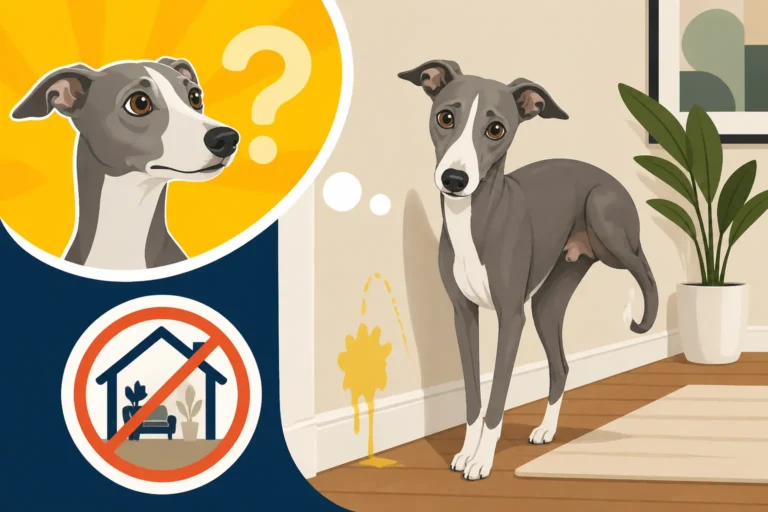
It’s crucial to differentiate between an Italian Greyhound who is just a little sad you’re leaving and one experiencing genuine distress or separation anxiety. Subtle cues often precede more obvious behaviors. A dog might start pacing, panting excessively, or become unusually clingy as you prepare to leave. Some will whine or bark immediately as you walk out the door, while others might escalate to destructive chewing of doors, window sills, or furniture. Urinating or defecating indoors, especially if they are otherwise reliably house-trained, is another common sign, often occurring directly after you leave.
More severe cases can involve self-mutilation, such as excessive licking or chewing of their paws, or attempts to escape their crate or enclosure, potentially causing injury. It’s not about them being "naughty"; these are panic responses. Monitoring your Italian Greyhound, perhaps with a pet camera, can offer invaluable insight into their behavior once you're gone. This allows you to see the true extent of their anxiety and respond appropriately. Understanding Signs an Italian Greyhound Has Separation Anxiety is the first step towards helping them.
Building a Foundation for Independence
Before you even think about leaving your Italian Greyhound for an extended period, you need to lay a strong foundation of positive associations with solitude and a sense of security in their designated safe space.
Creating a Safe and Positive "Alone Space"
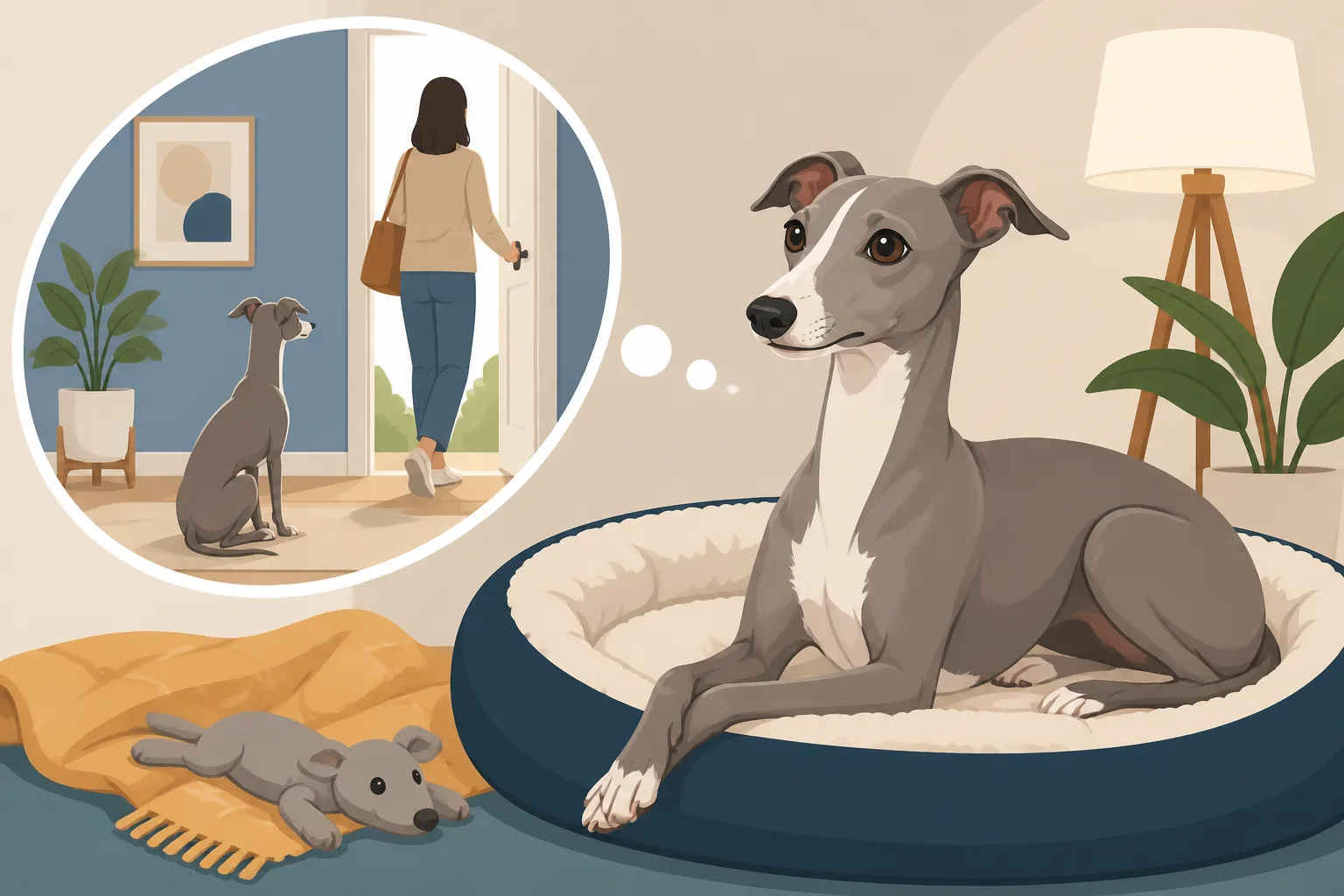
Every Italian Greyhound needs a personal sanctuary, a place where they feel completely safe, secure, and comfortable, even when you're not right there. This isn't just a place they go when you leave; it's a place they want to be. For many IGs, this might be a soft, cozy crate, a comfortable dog bed in a quiet corner, or even a designated spot on the sofa with their favorite blankets. The key is that this space is associated with good things and never used for punishment.
To make this space appealing, fill it with plush bedding, their favorite toys, and perhaps an item that smells like you (an old t-shirt, for example). Offer high-value treats only in this space, especially when they settle there voluntarily. You want them to view it as their personal den, a place of peace and comfort. This secure base is essential for their mental well-being when alone. If your IG views their space as a place of refuge, it will dramatically improve their ability to cope when you step away.
The Power of Crate Training
While not every dog takes to a crate immediately, for many Italian Greyhounds, a crate can become an invaluable tool for teaching them to settle alone. A crate, when introduced correctly, taps into a dog's natural denning instinct, providing a secure, cozy space that feels safe. It's not a jail; it's their bedroom. The key is slow, positive introduction. Start by feeding meals in the crate, throwing treats inside, and letting them explore it at their own pace. Never force them in or use it for punishment, as this will create negative associations that are incredibly difficult to overcome, especially with sensitive IGs.
Once they're comfortable going in and out, practice closing the door for very short periods while you're still in the room, gradually increasing the time. Offer a special chew toy or a stuffed Kong when they are crated to create a positive link. This teaches them that the crate is a good place to be, a place where good things happen, and a place where they can relax. The goal is for them to willingly enter their crate and settle down, even when you're nearby, before you ever try leaving the house. Many Italian Greyhound owners find that proper Crating an Italian Greyhound Overnight is a great stepping stone to comfortable daytime solitude.
Establishing a Predictable Routine
Dogs thrive on routine and predictability, and Italian Greyhounds are no exception. A consistent daily schedule helps them understand what to expect, which can significantly reduce anxiety. This means having set times for meals, walks, potty breaks, playtime, and, crucially, quiet time. If your IG knows that after their morning walk and breakfast, there's always a period of quiet chewing or napping in their safe space, they are more likely to settle down rather than anticipate your immediate return.
The routine also helps manage their energy levels. Ensure they get adequate exercise and mental stimulation before any planned alone time. A tired dog is a good dog, and an Italian Greyhound who has had a good sniff-walk and some playtime is much more likely to snooze quietly than one bursting with pent-up energy. Conversely, avoid making your departure or return a huge event. Keep greetings and goodbyes calm and low-key, which signals that your coming and going is a normal, non-alarming part of the day.
Step-by-Step Training for Alone Time
Once your Italian Greyhound has a positive association with their "alone space" and a solid routine, you can begin the gradual process of extending the time they spend alone. This requires patience, consistency, and a very slow escalation.
Starting with Short, Incremental Absences
This is where the real work begins, and "slow and steady" is the absolute mantra. Start with absences so short they seem almost silly. Put your Italian Greyhound in their safe space with a high-value, long-lasting treat (like a frozen Kong or a chew that takes time to get through). Walk out of sight for literally 5-10 seconds. Then, calmly return. If there was no fuss, congratulations! Repeat this several times, only increasing the duration by a few seconds each time. If your IG starts to show signs of distress, you've gone too far, too fast. The next session, dial it back to the last successful duration.
The key is to come back before they get anxious. This teaches them that you always return. Gradually work your way up to minutes, then 15 minutes, then half an hour. Use a pet camera to observe their behavior when you're gone. This objective view will tell you if they are truly settling or just quietly panicking. Many training programs, like those offered by BAXTER & Bella, emphasize these incremental steps, providing structured guidance for pet parents to follow. Don't rush it; mastering each short interval is more important than achieving a longer one quickly.
Making Departures and Arrivals Low-Key
Italian Greyhounds are masters at picking up on our cues. If you make a big fuss every time you leave – "Oh, my poor baby, I'll be back!" – or throw a party when you return, you inadvertently heighten their anxiety around your departures and arrivals. Your excitement signals to them that these moments are significant and potentially stressful. Instead, aim for a calm, almost nonchalant attitude.
When you're preparing to leave, avoid prolonged goodbyes. Simply place them in their designated safe space with their treat, offer a calm "Be good," and walk out the door. When you return, resist the urge for an immediate, effusive greeting. Wait until they are calm and settled, perhaps for a minute or two, before quietly acknowledging them. This teaches them that your coming and going is a normal, everyday event, not a dramatic separation and reunion. Over time, this low-key approach helps to normalize alone time and reduce the emotional rollercoaster for your sensitive Italian Greyhound.
Providing Engaging Enrichment During Alone Time
A bored Italian Greyhound is a destructive or anxious Italian Greyhound. Mental stimulation and appropriate distractions are absolutely critical for successful alone training. When you leave, provide them with something engaging that will occupy their mind and body for a good period. Puzzle toys, KONGs stuffed with frozen peanut butter or their kibble, or safe chew toys can work wonders. The act of working for food is naturally calming and can redirect their focus away from your absence. You can find a wide variety of these items on platforms like Amazon, from treat-dispensing balls to more complex puzzle feeders.
These enrichment items aren't just entertainment; they serve a vital purpose. They turn alone time into a positive experience, a time when they get access to special, fun things they don't always get. This helps to counter the negative associations of solitude. Rotate toys to keep things fresh and interesting. Some IGs also benefit from quiet classical music or a white noise machine, which can mask outside sounds that might trigger barking or restlessness, allowing them to relax more deeply. Keeping them mentally engaged helps prevent them from becoming restless or destructive because they have What an Italian Greyhound Does When Bored.
Common Pitfalls and Troubleshooting
Even with the best intentions, teaching an Italian Greyhound to settle alone can present its challenges. Understanding common mistakes and knowing how to adjust your approach is key to long-term success.
Avoiding Punishment and Managing Setbacks
It’s natural to feel frustrated when you come home to a mess or discover your Italian Greyhound has been barking incessantly. However, punishing an Italian Greyhound for behaviors stemming from anxiety or fear is counterproductive and can severely damage your bond. Your IG isn't acting out of spite; they are genuinely distressed. Punishment will only teach them to fear your return, or to hide their anxious behaviors, making the underlying problem worse. They might learn to hide their accidents or suppress their vocalizations when you're around, but the internal panic will remain. This is a particularly sensitive breed, and a raised voice can set an Italian Greyhound back for weeks. Remember Why Punishment Makes an Italian Greyhound Hide to Go.
Instead of punishment, focus on managing the environment and adjusting your training plan. If your Italian Greyhound is regressing or showing new signs of anxiety, it means you've either progressed too quickly or something in their routine needs tweaking. Go back to shorter absence durations where they were successful, and slowly rebuild. Management tools like pet gates, crates, or even a dog sitter for longer absences can prevent destructive behaviors while you work on the root cause. This patient, positive approach builds trust and confidence, which are essential for a sensitive Italian Greyhound.
When to Seek Professional Help
Sometimes, despite your best efforts, an Italian Greyhound's separation anxiety can be too severe to manage with home training alone. If your IG is causing significant self-harm, destroying property, or experiencing extreme distress, it's time to seek professional guidance. This isn't a failure on your part, but a recognition that some anxiety cases require specialized intervention. A certified professional dog trainer or a veterinary behaviorist can assess the severity of the anxiety, rule out any underlying medical conditions, and develop a tailored behavior modification plan.
This plan might include a combination of systematic desensitization exercises, counter-conditioning, and, in some cases, medication to help reduce their anxiety levels while you work on the behavioral changes. A professional can also provide invaluable support and guidance, helping you understand triggers and implement strategies that you might not have considered. Don't hesitate to reach out; helping your Italian Greyhound feel safe and secure, even when alone, is one of the most loving things you can do for them. For dogs with significant issues, sometimes Whether a Second Italian Greyhound Fixes the Anxiety is explored, but it's often more complex than simply adding another dog.
Remember, teaching an Italian Greyhound to settle alone is a journey, not a destination. There will be good days and challenging ones, but with consistency, patience, and a deep understanding of your sensitive companion, you can help them build the confidence to truly relax in their own company.
Disclaimer
This article is for general informational purposes only and does not constitute professional advice. Laws, prices and regulations vary by location and change over time. Consult a qualified professional for guidance on your specific situation.