What to Brush an Italian Greyhound’s Teeth With
If you're an Italian Greyhound owner, you know that these elegant, delicate dogs come with their own unique set of care needs. One of the most persistent and, frankly, frustrating challenges many of us face is keeping their tiny, crowded mouths healthy. It’s not just about fresh breath; it’s about preventing serious health issues that can shorten their lives and lead to painful, expensive vet visits. This guide is dedicated to breaking down exactly what you need to brush your Italian Greyhound’s teeth with, and why these choices matter so much for their long-term well-being.
Understanding Your Italian Greyhound's Dental Landscape
Before we even get to the brush and paste, it’s crucial to understand why dental care is such a monumental aspect of Italian Greyhound ownership. These aren't just small dogs; they have particular anatomical quirks that make them highly susceptible to dental disease, often at a shockingly young age. Ignoring these factors is akin to ignoring a leaky roof – it might seem fine for a bit, but eventually, you'll be dealing with a flood.
Why Italian Greyhounds Are Prone to Dental Issues
Italian Greyhounds are predisposed to dental problems for a few key reasons, largely stemming from their unique skull and mouth structure. Their long, narrow muzzles, while undeniably beautiful, create a very crowded environment for their teeth. Imagine fitting all your furniture into a much smaller room; things are bound to get crammed and out of alignment. This overcrowding means that food particles and plaque have more nooks and crannies to hide in, making it incredibly difficult for the dog's natural chewing action (or even for your brushing efforts) to dislodge them effectively. It's a perfect storm for bacteria to flourish.
Another significant factor is the quality of their enamel and the density of their jawbones. While not universal, many Italian Greyhounds tend to have thinner enamel and more delicate jaw structures compared to some other breeds. This can make their teeth more prone to tartar buildup and, in severe cases of periodontal disease, even lead to jaw fractures during routine dental extractions. You can read more about Why an Italian Greyhound's Muzzle Cannot Hold Its Teeth to understand this structural predisposition better. Their breeding history, which has often prioritized aesthetic traits like a delicate head, has unfortunately led to some compromises in dental robustness.
The Hidden Dangers of Untreated Dental Disease
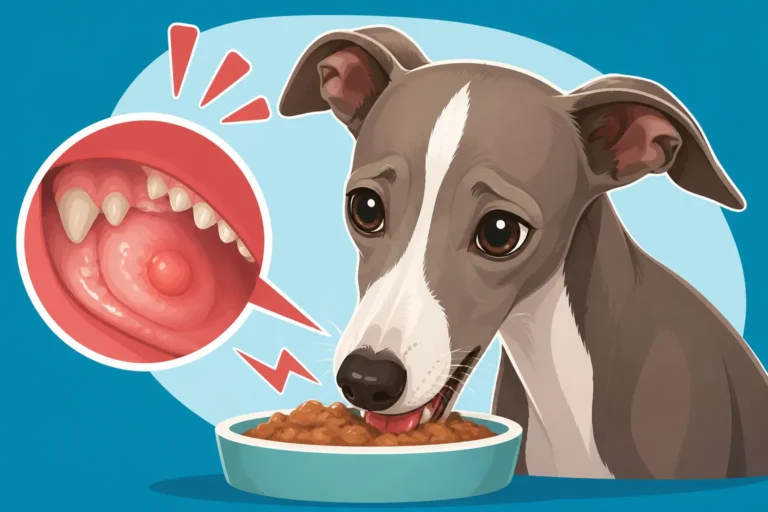
It’s easy to dismiss a bit of bad breath or some yellowish stains on the teeth as just part of having a dog, but for an Italian Greyhound, these are often red flags. Untreated dental disease, also known as periodontal disease, is far more than just a cosmetic issue. It begins with plaque, a sticky film of bacteria, food particles, and saliva. If not removed, plaque hardens into tartar (calculus), which then provides an even rougher surface for more plaque to accumulate. This buildup pushes against the gums, leading to inflammation (gingivitis), which is reversible with proper care. However, if left unchecked, it progresses to periodontitis.
Periodontitis involves the infection and inflammation spreading beneath the gum line, attacking the supporting structures of the teeth – the ligaments and bone. This leads to gum recession, loose teeth, pain, and eventually, tooth loss. Imagine living with a constant, throbbing toothache; that's often what our IGs endure silently. Beyond the mouth, the bacteria from these infections can enter the bloodstream and travel to vital organs like the heart, kidneys, and liver, causing secondary infections and long-term systemic health problems. This is why you'll often hear vets emphasize How Dental Disease Shortens an Italian Greyhound's Life. It’s a silent thief of health, steadily eroding their well-being from the inside out.
Selecting the Perfect Toothbrush for a Delicate Mouth
When it comes to brushing your Italian Greyhound's teeth, the tools you use are just as important as the technique. Because of their petite mouths and delicate nature, not just any pet toothbrush will do. You need something specifically designed to be effective yet gentle, allowing you to reach every surface without causing discomfort or injury. Think of it as needing a precision tool rather than a blunt instrument.
Traditional Pet Toothbrushes: Sizing and Bristle Softness
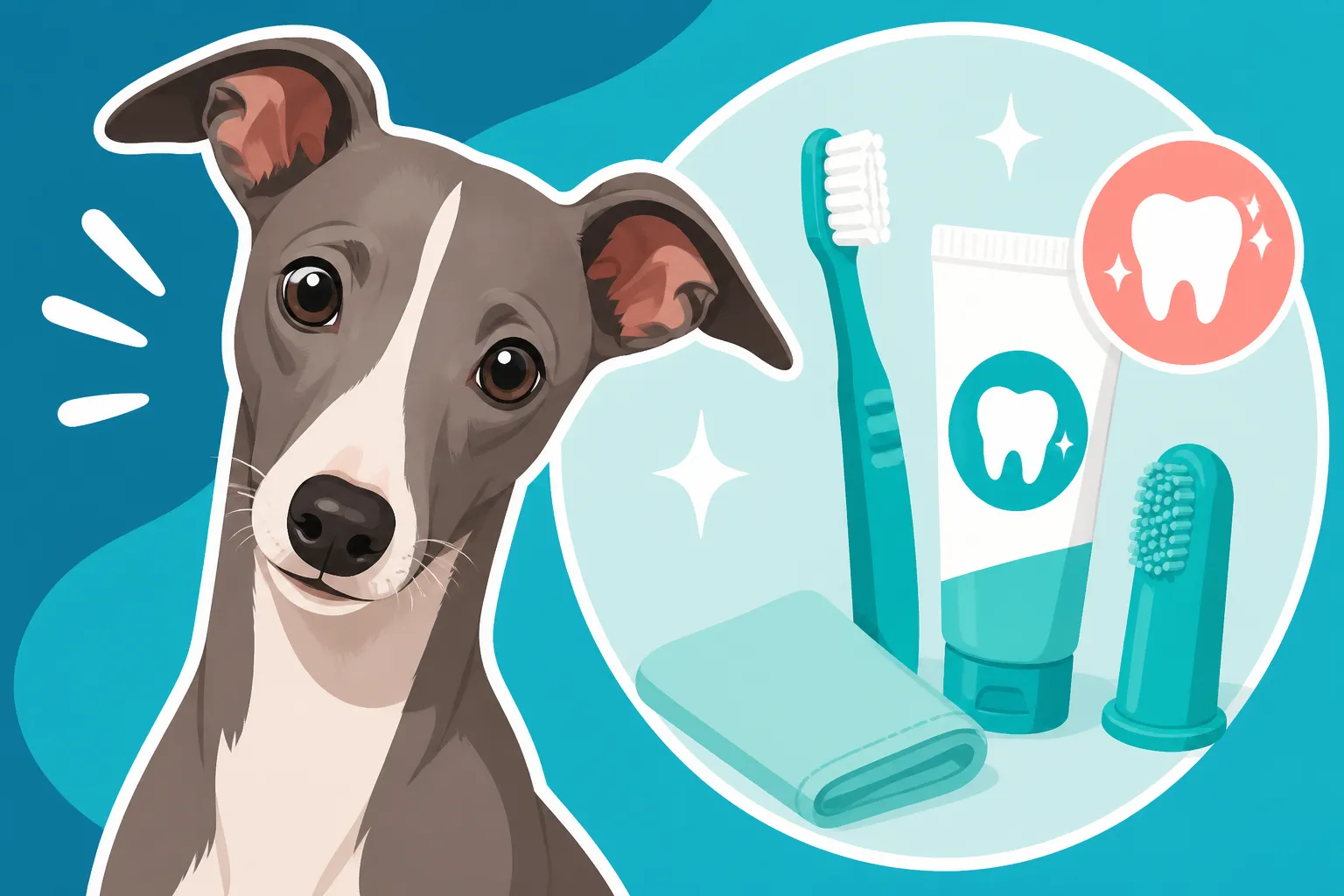
For many dog owners, a traditional pet toothbrush is the go-to. However, for an Italian Greyhound, you need to be very particular about the size and bristle softness. Most standard dog toothbrushes are simply too large for an IG's mouth, making it impossible to maneuver around their small teeth and reach the back molars effectively. Look for brushes labeled for "toy breeds" or "mini breeds," and even then, assess it carefully. The brush head should be small enough to comfortably fit into the side of their mouth without forcing their jaws open wide, which can be uncomfortable and intimidating.
The bristles are equally crucial. They must be extra soft. An Italian Greyhound's gums can be quite sensitive, and firm bristles can easily cause irritation, bleeding, and create a negative association with brushing. Soft bristles are effective at removing plaque without abrading the gum tissue or enamel. Many pet stores and online retailers like Chewy offer a range of sizes and bristle types, so don't be afraid to try a few different options to find what works best for your specific dog. Sometimes, a toothbrush designed for human infants or toddlers, with extra-soft bristles and a tiny head, can actually be a better fit than some branded "dog" brushes.
The Versatility of Finger Brushes
Finger brushes are a popular alternative, especially for Italian Greyhounds, and they have some distinct advantages. These are small, thimble-like brushes that slip over your fingertip, often made of soft silicone or rubber with small nubs or bristles. Their main benefit is the direct tactile connection you get with your dog's teeth and gums. You can feel exactly where you are brushing, which can be incredibly helpful when navigating a tiny, squirming mouth. For IGs who are particularly sensitive to a rigid toothbrush, the softer, more flexible nature of a finger brush can be less intimidating.
However, finger brushes also have limitations. While great for the front teeth and outer surfaces, they can be challenging to use effectively on the inner surfaces of the teeth and the very back molars, especially if your dog has a tight mouth or is reluctant to let you manipulate their lips. The scrubbing action isn't always as thorough as a well-designed bristled toothbrush, meaning you might need to spend more time or pair it with another tool. They are excellent for starting out, introducing the concept of brushing, or for quick daily maintenance of easily accessible teeth. Consider using them in conjunction with a small bristled brush for a complete cleaning. You can learn more about Whether a Finger Brush Works on an Italian Greyhound for a deeper dive.
Exploring Electric Toothbrushes for Tiny Teeth
Electric toothbrushes for pets are gaining popularity, and while they might seem like an overkill for a small dog, they can be remarkably effective for Italian Greyhounds if introduced properly. The key benefit of an electric toothbrush is the sheer number of brush strokes per minute, which can dislodge plaque far more efficiently than manual brushing. For IGs, look for very small, quiet models, often designed for cats or tiny dogs. The vibration can initially be startling, so a slow introduction is paramount. Start by simply letting your dog sniff and lick the toothbrush while it's off, then turn it on briefly near their mouth, rewarding calm behavior.
The small, oscillating head of a good pet electric toothbrush can reach tight spaces more easily than a larger manual brush. However, the cost is often higher, and not all dogs tolerate the vibration or sound. It takes patience and positive reinforcement to get an IG accustomed to an electric brush, but for some owners, it becomes a game-changer in maintaining oral hygiene. Always ensure the bristles are soft, and that the head size is appropriate. If you're wondering Which Toothbrush Fits an Italian Greyhound's Mouth, an electric brush might be an unexpected but powerful option, provided you can overcome the initial acclimatization period.
| Toothbrush Type | Pros | Cons | Best For |
|---|---|---|---|
| Traditional Pet Brush | Effective plaque removal, good reach with proper size, familiar feel. | Many are too large, can be intimidating, requires manual dexterity. | Daily thorough cleaning, experienced brushers, IGs comfortable with mouth handling. |
| Finger Brush | Gentle, good for introducing brushing, direct tactile feedback, less scary. | Less effective for back teeth/inner surfaces, scrubbing action may be limited. | Puppies, sensitive IGs, initial training, quick front-tooth touch-ups. |
| Electric Pet Brush | Highly efficient plaque removal, excellent for tight spaces. | Can be noisy/vibrating (startling), higher cost, requires careful introduction. | Dogs accustomed to brushing, advanced plaque control, owners seeking maximum efficiency. |
| Human Infant Brush | Very small head, extra soft bristles often suitable. | Not designed for pet toothpaste, may lack long handle for back teeth. | Smallest IGs, owners who can't find appropriate pet-specific brushes, careful selection of specific models. |
Choosing the Right Toothpaste: Taste, Enzymes, and Safety
Once you have your toothbrush, the next critical component is the toothpaste. And let me be clear: do not use human toothpaste on your Italian Greyhound. Human toothpaste contains ingredients like fluoride, xylitol, and detergents that are toxic to dogs if swallowed, and since dogs can’t rinse and spit, they will swallow it. Pet toothpaste is specifically formulated to be safe for ingestion, and often includes enzymes that actively help break down plaque.
What to Look for in a Canine Toothpaste
When selecting a toothpaste for your Italian Greyhound, the primary considerations are safety, palatability, and efficacy. First and foremost, check the label to ensure it's specifically formulated for dogs. Look for enzymatic toothpastes, as these contain enzymes (like glucose oxidase and lactoperoxidase) that convert glucose into hydrogen peroxide, which helps to kill bacteria and break down plaque and tartar even with minimal scrubbing. This enzymatic action is a powerful ally, especially in a small mouth where thorough scrubbing can be a challenge. Brands like Virbac C.E.T. or Petrodex are well-regarded for their enzymatic formulas, and you can usually find them easily on platforms like Amazon or Chewy.
Beyond enzymes, consider ingredients that promote gum health or freshen breath, provided they are natural and safe. Avoid any harsh abrasives or artificial colors. The texture should be palatable and easy to apply to the brush. A good quality canine toothpaste will work with you, not against you, in your daily efforts.
Flavors and Palatability for Fussy IGs
This is where the rubber meets the road with many Italian Greyhounds! IGs can be notoriously picky, and if the toothpaste tastes like something they actively dislike, your brushing attempts will be met with resistance, head-turning, and general disdain. Luckily, pet toothpastes come in a delightful array of dog-approved flavors. Poultry, beef, peanut butter, and even mint are common options.
You might need to experiment a bit to find your Italian Greyhound's favorite. Start with a tiny dab on your finger and let them lick it off. If they seem to enjoy it, great! If they turn their nose up, try another flavor. The goal is to make brushing a treat, not a chore. If your IG loves the taste, they'll be much more cooperative, potentially even looking forward to their brushing session. Remember, positive associations are key to long-term success, and a tasty toothpaste is a huge part of that. Knowing Which Toothpaste an Italian Greyhound Will Accept can make all the difference between a struggle and a smooth routine.
Beyond Brushing: Complementary Dental Care Methods
While daily brushing with the right tools and toothpaste is the gold standard for preventing dental disease in Italian Greyhounds, it's not always easy to achieve perfectly every single day. Life happens, and some IGs are just more resistant than others. Thankfully, there are several complementary methods that can help maintain oral hygiene between brushing sessions or act as a stop-gap on those particularly challenging days. These aren't substitutes for brushing, but they can be valuable additions to your overall dental care strategy.
Dental Wipes and Sprays: A Quick Fix?
Dental wipes are soft cloths pre-moistened with dental solutions designed to reduce plaque and freshen breath. They slip over your finger, much like a finger brush, and allow you to wipe down the accessible surfaces of your Italian Greyhound's teeth and gums. These can be fantastic for IGs who tolerate touch but are completely against a brush. They're also great for a quick clean-up after a meal or when you're traveling and can't do a full brushing session. The tactile connection can be less intimidating than a brush, and they often come with palatable flavors.
Similarly, dental sprays and gels are designed to be applied directly to the teeth and gums. Many contain enzymes or antiseptic ingredients that help inhibit bacterial growth and break down plaque. You simply lift your IG's lip and spray or apply the gel. While they don't offer the mechanical scrubbing action of a toothbrush, they can be effective in reducing bacterial load and improving breath. These products are particularly useful for areas that are hard to reach with a brush, or for very sensitive dogs. Just remember, these are generally aids to brushing, not a replacement. Think of them as supplementing your main efforts.
The Role of Dental Chews and Water Additives
Dental chews are a highly popular option, and for good reason: dogs love to chew! Specific dental chews are formulated with ingredients and textures designed to physically scrape plaque off the teeth as your Italian Greyhound chews. Many also contain active ingredients that help reduce tartar buildup or freshen breath. When choosing dental chews for an IG, select smaller sizes appropriate for their delicate jaws to prevent choking or accidental tooth damage. Look for chews that are Veterinary Oral Health Council (VOHC) approved, as this designation indicates they meet standards for plaque and/or tartar reduction. Always supervise your IG while they’re enjoying a chew. Chews can be a fantastic way to engage their natural instincts while supporting dental health. However, some IGs might have food sensitivities, so always check ingredients. You can find a vast selection of VOHC-approved chews on Chewy.
Water additives are another convenient, low-effort option. These are liquids you simply add to your Italian Greyhound's drinking water, and they work by releasing antiseptic or anti-plaque ingredients into their mouth with every sip. While they don't provide any mechanical cleaning, they can help reduce the bacterial population in the mouth and improve breath. This is especially helpful for IGs who are resistant to any form of direct oral manipulation. However, not all IGs will drink water with an additive, and their effectiveness can vary. Like chews, they should be considered a supplementary measure rather than a standalone solution. For many owners, it's worth trying to see Whether Water Additives Help an Italian Greyhound's Teeth in their specific situation.
Establishing a Successful Brushing Routine
Knowing what to brush with is only half the battle; the other half is actually doing it consistently and effectively. Italian Greyhounds are intelligent and sensitive, and they pick up on your moods and intentions. Approaching dental care with patience, positive reinforcement, and a clear routine will yield far better results than trying to force the issue. This isn't just about cleaning teeth; it's about building trust and making it a pleasant experience for both of you. Consistency is truly the key to long-term success.
Starting Early and Making It Positive
The absolute best time to start any grooming routine, including teeth brushing, is when your Italian Greyhound is a puppy. Their minds are sponges at this age, and they are generally more accepting of new experiences. Even before their adult teeth come in, get them used to having their mouth handled. Gently lift their lips, touch their gums, and introduce them to the smell and taste of dog toothpaste. Make every interaction positive, using treats, praise, and a calm, reassuring voice. Short, frequent sessions are far more effective than long, stressful ones. The goal is to create a positive association, so they view it as a normal, even enjoyable, part of their day. You can find detailed guidance on Teaching an Italian Greyhound Puppy to Have Its Teeth Brushed.
If you have an older Italian Greyhound who hasn't been brushed regularly, don't despair! It's never too late to start, though it might take more patience. Begin by just letting them lick toothpaste off your finger. Once they're comfortable with that, gently rub your finger along their gums. Slowly introduce the finger brush, then the pet toothbrush. Always keep sessions brief, end on a positive note, and offer a high-value reward afterward. Consistency will gradually build acceptance.
Step-by-Step Brushing Technique
Once you have your chosen toothbrush and toothpaste, and your Italian Greyhound is relatively comfortable with mouth handling, you can begin the actual brushing process. Here's a basic technique:
- Gather Supplies: Have your toothbrush, pet toothpaste, and a small, high-value treat ready.
- Choose a Calm Time and Place: Pick a quiet moment when your IG is relaxed. Sit on the floor, or have them on your lap if that's comfortable for both of you.
- Apply Toothpaste: Put a pea-sized amount of pet toothpaste on the brush.
- Lift the Lip: Gently lift your Italian Greyhound’s upper lip on one side to expose the outer surfaces of their teeth and gums. You generally don't need to force their mouth open.
- Brush Gently: Using small, circular motions, brush the outer surfaces of the teeth and along the gum line. Concentrate on the teeth at the back of the mouth, as these tend to accumulate the most tartar. Aim for about 15-30 seconds per side, front and back.
- Angle the Brush: Angle the bristles at a 45-degree angle towards the gum line to effectively clean under the gum where plaque collects.
- Repeat on Other Side: Switch to the other side of their mouth and repeat the process.
- Inner Surfaces (Optional but Recommended): If your IG tolerates it, try to brush the inner surfaces of their teeth. This can be challenging for a small mouth, so focus on getting what you can.
- Praise and Reward: As soon as you finish, give enthusiastic praise and the special treat. This reinforces the positive association.
Remember, the frequency is key. Aim for daily brushing. If daily is impossible, try for at least three to four times a week. Even a few times a week is significantly better than never. Consistent effort maximizes how long an Italian Greyhound keeps its teeth (How Long an Italian Greyhound Keeps Its Teeth With Home Care), potentially reducing the need for extensive dental cleanings under anesthesia.
Troubleshooting Common Brushing Challenges
It’s rare for an Italian Greyhound to take to teeth brushing immediately without any hiccups. You’ll likely encounter some challenges, but with patience, many can be overcome.
- Resistance and Wiggling: If your IG resists, starts wiggling, or pulls away, stop immediately. Don't engage in a wrestling match; that will only make them fear the brush. Revert to an easier step, like just licking the toothpaste, and build back up slowly. Keep sessions very short.
- Fear of the Brush: Some IGs might be wary of the toothbrush itself. Let them sniff it, play with it (without toothpaste), and see it as a benign object. You can even dab some favorite treat on the bristles to encourage positive interaction.
- Not Liking the Toothpaste Flavor: As mentioned earlier, experiment with different flavors! What one IG adores, another might despise. There are many options available on Chewy, so don't give up after the first try.
- Difficulty Reaching Back Teeth: This is a common one for Italian Greyhounds. Try angling the small brush head differently, or using a finger brush for easier access to certain areas. A small, multi-angled brush designed for human braces or a very small electric brush might offer better maneuverability.
- Growling or Snapping: If your IG shows aggression, it's a sign of significant discomfort or fear. Do not push it. Consult with your veterinarian or a professional dog trainer experienced in positive reinforcement. There might be an underlying pain issue, or you may need guidance on desensitization. Never put yourself or your dog at risk.
Remember that while home care is vital, it doesn't entirely replace professional veterinary dental care. Even with the best home routine, some tartar buildup will likely occur, especially in those tight spaces. Your vet can advise How Often an Italian Greyhound Needs a Dental Cleaning based on their individual needs and dental health status. Regular check-ups allow them to monitor your IG's oral health and intervene before small issues become big, painful problems.
Disclaimer
This article is for general informational purposes only and does not constitute professional advice. Laws, prices and regulations vary by location and change over time. Consult a qualified professional for guidance on your specific situation.