How Easily an Italian Greyhound Sunburns
It's easy to assume that because our Italian Greyhounds love to bask in a sunbeam, they're somehow immune to the sun's harsh rays. But the truth is, their delicate, fine skin and sparse coats make them incredibly vulnerable to sunburn, often in places you might not even consider. This guide will walk you through why your IG is so susceptible, where they're most likely to get burned, how to spot it, and most importantly, how to keep your little sun-worshipper safe and comfortable all year round.
The Italian Greyhound's Delicate Skin: A Sunburn Primer
Our Iggys are truly unique, with their sleek lines and incredibly soft, almost silk-like coats. While these traits contribute to their elegance, they also come with a responsibility: protecting their skin from the elements, especially the sun. They simply aren't built like double-coated breeds, and that means their skin bears the brunt of UV exposure.
Why Their Coat Offers Little Protection
Unlike many dog breeds blessed with thick double coats or dense fur, the Italian Greyhound possesses a single, very fine layer of hair. Think of a human with very fine hair versus someone with a thick, luxuriant mane; the scalp underneath is far more exposed to sunlight. It's much the same for our Iggys. Their coat is short, thin, and lies very close to their body, offering minimal barrier against ultraviolet radiation. This means that UV rays can penetrate directly to the skin with very little interference, almost as if they were naked.
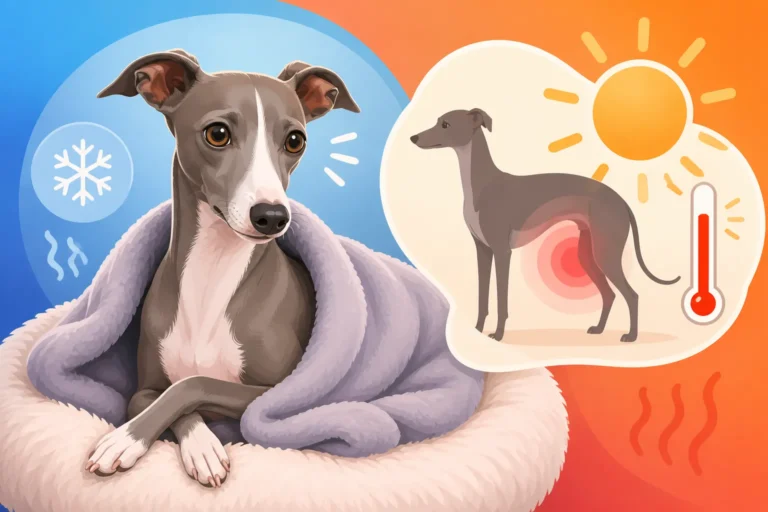
This isn't just a matter of aesthetics; it's a physiological fact that impacts their care. While a Golden Retriever or a Siberian Husky has a natural shield built into their fur, your Italian Greyhound relies almost entirely on you to provide that protection. You might notice how easily they get chilly in a draft or shiver when it's cool; this lack of insulation also extends to sun protection. Their fur simply isn't designed to block a significant amount of UV light, making outdoor play and even sunbathing indoors a potential hazard if not managed carefully.
The Biology of Their Skin: Thin and Exposed
Beyond the sparse coat, an Italian Greyhound's skin itself is remarkably thin and delicate. It's often described as "paper-thin," and anyone who's had to deal with a minor scrape or cut on an Ig knows just how true that is. This delicate dermal layer has minimal subcutaneous fat, which in other breeds might offer a slight buffer against environmental stressors, including sun. Without this extra padding, their skin is much closer to the surface, making it even more vulnerable to burns.
This inherent thinness means they absorb more UV radiation directly into their skin cells. Areas that are naturally less covered by even their fine hair, such as the belly, inner thighs, and the tips of their ears, are at an even higher risk. When your Italian Greyhound is stretched out enjoying a sunbath on the patio, or even by a window, those pale, thinly-furred areas are taking a direct hit. It's a cruel irony that these sun-loving creatures are so poorly equipped to handle the very thing they seek out. Understanding Cuts, Scrapes and an Italian Greyhound's Paper Thin Skin can really drive home how fragile their skin truly is, and sunburn is just another facet of that vulnerability.
Where Sunburn Hits Hardest on an Italian Greyhound
Knowing which parts of your Italian Greyhound are most susceptible to sunburn is half the battle in preventing it. It's not just their back, which gets direct overhead sun, but rather the often-overlooked spots that receive concentrated exposure or lack any significant hair coverage.
Vulnerable Spots: Ears, Nose, and Belly
When we think of sunburn, we often think of shoulders or faces, but for an Italian Greyhound, the picture is a bit different. Their ears, especially if they're held high or in a "rose" position, are incredibly prone to burning. The skin on the ear flaps is very thin, and the hair is sparse. I've seen many an Ig with reddish, tender ear tips after just a short time playing outside without protection. The sun hits them directly, and without much pigment or hair, they burn quickly.
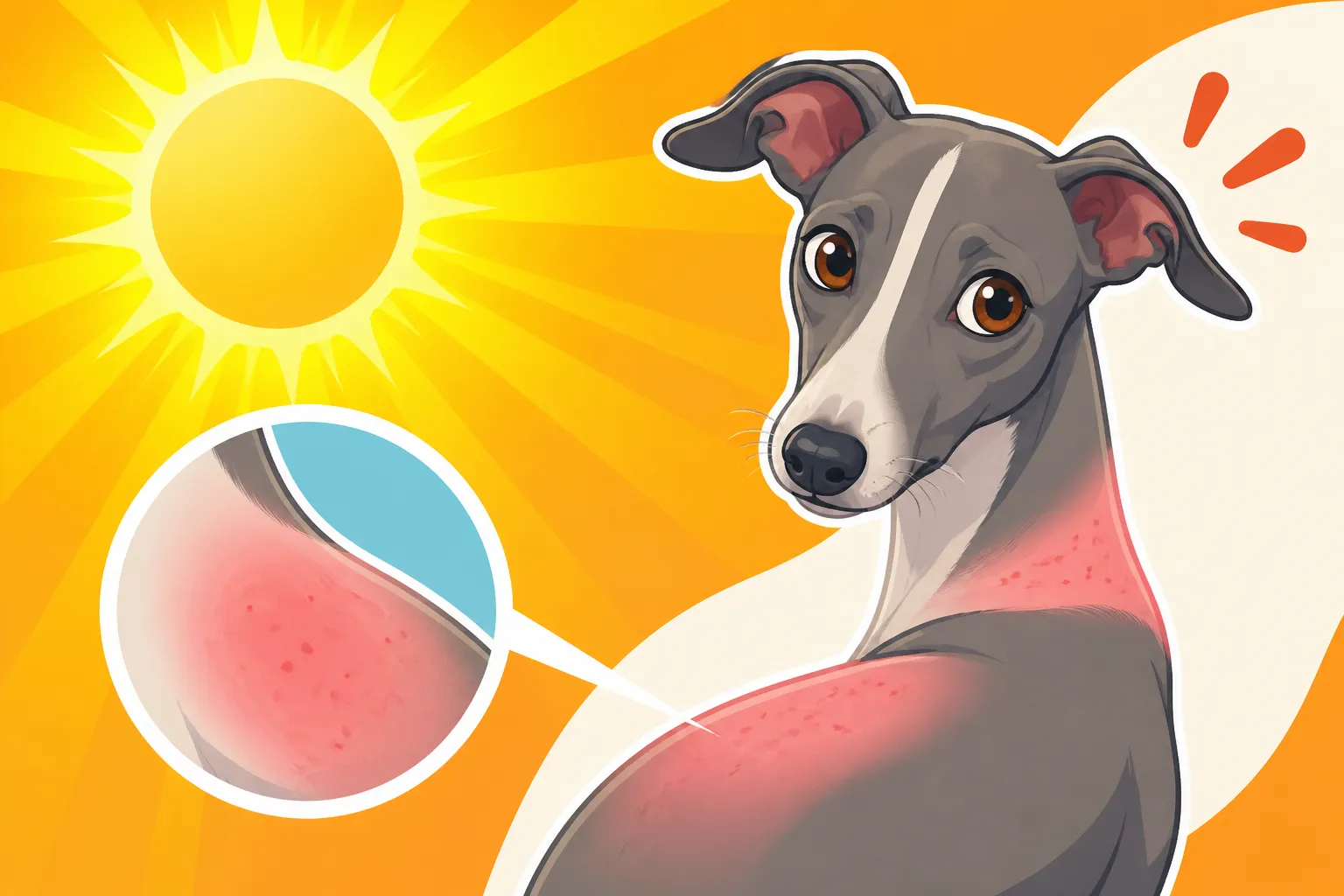
The nose and the bridge of the muzzle are also prime targets. Many Iggys have pinkish skin on their noses, or less pigment in general, which offers almost no natural sunblock. Their little muzzles stick out, getting direct sun exposure as they sniff around or gaze up at you. And let's not forget the belly and inner thighs. When your IG stretches out on their back to soak up the sun, or even just lies on their side, that soft, pale skin is completely exposed. It's often the first place to show signs of a burn because the skin is so delicate and hairless. This can be especially true if they love to lounge in a patch of sun indoors or on a warm deck.
The Danger of Hairless or Thinning Areas
Beyond the naturally vulnerable spots, certain areas can become even more susceptible due to hair loss or thinning. Conditions like Color Dilution Alopecia in a Blue Italian Greyhound can cause significant hair thinning or loss along the back, flanks, and neck, leaving large expanses of skin completely exposed. While this condition is often associated with blue or fawn Iggys, any area of persistent hair loss, regardless of the cause, will be at a much higher risk for sunburn. Imagine a human with a bald spot; they know to protect it diligently. It's the same principle for our Iggys.
Even without a diagnosed skin condition, many older Italian Greyhounds might experience natural thinning of their coat, especially along their backs, bellies, or inner legs due to age or even repeated friction from movement or bedding. These areas then become newly vulnerable to the sun. Furthermore, any pre-existing skin conditions, such as allergies that cause irritation or inflammation, can make the skin even more sensitive to UV radiation. Damaged skin barriers are less effective at protecting against environmental insults, making sunburn a more painful and potentially damaging experience. Owners must be extra vigilant with these dogs, as their vulnerability is heightened. Sunburn on a Bald Italian Greyhound really highlights the extreme risk here.
Recognizing Sunburn and Its Consequences
It’s one thing to understand the risk, but another entirely to know what to look for if your Italian Greyhound does get too much sun. Sunburn isn’t always immediately obvious, and its consequences can range from uncomfortable to serious. Early detection and prevention are key.
Signs and Symptoms of Sunburn in Iggys
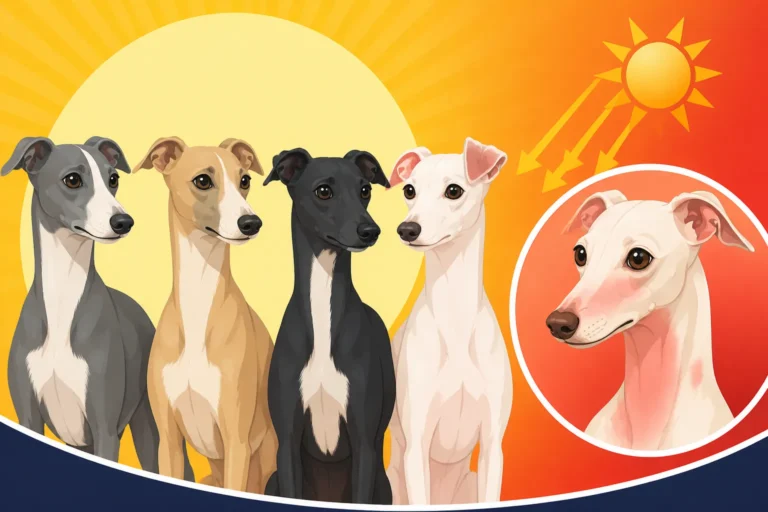
Spotting sunburn on an Italian Greyhound isn't always as simple as seeing a bright red patch, especially on dogs with darker pigment. However, common signs often mirror those in humans. Look for redness or a pinkish tint on lightly pigmented areas like the belly, inner thighs, ears, or nose. On darker-skinned Iggys, the skin might appear darker than usual, or you might notice a dull, inflamed look. Tenderness is another key indicator; your IG might flinch or pull away when you try to touch the affected area. They might also excessively lick or scratch at the burned spots, trying to alleviate the discomfort.
In more severe cases, you might notice the skin feeling warm to the touch, or even see peeling and blistering, much like a severe human sunburn. Your Italian Greyhound might be more restless, have trouble settling down, or seem generally irritable because they're in pain. Sometimes, they might even seem lethargic. It's important to remember that symptoms might not appear immediately after sun exposure; it can take several hours for the full extent of the burn to become apparent. A dog that was fine after an hour in the yard might start showing discomfort by evening. Pay close attention to subtle behavioral changes, as our stoic Iggys often try to hide their pain.
Short-Term Pain and Long-Term Risks
The immediate aftermath of a sunburn for an Italian Greyhound is, understandably, discomfort and pain. Mild sunburn can cause itching, tenderness, and irritation, making them restless. They might scratch or lick the affected area, which can lead to secondary skin infections if the skin barrier is compromised and bacteria are introduced. It’s a vicious cycle where the initial burn leads to itching, which leads to scratching, and then potential infection, requiring veterinary intervention.
However, the consequences don't stop at immediate discomfort. Repeated or severe sunburns significantly increase your Italian Greyhound's risk of developing serious long-term health issues, particularly various forms of skin cancer. Squamous cell carcinoma and hemangiosarcoma are two types of aggressive skin cancers that can be directly linked to excessive sun exposure, especially on sparsely haired, lightly pigmented areas. These cancers can be disfiguring, painful, and require extensive, costly treatment, often with a guarded prognosis. Actinic keratosis, which are pre-cancerous lesions, can also develop, signaling that the skin has sustained significant sun damage and is on a dangerous path. This is why prevention isn't just about avoiding a day of discomfort; it's about safeguarding their health and lifespan.
Practical Strategies for Sun Protection
Given how vulnerable Italian Greyhounds are to sunburn, a proactive approach to sun protection is absolutely essential. It's not about keeping them cooped up indoors, but rather about being mindful and strategic when they're exposed to the sun.
Timing Walks and Seeking Shade
One of the simplest yet most effective ways to protect your Italian Greyhound from sunburn is to adjust your routine. The sun's UV rays are strongest between 10 AM and 4 PM. If possible, schedule your walks and outdoor playtime for the early morning hours or late in the evening when the sun is lower in the sky and its intensity is significantly reduced. This not only minimizes their sun exposure but also helps prevent overheating, which Iggys can also struggle with. How an Italian Greyhound Handles Summer Heat is another vital piece of the puzzle here.
When you do have to be out during brighter times, always seek out shade. Whether it's walking on the shady side of the street, taking breaks under trees at the park, or bringing an umbrella to their favorite outdoor spot, shade provides a crucial barrier. If you have a yard, consider setting up a shaded area, perhaps with a tarp or a small doggy canopy, for them to relax under. Also, remember that hot pavement can quickly burn their delicate paw pads, so sticking to cooler, shaded surfaces is a double win for their comfort and safety. Where to Put Sunscreen on an Italian Greyhound is a good read for specific application strategies.
Protective Clothing and Gear
For those times when avoiding the sun isn't possible, or for prolonged outdoor activities, protective clothing is a game-changer for Italian Greyhounds. Just like humans wear rash guards at the beach, Iggys can benefit immensely from lightweight, UV-protective shirts or full-body suits. These garments are specifically designed to block harmful UV rays while remaining breathable to prevent overheating. Look for fabrics that boast a UPF (Ultraviolet Protection Factor) rating, similar to sunscreen, which indicates how much UV radiation it blocks.
A good quality sun shirt can cover their back, chest, and often their delicate belly, providing a physical barrier against the sun. You can find a wide range of options on sites like Chewy or Amazon, often specifically designed for athletic dogs or those with sensitive skin. When choosing clothing, ensure it fits snugly but doesn't restrict movement, and is made from a light-colored, moisture-wicking fabric. Don't forget their ears and head! Dog hats or visors, while sometimes a tough sell for our fashion-conscious Iggys, can offer critical protection for their ears and the bridge of their nose. It might take a little getting used to, but the protection they offer is invaluable.
Safe Sunscreens for Italian Greyhounds
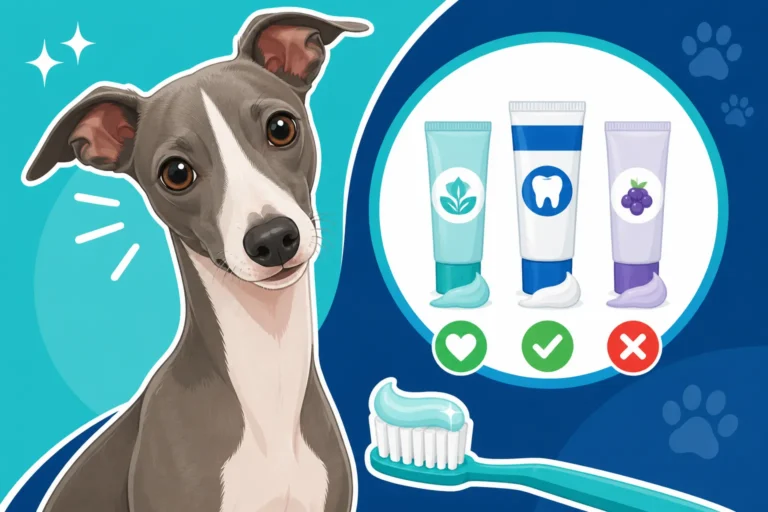
Even with careful timing and protective clothing, there will still be exposed areas on your Italian Greyhound that need protection – think ear tips, the bridge of the nose, and any naturally hairless or thinning spots. This is where dog-specific sunscreen comes in. It's absolutely crucial to use a product formulated for dogs, as many human sunscreens contain ingredients like zinc oxide or para-aminobenzoic acid (PABA) which are toxic if ingested. Since dogs tend to lick themselves, ingesting these chemicals can lead to serious health issues.
Always read ingredient labels carefully and, when in doubt, consult your veterinarian for a recommendation. Some safe options often contain titanium dioxide as a physical blocker, but even then, seek a vet's advice. Apply a thin layer to the most vulnerable spots about 15-20 minutes before sun exposure to allow it to absorb. Reapply every few hours, especially if your Ig has been swimming or is particularly active. Be mindful of their eyes and mouth during application. While Which Italian Greyhound Colors Sunburn Fastest might be a factor, all Iggys, regardless of color, need this level of protection.
Here's a quick reference for sun protection strategies:
| Vulnerable Area | Protection Strategy | Product/Action Examples |
|---|---|---|
| Ears, Nose, Muzzle | Dog-specific sunscreen, hats/visors | Non-toxic dog sunscreen (vet-approved), dog sun hat |
| Belly, Inner Thighs | Sunscreen, protective clothing, seeking shade | Lightweight UV-protective shirt/suit, always seeking shade when lying down outdoors |
| Back, Flanks | UV-protective clothing, limiting peak sun exposure | Dog sun shirt or full-body suit (e.g., from Chewy or Amazon), walking during early morning/late evening |
| General Exposure | Timing outdoor activities, seeking shade, hydration | Morning/evening walks, resting under trees or outdoor umbrellas, ensuring fresh water is always available |
| Hairless/Thinning Areas | Consistent sunscreen, protective clothing, vet check for underlying issues | Daily sunscreen application, specialized clothing coverage, discussing skin health with your vet |
Managing Accidental Sunburn and Vet Care
Despite our best efforts, accidents can happen, and your Italian Greyhound might still get a mild sunburn. Knowing how to react quickly can alleviate discomfort and prevent minor issues from escalating into more serious problems.
First Aid for Mild Sunburn
If you notice your Italian Greyhound has a mild sunburn – a little redness, perhaps some tenderness, but no blistering or severe pain – there are a few things you can do at home to help soothe their skin. First and foremost, get them out of the sun immediately. Bring them indoors to a cool, quiet spot. You can apply cool (not cold) compresses to the affected areas. A clean cloth dampened with cool water, gently pressed to their ears or belly, can provide immediate relief.
Pure, 100% aloe vera gel (ensure it's pure and doesn't contain additives like lidocaine or alcohol, which can be toxic to dogs if licked) can also be very soothing. Apply a thin layer to the affected skin, making sure your Ig doesn't immediately try to lick it off. You might need to distract them or supervise them for a few minutes until it absorbs. Avoid any human sunburn remedies like lotions with fragrances, alcohol, or pain relievers unless specifically instructed by your vet. These can be irritating or toxic. For ongoing discomfort, keeping them cool and comfortable, and closely monitoring the burn for any worsening signs, is key. Remember, How an Italian Greyhound Hides Pain means you need to be extra vigilant in observing them.
When to Call the Vet for Sunburn
While mild sunburns can often be managed at home, there are definite signs that indicate your Italian Greyhound needs professional veterinary attention. Don't hesitate to call your vet if you observe any of the following: severe redness or inflammation, blistering, oozing, or peeling skin over a large area. If your Ig seems to be in significant pain, is lethargic, has a fever, or is showing signs of widespread discomfort, a vet visit is imperative. These symptoms suggest a more severe burn that could lead to infection, dehydration, or other complications.
Your veterinarian can assess the severity of the burn, rule out secondary infections, and prescribe appropriate treatments. This might include anti-inflammatory medications to reduce pain and swelling, antibiotics if an infection is present or suspected, or topical ointments that are safe and effective for dogs. They can also offer guidance on proper wound care and long-term management to prevent future incidents and monitor for any suspicious skin changes that could indicate pre-cancerous lesions or skin cancer. Being proactive about veterinary care for any serious burn is not just about comfort; it's about protecting your Italian Greyhound's overall health and well-being.
Disclaimer
This article is for general informational purposes only and does not constitute professional advice. Laws, prices and regulations vary by location and change over time. Consult a qualified professional for guidance on your specific situation.