Cold or Nervous: Why an Italian Greyhound Shivers
It’s a sight familiar to almost every Italian Greyhound owner: that delicate little body trembling, sometimes subtly, sometimes violently. You immediately wonder, "Are they freezing cold, or are they scared about something?" This guide is here to help you decipher your Italian Greyhound's shivers, offering insights into their unique physiology and behavioral patterns so you can provide the right comfort and care.
Understanding Your Italian Greyhound's Shiver Response
Italian Greyhounds are truly unique little creatures, and understanding their physical and emotional makeup is key to interpreting their shivers. They're not like your average stocky, double-coated dog; they have specific needs that contribute to why they might tremble.
The Italian Greyhound's Unique Physiology and Cold Sensitivity
One of the most striking things about an Italian Greyhound is their sleek, almost ethereal build. They possess a very thin coat, practically no body fat, and a fine bone structure. This elegant appearance, while beautiful, is also the primary reason they struggle to regulate their body temperature, especially in cooler environments. Their lack of insulation means that heat escapes their body quickly, making them highly susceptible to cold. It’s not just a preference; it’s a physiological reality.
Think about it this way: if you, a human, stepped outside on a brisk autumn day wearing just a t-shirt, you'd quickly feel a chill. Now imagine that on a much smaller scale, with even less natural protection. That’s an Italian Greyhound in many everyday situations. Even indoors, if your house is a comfortable 70 degrees Fahrenheit for you, it might be chilly for your Italian Greyhound, especially if they are lounging on a tile floor or near a drafty window. This sensitivity means you'll frequently find yourself thinking about Keeping an Italian Greyhound Warm Is Daily Work, Not a Winter Job. Their metabolism also plays a role; while fast, it's not designed to generate and retain warmth like that of a working dog breed.
Recognizing the Signs of Being Cold vs. Being Nervous
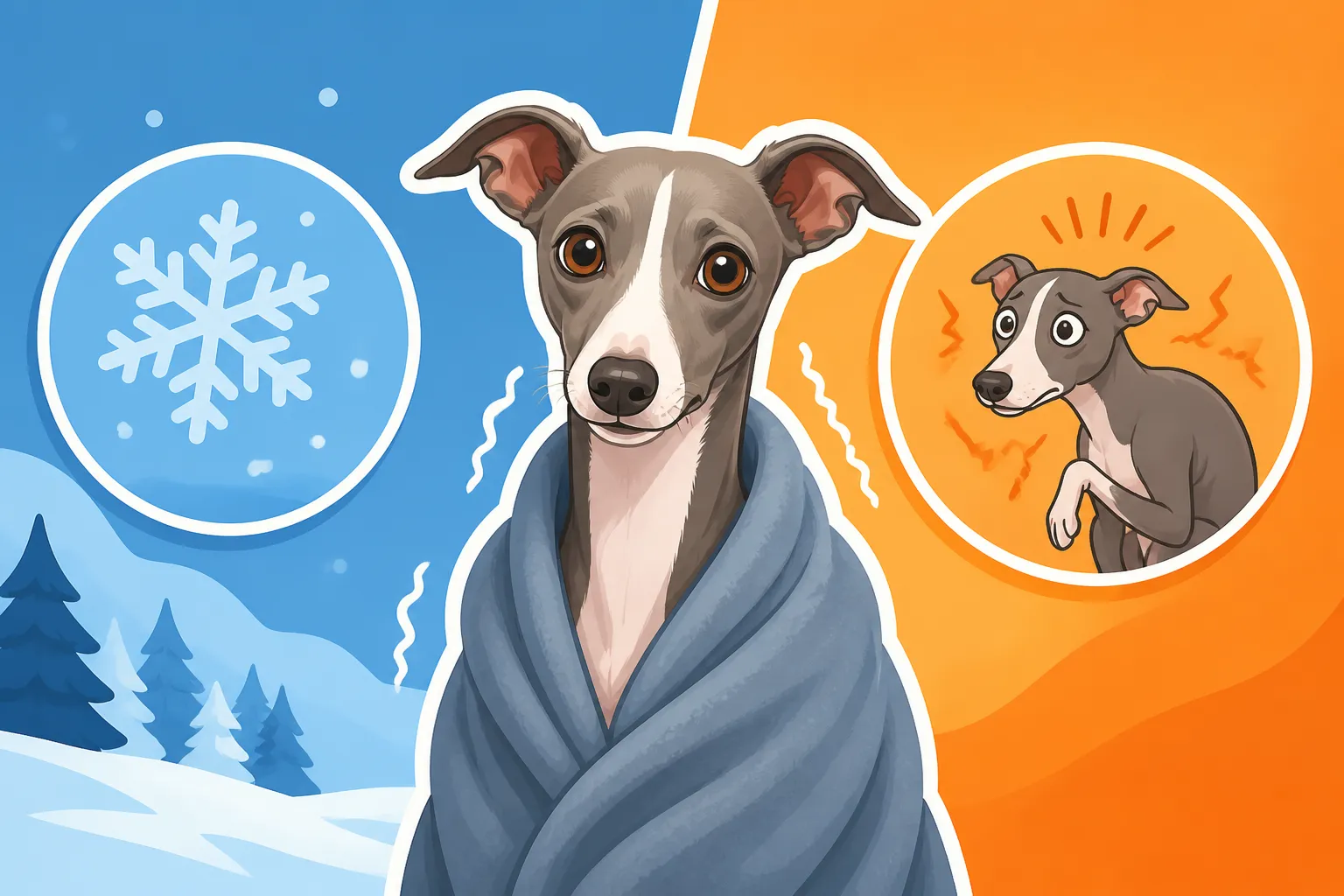
Distinguishing between shivering from cold and shivering from anxiety requires keen observation. Often, the context surrounding the shiver gives the biggest clue, but their accompanying body language is equally important. Cold shivers tend to be more generalized, a full-body tremor aimed at generating heat, whereas nervous shivers can sometimes be more localized or accompanied by other specific fear responses.
When an Italian Greyhound is cold, their shivers are usually accompanied by a huddled posture, often tucked into a tight ball, perhaps trying to burrow under a blanket or cuddle closely to you. Their ears might be cold to the touch, and they might seek out warm spots like sunbeams or heated beds. They might also appear somewhat lethargic or reluctant to move much. On the other hand, a nervous Italian Greyhound will often display a whole suite of other anxiety signals. This could include tucking their tail tightly between their legs, panting even when not hot, yawning excessively, licking their lips, trying to hide, or even exhibiting a "whale eye" where you see the whites of their eyes. They might also try to avoid eye contact or lean away from the perceived threat. Understanding The Velcro Dog: What Constant Company Means With an Italian Greyhound is helpful here, as their desire for closeness can sometimes be a plea for comfort from cold or fear.
When Shivering is About Being Cold
It's probably the most common reason for an Italian Greyhound to shiver. Their fragile build and short coat mean they lose heat incredibly quickly, making them perpetually cold in anything but the warmest climates.
Environmental Factors and How to Mitigate Them
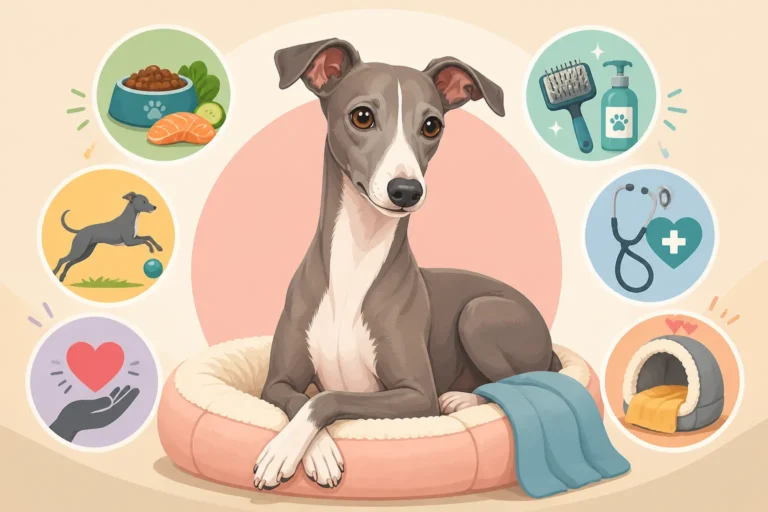
Italian Greyhounds thrive in warmth. If your home's thermostat is set below, say, 72-74 degrees Fahrenheit, your Italian Greyhound might be feeling a chill, especially if they are inactive. Drafty areas, uncovered windows, or even just hard floors can draw heat away from their tiny bodies. The solution often involves creating a microclimate of warmth for them. This means ensuring they have plenty of soft, warm bedding, like thick fleece blankets that they can burrow into. Many Italian Greyhounds adore snuggle sacks, specifically designed for breeds that like to hide and stay warm. Providing a heated bed, like those available on Chewy or Amazon, can also be a game-changer, giving them a consistent source of warmth, especially during cooler nights or if they enjoy sleeping away from you.
Outdoors, the situation becomes even more critical. Even on a seemingly mild day, a breeze can cut right through their thin coat. In colder weather, outdoor time needs to be carefully managed. Short potty breaks are fine, but prolonged exposure should be avoided. A good rule of thumb is if you feel chilly, your Italian Greyhound is likely already uncomfortably cold. Considerations for The Italian Greyhound That Refuses to Go Out in the Cold are very real; they will actively protest cold weather, sometimes refusing to do their business until they absolutely have to, or worse, having an "accident" indoors just to avoid the chill.
The Importance of Proper Layering for Cold Iggies
Just like we layer up in winter, Italian Greyhounds often need multiple layers to stay adequately warm, both indoors and out. A simple sweater for indoor wear can make a huge difference in their comfort level, preventing those baseline shivers that indicate they're always a little bit cold. For outdoor excursions, a waterproof or windproof coat over a sweater is essential. There are many fantastic options available, and looking at retailers like Chewy or searching on Amazon for "Italian Greyhound coats" will yield results specifically tailored to their unique build.
The key is finding clothing that fits properly. Due to their deep chest and slender waist, many standard dog coats just don't fit Italian Greyhounds well, leaving them exposed or restricting movement. Brands like those found on Amazon or Chewy that specialize in sighthound wear are often the best bet. In genuinely frigid temperatures, you might even consider adding boots to protect their delicate paws from ice, salt, and extreme cold, though getting them to accept boots can be a training challenge! Remember, the goal isn't just fashion; it's vital protection against hypothermia and discomfort.
When Shivering is a Sign of Nervousness or Stress
Sometimes, the shivers aren't about temperature at all. Italian Greyhounds are sensitive souls, often highly attuned to their environment and the emotions of their people. This sensitivity can manifest as anxiety-induced trembling.
Common Triggers for Anxiety in Italian Greyhounds
Italian Greyhounds can be quite prone to anxiety, and a wide array of triggers can set them off. Loud, sudden noises are a classic culprit – think thunderstorms, fireworks, or even just a dropped pan in the kitchen. Their acute hearing makes these sounds much more intense for them. New people or unfamiliar environments can also cause significant stress. An Italian Greyhound might shiver when a stranger enters the house, or during a visit to the vet, which is inherently a stressful experience for many dogs. Even separation from their beloved humans can induce anxiety; How Long an Italian Greyhound Copes Alone is often not very long at all.
Beyond these obvious triggers, subtle changes in routine, new furniture, or even an argument between family members can cause a sensitive Italian Greyhound to feel uneasy and begin to tremble. They are creatures of habit and comfort, and disruptions can unsettle them deeply. This is why a calm, consistent environment is so important for their overall well-being. Recognizing these triggers is the first step in helping your Italian Greyhound feel secure and reducing their anxiety.
Comforting a Nervous Italian Greyhound
When your Italian Greyhound is shivering from nervousness, your response is crucial. The goal is to provide reassurance and remove or minimize the stressor if possible. First, assess the situation: what is causing them to feel anxious? If it’s a loud noise, try to create a safe, quiet space for them – maybe a crate covered with a blanket in an inner room, or a spot under your desk. If it’s a new person, don't force interaction; allow your Iggy to approach on their own terms, or even retreat to a safe distance until they feel more comfortable.
Physical comfort can also be incredibly soothing. Gentle petting, soft reassuring words, and holding them close can help calm their nervous system. Some owners find that a thundershirt or calming wrap can provide a sense of security during anxious times. Additionally, engaging them with a favorite quiet chew toy or a lick mat (you can find these on Chewy or Amazon) smeared with peanut butter can distract them and release calming endorphins. Avoid punishing or scolding a nervous Italian Greyhound, as this will only amplify their fear and damage your bond. Patience, understanding, and a calm demeanor from you are their best remedies.
Other Reasons an Italian Greyhound Might Shiver
While cold and anxiety are the most frequent causes, our Italian Greyhounds are complex creatures, and sometimes shivers can signal other things entirely – both good and bad.
Excitement or Anticipation
It might sound counterintuitive, but sometimes an Italian Greyhound shivers because they are overflowing with joy or anticipation! Imagine you're about to open a treat bag, get ready for a walk, or simply wake up after a long nap and they see you. That little body might start to quiver with sheer delight and energy. This type of shiver is usually accompanied by a wagging tail, bright eyes, playful nudges, and an overall happy, bouncy demeanor. It's often a precursor to what we call "zoomies" – those bursts of intense, joyful running and play.
This is a totally normal, adorable response in many dogs, not just Italian Greyhounds. They're just so overwhelmed with positive emotions that their body can't quite contain it. There's no need for concern here, just enjoy their happiness! It's another example of how expressive these dogs can be, even without making a sound. Knowing their individual personality helps you understand if their shivers are a happy dance or a sign of distress.
Pain or Illness
While less common, it’s important to be aware that shivering can also be a symptom of pain, discomfort, or an underlying illness. If your Italian Greyhound is shivering unexpectedly, especially if it’s persistent, accompanied by other worrying symptoms, or seems unrelated to temperature or obvious stressors, it’s time to pay close attention. Signs like lethargy, loss of appetite, vomiting, diarrhea, limping (perhaps a fracture from The Jump Off the Sofa That Breaks an Italian Greyhound's Leg), tenderness when touched, or changes in behavior could all point to a health issue.
Conditions ranging from a mild upset stomach to more serious concerns like kidney issues, infection, or even certain neurological problems can cause a dog to shiver. Since Italian Greyhounds are such stoic little creatures and often hide pain, a sustained shiver can be one of the few outward indicators that something is truly amiss. If you suspect pain or illness, a prompt visit to your veterinarian is always the best course of action. Never hesitate to seek professional advice when your beloved pet's health is in question.
Hypoglycemia in Puppies
A specific concern, particularly for very young Italian Greyhound puppies, is hypoglycemia, or low blood sugar. Because of their small size, high metabolism, and sometimes inconsistent eating habits as puppies, they can be prone to this. Shivering can be one of the early signs of hypoglycemia, often accompanied by weakness, lethargy, confusion, or a wobbly gait. If left untreated, it can quickly become very serious.
If you have a young Italian Greyhound puppy and notice these symptoms, it's an emergency. Offering a small amount of honey or Karo syrup rubbed on their gums can provide a quick sugar boost while you contact your vet immediately. Prevention is key here: ensuring puppies eat frequent, small meals and are kept warm is crucial. As they grow, their risk for hypoglycemia decreases significantly, but it's a vital consideration for brand new puppy owners.
Distinguishing Between Cold and Nervous Shivers
| Feature | Shivering from Cold | Shivering from Nervousness |
|---|---|---|
| Body Language | Huddled, tucked posture, seeking warmth, curled up | Tucked tail, lowered head, panting, lip licking, yawning, hiding, "whale eye" |
| Environmental Context | Low room temperature, drafts, outdoor exposure, wetness | Loud noises, new people, unfamiliar places, vet visits, separation |
| Physical Touch | Ears, nose, paws may feel cool to the touch | Body temperature may be normal or slightly elevated due to stress |
| Associated Sounds | May whimper if very cold, but usually quiet | May whine, whimper, bark anxiously, or be completely silent if frozen in fear |
| Duration | Stops when warmed up (e.g., blanket, sweater) | Continues until stressor is removed or dog is comforted, may last longer |
| Desire for Contact | Seeks out human warmth, wants to cuddle close | May seek comfort, but also might try to hide or avoid interaction |
| General Demeanor | Quiet, subdued, may seem apathetic | Restless, fidgety, or frozen and unresponsive |
Conclusion
Understanding why your Italian Greyhound shivers is all about knowing your individual dog, observing their body language, and considering the circumstances. Most of the time, it's a simple fix: they're just cold, and a cozy blanket or a stylish sweater (perhaps one you picked up from Ollie, if you're looking for premium options, or a functional one from Chewy) will do the trick. Other times, it's a plea for comfort during a moment of anxiety, and your calm presence is the best medicine. And, on rare occasions, it can be a subtle whisper of a health concern that warrants a vet visit. By being attentive and responsive, you can ensure your delicate little Italian Greyhound feels safe, warm, and loved, no matter what their shivers are trying to tell you.
Disclaimer
This article is for general informational purposes only and does not constitute professional advice. Laws, prices and regulations vary by location and change over time. Consult a qualified professional for guidance on your specific situation.