How Long an Italian Greyhound Lasts Outdoors at Twenty Degrees
It’s a common worry among Italian Greyhound owners when winter truly bites: just how long can your precious, thinly-skinned companion genuinely last outside when the temperature plunges? You look at their delicate frame, their fine coat, and your heart sinks at the thought of them shivering. This guide will walk you through exactly why Iggys are so susceptible to cold, how long they can realistically manage in twenty-degree Fahrenheit weather, and how you can best prepare them for those unavoidable outdoor moments.
Why Twenty Degrees Feels Like Arctic to an Italian Greyhound
Let's be honest, for many other dog breeds, twenty degrees Fahrenheit might just mean a slightly brisk walk. But for an Italian Greyhound, it's a whole different ballgame. Their physiology isn't built for extreme cold, and understanding why is the first step in keeping them safe and comfortable.
The Bare Bones of Their Build
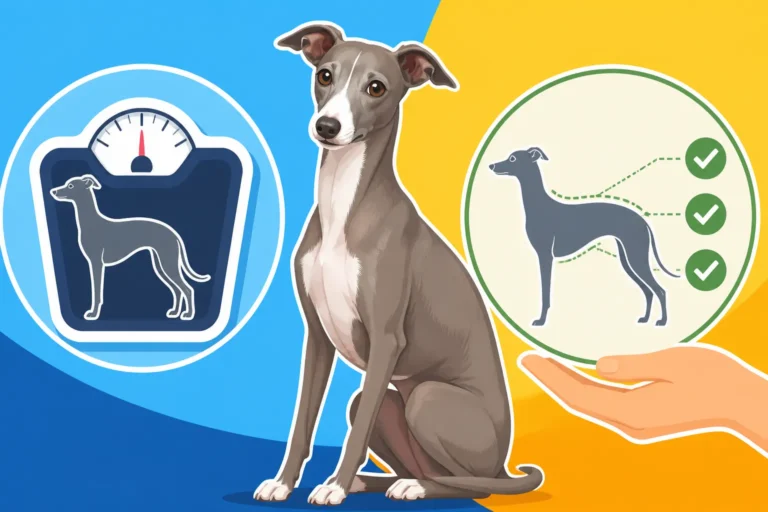
Italian Greyhounds are sighthounds, bred for speed and agility, not for lounging in a snowdrift. Their bodies are incredibly lean, streamlined, and carry very little in the way of natural padding or fat. If you've ever felt the prominent ridge of your Iggy's spine or seen their ribs, you know exactly what I'm talking about. This minimal body fat means there's almost no insulation layer between their vital organs and the biting cold. They simply don't have the internal reserves to generate and maintain warmth the way a Golden Retriever or a Siberian Husky does. It’s like us trying to brave a blizzard in a t-shirt – we just don’t have the protective layers.
Without that insulating layer, their body has to work incredibly hard to stay warm, burning through energy much faster. This isn't just uncomfortable; it's physically taxing and can lead to rapid heat loss. Owners often comment on how their Iggys are always seeking out sunbeams or burrowing under blankets, even indoors, and this is exactly why. Their bodies are constantly trying to conserve and create warmth.
The Lack of Natural Insulation
Beyond the lack of body fat, an Italian Greyhound's coat offers almost no protection. They have a single, very fine coat that lies flat against their skin. There's no dense undercoat, no long, shaggy hair to trap warm air close to their body. It's truly like wearing a silk slip in a snowstorm. This thin coat, combined with their extremely thin skin, means that cold air penetrates almost instantly.
Think about how quickly you feel a chill when a gust of wind hits your bare arm. That’s what your Italian Greyhound experiences over their entire body. This isn't a design flaw; it's simply a characteristic of a breed that evolved in warmer climates and was selectively bred for companionship, often as a "bed warmer" in drafty castles, rather than for outdoor endurance. Their smooth coat is lovely to touch, but it’s a liability when temperatures drop. This unique characteristic is also why Why an Italian Greyhound Cannot Hold Its Own Heat is such a critical aspect of their care.
Wind Chill and Dampness: The Hidden Enemies
Twenty degrees Fahrenheit on a calm, dry day is already dangerous for an Italian Greyhound, but add in a bit of wind or dampness, and you've got a recipe for trouble in mere minutes. Wind chill drastically lowers the "felt" temperature, stripping away any precious warmth your Iggy might be trying to hold onto. A slight breeze can make 20°F feel like 0°F (-18°C) or even colder to their exposed skin.
Similarly, dampness, whether from a surprise sprinkle, melting snow, or even just high humidity, conducts heat away from the body far more efficiently than dry air. A wet coat, no matter how fine, loses any minimal insulating properties it might have had, and your Iggy's skin becomes even more vulnerable. This means that a quick dash out after a light snowfall, even if you think it's "just snow," can be far more chilling than you anticipate. Always consider the real feel, not just the number on the thermometer, when assessing outdoor conditions for your Italian Greyhound.
So, How Long Can They Really Stay Out?
This is the burning question, and honestly, there's no single, universally safe answer that applies to every Italian Greyhound, every time. It depends on their individual health, age, how well they're clothed, and the exact conditions (wind, dampness). However, we can establish some very clear guidelines to keep your companion safe.
The Quick Potty Break Guideline
For most healthy, adult Italian Greyhounds, a quick potty break at 20°F (with appropriate cold-weather clothing) should be limited to about 2 to 5 minutes at most. This isn't a leisurely stroll; it's a brisk "get down to business" kind of outing.
During these brief excursions, you need to be actively monitoring your dog. Are they doing their business right away, or are they hunching, shivering uncontrollably, or lifting their paws off the ground? If they are reluctant to move, or show any signs of acute discomfort, it’s time to pick them up and head straight back inside. It’s much better to err on the side of caution and cut the outing short than to push them. Even five minutes can be too long if the wind is howling or if your Iggy isn't adequately dressed. Always remember that for an Italian Greyhound, every second counts when the temperature is this low.
Short Walks and Supervised Play
Can your Italian Greyhound enjoy a short walk or supervised play outside at 20°F? The answer is generally no, not in the way other breeds might. A proper "walk" usually implies more than 5 minutes, and that's simply too long for an Italian Greyhound in this kind of extreme cold, even with layers of clothing.
If you absolutely must extend their time outside for a specific reason (perhaps a quick, urgent errand where they must accompany you), it should be no more than 10 minutes, and only if they are wearing multiple layers of high-quality, insulated clothing and booties. Even then, this should be an exception, not a routine. Active play, where they are running around, might feel like it's keeping them warmer, but their bodies are still losing heat at an alarming rate through their extremities and thin skin. The risk of hypothermia or frostbite (especially on ears and paw pads) significantly increases with any time beyond those brief potty breaks. For the vast majority of activities, if it's 20°F, you should plan for indoor enrichment instead.
The Absolute No-Go Zone
There are certain scenarios where outdoor exposure at 20°F is an absolute no-go for an Italian Greyhound, regardless of clothing:
- Elderly or very young Iggys: Senior Italian Greyhounds or very young puppies have compromised thermoregulation. Their ability to cope with cold is even weaker. The Age an Italian Greyhound Is Considered Senior means that their tolerance for cold significantly diminishes, and an outing that might be brief but tolerable for a healthy adult could be dangerous for them.
- Sick or convalescing dogs: If your Iggy is recovering from an illness, has a weakened immune system, or is underweight, their ability to stay warm is severely hampered.
- Leaving them unattended: Even for a minute, leaving an Italian Greyhound alone in 20°F temperatures is a serious risk. They can't tell you they're too cold, and once symptoms of hypothermia set in, they can rapidly worsen.
- Without proper gear: Sending your Iggy out without a well-fitting, insulated coat and booties in 20°F is simply irresponsible and dangerous. It's like sending a child out in a t-shirt.
For anything beyond a very quick, essential potty break, 20°F should be considered a "stay inside" temperature for an Italian Greyhound.
Arming Your Iggy for the Cold: Essential Gear and Preparation
Since staying indoors entirely isn't always an option, especially for potty breaks, preparation is key. You need to equip your Italian Greyhound properly to minimize their exposure and maximize their warmth.
Mastering the Art of Layering
Just like humans bundle up in winter, Italian Greyhounds benefit immensely from layering. Their deep chests and tucked waists mean that many standard dog coats don't fit them properly, leaving vital areas exposed.
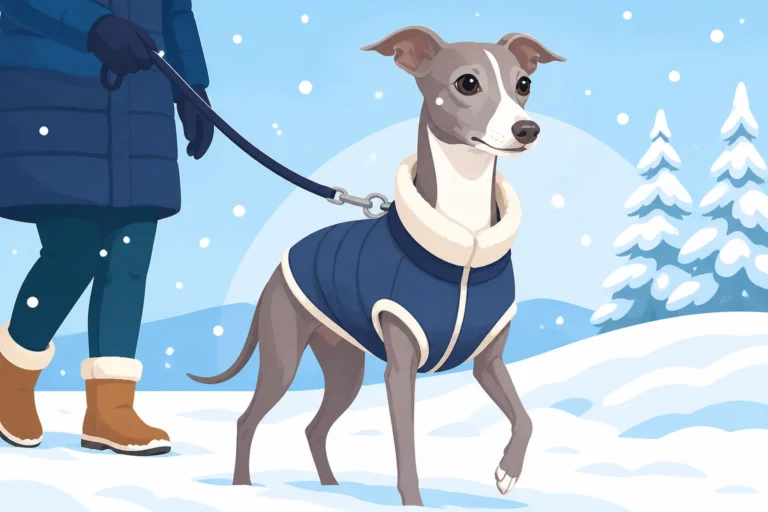
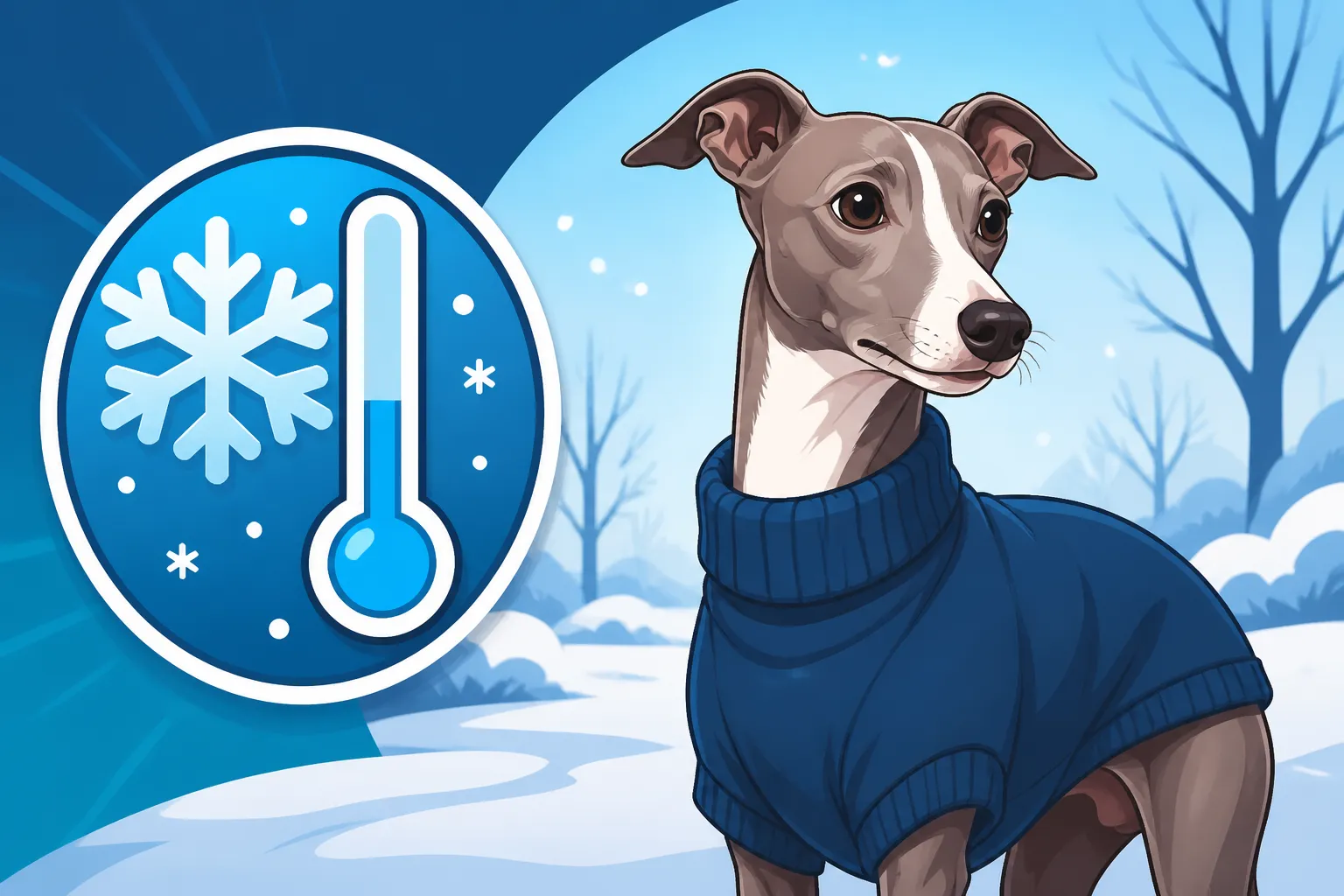
Start with a soft, warm sweater made from fleece or wool that covers their neck, chest, and ideally, their belly. Brands like Gold Paw Series or even some custom Etsy shops specialize in sighthound wear that truly fits. Over this, add a waterproof and windproof coat. Look for coats with good coverage, extending over their rump and perhaps even with an integrated snood for neck and ear protection. You might find a great selection of these on sites like Chewy or Amazon, but always double-check the sizing charts for the unique Italian Greyhound build. A coat that gapes at the chest or leaves their underside exposed isn't doing its job. For truly frigid days, some owners even use a thin thermal onesie under a sweater and coat, creating multiple air-trapping layers. This kind of thoughtful layering is crucial, as How Many Layers an Italian Greyhound Needs Below Freezing becomes evident when the mercury drops.
Protecting Those Delicate Paws
Your Italian Greyhound's paw pads are surprisingly vulnerable to cold, ice, and chemical irritants like road salt. They can quickly develop frostbite or suffer painful cracks and chemical burns. This is where booties become indispensable.
Finding booties that actually stay on an Italian Greyhound's slender, hare-like feet can be a challenge, but it's worth the effort. Look for options with adjustable straps or a design that extends higher up the leg. Practice wearing them indoors first so your Iggy gets used to the sensation; some dogs do a funny "bootie dance" initially! Paw balms can offer a thin layer of protection, but they are absolutely no substitute for proper booties in 20°F weather. The chemicals used to melt ice on sidewalks and roads are not only irritating but can also be toxic if ingested when your dog licks their paws. Investing in a good pair of all-weather booties from a reputable pet supply store or online retailer like Amazon is a non-negotiable step for winter safety. It’s important to realize that Whether Salted Sidewalks Hurt an Italian Greyhound's Feet is a very real concern.
Post-Outdoor Warm-Up Routine
Even with the best gear, your Italian Greyhound will still feel the chill after being outside at 20°F. Their post-outing routine is just as important as their pre-outing preparation.
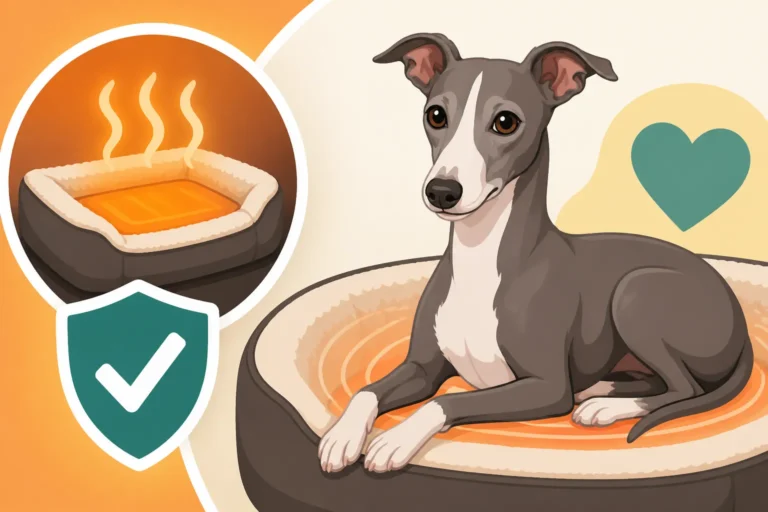
As soon as you come back inside, remove their wet or cold outer layers. Gently towel dry their paws, legs, and any exposed areas, checking for ice balls between their pads or any redness. Provide them with a warm, cozy spot to curl up. A soft blanket, a snuggle sack, or a heated bed can help them quickly regain their core temperature. Resist the urge to give them a very hot bath immediately, as this can be a shock to their system; gradual warming is better. Just ensure they are dry and have access to their favorite warm sleeping spot. Monitoring their return to normal warmth is an important part of ensuring their well-being.
Beyond the Thermometer: Reading Your Italian Greyhound's Signals
Numbers on a thermometer only tell part of the story. Your Italian Greyhound communicates their discomfort through their body language, and it's vital to learn to recognize these subtle cues. They can't verbally tell you they're freezing, so you need to be their advocate.
Recognizing the Warning Signs
Even if you think your Iggy is dressed appropriately for a 20°F outing, you need to watch them like a hawk. Here are some key warning signs that your Italian Greyhound is getting too cold:
- Excessive Shivering: While some shivering can be normal for an Iggy when first exposed to cold, persistent or violent shivering is a clear sign they are hypothermic.
- Hunching or Cowering: They might pull their legs up, hunch their back, and try to make themselves smaller to conserve heat.
- Lifting Paws: Repeatedly lifting one or more paws off the ground indicates their feet are uncomfortably cold or painful.
- Reluctance to Move or Slowing Down: They might drag their feet, refuse to walk, or seem unusually sluggish.
- Whining or Vocalizing: Some Iggys will whine or make little grumbling noises when they are genuinely uncomfortable.
- Anxiety or Panicked Look: A stressed facial expression or frantic attempts to get back to the door.
- Blue or Pale Gums/Tongue: This is a severe sign of hypothermia and requires immediate veterinary attention.
Never ignore these signals. Your Italian Greyhound relies on you to interpret their needs, especially when the conditions are dangerous. Understanding Cold or Nervous: Why an Italian Greyhound Shivers can help you differentiate between mild chill and genuine distress.
When to Cut the Outing Short
The moment you observe any of the above warning signs, the outing is over. Don't wait for them to "finish up" or "just a few more minutes." Scoop them up, if possible, and head directly back inside. Their health and safety are paramount.
It's better to have multiple very short trips outside in very cold weather than one longer one that pushes their limits. If your Italian Greyhound is consistently showing signs of discomfort even on brief excursions, it's a clear signal that indoor potty solutions or alternative arrangements (like a covered, sheltered outdoor space) need to be considered. No amount of training or coaxing will override their physiological need for warmth.
Indoor Fun When It's Too Frigid
When the outdoor thermometer hovers around 20°F, it's time to get creative with indoor activities. Your Italian Greyhound still needs mental and physical stimulation, and a lack of exercise can lead to destructive behaviors or pent-up energy.
Engage them with puzzle toys that dispense treats, play hide-and-seek with their favorite toys, or teach them new tricks. Indoor fetch, where you gently toss a soft toy across a room, can burn off some energy without risk. Many Iggys also love a good game of "find it" where you hide treats around the house. Short bursts of "zoomies" are also common in Iggys, and a safe, carpeted area can allow them to expend some energy. Even a gentle massage or some focused cuddle time under a warm blanket can be stimulating and comforting. Remember, Exercising an Italian Greyhound Indoors in Winter is not only possible but often necessary for their well-being during the coldest months.
To give you a clearer picture, here's a general guideline for Italian Greyhounds in cold weather:
| Temperature Range | Recommended Outdoor Time (With Proper Clothing) | Essential Gear | Key Considerations |
|---|---|---|---|
| Above 45°F (7°C) | 15-30+ minutes (regular walks) | Light sweater or coat for longer outings or sensitive Iggys | Generally comfortable, monitor for shivering in damp or windy conditions. |
| 30-45°F (-1 to 7°C) | 10-15 minutes (brisk walks) | Insulated sweater & windproof/waterproof coat | Start watching for shivering. Consider booties if ground is wet/icy. |
| 20-30°F (-6 to -1°C) | 5-10 minutes (quick potty breaks only) | Layered sweaters, insulated coat, booties, snood/ear protection | Strictly limit time. Monitor constantly for signs of cold stress. |
| Below 20°F (-6°C) | 2-5 minutes (critical potty breaks only) | Multiple layers (thermal, sweater, insulated coat), heavy-duty booties, snood | High risk. Avoid completely if possible. Consider indoor potty solutions. |
| Below 0°F (-18°C) | AVOID OUTDOORS COMPLETELY | None, keep indoors | Extremely dangerous. Frostbite and hypothermia can occur in minutes. |
When the mercury plunges to 20°F, it's a stark reminder that our elegant Italian Greyhounds are delicate creatures of comfort, not hardy outdoor adventurers. Their lean physique, minimal body fat, and fine, single coat mean they simply aren't equipped to handle such low temperatures for extended periods. Prioritizing their warmth with careful layering, protective booties, and a keen eye for their signals isn't being overprotective; it's being a responsible Italian Greyhound owner. On those truly frigid days, remember that a warm hug and an engaging indoor game are always the best choice.
Disclaimer
This article is for general informational purposes only and does not constitute professional advice. Laws, prices and regulations vary by location and change over time. Consult a qualified professional for guidance on your specific situation.