When the Italian Greyhound Reached Britain
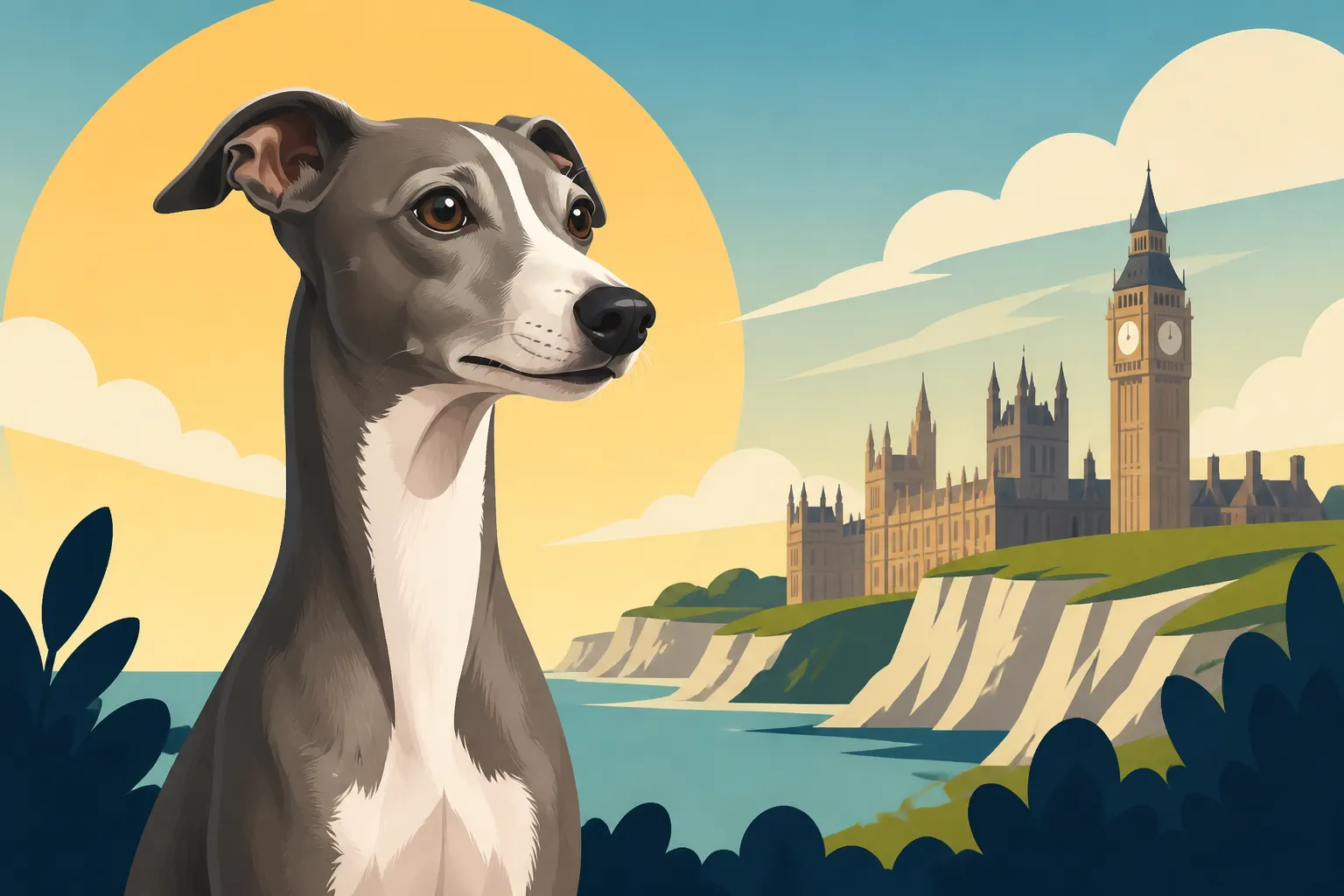
It’s a natural curiosity for any Italian Greyhound owner or enthusiast: where did our beloved, delicate sighthounds come from, and how did they make their way into our lives? While their origins are rooted deeply in antiquity, their journey to specific nations, like Britain, tells a fascinating story of royal whim, changing fashions, and dedicated preservation. Many assume these elegant creatures have always been a staple in European aristocratic homes, but their path to becoming established in Britain involved specific moments and key figures. This guide will take you through the historical journey of the Italian Greyhound, tracing its steps from the sun-drenched Mediterranean to the often-misty shores of Great Britain.
The Italian Greyhound's Early European Journey
Before the Italian Greyhound ever set paw on British soil, it had already carved out a significant niche across continental Europe, particularly in its namesake country, Italy. These dogs weren't just pets; they were living accessories, symbols of status, and cherished companions, evolving over centuries to become the refined breed we recognize today. Understanding their establishment in Europe first helps us appreciate the magnitude of their eventual voyage across the channel.
Origins on the Continent
The story of the Italian Greyhound begins not just in Italy, but potentially even further back, with archaeological evidence suggesting similar small sighthounds existed in ancient Egypt and Greece. However, it was in ancient Rome, and later during the Italian Renaissance, that the breed truly began to take its distinct form and gain widespread recognition. These little dogs were highly valued for their elegance and their gentle, affectionate nature, making them perfect companions for noblewomen and royalty. They were designed for leisure, not for hunting, distinguishing them from their larger sighthound cousins. Their delicate build and graceful movements were seen as an extension of their owners' own sophisticated taste. You can learn more about their ancient history in Where the Italian Greyhound Comes From and How Old the Italian Greyhound Breed Is.
During the Renaissance, in particular, the breed flourished. Artists like Giotto and Carpaccio frequently depicted Italian Greyhounds in their works, cementing their place in the cultural fabric of the time. These paintings not only showcased the dogs' beauty but also illustrated their role within wealthy households. They were often shown nestled on laps, accompanying their owners, or simply posing with an air of dignified calm. This artistic representation helped to solidify their image as a breed associated with refinement and luxury, making them highly desirable across the aristocracy.
Popularity with European Nobility
The Italian Greyhound’s appeal quickly spread beyond Italy’s borders. As European monarchies intermarried and diplomatic ties strengthened, these charming little dogs became fashionable gifts and highly sought-after companions among the continent’s elite. From France to Germany and beyond, royal courts began to house their own Iggies, appreciating their quiet demeanor and manageable size, which made them ideal for palace life. Their presence in these powerful circles only enhanced their mystique and desirability.
One of the most notable examples of their popularity among royalty was with Frederick the Great of Prussia, who was known to be utterly devoted to his Italian Greyhounds. His affection for them was so profound that he famously wished to be buried among them. Such stories illustrate the deep bond these dogs formed with their owners, transcending mere pet ownership to become cherished members of the family, even if that family happened to be royalty. This widespread aristocratic endorsement meant that the breed became synonymous with high society throughout Europe, paving the way for their eventual arrival in Britain.
Early Records of the Italian Greyhound in Britain
While the Italian Greyhound was making waves across continental Europe, its journey to Britain was a more gradual affair, punctuated by specific royal connections and shifting cultural preferences. It wasn't a sudden invasion, but rather a slow, elegant sashay into British aristocratic homes, often accompanying new queens or princesses.
Pre-Elizabethan Hints
Documenting the precise arrival of any breed centuries ago can be tricky, as records were often informal or lost to time. For the Italian Greyhound, early mentions in Britain are somewhat scarce and often speculative. There are hints, mostly through artistic representations or vague descriptions of "small sighthounds," that dogs resembling Italian Greyhounds might have existed in Britain even before the Elizabethan era. However, it's challenging to confirm if these were truly what we'd recognize as Iggies or simply other small, slender dogs.
The trade routes and aristocratic exchanges of the medieval period meant that various breeds could have made their way to Britain, but without specific breed names or detailed descriptions, it's hard to definitively pinpoint their presence. What is clear, however, is that a distinct breed known specifically as the "Italian Greyhound" likely solidified its presence during later, more well-documented periods of royal influence. The breed had to travel quite a distance and be established as a specific type before it could be consistently recognized across national borders.
Elizabethan Era and Beyond
The solid documentation of Italian Greyhounds in Britain largely begins around the 16th century, specifically during the Elizabethan era. Queen Elizabeth I herself was known to have a preference for small dogs, and while her most famous companion was often cited as a small spaniel, it's plausible that elegant Italian Greyhounds found their way into her court as gifts or through her various noble connections. These dogs, having gained such favor in Italy and other European courts, would have been highly desirable as symbols of sophistication.
It was during the reign of the Stuarts, however, that the Italian Greyhound's presence in Britain became more pronounced. James I and his wife, Anne of Denmark, were notable patrons of the breed. Anne of Denmark, especially, brought with her a taste for continental luxuries, including fine art, fashion, and, of course, these exquisite little dogs. Their presence in the royal household would have set a trend, inspiring other nobles to acquire their own, further establishing the breed's footing on British soil. The trend was less about utility and more about companionship and aesthetic appeal, perfectly suiting the breed's gentle nature.
Royal Patronage and Fashion in Britain
The fortunes of the Italian Greyhound in Britain, much like in continental Europe, were inextricably linked to the affections of royalty. A royal endorsement wasn't just a casual nod; it was a powerful statement that could elevate a breed from obscurity to immense popularity, influencing fashion and breeding practices across the nation.
The Stuarts and Their Small Companions
The Stuart dynasty played a crucial role in cementing the Italian Greyhound's position in British high society. As mentioned, Anne of Denmark, consort to James I, was a known admirer of the breed. Her arrival in England brought a wave of continental influences, and her small, elegant sighthounds were a natural part of this cultural exchange. Imagine these dainty dogs gracing the grand halls of palaces, their delicate forms a stark contrast to the often rugged British countryside. They were seen not just as pets, but as living works of art, reflecting the refined tastes of their owners.
Following Anne, other Stuart monarchs and their families also embraced the Italian Greyhound. This sustained royal patronage throughout the 17th and 18th centuries ensured the breed's continued presence and popularity among the aristocracy. Nobles would often emulate royal tastes, and owning an Italian Greyhound became a quiet indicator of status and connection to courtly life. These early adoptions helped to solidify a breeding base in Britain, moving the breed beyond mere imports to having established lines within the country. Which Royals Kept Italian Greyhounds delves deeper into these historical connections.
Queen Victoria's Enduring Love
Perhaps no monarch had a greater impact on the Italian Greyhound in Britain than Queen Victoria. Her reign, spanning much of the 19th century, was a golden age for dog breeds, with an explosion of interest in pedigree animals and the establishment of formal dog shows. Queen Victoria was famously devoted to her numerous pets, and Italian Greyhounds held a special place in her heart. She was known to keep many Iggies, fostering a genuine affection for the breed that transcended mere fashion.
Her profound love for them wasn't just personal; it became a public endorsement that propelled the breed into unprecedented popularity. Suddenly, everyone wanted an Italian Greyhound. This demand, however, came with its own set of challenges, as breeders began to prioritize extreme miniaturization, sometimes at the expense of the breed's health and soundness. You can read more about her influence in How Many Italian Greyhounds Queen Victoria Kept and How Victoria Made the Italian Greyhound Fashionable. Despite the later issues, Victoria's passion undeniably solidified the Italian Greyhound's place as a cherished and recognizable breed in Britain, ensuring its survival and visibility for generations to come.
The Breed's Challenges and Resurgence in Britain
Even with royal backing, the journey of the Italian Greyhound in Britain was not without its trials. Periods of immense popularity often led to trends that, while initially boosting numbers, could also put the breed at risk. Like many breeds, the Italian Greyhound faced challenges that pushed it to the brink, requiring dedicated efforts to bring it back.
Victorian Breeding Practices
The Victorian era, despite Queen Victoria's immense affection for Italian Greyhounds, presented a significant challenge for the breed. The desire for increasingly smaller and more delicate dogs led to breeding practices that sometimes prioritized extreme miniaturization over robust health and structural soundness. It became fashionable to own the tiniest possible Italian Greyhound, leading to a trend of breeding "teacup" versions. This focus on diminutive size often resulted in dogs that were frail, prone to health issues, and struggled to thrive.
The pursuit of extreme smallness also meant that some breeders overlooked critical aspects of the breed standard, such as correct bone structure and overall vitality. This period saw a decline in the overall quality of the breed in terms of health, as dogs became more fragile and susceptible to injuries. While the fashion for small dogs ensured their visibility, it simultaneously endangered their long-term well-being. This era perfectly illustrates the delicate balance between popularity and responsible breeding, highlighting how breeding the dog smaller (Why Italian Nobles Bred the Dog Smaller) caused challenges later on.
World Wars and Near Extinction
As with many pedigree breeds, the two World Wars of the 20th century proved devastating for the Italian Greyhound population in Britain and across Europe. During wartime, resources became scarce, and the focus shifted entirely to human survival and the war effort. Keeping and breeding ornamental dogs became a luxury few could afford or justify. Breeding programs collapsed, existing dogs suffered from lack of proper nutrition and veterinary care, and many simply did not survive the tumultuous times.
The breed's numbers plummeted dramatically, pushing the Italian Greyhound to the brink of extinction in Britain. The delicate nature and specific care requirements of the breed made them particularly vulnerable during these periods of hardship. Breeders who had dedicated their lives to these dogs found it nearly impossible to continue their work, and the gene pool became dangerously narrow. This period highlights the fragility of breed populations in the face of major global events, a topic explored further in What the World Wars Did to the Italian Greyhound.
Rebuilding Efforts and American Influence
After the devastation of the World Wars, the survival of the Italian Greyhound in Britain largely depended on dedicated enthusiasts and, significantly, on infusions from American lines. Breeders on both sides of the Atlantic recognized the dire situation. American breeders, who had maintained more robust and healthy populations, played a crucial role in providing new bloodlines to help rebuild the British stock. This transatlantic collaboration was essential in bringing the breed back from the brink.
Dedicated individuals formed breed clubs and societies with the explicit goal of preserving and restoring the Italian Greyhound. They meticulously sought out healthy, sound specimens and worked to re-establish the breed according to the proper standard, moving away from the extreme miniaturization trends of the past. This resurgence was a testament to the passion of a few, demonstrating how much effort goes into preserving a breed once it faces such severe challenges. How American Breeders Saved the Italian Greyhound details this vital period of collaboration and recovery. Today, breed clubs continue to monitor and protect the health and integrity of the Italian Greyhound, often with the support of brands like Chewy, which makes it easier for owners to access specialized foods and products for delicate breeds.
Establishing the Breed Standard and Clubs
As the Italian Greyhound found its footing and then fought for its survival in Britain, the need for formalized structures became increasingly apparent. To ensure the breed's health, consistency, and proper representation, dedicated individuals worked to establish official standards and supportive organizations.
The Kennel Club Recognition
For any dog breed to be truly established and thrive in Britain, official recognition by The Kennel Club (KC) is a crucial step. The Kennel Club, founded in 1873, became the premier authority for pedigree dogs in the UK, registering breeds, organizing shows, and setting standards. The Italian Greyhound was among the early breeds to be recognized, reflecting its long history and established presence in aristocratic circles. This official recognition provided a framework for breeders, ensuring a consistent type and promoting responsible breeding practices.
Becoming a recognized breed meant that Italian Greyhounds could be officially shown, allowing breeders to exhibit their dogs and compete for titles. This competition, in turn, helped to reinforce the breed standard and encourage the breeding of dogs that conformed to the desired characteristics – not just in appearance, but also in temperament and soundness. While there were fluctuations in popularity and type over the centuries, Kennel Club recognition provided a stable platform for the breed's continued development and helped define How Italian Greyhound Type Has Changed Since 1900.
Formation of Breed Clubs
Beyond official recognition, the true backbone of a breed's preservation lies in its dedicated breed clubs. For the Italian Greyhound in Britain, the formation of specific breed clubs was a pivotal moment. These clubs are composed of passionate owners, breeders, and enthusiasts who commit themselves to the welfare, promotion, and protection of the breed. They act as guardians of the breed standard, educate the public, and provide support to new and experienced owners alike.
British Italian Greyhound clubs have been instrumental in advocating for responsible breeding, organizing breed-specific events, and often working in conjunction with veterinary professionals to address common health concerns. They provide a community for owners, sharing advice on everything from Caring for an Italian Greyhound Past Eleven to finding the right food. Through their efforts, these clubs ensure that the Italian Greyhound's unique history and characteristics are preserved for future generations, preventing the kind of detrimental breeding trends seen in previous eras. This commitment to the breed's well-being ensures its continued presence in British homes and show rings, making them vital to the breed's future. For owners, finding breed-specific information, often available through these clubs or online retailers like Chewy, is invaluable.
Italian Greyhound Historical Timeline in Britain
Here's a brief overview of the Italian Greyhound's journey through British history:
| Era | Key Event/Influence | Notable Figures/Trends | Impact on Breed |
|---|---|---|---|
| Pre-16th Century | Scant evidence, likely isolated instances | – | Possible presence but not widely recognized as a distinct breed |
| 16th Century | Elizabethan era, increasing continental exchange | Queen Elizabeth I (indirectly) | More frequent appearance in aristocratic circles as novelty |
| 17th-18th Century | Stuart Dynasty patronage, established courtly presence | Anne of Denmark, King Charles I | Gained status as a fashionable companion, increased imports and early breeding |
| 19th Century | Victorian era, extreme popularity & miniaturization trends | Queen Victoria | Huge surge in popularity, but also health issues due to excessive smallness |
| Early 20th Century | World Wars I & II | – | Near extinction in Britain, severe decline in numbers and genetic diversity |
| Mid-Late 20th Century | Rebuilding efforts, American influence, formal clubs | Dedicated breeders, breed clubs | Recovery of population, focus on soundness and health, Kennel Club efforts |
| Present Day | Stable population, strong breed clubs, ethical breeding | Breed enthusiasts, Chewy, responsible breeders | Continued preservation, education, and enjoyment of the breed |
Enduring Legacy in British Homes
The Italian Greyhound's journey to Britain is a captivating tale of cultural exchange, royal endorsement, and the sheer resilience of a beloved breed. From its ancient roots to its precarious existence during wartime, these elegant little sighthounds have left an indelible paw print on British history and continue to enrich the lives of their owners today. They represent a connection to a bygone era of refinement and companionship, a legacy that modern Italian Greyhound owners proudly carry forward.
Today, while they might not exclusively grace the laps of royalty, Italian Greyhounds are cherished family members in countless British homes. Owners understand the unique care they require, from Keeping an Italian Greyhound Warm Is Daily Work, Not a Winter Job to diligent dental care, often seeking out specialized products from retailers like Chewy. Their delicate beauty and affectionate nature continue to captivate, making them a truly special part of the canine world. It's a testament to their charm that despite centuries of change, they remain as beloved as ever.
Disclaimer
This article is for general informational purposes only and does not constitute professional advice. Laws, prices and regulations vary by location and change over time. Consult a qualified professional for guidance on your specific situation.