Whether a Blue Italian Greyhound Is Standard
It’s a natural question to ask, especially when you’re falling in love with a striking blue Italian Greyhound puppy. You see these beautiful, shimmering coats, and a little voice in the back of your mind wonders if they’re considered "standard" or somehow less desirable in the breed world. Many prospective owners worry if choosing a blue means they're getting a dog with a genetic flaw or one that will face judgment, and it’s completely understandable to want to know all the facts before bringing a new family member home. This guide will clarify exactly what the breed standards say about blue Italian Greyhounds, addressing concerns about their standing in the breed and any health considerations associated with their stunning color.
Understanding Breed Standards for Italian Greyhounds
Before we dive specifically into the color blue, let's take a moment to understand what "breed standard" actually means when we talk about purebred dogs like the Italian Greyhound. It’s not just a fancy term; it’s a detailed blueprint established by national kennel clubs, such as the American Kennel Club (AKC) in the United States or The Kennel Club in the UK. This standard describes the ideal physical appearance, temperament, and movement of a breed, essentially outlining what a perfect specimen should look like.
What Breed Standards Define
These standards are meticulously crafted documents that cover everything from height and weight to ear set, tail carriage, gait, and yes, coat color and texture. For breeders, the standard serves as a guide for selection, helping them strive for consistency and health within the breed. For show judges, it's the rulebook they use to evaluate dogs in the ring, determining which dogs most closely embody the breed's ideal characteristics. And for owners, it offers insight into what makes their specific breed unique. It's about preserving the historical and functional integrity of the breed, ensuring that each generation maintains the traits that define it.
However, it’s crucial to remember that a breed standard describes an ideal. Most dogs, even those from champion lines, will have some deviation from this perfect blueprint. Falling outside the absolute ideal for one trait or another doesn't make a dog any less of an Italian Greyhound, nor does it diminish their value as a beloved companion. It simply means they might not be competitive in the show ring, which for most pet owners, isn't a primary concern anyway.
The Purpose of Breed Standards Beyond the Show Ring
While breed standards are heavily used in the world of dog showing, their importance extends further. They help to maintain the health and temperament characteristics that are desirable for the breed. For instance, a standard might call for a certain eye shape to prevent common eye conditions, or a specific body structure to ensure proper movement and reduce the risk of orthopedic issues. When breeders adhere to these standards, they are ideally selecting for traits that promote overall well-being and longevity.
For the Italian Greyhound, these standards emphasize their elegant, slender build, their delicate yet athletic nature, and their affectionate, gentle temperament. They help ensure that the breed retains its unique sighthound characteristics while remaining a true "toy" companion. This means preserving their distinctive "high stepping" gait and their famously sweet disposition. Understanding this broader purpose helps put questions about specific colors into perspective, focusing on both aesthetics and the health implications.
The Blue Italian Greyhound: A Closer Look at the Color
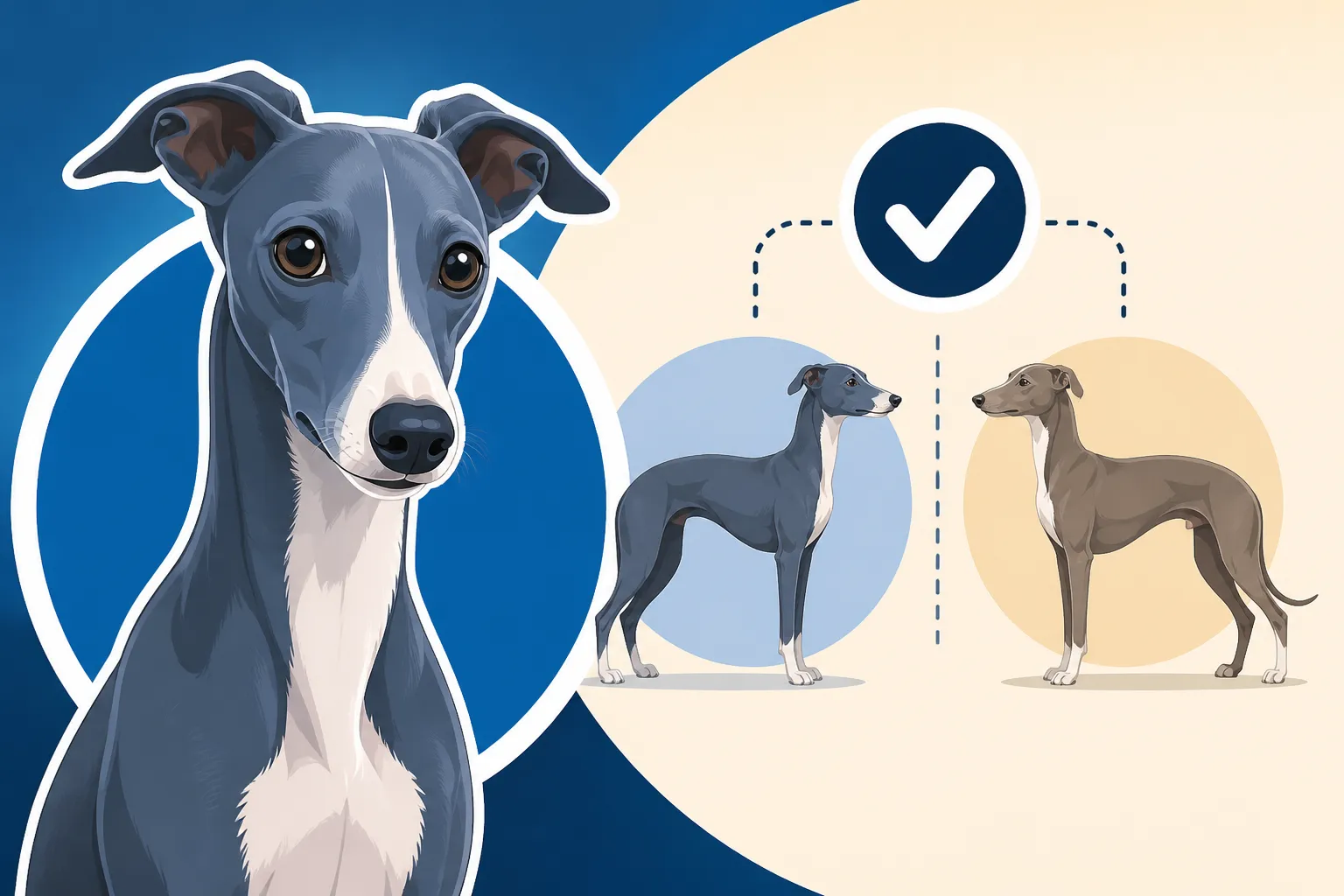
The color "blue" in Italian Greyhounds isn't what most people imagine when they think of the color blue. It's not sapphire or sky blue, but rather a stunning shade of grey, often with a silvery or slate undertone, that can appear quite striking against their fine, short coats. This unique hue comes down to genetics, specifically a dilution gene that affects the standard black pigment.
What Exactly Is a "Blue" Coat?
Genetically speaking, a blue Italian Greyhound has a diluted black coat. All dogs carry genes for pigment, primarily black (B) and red (e). The dilute gene (d) modifies these colors. When a dog has two copies of the dilute gene (dd) and also carries the black pigment gene, the black pigment is "diluted" to blue (grey). Similarly, if a dog carries the dilute gene and expresses red pigment, it results in a "fawn" or "Isabella" color, which is a diluted brown.
So, when you see a blue Italian Greyhound, you're actually looking at a dog whose genetically black coat has been softened and lightened to a beautiful shade of grey. This isn't a mutation or an anomaly; it's a naturally occurring genetic variation within the breed, and it's responsible for some of the most captivating Italian Greyhounds you'll ever see. Their noses and paw pads will also typically be a matching slate grey color, rather than black, which further adds to their unique aesthetic.
The Appearance and Appeal of Blue Italian Greyhounds
Blue Italian Greyhounds often have a truly elegant and ethereal appearance. Their sleek, close-lying coats accentuate their graceful lines, and the blue color can range from a very pale, almost silver-grey to a darker, deep slate. Many blue Iggies also have captivating light eyes, often amber or hazel, which stand out beautifully against their cool-toned fur. This distinctive look makes them quite popular, and it's easy to see why.
For many owners, the blue coat is a major draw. It's sophisticated and a little unusual, making them stand out from the more common black, fawn, or red Italian Greyhounds. Whether they're lounging on a cozy Heated Bed Costs for an Italian Greyhound or dashing across a field, their blue coats catch the light in a way that truly highlights their athletic build. Just like a stylish outfit, a blue coat on an Italian Greyhound has a certain "wow" factor that people appreciate.
Blue in the Breed Standard: What the Clubs Say
This is where we get to the heart of the matter for many prospective owners: is blue an accepted color according to the official breed standards? The good news is, for the Italian Greyhound, the answer is generally a resounding yes! Unlike some other breeds where dilute colors might be considered faults or even disqualifications, the Italian Greyhound standard is quite inclusive when it comes to color.
The American Kennel Club (AKC) Perspective
Let's look at the American Kennel Club (AKC) breed standard for the Italian Greyhound, which is highly influential in the United States. The AKC standard is quite clear and generous regarding color. It states: "Any color and markings are acceptable except brindle and black and tan."
This is fantastic news for fans of blue Italian Greyhounds! It means that blue, being a diluted black, is absolutely an accepted and "standard" color. It is not considered a fault, nor is it a disqualification in the show ring. Therefore, a blue Italian Greyhound can compete in conformation events just like a fawn, black, red, or white-marked Italian Greyhound, provided they meet all other aspects of the breed standard. This clears up a lot of the confusion and anxiety that some people might have when considering a blue puppy, perhaps due to what they've heard about dilute colors in other breeds.
Why the Confusion About Blue Being "Non-Standard" Exists
If blue is clearly acceptable, why does the question "Is blue standard?" come up so often? There are a few reasons for this common misconception. Firstly, in some other dog breeds, dilute colors are considered non-standard or even disqualifying faults. This might be due to historical preferences, concerns about certain associated health issues (which we'll discuss next), or simply because they don't fit the traditional appearance desired for that specific breed. People often generalize rules from one breed to another.
Secondly, the very striking nature of blue can sometimes make people think it's an artificial or rare color that might carry a stigma. But as we've explored, it's a natural genetic expression. Finally, there's the genuine and valid concern about Color Dilution Alopecia in a Blue Italian Greyhound, which, while not a breed standard issue, is a health consideration often linked to dilute coats. This concern can inadvertently lead people to believe the color itself is "bad" or "non-standard" for reasons other than genetics.
Here’s a quick overview of acceptable colors according to the AKC standard for Italian Greyhounds:
| Color Category | Examples | AKC Standard Status | Notes |
|---|---|---|---|
| Solid Colors | Black, Blue (Grey), Fawn, Red, Cream | Accepted | All solid colors are acceptable. |
| Parti-Colors | White & Black, White & Blue, White & Fawn, White & Red | Accepted | Any of the accepted colors with white markings are standard. |
| Brindle | (Stripe pattern) | Disqualified | Not allowed in the show ring or breeding for type. |
| Black and Tan | (Specific markings like a Rottweiler) | Disqualified | Not allowed in the show ring or breeding for type. |
As you can see, blue is firmly in the "Accepted" category.
Color Dilution Alopecia and Blue Italian Greyhounds
While the blue color itself is perfectly standard and accepted by kennel clubs, it's incredibly important to discuss a specific health consideration that can sometimes be associated with dilute coats, including blue: Color Dilution Alopecia (CDA). This condition is what truly drives many of the underlying questions and concerns about blue Italian Greyhounds, far more than their show ring eligibility.
What is Color Dilution Alopecia (CDA)?
Color Dilution Alopecia, often referred to as "blue dog alopecia," is a genetic condition found in several breeds that carry the dilute gene. It's a type of follicular dysplasia, meaning there's an abnormality in the hair follicles. Dogs with CDA typically present with patchy hair loss (alopecia), often starting on the back and thinning gradually. The skin in affected areas can become dry, flaky, scaly, and prone to secondary bacterial infections or folliculitis. It's not usually painful or life-threatening, but it can be uncomfortable and requires diligent management.
Not every blue Italian Greyhound will develop CDA. It's inherited, meaning a dog must receive a specific gene from both parents to be affected. Some blue Iggies will have lush, healthy coats their entire lives, while others may experience varying degrees of hair thinning and skin issues. The condition usually begins to manifest when the dog is a puppy or young adult, often around 6 months to 2 years of age, though it can appear later. If you're concerned about this, reading What Color Dilution Alopecia Does to an Italian Greyhound offers a deeper dive into the condition.
Managing the Symptoms of CDA
If an Italian Greyhound does develop CDA, the focus shifts to managing the symptoms and keeping the dog comfortable. There's no cure for CDA, but there are strategies to help. These often include:
- Gentle Grooming: Avoid harsh brushes or frequent bathing, which can irritate already sensitive skin. When bathing, use medicated or moisturizing shampoos recommended by your vet.
- Skin Hydration: Regular use of topical emollients, conditioners, or sprays can help keep the skin supple and prevent dryness and flaking.
- Preventing Secondary Infections: Because the affected follicles are weaker, they are more susceptible to bacterial infections. Your vet might prescribe antibiotics or antimicrobial shampoos if an infection occurs.
- Environmental Management: Protecting your dog's thinning skin from harsh sun (sunscreen or light clothing) and extreme cold is important.
- Nutritional Support: Some owners find that supplements like omega-3 fatty acids can support skin and coat health, but always consult with your veterinarian before adding supplements.
Many owners of blue Italian Greyhounds simply take extra care with their dog's skin and coat, much like you might moisturize your own sensitive skin. Products found at pet retailers like Chewy often offer a range of gentle, hypoallergenic shampoos and conditioners that can be very helpful for dogs with delicate skin, whether or not they have CDA.
Breeding and CDA Awareness
Responsible Italian Greyhound breeders are very aware of CDA and often make efforts to breed away from it. While blue is an accepted color, breeders may track the incidence of CDA in their lines. It's a complex genetic issue, and while there isn't a simple DNA test for CDA itself, understanding the inheritance patterns of dilute genes and careful pedigree analysis can help reduce its occurrence. This highlights why choosing a reputable breeder who prioritizes health testing and transparency is so important, regardless of the color you desire. They should be able to discuss the health history of their dogs and any known issues in their lines openly.
Living with a Blue Italian Greyhound: Care and Considerations
Owning any Italian Greyhound comes with its own set of responsibilities and joys, but having a blue one might prompt a few additional thoughts regarding their specific care. These aren't necessarily burdens, but rather specific considerations to ensure your blue IG thrives. Remember, their color might be unique, but at their heart, they're still wonderful, affectionate Italian Greyhounds.
General Coat and Skin Care
Beyond the potential for CDA, Italian Greyhounds in general have very fine, thin skin and short, sparse coats. This means all Iggies, regardless of color, can be prone to dryness, minor scrapes, and feeling the cold. For a blue IG, particularly one showing signs of thinning hair or sensitive skin, this attention to care is amplified.
- Sun Protection: Blue Iggies, especially lighter shades or those with thinning coats, can be more susceptible to sunburn. If your dog spends time outdoors in sunny weather, consider using dog-safe sunscreen on exposed areas like the ears and nose, or provide lightweight clothing for protection.
- Moisture and Comfort: Keep their skin moisturized, especially in dry climates or during winter. A humidifier indoors can help, as can bathing with gentle, moisturizing shampoos. Follow up with a leave-in conditioner. You can find excellent options for sensitive skin at Chewy, tailored for dogs.
- Clothing: Italian Greyhounds are notoriously chilly creatures! A blue IG will appreciate a warm sweater or coat, especially in cooler weather or if they are prone to hair loss. Even indoors, many Iggies enjoy wearing soft pajamas or snuggling under blankets. Keeping an Italian Greyhound Warm Is Daily Work, Not a Winter Job is a great resource for understanding their thermal needs.
Regular Health Check-ups
Just like any Italian Greyhound, regular veterinary check-ups are essential for a blue IG. During these visits, your vet can monitor their skin and coat health, looking for any early signs of CDA or other dermatological issues. Early detection means you can start a management plan sooner, keeping your dog more comfortable. Be sure to discuss any changes in their coat texture, hair loss patterns, or skin irritation with your veterinarian.
It's also a good idea to maintain a comprehensive health history for your dog, including any skin conditions or allergies. This information can be invaluable for your vet and can help guide any treatment decisions. Remember, even if a blue Italian Greyhound might require a bit more vigilance regarding their skin, they are generally a healthy and long-lived breed, capable of bringing years of joy to their families. Whether the Italian Greyhound Is a Healthy Breed explores the overall health landscape of these wonderful dogs.
The Enduring Appeal of Blue Italian Greyhounds
Despite some of the genetic nuances and potential care considerations, the blue Italian Greyhound holds a special place in the hearts of many enthusiasts. Their unique appearance combined with the classic Italian Greyhound temperament makes them truly captivating companions.
A Striking and Unique Aesthetic
There's no denying the visual appeal of a blue Italian Greyhound. Their sleek, cool-toned coats are simply stunning and stand out in a crowd. Whether it's the deep slate of a darker blue or the shimmering silver of a lighter shade, this color has a sophisticated elegance that draws people in. It's a testament to the diverse beauty within the breed that such a range of colors, including blue, is both naturally occurring and celebrated.
Many owners choose a blue Italian Greyhound precisely because of this distinct aesthetic. They love the way their dog's coat gleams in the sunlight or the striking contrast it provides when paired with a vibrant sweater. It's a color that evokes a sense of grace and refinement, perfectly complementing the inherent elegance of the Italian Greyhound breed.
Companionship Above All Else
Ultimately, the color of an Italian Greyhound is secondary to their incredible personalities and their role as beloved family members. Blue Italian Greyhounds are just as sweet, cuddly, and devoted as their fawn, black, or red counterparts. They possess the same "Velcro dog" tendencies, the love for snuggles under blankets, and the playful bursts of zoomies that define the breed. The Velcro Dog: What Constant Company Means With an Italian Greyhound describes this defining characteristic perfectly.
Whether your Italian Greyhound is blue, red, or parti-colored, what truly matters is the bond you share. Their individual quirks, their goofy antics, and their unwavering affection are what make them such cherished companions. While being informed about breed standards and potential health considerations is crucial, it's the heart of the dog that truly makes a house a home. A blue Italian Greyhound, like any other Italian Greyhound, is a deeply rewarding pet who will fill your life with love, laughter, and perhaps a few extra blankets!
Disclaimer
This article is for general informational purposes only and does not constitute professional advice. Laws, prices and regulations vary by location and change over time. Consult a qualified professional for guidance on your specific situation.