Why an Italian Greyhound’s Teeth Crowd
One of the most common worries Italian Greyhound owners face, right alongside the fear of a broken leg, is the state of their beloved companion's teeth. It's a frustrating reality to look into your IG's tiny mouth and see teeth crammed together, sometimes seemingly piled on top of each other. This crowding isn't just an aesthetic issue; it's a significant health concern that predisposes our elegant little friends to a host of painful dental problems. This guide will delve deep into why this crowding occurs, the specific challenges it presents, and how you can proactively manage it to ensure your Italian Greyhound enjoys a healthy, comfortable life.
Understanding the Italian Greyhound's Unique Oral Anatomy
When you look at an Italian Greyhound, their delicate, refined features are unmistakable. From their slender legs to their elegant neck, everything points to a breed known for its grace. Unfortunately, this same delicate build extends to their skull and jaw structure, which directly impacts their dental health. While their overall size is small, their tooth count remains that of a much larger dog, creating a crowded environment that sets the stage for future issues.
The Disproportionate Jaw Size and Tooth Count
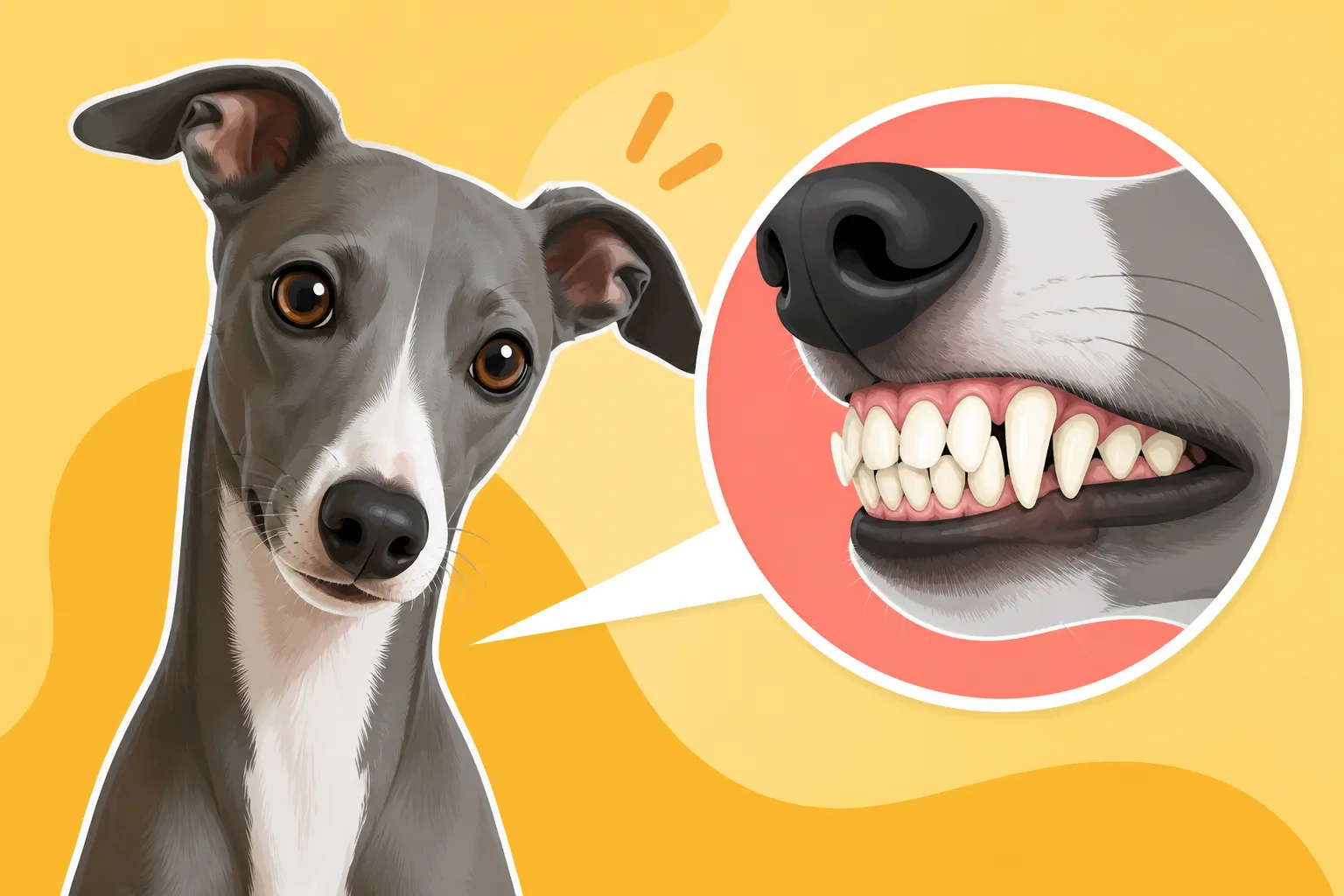
The core of the problem lies in the Italian Greyhound's head shape: a long, narrow muzzle that is scaled down for their toy breed size. While the jaw itself is miniature, it still houses the full complement of 42 adult teeth that a standard-sized dog, like a Labrador or a German Shepherd, would possess. Imagine fitting forty-two full-sized chairs into a tiny living room designed for only twenty-five – that's essentially what's happening inside your IG's mouth.
This anatomical mismatch means there simply isn't enough space for each tooth to sit comfortably and correctly. The teeth are forced to rotate, overlap, and grow at awkward angles, pushing against each other. This isn't just a minor inconvenience; it creates deep crevices and tight spaces that are nearly impossible for natural chewing or even diligent brushing to clean effectively.
The Impact of Retained Deciduous Teeth
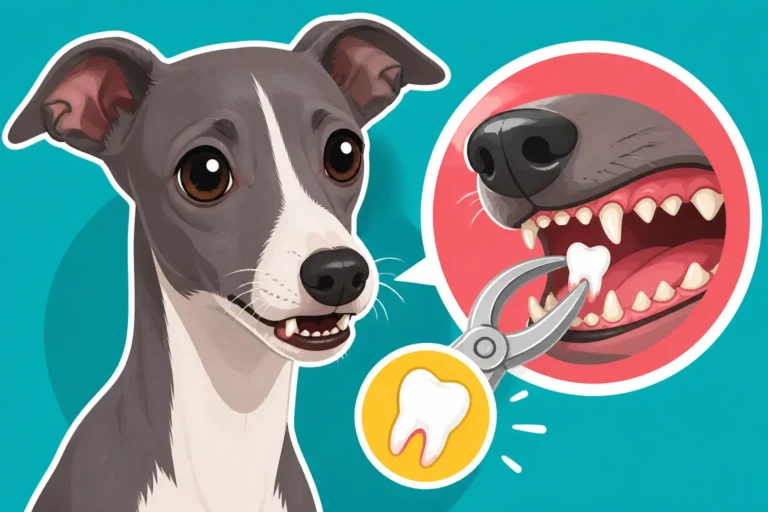
Another common issue contributing to dental crowding in Italian Greyhounds, especially in puppies, is the phenomenon of retained deciduous teeth, or "retained baby teeth." In many breeds, the baby teeth fall out naturally as the adult teeth erupt, pushing them out. However, in Italian Greyhounds, it's not uncommon for these baby teeth to persist long after their adult counterparts have started to emerge.
When a baby tooth doesn't fall out, the adult tooth often erupts right alongside it, or in an incorrect position, further exacerbating the crowding. This creates a double layer of teeth in an already restricted space, trapping food particles and debris even more readily. These retained baby teeth act as a magnet for plaque and tartar buildup from a very young age, initiating the cycle of dental disease prematurely. Vets often recommend extracting these retained baby teeth during an Italian Greyhound puppy's spay or neuter procedure to prevent future problems and give the adult teeth a better chance to align correctly.
Genetic Factors Contributing to Crowded Teeth
While the physical structure of an Italian Greyhound's mouth is a direct cause of crowded teeth, it's crucial to understand that this isn't just random bad luck; it's a genetic predisposition deeply embedded within the breed. Years of selective breeding for specific aesthetic traits, such as their refined head and slender muzzle, have inadvertently created a genetic bottleneck for oral health.
Inherited Breed-Specific Traits
The very characteristics that define the Italian Greyhound breed standard – the elegant, long, and narrow head – are directly linked to their dental woes. Breeders have, for centuries, aimed for this distinct sighthound silhouette in a miniature package. However, the genetic blueprint for a "normal" dog's tooth size and count remained largely unchanged, while the "canvas" (the jawbone) shrunk dramatically.
This means that Italian Greyhounds are genetically programmed to have jaws that are too small for the number and size of teeth they naturally possess. It's a classic example of how selective breeding for appearance can sometimes have unintended health consequences. There isn't a specific "crowded teeth gene" that breeders can screen for; rather, it's an inherent anatomical characteristic of the breed itself. Responsible breeders are acutely aware of this challenge and will emphasize proper dental care from the start, often showing parents with excellent dental health or discussing their history of dental cleanings.
Predisposition to Periodontal Disease
The crowding of teeth in Italian Greyhounds is more than just a cosmetic concern; it's a direct pathway to severe periodontal disease. Because teeth are so tightly packed, and often rotated or misaligned, they create ideal conditions for plaque and tartar to accumulate rapidly. Food particles, bacteria, and saliva combine to form plaque, which then hardens into tartar within 24-48 hours.
These rough, hard surfaces of tartar then act as a scaffold for more bacteria, irritating the gums and leading to gingivitis (inflammation of the gums). Left untreated, this progresses to periodontitis, where the infection spreads below the gum line, attacking the supporting structures of the teeth – the bone, ligaments, and tissues. This is where the real damage occurs, leading to painful infections, tooth mobility, and eventually, tooth loss. Many Italian Greyhound owners are surprised by How Common Dental Disease Is in an Italian Greyhound, and it's a factor that significantly impacts their overall health and lifespan.
The Lifecycle of Dental Problems in Italian Greyhounds
The dental issues an Italian Greyhound faces are not isolated incidents but rather a continuous progression from puppyhood through their senior years. This lifecycle often begins subtly, with little outward sign, and can accelerate rapidly if not meticulously managed. Understanding this progression is key to proactive care.
Early Onset of Plaque and Tartar Accumulation
Due to the inherent crowding and small oral environment, plaque and tartar begin to accumulate on Italian Greyhounds' teeth at a surprisingly young age. While it might take years for a larger breed to show significant tartar, an Italian Greyhound puppy can start showing signs of plaque buildup even before their first birthday. The tight spaces between teeth, the overlapping surfaces, and the often-retained baby teeth provide ample nooks and crannies for bacteria to colonize.
Owners often report seeing yellowish-brown deposits on their Italian Greyhound's teeth, particularly on the molars and canines, much earlier than expected. This early onset means that without intervention, dental disease has a longer runway to cause severe damage. Many vets recommend starting Brushing an Italian Greyhound's Teeth Every Day as early as possible to combat this accelerated buildup, though even daily brushing can struggle to reach all the problem areas in a crowded mouth.
Progressive Gum Disease and Bone Loss
As plaque and tartar continue to accumulate unchecked, the gums become inflamed, red, and swollen – a condition known as gingivitis. This is the first stage of periodontal disease and is usually reversible with professional cleaning. However, in Italian Greyhounds, the progression can be swift. The persistent irritation from tartar pushes the gum tissue away from the tooth, creating periodontal pockets.
These pockets become traps for more bacteria, leading to deeper infection that starts to erode the bone and ligaments supporting the teeth. This bone loss is irreversible and is the hallmark of periodontitis. Over time, teeth become loose and incredibly painful. It's not uncommon for an Italian Greyhound to have significant bone loss and loose teeth by the age of five or six, and The Age an Italian Greyhound Starts Losing Teeth can be surprisingly early for many. This chronic infection doesn't just stay in the mouth; it can spread through the bloodstream to vital organs, potentially impacting the heart, kidneys, and liver, shortening their overall Why an Italian Greyhound Lives Fourteen to Fifteen Years.
Preventing and Managing Dental Crowding Challenges
While you can't change the size of your Italian Greyhound's jaw, you can absolutely make a profound difference in managing the consequences of their crowded teeth. Proactive and consistent dental care is not optional for this breed; it's a non-negotiable part of responsible ownership that directly impacts their quality of life and longevity.
Regular Veterinary Dental Cleanings
Professional dental cleanings under anesthesia are the cornerstone of dental health for Italian Greyhounds. Because home brushing, no matter how diligent, simply cannot reach every crowded crevice, regular veterinary cleanings are essential for removing accumulated plaque and tartar, especially below the gumline. Most Italian Greyhounds will require annual dental cleanings, and some may even need them more frequently, perhaps every 6-9 months, depending on the severity of their crowding and their individual rate of tartar buildup.
During these cleanings, your vet will perform a thorough examination, including dental X-rays to assess the health of the tooth roots and jawbone. They will scale and polish the teeth, and often, extractions of severely compromised teeth are necessary. This is a significant undertaking, and understanding Why an Italian Greyhound's Dental Requires Anesthesia is critical, as well as being aware of What an Italian Greyhound's Annual Dental Costs. Many owners find relief through pet insurance providers like Healthy Paws, which can help mitigate the significant costs of ongoing dental care. It’s always wise to check policy details to ensure comprehensive coverage for these inevitable procedures.
Daily Home Dental Care Routine
While professional cleanings are crucial, daily home care acts as the first line of defense. Brushing your Italian Greyhound's teeth every single day, ideally twice a day, is the most effective way to remove plaque before it hardens into tartar. It can be challenging to introduce, but with patience and positive reinforcement, most Iggies can learn to tolerate it.
Using a soft-bristled toothbrush designed for small dogs or a finger brush, along with a veterinary-approved enzymatic toothpaste (never human toothpaste), is vital. Focus on the outer surfaces of the teeth, as this is where plaque tends to accumulate most. Don't be discouraged if you can't reach every single tooth perfectly; consistency is more important than perfection. Incorporating dental chews or water additives approved by the Veterinary Oral Health Council (VOHC) can also be helpful adjuncts, but they are never a substitute for brushing or professional cleanings.
Nutrition and Chew Toys
While diet won't "fix" crowded teeth, a high-quality, balanced diet supports overall health, including gum health. Some specialized dental diets are formulated with specific kibble shapes and textures designed to mechanically scrub teeth as the dog chews, which can offer a minimal benefit in reducing plaque. However, given the Italian Greyhound's delicate jaw, avoid excessively hard chews or bones that could lead to tooth fractures or damage.
Safe chew toys, such as those made from durable rubber or softer nylons, can also help stimulate gums and provide some abrasive action against plaque, but always supervise your Italian Greyhound with chew toys to prevent choking hazards or dental injuries. The goal is to provide safe outlets for chewing that don't put their delicate teeth at risk. If you notice What Bad Breath Means in an Italian Greyhound, it's almost certainly a sign that dental intervention is needed, not just a switch in diet or chew toy.
Financial and Emotional Realities of Italian Greyhound Dental Health
The ongoing battle against dental disease in Italian Greyhounds isn't just a matter of time and effort; it also comes with significant financial and emotional considerations. Owners often feel frustrated by the constant need for dental work, but understanding these realities upfront can help prepare you.
The Cost of Consistent Dental Care
Let's be blunt: owning an Italian Greyhound means budgeting for regular, professional dental cleanings and potential extractions throughout their life. These aren't cheap procedures, especially when considering the need for anesthesia, pre-anesthetic bloodwork, and dental X-rays. A single dental cleaning can range from a few hundred to over a thousand dollars, and if multiple extractions are required, the cost can quickly climb even higher. Multiply this by the average How Long an Italian Greyhound Lives on Average, and you're looking at a substantial lifetime expense.
This financial burden often catches new owners by surprise. It's a testament to the dedication of Italian Greyhound owners that they consistently invest in this crucial care. Considering pet insurance from reputable providers like Healthy Paws early in your dog's life can be a financial lifeline, as it often covers a significant portion of unexpected and routine dental care, though typically not pre-existing conditions. Always review policy specifics to understand what kind of dental coverage is offered.
Emotional Impact on Owners and Dogs
Beyond the financial aspect, there's a real emotional toll. Seeing your beloved Italian Greyhound go through multiple anesthetic procedures, knowing the pain they might be silently enduring from dental disease, can be incredibly stressful. Owners often feel guilty or frustrated when dental issues recur despite their best efforts.
For the Italian Greyhound, chronic dental pain can lead to changes in behavior, such as reluctance to eat hard kibble, decreased playfulness, or even aggression due to discomfort. They are incredibly stoic animals, often hiding their pain until it becomes severe. Providing consistent dental care, therefore, isn't just about preserving their teeth; it's about ensuring their overall comfort, happiness, and vitality. It's about recognizing that Periodontal Disease Is the Italian Greyhound's Most Common Diagnosis and taking every step possible to prevent its progression.
| Feature | Typical Dog Breed (e.g., Lab) | Italian Greyhound | Implications for Dental Health |
|---|---|---|---|
| Jaw Size | Medium to Large | Small, narrow, delicate | Insufficient space for all teeth to align properly. |
| Number of Adult Teeth | 42 | 42 (Same as larger breeds) | Severe crowding, rotation, and overlapping of teeth. |
| Tooth Size | Proportionate to jaw | Proportionate to larger breeds | Exacerbates crowding in a small jaw. |
| Muzzle Shape | Broader, often deeper | Long, slender, fine-boned | Reduces interdental space, making cleaning difficult. |
| Retained Baby Teeth | Less common | Very common | Further complicates eruption of adult teeth, increasing crowding. |
| Risk of Periodontal Disease | Moderate (varies by breed) | Very High (inherent breed trait) | Rapid plaque/tartar buildup, early onset of gum disease/bone loss. |
Conclusion: A Lifelong Commitment to Oral Health
Owning an Italian Greyhound is a truly rewarding experience, but it comes with specific responsibilities, and diligent dental care sits right at the top of that list. The crowded conditions in their tiny mouths are not a fault of their owners but an inherent breed characteristic that requires consistent, proactive management. From daily brushing with Which Toothbrush Fits an Italian Greyhound's Mouth to regular professional cleanings, your commitment to their oral hygiene directly impacts their comfort, health, and ultimately, how long and happily they live. By embracing these challenges, you're not just caring for their teeth; you're nurturing their entire well-being, ensuring your elegant companion remains a happy, healthy part of your family for many years to come.
Disclaimer
The information provided in this article is for general informational purposes only and is not intended as a substitute for professional veterinary advice. Always consult with a qualified veterinarian for any health concerns or before making any decisions related to your Italian Greyhound's care.