Whether Italian Greyhounds Were Mummified in Egypt
Many Italian Greyhound owners, myself included, have looked at our elegant, ancient-looking pups and wondered about their origins. There's a persistent whisper, a captivating myth, that these delicate sighthounds trace their lineage directly back to the pharaohs, even being mummified alongside them. It's a romantic notion that certainly speaks to their regal demeanor and slender build. This guide will delve into the historical records and archaeological findings to separate fact from charming folklore, exploring the true ancestry of the Italian Greyhound and clarifying whether they were indeed among the beloved canines laid to rest in ancient Egyptian tombs.
The Ancient Roots of the Italian Greyhound: Separating Myth from History
It's easy to look at an Italian Greyhound and imagine them lounging on velvet cushions in a pharaoh's palace, their graceful form perfectly complementing the artistic representations found on ancient Egyptian artifacts. Their undeniably ancient aesthetic fuels the imagination, but the reality of their history is a fascinating journey across continents and millennia, involving a broader category of dogs long before the specific Italian Greyhound breed emerged.
Tracing the Italian Greyhound's Ancestry: Where Do They Really Come From?
When we talk about the "Italian Greyhound," we're discussing a distinct breed, specifically cultivated and refined in Europe. However, their roots, like many sighthound breeds, undoubtedly stretch back to ancient times. The earliest known sighthound-type dogs are believed to have originated in the Middle East and North Africa thousands of years ago. These dogs were characterized by their speed, keen eyesight, and slender build, perfect for hunting small game across open plains.
Archaeological evidence and ancient art from civilizations spanning from Egypt to Mesopotamia depict dogs that share a striking resemblance to modern sighthounds: long, lean bodies, tucked-up waists, and elegant heads. These early sighthound ancestors were prized for their utility in hunting and later for their companionship. As trade routes expanded and empires interacted, these sighthound types spread throughout the ancient world, eventually making their way to Europe. It's from this broad lineage of ancient sighthounds that many modern breeds, including the Italian Greyhound, eventually developed, but the Italian Greyhound as a specific, miniaturized breed is a much later European creation. The Italian Greyhound Is Two Thousand Years Old explores this timeline further.
Distinguishing Ancient Sighthounds from Modern Italian Greyhounds
This is where the distinction becomes critical. While ancient Egypt certainly had sighthound-type dogs, and indeed revered them, these were not what we recognize today as Italian Greyhounds. The "Italian Greyhound" breed, as its name suggests, gained its specific identity and refinement in Italy. It’s thought that smaller sighthounds were present in ancient Greece and Rome, likely arriving from the East, and these smaller variants were then further bred down in size during the Renaissance in Italy to create the delicate companion dog we know and love today.
The ancient Egyptian sighthounds, often depicted in art and found mummified, were generally larger, more akin to what we might consider a Saluki, Basenji, or even a smaller, more refined Pharaoh Hound type. They were powerful hunters, built for desert terrain. The Italian Greyhound, with its pronounced arch, ultra-fine bone structure, and smaller stature, is the result of centuries of selective breeding for a specific aesthetic and companion role in European courts. While the overall silhouette might trick the casual observer, the specific breed characteristics differentiate them considerably.
The Significance of Dogs in Ancient Egyptian Culture
Dogs held a deeply respected and multifaceted position in ancient Egyptian society. They were far more than just working animals; they were integral to daily life, religion, and the belief in the afterlife. Their roles included:
- Hunting Companions: Sighthounds, with their incredible speed and keen vision, were invaluable for hunting gazelles, hares, and other desert game. Reliefs and paintings frequently show hunters accompanied by their dogs.
- Guard Dogs: Larger breeds were employed to protect homes, livestock, and even borders.
- Companionship: Dogs were cherished family members. Inscriptions and tombs often depict people with their beloved canine companions at their feet or under their chairs, demonstrating a bond strikingly similar to what we share with our pets today. We might buy our Iggies comfortable beds and special food from a place like Chewy, but the underlying affection is timeless.
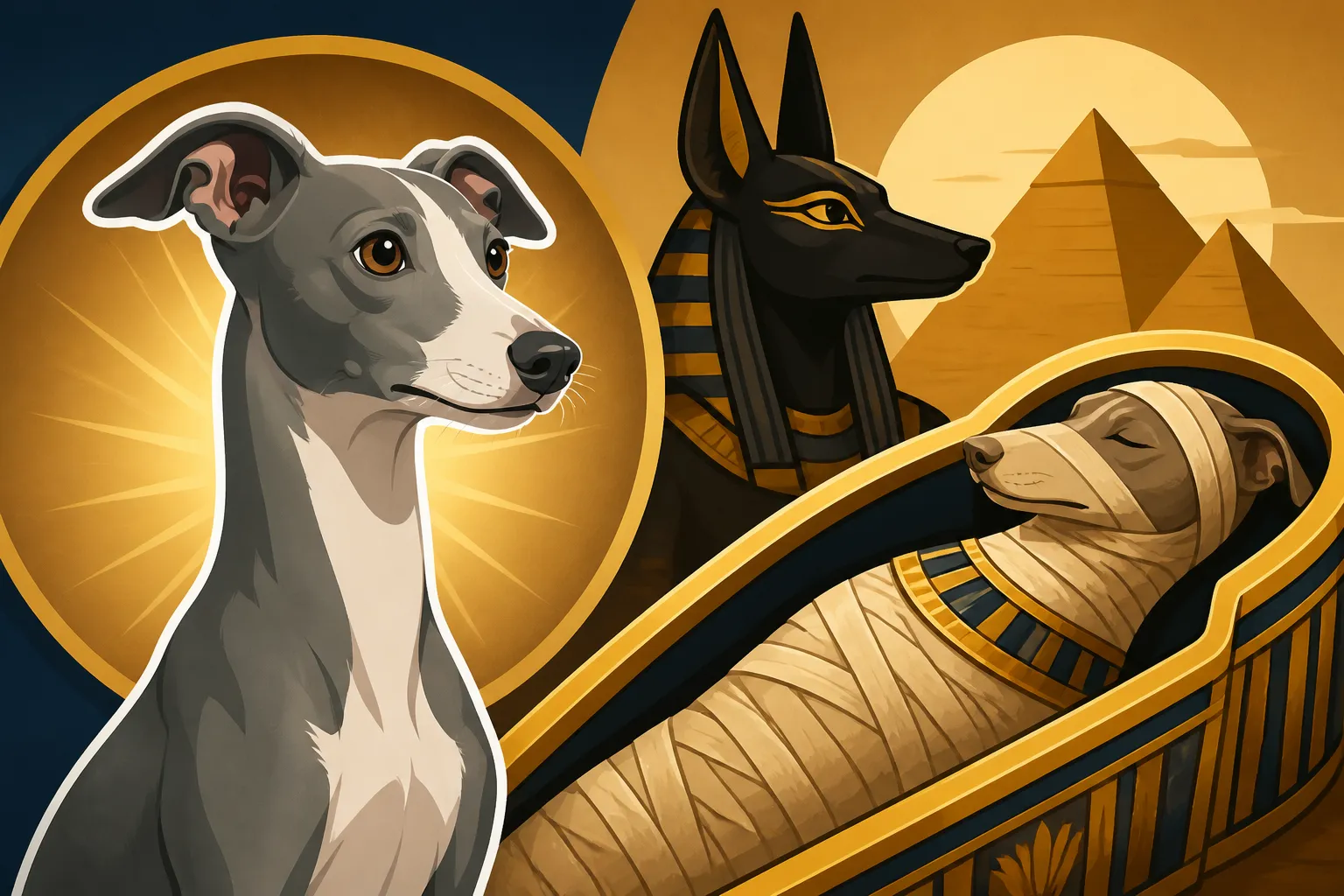
- Religious Significance: Certain gods, like Anubis, the jackal-headed god of mummification and the afterlife, were associated with canines, lending dogs a sacred aura. Cemeteries dedicated solely to dogs have been discovered, indicating their spiritual importance. This profound reverence for dogs explains why mummification was a practice extended to them.
Mummification Practices and Canine Companions in Ancient Egypt
The idea of mummification for pets might seem unusual to us today, but for the ancient Egyptians, it was a logical extension of their beliefs about life, death, and the continuity of existence.
Who and What Was Mummified in Ancient Egypt?
Mummification in ancient Egypt wasn't exclusively for pharaohs and high-ranking nobles. While elaborate human mummification is certainly the most famous, the Egyptians also mummified a wide array of animals for different reasons:
- Sacred Animals: Animals associated with specific deities, such as cats (Bastet), ibises (Thoth), or crocodiles (Sobek), were often mummified and buried in vast catacombs as offerings to the gods. These were not individual pets but rather symbolic representations.
- Food Offerings: Sometimes, cuts of meat or even whole animals were mummified to provide sustenance for the deceased in the afterlife.
- Beloved Pets: Perhaps the most touching category, pets were often mummified and buried with their owners, or in special pet cemeteries, to accompany them into the afterlife. This practice underscores the deep emotional connection between Egyptians and their animals. The hope was that these companions would continue to provide comfort and familiarity beyond the veil of death.
Evidence of Mummified Dogs in Egypt
Absolutely, dogs were mummified in ancient Egypt! Numerous archaeological discoveries confirm this practice. Excavations at sites like Saqqara, for instance, have uncovered extensive dog catacombs, containing thousands of mummified canines. Some of these were sacred animals, but others were clearly pets.
The breeds identified from skeletal remains and artistic depictions include various sighthound types, much like the Saluki or Sloughi, as well as pariah dogs and hunting dogs. While these ancient Egyptian sighthounds certainly shared the elegant, lean build that is characteristic of sighthounds, they were distinct from the much smaller, more refined Italian Greyhounds we know today. These mummified dogs were generally larger, robust, and often depicted as swift, capable hunters. So, while dogs resembling sighthounds were mummified, there's no evidence to suggest these were specifically Italian Greyhounds. The breed as we understand it simply hadn't evolved yet. Whether the Italian Greyhound Really Dates to Ancient Egypt delves deeper into the lack of direct breed evidence from that period.
The Role of Small Dogs in Egyptian Households
While the grand hunting sighthounds often take center stage in Egyptian art, there's also evidence to suggest that smaller dogs were kept as pets. Some carvings and tomb paintings show dogs of varying sizes, indicating a diverse canine population. It's plausible that some of these smaller dogs were kept primarily as companions, much like toy breeds today. However, even these smaller ancient Egyptian dogs would likely have been sturdier than the delicate Italian Greyhound, which has been bred for centuries for extreme refinement and a specific, almost fragile, beauty.
The notion that Italian Greyhounds were specifically mummified in Egypt is therefore a misattribution based on superficial resemblance rather than historical accuracy. The ancient Egyptians certainly valued their canine companions, and many were mummified, but the specific breed "Italian Greyhound" is a product of European history, not North African antiquity.
The Italian Greyhound's European Lineage and the Myth of Egyptian Mummification
The journey of the Italian Greyhound is a testament to selective breeding and changing human preferences, firmly placing its origins in Europe, not the deserts of Egypt.
The Italian Greyhound's True Historical Journey
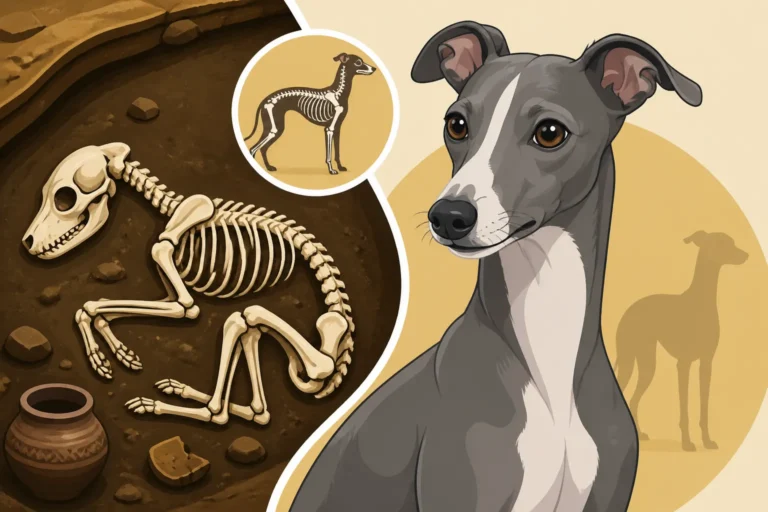
The direct ancestors of the Italian Greyhound are widely believed to have been small sighthound types that existed in ancient Greece and Rome. Evidence for this comes from archaeological finds, such as tiny dog skeletons in Pompeii, and artistic representations from classical antiquity depicting small, elegant dogs similar in build to miniature sighthounds. When the Italian Greyhound Arrived in Italy is a fascinating look at this migration.
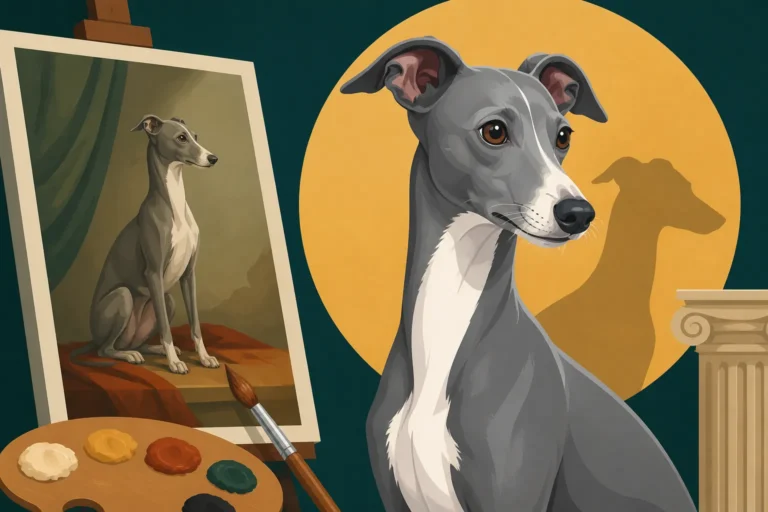
It was during the Italian Renaissance, however, that these small sighthound types were truly refined and became the breed we recognize as the Italian Greyhound. Italian noblewomen and royalty adored these tiny, graceful dogs, breeding them specifically for companionship and as symbols of wealth and status. Painters of the era, such as Giotto and Carpaccio, often included these dogs in their works, solidifying their image as aristocratic pets. Which Renaissance Painters Included Italian Greyhounds offers a glimpse into this artistic documentation. The emphasis during this period was on creating an ever more refined, elegant, and indeed, smaller dog. This dedicated breeding program in Europe is what truly forged the Italian Greyhound's identity.
Why the Connection to Egypt Persists (and Why It's Misleading)
The persistent myth linking Italian Greyhounds directly to ancient Egypt largely stems from a few understandable factors:
- Sighthound Ancestry: All sighthounds, including the Italian Greyhound, share a common distant ancestry that traces back to ancient dogs from regions like North Africa and the Middle East. It's easy for this broad ancestral connection to be conflated with the specific breed.
- Aesthetic Resemblance: The Italian Greyhound's slender, aristocratic profile, graceful curves, and delicate features bear a superficial resemblance to the sighthound types depicted in ancient Egyptian art. Their sleek coat and almost regal bearing certainly evoke an ancient majesty.
- The "Ancient Breed" Appeal: There's a certain romantic allure in owning a dog breed with such seemingly ancient ties. This narrative adds to the mystique and perceived uniqueness of the Italian Greyhound.
- Misinterpretation of "Ancient Dog": The term "ancient dog breed" is often used loosely. While the type of dog (sighthound) is ancient, the specific breed (Italian Greyhound) is not as old as Egyptian civilization.
However, despite these visual and ancestral links, it's crucial to understand that the modern Italian Greyhound is a European creation. There's no archaeological or genetic evidence to suggest that the distinctly bred Italian Greyhound existed in ancient Egypt, let alone was mummified there. The beautiful dogs that were mummified were their more robust, larger sighthound ancestors or other native Egyptian dog types. Whether the Italian Greyhound Really Dates to Ancient Egypt will give you more context.
Caring for Our Italian Greyhounds: A Modern Perspective
While it's fun to imagine our Italian Greyhounds lounging in ancient Egyptian palaces, their delicate nature means they thrive best with modern, attentive care tailored to their unique needs.
Honoring the Bond: Modern Pet Care vs. Ancient Rituals
The impulse to honor our canine companions is truly timeless. Where ancient Egyptians preserved their beloved dogs for the afterlife through mummification, we express our devotion through comprehensive daily care, ensuring their comfort, health, and happiness in this life. This means providing the right nutrition, creating a safe home environment, and offering endless love and warmth.
Today, we have an incredible array of resources to ensure our Iggies live long, healthy lives. From specialized diets to orthopedic beds to keep their thin bodies comfortable, the options are vast. Many owners turn to reputable online retailers like Chewy to find everything from high-quality kibble to cozy sweaters that protect their thin skin from the cold. Keeping an Italian Greyhound Warm Is Daily Work, Not a Winter Job is just one example of the specific care needs modern Iggies have. We might not be mummifying them, but we are absolutely showering them with the best possible care, a true testament to the enduring bond between humans and dogs.
Essential Health and Lifespan Considerations for Iggies
Modern Italian Greyhounds, while resilient in spirit, are known for their delicate physical structure and specific health needs. Unlike the sturdier ancient sighthounds, Iggies require careful consideration in several areas:
- Bone Fragility: Their fine bones, particularly in their legs, are prone to fractures. Owners must take precautions to prevent falls from furniture or rough play. Why an Italian Greyhound's Leg Bones Break So Easily is a must-read for any IG owner.
- Dental Health: Italian Greyhounds are infamous for dental issues, often requiring regular cleanings and extractions. Daily tooth brushing and professional vet care are paramount. Periodontal Disease Is the Italian Greyhound's Most Common Diagnosis highlights this critical aspect.
- Temperature Sensitivity: Their lack of body fat and thin coat means they get cold very easily, requiring sweaters indoors and out, especially in cooler climates. Why a Nine Pound Italian Greyhound Gets Cold on the Table explains the physiological reasons behind this.
- Lifespan: Despite their delicate appearance, Italian Greyhounds are generally a long-lived breed, often reaching 14 to 15 years, which means a long commitment to their specialized care. Why an Italian Greyhound Lives Fourteen to Fifteen Years offers insight into their longevity.
Understanding these breed-specific needs is key to providing a fulfilling life for your Italian Greyhound. It's a different kind of preservation than mummification, but it's born from the same deep love and respect for these incredible creatures.
Comparative Look: Ancient Sighthounds vs. Modern Italian Greyhounds
To help clarify the distinctions, here's a quick comparison of the likely characteristics of sighthound-type dogs in ancient Egypt versus the Italian Greyhounds we cherish today.
| Feature | Ancient Egyptian Sighthound (Likely) | Modern Italian Greyhound |
|---|---|---|
| Origin Point | Middle East/North Africa, spread to Egypt | Europe (Italy), refined during the Renaissance |
| Primary Role | Hunting, guarding, companionship, religious | Companionship, show dog, lure coursing |
| Size | Medium to Large (e.g., Saluki, Sloughi-like) | Small Toy Breed (typically 7-14 lbs) |
| Build | Robust, muscular, built for endurance & speed | Delicate, fine-boned, elegant, athletic but fragile |
| Fracture Risk | Lower due to more robust bone structure | High, especially in legs, due to fine bones |
| Climate Adapt. | Well-suited to desert heat, thinner coat | Very sensitive to cold, requires clothing & warmth |
| Distinct Breed? | No single "breed" as we define it; sighthound type | Yes, a recognized breed with a specific standard |
| Mummification? | Yes, evidence of mummified sighthound types | No evidence of mummification in Egypt |
This table clearly illustrates that while the Italian Greyhound shares an ancestral type with the sighthounds of ancient Egypt, it is a distinctly separate and much later breed development, specifically tailored for companionship and elegance rather than desert hunting. Our understanding and appreciation of their history only deepen our bond with these wonderful dogs.
Disclaimer
This article is for general informational purposes only and does not constitute professional advice. Laws, prices and regulations vary by location and change over time. Consult a qualified professional for guidance on your specific situation.