Why Italian Nobles Bred the Dog Smaller
It's a common question, and one that taps into the very heart of the Italian Greyhound's history: why, when their ancestors were mighty sighthounds, did Italian nobles decide to breed them down to such a diminutive size? The answer isn't as simple as one might think; it's a fascinating journey through changing societal values, artistic preferences, and the practicalities of aristocratic life that ultimately shaped the delicate, elegant companions we cherish today.
The Historical Context: From Ancient Sighthound to Noble Companion
To truly understand why the Italian Greyhound became so small, we have to cast our minds back further than the Renaissance, to the breed's distant origins. These dogs didn't just appear in Italy; their lineage traces back thousands of years to ancient sighthounds found across the Mediterranean and even further east.
Early Ancestors and the Greyhound Connection
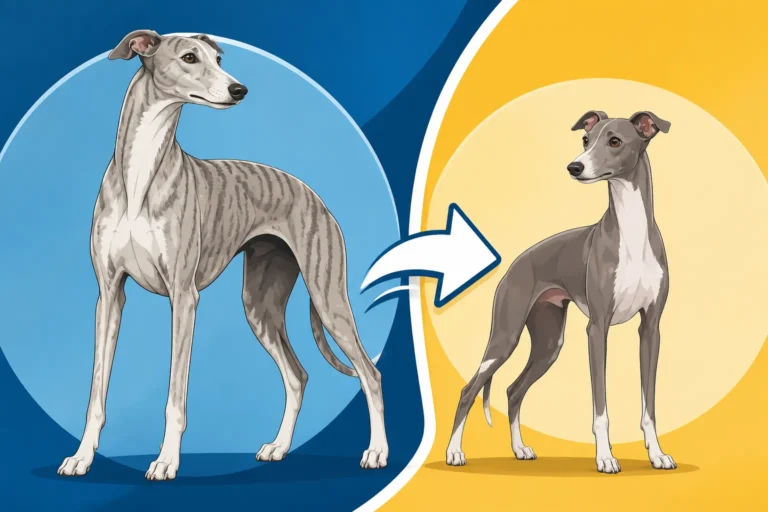
The earliest sighthounds were bred for speed, agility, and keen eyesight, essential traits for hunting small game in open terrain. We're talking about dogs that looked much like smaller versions of today's Greyhounds, designed for chasing and bringing down prey. These dogs were revered for their utility and beauty, appearing in art and archaeological finds from ancient Egypt to Greece and Turkey. In fact, many believe the Italian Greyhound shares a common ancestry with the larger Greyhounds, essentially being a miniature form of these athletic hunters. The Italian Greyhound Is Two Thousand Years Old and How Old the Italian Greyhound Breed Is delve deeper into this ancient lineage, illustrating just how far back the breed's roots truly go. These powerful ancestors were certainly not lapdogs; they were working animals, crucial for survival and sport.
The Shift Towards Companionship in Early Europe
As societies evolved, so too did the roles of dogs. While hunting remained a popular pastime for the nobility, the function of dogs began to expand. They weren't just tools for the hunt; they were becoming esteemed companions, symbols of status, and cherished members of the household. This shift was gradual, but it laid the groundwork for the eventual miniaturization. When these smaller sighthound types made their way into Europe, particularly into the Roman Empire and eventually Italy, their grace and affectionate nature began to be appreciated for reasons beyond their hunting prowess. They fit comfortably into lavish homes and offered a different kind of value – one of devotion and decorative elegance.
The Renaissance and the Pursuit of Petiteness
It was during the Italian Renaissance, a period of immense artistic, cultural, and social change, that the Italian Greyhound truly found its calling and underwent its most significant transformation in size. This era, spanning roughly from the 14th to the 17th century, saw an unprecedented appreciation for beauty, refinement, and human connection, all of which played a part in the breed's development.
Why Smaller Became More Desirable
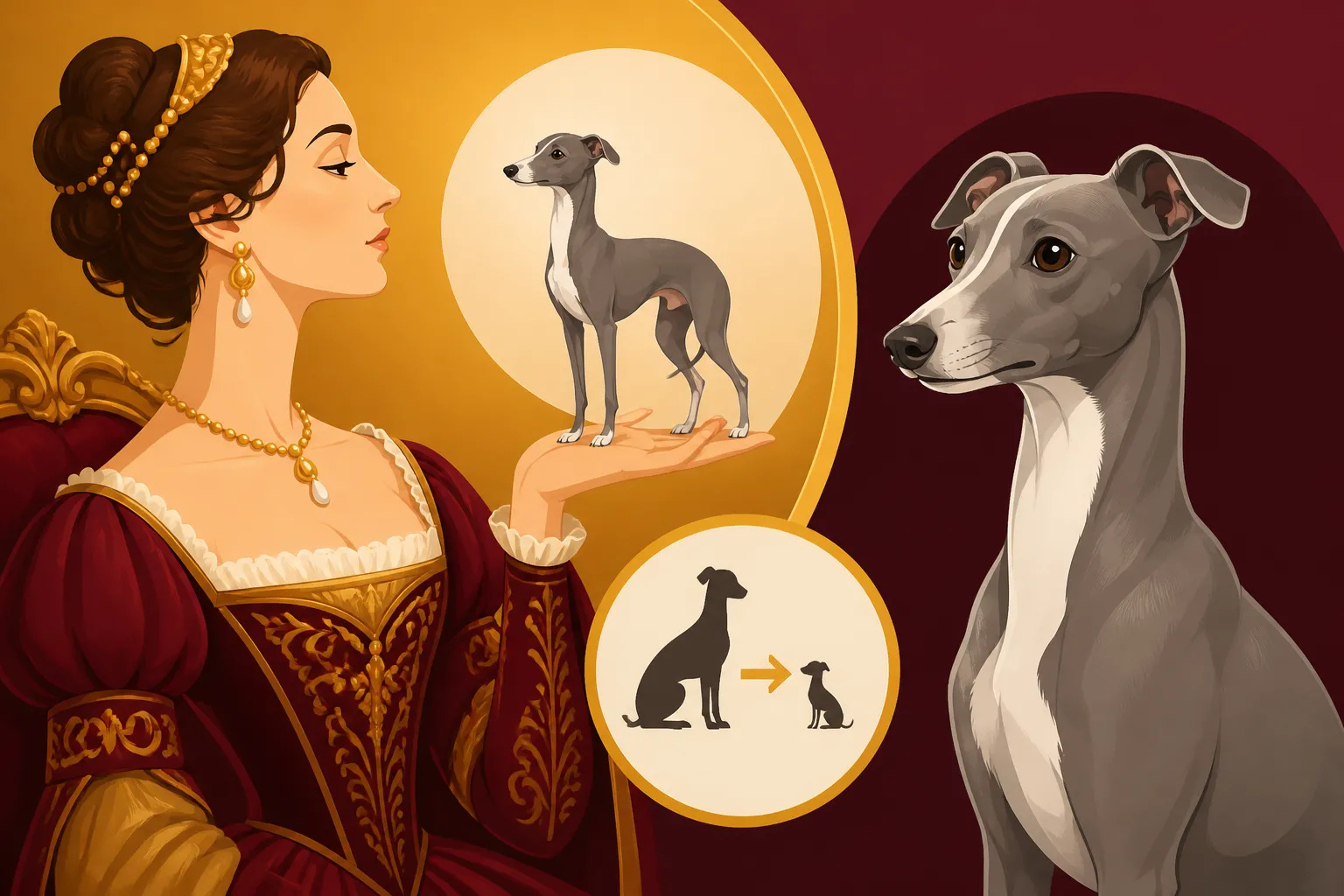
In the opulent courts and elegant villas of Renaissance Italy, practicality often took a backseat to aesthetics and symbolism. Nobles, kings, and queens sought out dogs that could symbolize their wealth, taste, and delicate sensibilities. A tiny, exquisitely proportioned dog, easily carried and coddled, became a living accessory, a furry status symbol. These smaller dogs were perfect for ladies of the court, fitting gracefully into their laps and providing warmth and comfort in drafty castles. They were not expected to hunt; their primary role was to provide companionship and beauty. When the Italian Greyhound Arrived in Italy highlights how the breed found its niche within these aristocratic circles.
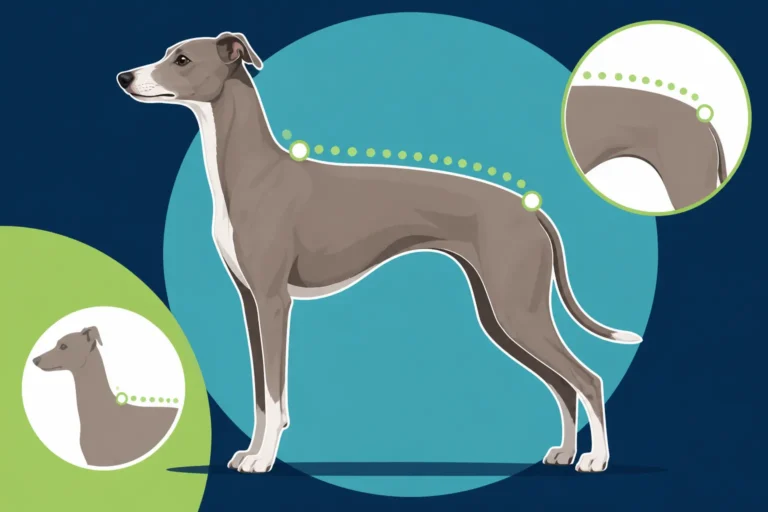
Moreover, the artistic trends of the time heavily influenced breeding preferences. Renaissance painters, who frequently depicted their noble patrons with their beloved dogs, favored the slender, elegant form of the miniature sighthound. To have one's portrait painted with a tiny, graceful Italian Greyhound was a testament to one's refined taste. The Renaissance Painters Who Put Italian Greyhounds in the Frame illustrates this trend perfectly. The smaller the dog, the more delicate and almost ethereal it appeared, fitting the aesthetic ideals of the era. The emphasis was on fine bone structure, a delicate head, and a dainty overall appearance, all of which are characteristic of the Italian Greyhound today.
Breeding Practices and Their Impact
To achieve this desired small size, breeders began to actively select for the smallest individuals within their litters, focusing on traits that emphasized petiteness and refinement. This was a deliberate and sustained effort over many generations. While these early breeders might not have understood genetics in the scientific way we do today, they certainly understood selective breeding. They paired smaller dogs with smaller dogs, hoping to produce even tinier offspring.
This intense focus on size undoubtedly came with challenges. It's thought that there might have even been periods where the breed was bred too small, leading to significant health issues and a loss of vitality. The goal was to create a dog that was a miniature version of the sighthound, rather than a separate, unrelated small breed. Whether the Italian Greyhound Was Bred Down From Greyhounds explores this fascinating aspect of their history, confirming their direct lineage. The result of these breeding efforts was the Italian Greyhound we know today: a true toy dog, but with the distinctive sighthound conformation.
Here's a look at how the breed's perceived purpose evolved, and how that influenced its size:
| Period | Primary Role | Desired Size | Key Characteristics | Implications for Breeding |
|---|---|---|---|---|
| Ancient World | Hunting, utility | Medium to large | Speed, agility, keen sight | Selection for athletic prowess, endurance |
| Medieval Europe | Hunting, early companionship | Medium | Practical size for function | Maintained hunting traits, gentle disposition |
| Renaissance Italy | Companionship, status symbol | Small to very small | Elegance, delicacy, portable | Intense selection for reduced size, refinement |
| Modern Era | Companionship, show, sport | Standard Toy size (12-15 lbs) | Balance of type, health, temperament | Focus on breed standard, genetic health screening |
The Consequences and Lasting Legacy of Selective Breeding
The drive to create a smaller, more refined companion during the Renaissance had profound and lasting effects on the Italian Greyhound, shaping not only its appearance but also its health and care requirements right up to the present day.
Health Implications of Miniaturization
The intense selection for small size, especially during periods when breeders pushed the limits of petiteness, inadvertently led to certain vulnerabilities. The most well-known of these is the Italian Greyhound's delicate bone structure. Their slender, fine bones, particularly in the lower legs, can be prone to fractures, a reality many owners face with trepidation. Why an Italian Greyhound's Leg Bones Break So Easily and How Many Italian Greyhounds Break a Leg Before Two are essential reads for any prospective or current owner, detailing this common concern. This fragility is a direct consequence of generations of breeding for a delicate appearance.
Beyond bones, their low body fat and thin skin, while contributing to their sleek look, mean they struggle with cold temperatures and are more susceptible to cuts and scrapes. How Fine an Italian Greyhound's Skin Should Be illustrates just how delicate their dermal layer can be. These are not robust outdoor dogs; they are creatures of comfort, needing warmth and protection. While modern breeding focuses heavily on health testing and responsible practices to mitigate some of these issues, the fundamental physical traits remain as a legacy of their historical development.
The Modern Italian Greyhound: A Balance of History and Health
Today's Italian Greyhound is a testament to thousands of years of evolution and deliberate breeding. They are recognized as a true toy breed, typically weighing What an Italian Greyhound Weighs and How Tall It Stands is a good guide here, generally between 7 to 14 pounds, and standing around 13 to 15 inches tall at the shoulder. They embody the elegance and grace that captivated Italian nobles centuries ago, while also presenting unique care needs that stem from that very history.
Responsible breeders today strive to maintain the breed's exquisite type while prioritizing genetic health. This means careful selection of breeding pairs, health clearances, and an understanding of the breed's predispositions. Owners, in turn, must be vigilant in creating a safe environment, offering warmth, and providing regular veterinary care tailored to their delicate nature. The Italian Greyhound is truly a companion animal, thriving on human interaction and the comforts of home, a role that was carefully carved out for them by the discerning tastes of Italian nobility so long ago. Understanding this history helps us appreciate not just their beauty, but also the unique responsibilities that come with owning these living pieces of art.
Disclaimer
This article is for general informational purposes only and does not constitute professional advice. Laws, prices and regulations vary by location and change over time. Consult a qualified professional for guidance on your specific situation.