Whether the Italian Greyhound Was Ever an American Fashion Dog
The Italian Greyhound has long looked as if it belongs in a portrait: fine-boned, elegant, and happiest close to its people. That appearance helped it attract attention in America, especially among owners who admired European taste and fashionable companion dogs. But was it ever a true national craze, or mainly a stylish presence in certain social circles? The distinction matters.
What people mean by an American fashion dog
More than a dog with a fashionable appearance
Calling a breed a “fashion dog” can mean several things. It may describe a dog that looks striking beside its owner, one associated with wealth or celebrity, or a breed that suddenly becomes widely popular because people want to imitate a trend. Those meanings are easy to blur together, particularly when a small, graceful dog appears in old portraits.
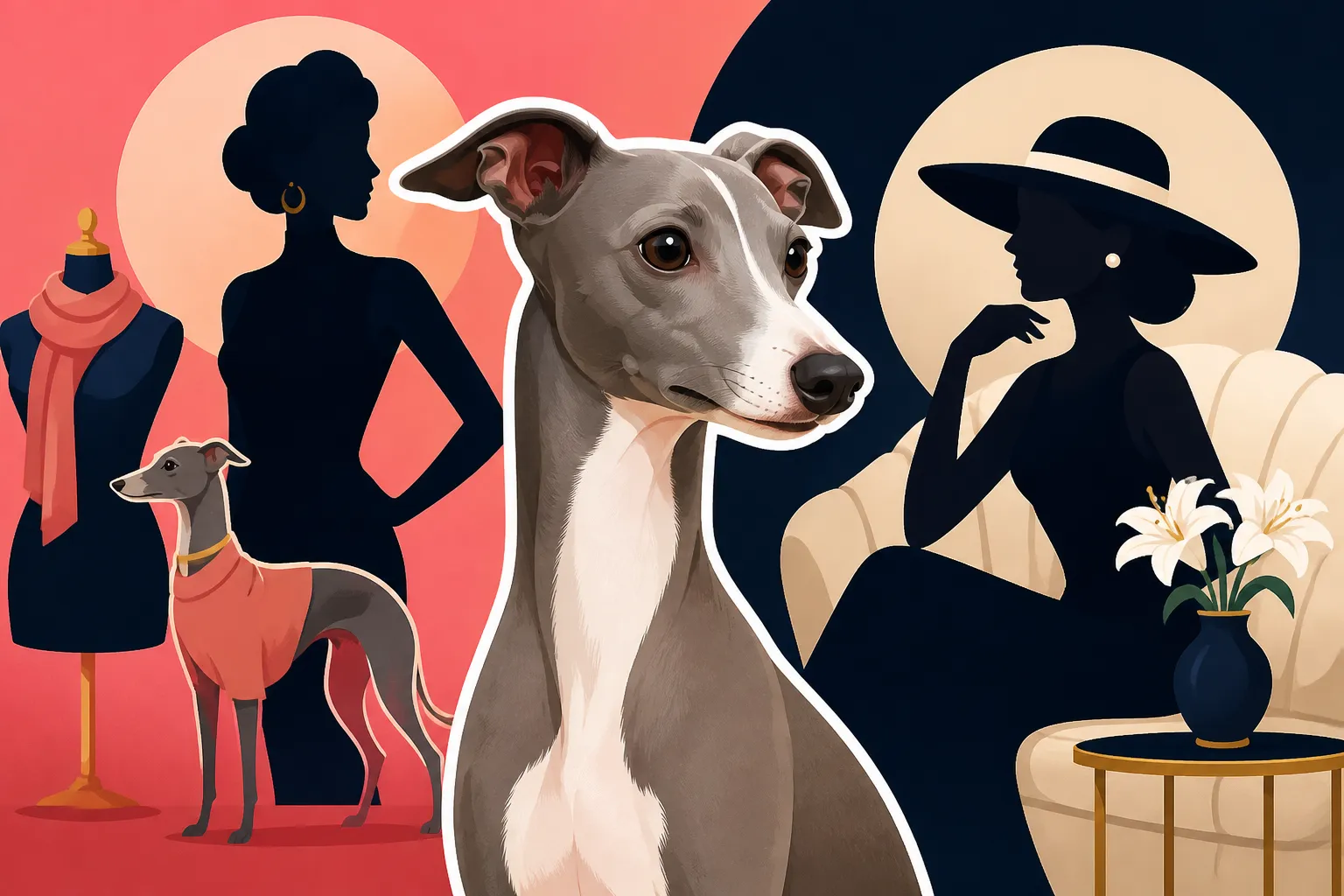
The Italian Greyhound certainly had the look that could attract fashion-conscious owners. Its narrow silhouette, tucked-up waist, delicate-looking legs, and smooth coat stood apart from heavier household dogs. In a drawing room or formal portrait, it could signal refinement without needing elaborate grooming or an imposing size. In that sense, it was naturally well suited to the image of a stylish companion.
But being admired by fashionable people does not automatically make a breed a mass-market fad. A dog can be fashionable in certain homes, cities, or social circles without becoming an everyday sight across the country. The Italian Greyhound’s American story fits that more limited pattern better than the idea of a huge national craze.
A European reputation that crossed the Atlantic
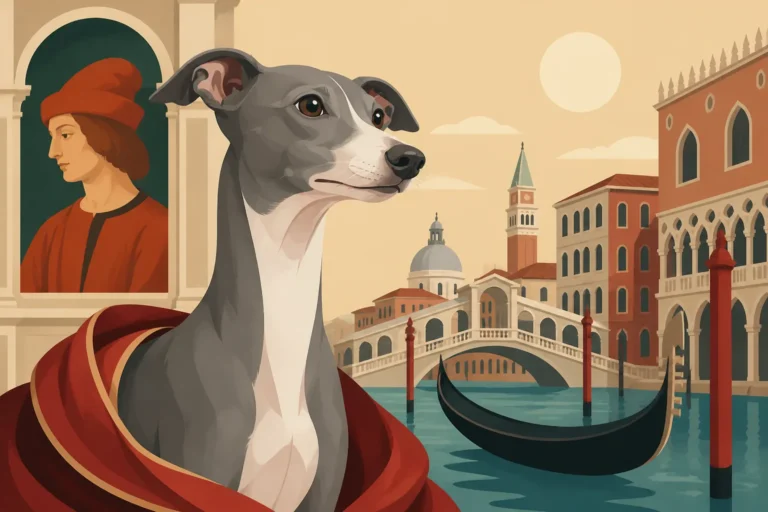
The breed’s elegant reputation did not begin in America. Italian Greyhounds had been associated with European courts, aristocratic households, and artistic portrayals long before American owners began keeping them. That history gave the dog a ready-made aura of delicacy and taste. Someone acquiring one in America was not inventing a new kind of status symbol so much as adopting a breed with an established European image.
That association helps explain why “fashionable” is a reasonable description, even when it should be used carefully. In a period when imported goods, European styles, and formal social presentation carried prestige, a small companion dog with an aristocratic reputation could fit neatly into an aspirational home. The Italian Greyhound was not just a pet to be admired; it could also reflect the owner’s ideas about beauty, gentility, and domestic life.
For more on that earlier image, The Italian Greyhound as a Victorian Status Dog explores how the breed’s social reputation developed. The American version of that story was shaped by local tastes and circumstances, but it drew on a much older European association between the dog and fashionable living.
The Italian Greyhound in American homes
A stylish companion rather than a widespread craze
The Italian Greyhound’s appeal in America was strongest as a companion dog. Its small size made it suitable for indoor life, and its close attachment to people suited households where dogs were treated as intimate members of the family. It could be admired for its outline and carried in a social setting, but it was also a living animal with ordinary needs: warmth, careful handling, exercise, and companionship.
That distinction matters because historical accounts often give the most attention to striking or socially prominent examples. A dog in a portrait or an account of an elegant household can make a breed seem more common than it actually was. The evidence of fashionable ownership can tell us that people valued the Italian Greyhound’s appearance, but it does not by itself show that the breed was common among American families.
It is therefore more accurate to say the breed had a fashionable presence in America than to describe it as a dominant American fashion craze. It was a recognizable choice for people drawn to refined companion dogs, but its appeal remained more selective than that of breeds that later became widely popular across many kinds of households.
Portraits, taste, and the limits of visual evidence
Portraits can offer clues about the way people wanted to present themselves. A sleek little dog beside a carefully dressed subject might suggest affection, wealth, leisure, or an interest in European style. Yet a painting or photograph cannot tell us how many families owned the breed, how difficult it was to find, or whether it was popular beyond the circles represented in the image.
That is especially important when looking at American art and family portraits. A dog may resemble an Italian Greyhound without being identified as one, and a fashionable animal in one image cannot stand in for the experience of a whole country. Whether Italian Greyhounds Appear in American Portraits looks more closely at what images can—and cannot—tell us about the breed’s place in American life.
A useful way to read these images is to ask two questions: what does the dog suggest about the owner’s taste, and what evidence exists beyond the image? The first question can reveal cultural meaning. The second helps prevent a single elegant portrait from becoming proof of a nationwide trend.
How American fashion shaped the breed’s image
The appeal of elegance and indoor companionship
The Italian Greyhound offered a very particular kind of elegance. It was not a large sporting dog brought into the home for work, nor a heavily coated breed whose presence announced itself through size and grooming. Its appeal lay in a fine outline and quiet closeness. For an owner who wanted a small dog that looked graceful indoors, the breed made sense.
The image also carried a practical side. Italian Greyhounds generally need close human company and warmth, and their short coats offer little protection in cold weather. Those traits may have suited a home-centered lifestyle, but they also meant the breed was not simply a decorative accessory. A fashionable dog still needed thoughtful daily care, especially in a climate where winters could be harsh.
Modern owners often discover that contrast quickly. A dog that looks polished in a portrait may need a coat for chilly walks and a warm resting place at home. Someone looking at clothing options through retailers such as Chewy should focus on fit and comfort rather than appearance alone; the narrow chest and long body can make ordinary dog apparel sit awkwardly.
Fashion does not explain every reason people chose the breed
It is tempting to explain the Italian Greyhound’s appeal purely through status. That misses the affection and companionship that have always been part of the breed’s identity. People may have admired the dog’s appearance, but they also valued its warmth, liveliness, and habit of seeking closeness. A fashionable reputation can draw attention to a breed; it does not explain the whole relationship between dog and owner.
The breed’s position alongside other sighthounds also shaped its image. It shared the streamlined look associated with Greyhounds and Whippets, but in a much smaller companion-dog form. The Italian Greyhound Against the Whippet and the Greyhound explains the distinctions among these breeds, which can be helpful when old descriptions use broad terms like “miniature greyhound” or treat the dogs as interchangeable.
For a modern family, that graceful appearance should not be mistaken for fragility-free living. Italian Greyhounds can be delicate in build, and safe handling and sensible home arrangements matter. The historical image of a refined parlor dog may look effortless, but responsible ownership has always involved more than choosing a dog that photographs beautifully.
How to judge whether it was truly a fashion dog
A balanced view of the evidence
The answer depends on how strictly “fashion dog” is defined. If it means a breed admired for elegance and kept by people drawn to fashionable companion animals, then yes: the Italian Greyhound had a meaningful place in American taste. Its European associations, distinctive outline, and suitability for indoor companionship made it an appealing choice in households that valued a refined image.
If the phrase means a breed that swept across America in a broad, short-lived craze, the case is much weaker. The existence of prominent owners, portraits, or fashionable associations does not establish that the breed became commonplace. Popularity can vary by region and social group, and historical visibility is not the same as widespread ownership.
| Question | What the evidence can suggest | What it does not prove |
|---|---|---|
| Did the breed have a fashionable image? | Its elegant appearance and European associations made it attractive to style-conscious owners. | That every owner chose it for status. |
| Did some Americans keep Italian Greyhounds as companions? | The breed had a place in American homes and social life. | That it was common in every region or household. |
| Do portraits show the breed’s cultural appeal? | Images can reveal how owners wished to present themselves. | The breed’s overall numbers or national popularity. |
| Was it a nationwide craze? | Its presence was real, but the evidence supports a more selective kind of fashion. | A sweeping mass trend comparable to a broad popular fad. |
A cautious conclusion is the most convincing one: the Italian Greyhound was fashionable in certain American settings, but it is hard to support the idea that it became a universal American fashion dog. Its reputation was more enduring and specific than a passing craze—an elegant companion admired by people who liked its distinctive look and close relationship with its owner.
The modern breed is more than its old-fashioned image
The fashionable image has lasted partly because the Italian Greyhound still looks distinctive. But today’s owners encounter the practical dog behind that image: one that may shiver, need patient housetraining, and thrive on close companionship. Those realities are part of the breed’s identity, not inconvenient footnotes to its appearance. Who the Italian Greyhound Actually Suits is a useful next read for anyone weighing whether the breed fits their home and routine.
The same practical perspective applies to caring for one. A sweater that looks charming but restricts movement is not a good choice, and a loose fit can be uncomfortable or unsafe. Chewy is one retailer owners may use to browse basic coats or bedding, but the key is to check measurements carefully and consider how the item feels on the individual dog. A snug, comfortable layer matters more than matching a historical image.
It also helps to remember that the breed’s appeal is not only visual. Italian Greyhounds are often happiest when they can stay near their people, relax somewhere warm, and enjoy gentle activity. Whether a person is drawn to the breed’s history, its elegant shape, or its affectionate nature, that everyday companionship is what turns admiration into a lasting relationship. For readers interested in the breed’s longer historical background, Where the Italian Greyhound Comes From provides a broader starting point, while The Renaissance Painters Who Put Italian Greyhounds in the Frame follows the visual tradition that helped make the dog seem timeless.
What the American fashion label gets right and wrong
The phrase gets one thing right: Italian Greyhounds have long attracted people who appreciate elegance, and that appeal found an audience in America. The dog’s European associations and striking silhouette made it a natural fit for fashionable homes and portraits. It was more than an anonymous household pet in those settings; its presence could contribute to an owner’s public image.
The label can mislead, though, if it suggests that the breed’s American history was mainly about status or that it became a sweeping national trend. A fashionable reputation does not tell the whole story of a breed’s popularity, and images of elite ownership cannot stand in for every community. The Italian Greyhound’s American history is better understood as a selective fashion than a national craze.
That distinction leaves room for both sides of the story. The breed could be admired as a stylish companion and genuinely loved as a household dog. Its elegant image may have opened doors, but its enduring place in people’s homes rests on much more than appearance.
Disclaimer
This article is for general informational purposes only and does not constitute professional advice. Laws, prices and regulations vary by location and change over time. Consult a qualified professional for guidance on your specific situation.