Whether a Seal Italian Greyhound Is Standard
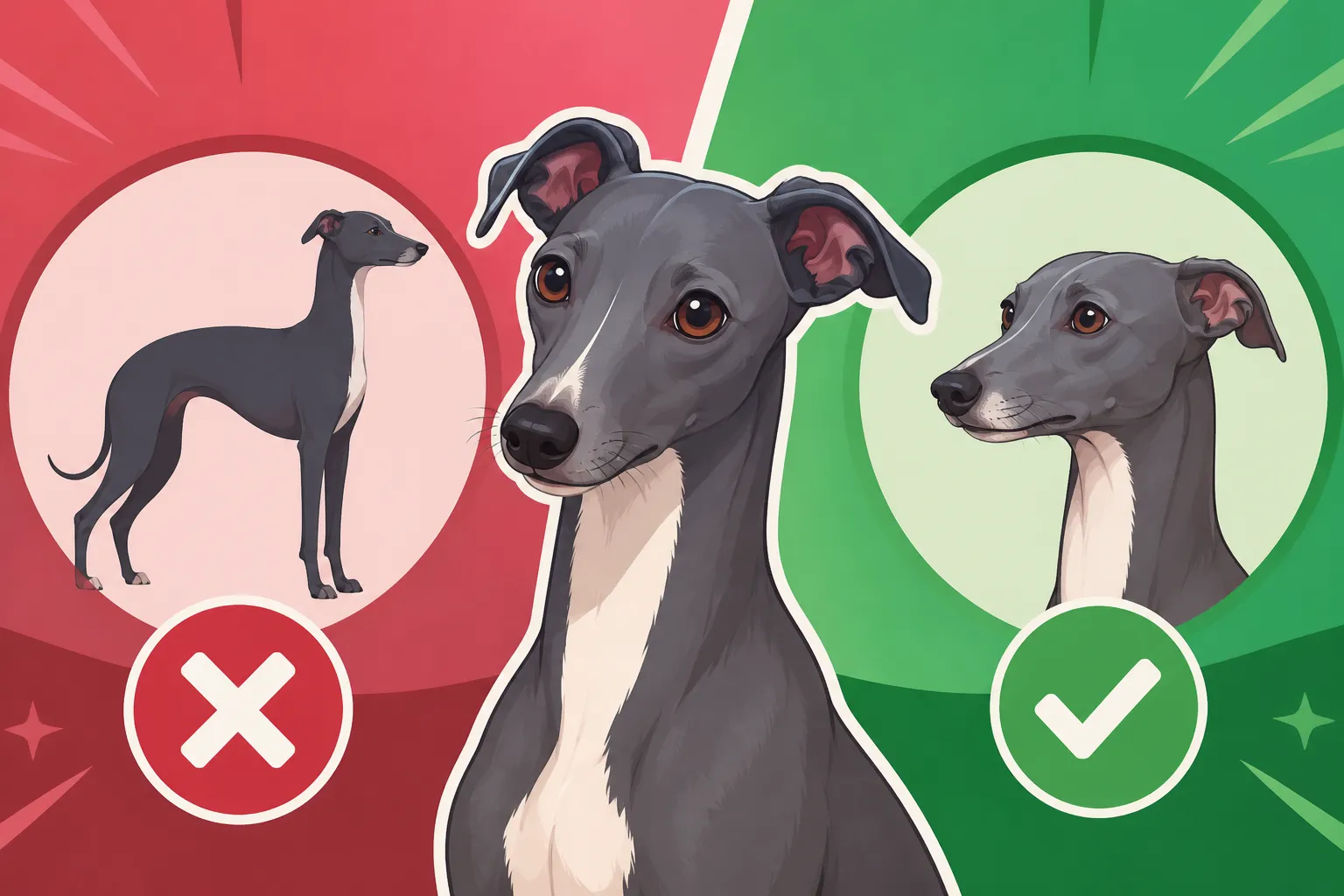
A seal Italian Greyhound can generally be shown under the American Kennel Club standard if its coat is solid and does not display prohibited brindle or black-and-tan markings. The tricky part is that “seal” is often a descriptive color label, not a separately named category in every breed standard. Here’s how to understand the distinction and what to check before buying, registering, or entering a dog in a show.
Is seal an accepted Italian Greyhound color
What the American Kennel Club standard says
The American Kennel Club standard allows Italian Greyhounds in any color, with brindle and black-and-tan markings excluded. That wording is broad: it does not provide a short, closed list of approved colors or name “seal” as its own category. A solid seal-colored dog is therefore generally considered acceptable under the AKC color rule, provided its markings do not fall into one of the prohibited patterns.
That answers the basic question, but a color name alone cannot settle every case. “Seal” is commonly used to describe a very dark coat that may look black in some lighting and brownish, warm, or reddish in other lighting. People may use the term differently, and the shade can be hard to judge from a puppy photo or under indoor lighting.
If you are considering showing a particular dog, focus on the coat you can actually see rather than relying only on a breeder’s label. Check the dog in natural light, look for any distinct tan points or brindle striping, and ask the breeder how the color is recorded. For a show-entry decision, a breed-club representative or experienced judge can help interpret the standard in context.
For a broader look at accepted and excluded colors, see Every Color an Italian Greyhound Is Allowed to Be and Which Colors an Italian Greyhound Comes In.
Why “seal” may not appear as a formal color name
Dog-color vocabulary is not always consistent between breeders, registries, and everyday conversation. A breeder may call a dog seal because that label best describes its appearance, while a registration form may ask for a different color description or offer a limited set of choices. A seller’s wording is not necessarily an official determination of show eligibility.
A dark seal coat can also be mistaken for black, especially in a dim room or in photographs with strong contrast. Conversely, a black dog may show warm highlights in sunlight without those highlights making it seal. The appearance of a coat can shift with lighting, age, and the way a photo is edited, so a screen image is not a reliable way to make a final color judgment.
When the exact term matters, ask for the color designation used on the dog’s registration paperwork and ask whether the breeder means a solid coat. If you are buying a puppy, this is a reasonable question—not nitpicking. It helps avoid confusion later if you plan to enter conformation shows or compare the dog with a specific registry’s rules.
How seal differs from prohibited markings
The important distinction is between a coat that is simply a dark or unusual solid shade and one that has a prohibited pattern. Brindle refers to a striped or streaked pattern in the coat. Black-and-tan refers to a black coat with distinct tan markings in characteristic areas, rather than a dark coat with warm undertones.
Those differences can be subtle in a young puppy. Brindle striping may be easier to see in some lighting than others, and tan markings should not be confused with reflections, shadow, or natural color variation. If you are uncertain, take clear photographs in daylight and ask someone familiar with Italian Greyhound color and conformation to look at the dog in person.
The related rules are explained in Why Brindle Disqualifies an Italian Greyhound and Whether a Black and Tan Italian Greyhound Can Be Shown. The key point is that a label such as “seal” does not automatically make a dog ineligible; the actual coat pattern and the applicable registry standard matter.
How standards and registry wording can differ
AKC and international standards do not use identical language
Breed standards are written by different organizations, and their color descriptions are not always interchangeable. The AKC wording is broad, allowing any color other than the specified exclusions. Other registries may describe accepted colors using particular terms or groupings, which can make the same dog’s shade sound different on paperwork or in a show conversation.
For example, an international standard may use color terms such as black, grey, or isabella and describe shades within those categories. That does not mean every country has a special “seal” category, nor does it mean that a breeder’s color label automatically maps neatly onto a registry’s terminology. When the rules are specific, the organization running the event is the authority on how an entry is classified.
If you live in one country and are considering a dog bred or registered in another, check the standard that applies where you intend to show. Do not assume that a color name used in a breeder’s advertisement will be accepted as the official registry description. How Italian Greyhound Standards Differ Between Countries is useful background if you are comparing rules across borders.
Show eligibility is not the same as registration wording
A dog’s registration documents may use one color term while a show discussion uses another. That difference does not necessarily mean anything is wrong. Registration systems need a way to identify a dog, while conformation judging assesses the whole dog against the relevant standard, including structure, movement, coat, and markings.
It is also worth separating eligibility from preference. If a color is permitted, that does not mean the dog will win a class; color alone does not establish quality. A judge evaluates the dog’s overall conformation and how well it represents the breed. An eligible seal dog can be a lovely companion and a sound example of its breed even if it is never shown.
If showing matters to you, ask the breeder which registry’s rules they are referring to, how the puppy will be registered, and whether they see any markings that could complicate an entry. A careful breeder should be willing to explain the difference between their descriptive color label and the formal wording used by the registry.
| Question | Practical answer |
|---|---|
| Is seal a separately named AKC color category? | The AKC standard uses broad color wording and does not list seal as a separate named category. |
| Can a solid seal Italian Greyhound generally be shown under AKC rules? | Generally yes, if it does not have prohibited brindle or black-and-tan markings and meets the rest of the standard. |
| Does every registry use the same color terminology? | No. Check the standard and entry rules for the registry and country where the dog will be shown. |
| Is a breeder’s color label enough to confirm show eligibility? | No. Consider the dog’s actual coat and markings, and seek guidance if the classification is uncertain. |
| Does an unusual color name indicate a health problem? | Not by itself. Color labels alone do not establish a dog’s health or predict its overall quality. |
How to assess a seal coat in real life
Look at the dog in natural light
If you are trying to decide whether a dog truly looks seal, examine the coat outdoors in soft daylight rather than relying on a single indoor photograph. Avoid judging color under a strong yellow lamp, in deep shade, or from a heavily edited image. If possible, look at the dog from several angles and check whether its coat appears consistently solid.
Photos can be useful, but ask for more than one. A side view and a close view of the coat can help reveal markings, while a short video in daylight may show how the color changes as the dog moves. If you are buying from a distance, ask the breeder to describe what they see in person and to clarify whether “seal” is their informal description or the color recorded on paperwork.
A puppy’s coat can also look different as it matures, so do not treat an early photograph as a permanent color guarantee. If the future show status of the dog matters to you, discuss that before committing rather than assuming that a particular label promises a particular outcome.
Ask focused questions rather than relying on a color claim
A useful conversation with a breeder can be straightforward. Ask what color appears on the registration paperwork, whether the puppy has any brindle or tan markings, which registry’s standard they have in mind, and whether they believe the dog is eligible for conformation showing under that registry. These questions are more informative than simply asking whether the puppy is “rare.”
Be cautious if a seller makes a dramatic claim about a color being uniquely valuable or guaranteed to win. A color name is not a substitute for health information, responsible breeding, or a sound temperament. If a puppy’s color is a major selling point, ask for the same details you would request for any puppy: health screening information, the parents’ backgrounds, and a clear explanation of the contract and registration terms.
Online shopping can create another small point of confusion: product color names are not breed-standard classifications. If you are browsing Chewy for a sweater or coat, use the dog’s measurements and the garment’s fit notes rather than expecting the product’s shade name to match the terminology a breeder uses. A retail color label describes the item, not the dog’s eligibility.
What seal color does and does not tell you
Coat color alone does not determine health
A seal coat is a description of appearance, not a health diagnosis. You cannot reliably judge a dog’s health, temperament, or breeding quality by color alone. Ask about health testing and family history, and arrange appropriate veterinary care regardless of whether the dog is seal, blue, fawn, or another color.
Some color-related conditions are associated with particular pigmentation patterns, but that does not mean every dark-colored dog has a problem or that a color label can predict an individual dog’s future. The best approach is to separate appearance from evidence: ask what health screening was performed, what the results were, and whether the breeder can explain any relevant risks in the family line. See Whether Coat Color Predicts an Italian Greyhound's Health for more on that distinction.
Coat color also does not tell you how warmly an Italian Greyhound needs to be dressed. These dogs are lean, fine-coated, and often appreciate warmth, but fit, weather, activity, and the individual dog matter more than the name of its coat color. When comparing clothing at Chewy or elsewhere, check the chest and back measurements and make sure the garment allows the dog to move comfortably.
Make the choice for the dog, not the label
It is understandable to be drawn to a distinctive color, especially when breeders use appealing descriptions such as seal, blue, or cream. Just keep the color in perspective. A good match depends on the dog’s health, temperament, breeder practices, and the care you can provide—not on whether a particular shade sounds uncommon.
For a show prospect, get the registry question answered before you purchase. For a companion, color terminology may matter far less than the puppy’s socialization, the breeder’s transparency, and whether an Italian Greyhound fits your home and routine. If you simply love the look of a seal coat, enjoy that preference while still asking the practical questions that protect both you and the dog.
When buying everyday supplies, the same principle applies: choose based on function. A well-fitting harness, warm layers, and comfortable bedding matter more than whether a product listing calls a shade “seal.” Chewy can be one place to compare basic pet supplies, but product descriptions should not be confused with official breed-standard language.
Disclaimer
This article is for general informational purposes only and does not constitute professional advice. Laws, prices and regulations vary by location and change over time. Consult a qualified professional for guidance on your specific situation.