Sunburn on a Bald Italian Greyhound
That warm sunshine feels so good after a long winter, and you just want to let your Italian Greyhound bask in it, but the reality is their delicate skin is incredibly vulnerable to sunburn. It's a common worry for many Iggy owners, and this guide is here to shed light on why these beautiful dogs are so susceptible, how to recognize the signs of sunburn, and most importantly, equip you with practical strategies to protect your beloved companion from harmful UV rays.
Understanding Why Italian Greyhounds Are Prone to Sunburn
Italian Greyhounds, with their sleek, short coats and minimal body fat, are absolutely exquisite creatures. But these very characteristics that make them so unique and beloved also place them at a significantly higher risk for sunburn compared to many other breeds. It’s not just about a temporary discomfort; repeated sunburns can lead to more serious, long-term health issues for your sensitive companion.
The Thinness of Their Coat and Skin
If you've ever felt the skin of an Italian Greyhound, you know how fine and delicate it truly is. Unlike breeds with thick double coats or dense fur, Iggies have a single layer of very short, fine hair that offers little to no protection against the sun's harsh ultraviolet (UV) radiation. It's almost like they're wearing a sheer silk scarf when everyone else has a winter coat. Their skin, too, is incredibly thin and lacks the protective subcutaneous fat layers that might offer a small buffer in other breeds. This combination means that UV rays penetrate easily, leading to damage far quicker than you might expect.
Think about how easily your own skin burns if you're fair-skinned and forget sunscreen; it's a very similar principle for our Italian Greyhounds. Areas that are particularly sparse, like their bellies, inner thighs, ears, and the bridge of their nose, are almost like exposed human skin. Even their backs, which seem to have more coverage, still have very little to truly shield them. This vulnerability is a constant concern for owners, especially during peak sun hours or extended outdoor activities. For instance, when your Italian Greyhound rolls over for a belly rub in a sunbeam, that exposed abdomen is absorbing a lot more UV than you might realize. This is also why an Italian Greyhound carries almost no body fat, making their skin even more exposed to the elements.
Light Pigmentation and Genetic Factors
Just like humans, dogs with lighter skin and coat colors are more susceptible to sunburn because they have less melanin, the pigment that helps protect against UV radiation. Many Italian Greyhounds come in beautiful light shades like fawn, cream, or blue, which unfortunately put them at a disadvantage when it comes to sun exposure. Even a black Italian Greyhound isn't entirely immune, as their skin underneath can still be quite fair, and their thinly haired areas remain exposed.
Consider which Italian Greyhound colors sunburn fastest; generally, the lighter the coat, the higher the risk. A pale fawn or cream Iggy will typically show signs of sunburn much quicker than a darker blue or black one, though all are at risk given their sparse coats. Beyond just color, some Italian Greyhounds might have even sparser hair due to conditions like Color Dilution Alopecia in a Blue Italian Greyhound, which further compromises their natural protection and necessitates even greater vigilance when outdoors. It's a cruel irony that some of their most beautiful coat variations can also be a health liability in the sun.
Identifying the Signs of Sunburn on an Italian Greyhound
Knowing your Italian Greyhound is susceptible to sunburn is one thing, but actually spotting the signs can sometimes be tricky. Their stoic nature often means they don't always vocalize discomfort until it's significant, so it's up to us, their attentive owners, to be proactive and recognize the subtle clues. Catching sunburn early can prevent it from worsening and causing more severe issues.
Visual Cues and Skin Changes
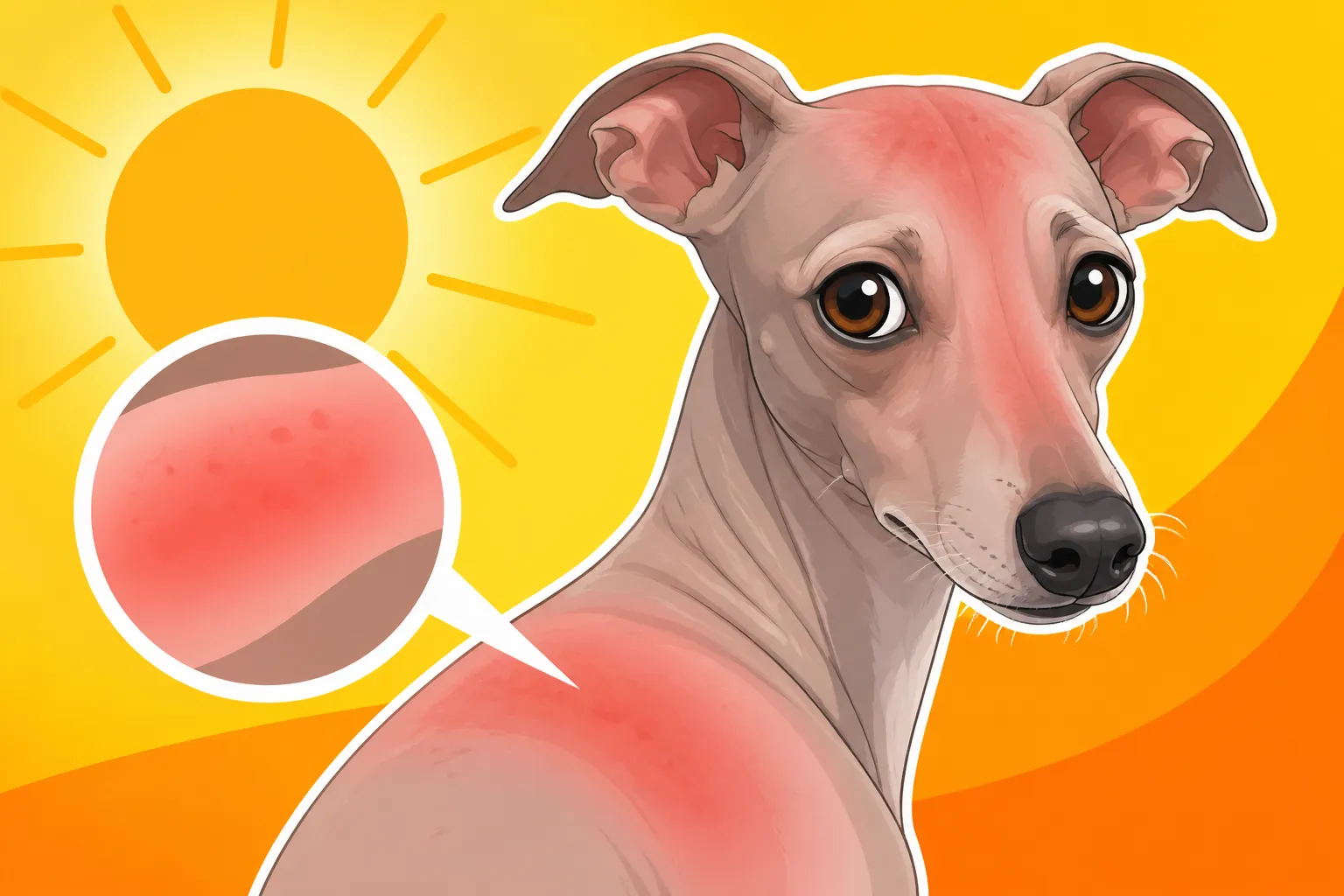
The most obvious signs of sunburn on an Italian Greyhound will mirror what you see on human skin. Look for redness on exposed areas such as the bridge of the nose, ear tips, belly, inner thighs, and anywhere their fur is particularly thin. The skin might appear inflamed, warm to the touch, and in more severe cases, you might even see blistering, peeling, or crusting. These are clear indicators of significant UV damage and warrant immediate attention.
Initially, the redness might be subtle, especially on a pink-skinned Iggy. It could simply look like a slight flush. However, over the next few hours to a day, it typically intensifies. You might notice their skin feels unusually tight or sensitive. Sometimes, the area might even look a bit purplish or dark if the burn is quite severe. It's essential to examine them gently, as touching a sunburnt area can be painful. Remember how easily an Italian Greyhound's skin tears, so any prolonged irritation or weakening of the skin barrier from sunburn can make them even more prone to secondary skin issues.
Behavioral Indicators of Discomfort
Beyond the visual signs, your Italian Greyhound might display behavioral changes that signal discomfort from sunburn. They might become more lethargic, seek out shady or cooler spots indoors, or shy away from being petted, particularly on the affected areas. Excessive licking or scratching at a specific spot could also be a clue that their skin is irritated and painful.
If the sunburn is extensive or severe, your Iggy might even show signs of heatstroke, though this is less common with just sunburn alone and usually occurs with prolonged, intense heat exposure. They might pant excessively, drool, or appear generally unwell. A mild sunburn might just make them a bit grumpier or more subdued, preferring to curl up under a blanket even if the room temperature an Italian Greyhound is comfortable at typically doesn't warrant it. Any deviation from their normal energetic self after sun exposure should prompt a thorough skin check. Pay close attention to their ear tips, which are often the first to burn and can be quite painful.
Preventing Sunburn: Practical Strategies for Italian Greyhound Owners
Preventing sunburn on your Italian Greyhound is far easier, and certainly less painful, than treating it. Given their delicate nature, a proactive approach is absolutely essential to ensure their long-term health and comfort. There are several effective strategies you can employ to create a sun-safe environment for your beloved Iggy.
Timing Outdoor Activities Strategically
One of the simplest yet most effective ways to prevent sunburn is to adjust when you and your Italian Greyhound spend time outdoors. The sun's UV rays are strongest between 10 AM and 4 PM. During these peak hours, it’s best to keep your Iggy indoors or ensure they have access to ample shade if they must be outside. Early morning or late afternoon walks are not only cooler and more comfortable but also significantly reduce their exposure to intense sunlight.
Think of it like planning your own beach day – you wouldn't go out without protection during midday, and your Iggy needs the same consideration. Even on cloudy days, UV rays can penetrate the clouds, so don't let a bit of overcast sky lull you into a false sense of security. Always consider how an Italian Greyhound handles summer heat, and understand that sun exposure goes hand-in-hand with heat risk. A quick potty break is fine, but extended play or lounging in the sun during prime hours should be avoided.
Protective Clothing and Accessories
Specialized dog clothing designed for UV protection can be a game-changer for Italian Greyhounds. Lightweight, breathable shirts, full-body suits, or even simply a fitted Italian Greyhound sweater made from UV-resistant fabric can provide an excellent barrier against the sun. These garments cover large areas of their body, significantly reducing the risk of sunburn, especially on their back and sides.
When choosing clothing, ensure it's comfortable, allows for full range of motion, and doesn't cause overheating. Look for materials with a UPF (Ultraviolet Protection Factor) rating, similar to human swimwear. Don't forget their heads and ears! Dog-friendly hats or snoods can protect those delicate ear tips and the bridge of their nose. Even a simple bandana can offer some shade to their neck. While you might associate Italian Greyhound clothing more with warmth, its use for sun protection is equally vital. For particularly sensitive areas like the nose, consider a small dab of pet-safe zinc oxide ointment, but consult your vet first to ensure it's safe if ingested.
Dog-Specific Sunscreen Application
Yes, there's such a thing as dog-safe sunscreen! Just like humans, dogs can benefit from topical sun protection. It's especially useful for those areas that can't be easily covered by clothing, such as the nose, ear tips, and any areas where the fur is exceptionally sparse or non-existent. Always use a sunscreen specifically formulated for pets, as human sunscreens often contain ingredients (like zinc oxide or para-aminobenzoic acid/PABA) that can be toxic if ingested by dogs.
When selecting a sunscreen, look for products that are fragrance-free, non-toxic, and broad-spectrum. Apply it generously about 15-20 minutes before going outside to allow it to absorb. Reapply every few hours, especially if your Iggy has been swimming or is very active. Pay particular attention to which Italian Greyhound colors sunburn fastest, as these may need extra attention. If you're unsure which product to use or where exactly to apply it, always have a chat with your veterinarian. They can recommend a suitable brand and application technique. For instance, brands like Epi-Pet Sun Protector or My Dog Nose It are often vet-recommended and considered safe for canine use.
Creating Shady Retreats
Beyond clothing and sunscreen, ensure your Italian Greyhound always has access to ample shade when outdoors. This might mean setting up an umbrella in the yard, using a pop-up tent at the beach or park, or simply limiting their time to areas with natural shade from trees or buildings. Providing multiple options means they can choose the coolest, most protected spot themselves.
Even if you’re only outside for a short period, having a designated shady spot can make a world of difference. Remember that the sun shifts throughout the day, so what was shady an hour ago might now be exposed. Monitor the sun's position and adjust your Iggy's resting area as needed. Indoors, consider drawing curtains or blinds in rooms where direct sunlight streams in, especially if your Italian Greyhound loves to nap in sun puddles. While a little sun is fine, prolonged exposure through a window can still lead to overheating and, over time, potential skin damage.
Treating Sunburn and When to Seek Veterinary Care
Even with the best preventative measures, sometimes a sunburn can happen. Knowing how to react quickly and appropriately is crucial for your Italian Greyhound's comfort and recovery. While mild sunburns can often be managed at home, severe cases require immediate professional attention.
Immediate Home Care for Mild Sunburn
If you notice a mild sunburn on your Italian Greyhound, the first step is to get them out of the sun immediately. Gently cool the affected skin with a damp, cool (not cold!) compress. A towel dampened with cool water, applied to the burnt area for 5-10 minutes at a time, can help soothe the skin and reduce inflammation.
Avoid rubbing the skin, which can cause further irritation. You might also apply a small amount of pure aloe vera gel (ensure it’s 100% pure, without any additives or lidocaine, which can be toxic if ingested) to the area. This can provide a cooling sensation and promote healing. Keep a close eye on your Iggy, offering plenty of fresh water to ensure they stay hydrated. For their comfort, keep them indoors in a cool, quiet environment for the next few days. Remember what to keep in a first aid kit for an Italian Greyhound, as it should include items for minor skin irritations. It's always a good idea to monitor for signs of infection, such as increased redness, swelling, pus, or foul odor.
When to Consult Your Veterinarian
While home remedies are suitable for very mild cases, certain signs indicate that veterinary intervention is necessary. If your Italian Greyhound's sunburn is severe – characterized by blistering, peeling skin, open sores, or significant pain – do not hesitate to contact your vet immediately. Also, if your Iggy seems generally unwell, is lethargic, has a fever, or is vomiting, these could be signs of a more serious issue like heatstroke or a secondary infection.
A vet can assess the severity of the burn, prescribe appropriate pain relief, anti-inflammatory medications, or antibiotics if an infection is present. They may also apply specialized dressings to protect the healing skin. Never try to pop blisters or peel skin yourself, as this can introduce bacteria and worsen the situation. Prompt veterinary care can prevent complications and ensure your Italian Greyhound heals properly. If an emergency arises, having pet insurance like Healthy Paws can be incredibly beneficial in covering unexpected treatment costs for severe sunburn or related complications, giving you peace of mind to focus on your pet's recovery. Even if it's just a consultation for peace of mind, it's always better to be safe than sorry, especially with their delicate skin. When in doubt, a quick call to your veterinarian is always the best course of action.
Long-Term Concerns and Regular Check-ups
Repeated sunburns aren't just a fleeting discomfort; they can have serious long-term consequences for your Italian Greyhound's health, including an increased risk of squamous cell carcinoma and other forms of skin cancer. Just as with humans, sun damage is cumulative. This is why consistent prevention and vigilance are so vital throughout your Iggy's life.
During your Italian Greyhound's annual check-up, ask your vet to pay close attention to their skin, especially on commonly exposed areas. Regularly performing your own checks at home, looking for any new lumps, bumps, discolorations, or scabs, can also help catch potential issues early. Early detection of skin cancers, for example, can significantly improve the prognosis. Companies like Healthy Paws often cover conditions like skin cancer, provided it's not a pre-existing condition, underscoring the importance of preventative care and routine wellness exams. Staying proactive with your Italian Greyhound's health, including diligent sun protection and regular veterinary visits, will contribute significantly to them living a long, healthy, and happy life.
| Sun Protection Method | Description | Pros | Cons | Best Use Case |
|---|---|---|---|---|
| Timing Outdoor Activities | Avoiding peak sun hours (10 AM – 4 PM). | Free, effective, reduces heat exposure. | Limits outdoor playtime during midday, requires schedule adjustment. | Everyday walks, potty breaks. |
| Protective Clothing | UV-blocking shirts, suits, or hats made for dogs. | Excellent physical barrier, covers large areas, stylish options available. | Can be an added cost, some dogs might resist wearing clothes, potential for overheating in very hot weather. | Extended outdoor adventures, sensitive skin areas. |
| Dog-Safe Sunscreen | Topical cream or spray specifically formulated for pets. | Targeted protection for exposed skin (nose, ears, belly). | Requires frequent reapplication, risk of ingestion (must be pet-safe), can be messy. | Areas not covered by clothing, very high sun exposure. |
| Providing Shade | Utilizing natural shade (trees) or creating it (umbrellas, tents). | Natural, comfortable, passive protection. | Limited by available resources, shade shifts, not always portable. | Yard time, park visits, outdoor dining. |
Disclaimer
This guide offers general information and recommendations regarding Italian Greyhound care and health. It is not a substitute for professional veterinary advice. Always consult with a qualified veterinarian for any health concerns or before making any decisions about your pet's medical care.