Whether an Italian Greyhound Is Expensive to Own
One of the most common worries people have when considering bringing an Italian Greyhound into their lives is the cost. It's not just about the initial puppy price; these delicate, sensitive dogs often come with unique financial considerations that can catch new owners by surprise. This guide will thoroughly explore the various expenses involved in Italian Greyhound ownership, from upfront investments to daily care and unexpected health challenges, helping you understand the full financial picture.
The Upfront Investment: More Than Just the Puppy Price
Bringing an Italian Greyhound home is rarely a spur-of-the-moment decision, and for good reason. The initial outlay extends far beyond the price you pay for the dog itself, encompassing everything from how you acquire them to making your home a safe haven. It's about being prepared for the journey ahead.
Breeder vs. Rescue Costs
The path you choose to acquire your Italian Greyhound will significantly impact your initial costs. If you're looking for a puppy, a reputable breeder is often the first stop, and their prices reflect the immense work, health testing, and care that goes into producing healthy, well-socialized puppies. These breeders invest in genetic screenings, proper nutrition for the dam and pups, early socialization, and often begin preliminary vet care. They also provide ongoing support for the lifetime of your dog. You'll want to understand What an Italian Greyhound Puppy Costs From a Breeder and what that price includes. Always be wary of unusually low prices, as these can often signal a lack of proper care or health testing, which can lead to far greater costs down the line.
On the other hand, adopting from an Italian Greyhound rescue organization is another fantastic option. While the adoption fee is typically lower than a breeder's puppy price, it's important to remember that rescue dogs often come with their own set of initial expenses. Many rescues will cover spay/neuter, vaccinations, and microchipping, and sometimes even address pre-existing medical conditions before adoption. However, an older rescue dog might need immediate dental work or have other chronic conditions that weren't fully treated. It’s valuable to understand What Adopting an Italian Greyhound Costs and what that fee actually covers. Regardless of the route you take, prepare for an initial financial commitment that sets the foundation for your dog's future well-being.
Initial Supplies and Vet Care
Once your Italian Greyhound is coming home, there's a shopping list that's often longer than you'd expect. Essential items include a secure harness (as their delicate necks make collars risky), a leash, food and water bowls, a comfortable bed, and age-appropriate toys. Given their lean build and minimal body fat, a warm coat or sweater is essential even indoors for many Iggys, and definitely for any outdoor excursions. Don't forget nail clippers or a Dremel, and a soft toothbrush and dog-specific toothpaste to start good dental hygiene habits early. Many new owners find themselves making a significant first order through retailers like Chewy to get all the basics.
Beyond the material items, initial veterinary care is paramount. If you've adopted a puppy, they'll need their full course of puppy vaccinations, deworming, and potentially a microchip if the breeder or rescue hasn't already provided it. Even a fully vaccinated adult dog will need a comprehensive check-up soon after arrival to establish care with your chosen veterinarian. This first visit is crucial for a baseline health assessment and to discuss preventative care, like flea, tick, and heartworm medication. These initial vet visits and preventative treatments add up, but they are non-negotiable for a healthy start.
Setting Up a Safe Home
Italian Greyhounds, with their fragile bones and penchant for climbing, require a home environment that's thoughtfully set up to prevent accidents. This often means more than just child-proofing. Ramps or steps for furniture like sofas and beds are practically mandatory to prevent catastrophic injuries from jumps, especially in young Iggys whose growth plates are still soft. Setting Up a House an Italian Greyhound Cannot Break a Leg In is an investment, but a critical one. Smooth, slippery floors like hardwood can also be a hazard, leading to slips and falls, so consider runners or area rugs in high-traffic areas where your Iggy might get zoomies.
Gates are often necessary to block off stairs or areas where your Iggy might be tempted to jump from heights or get into trouble. Because they are so thin-skinned, it’s important to inspect your home for any sharp edges on furniture or anything they might snag themselves on. Investing in these preventative measures upfront might seem like a lot, but it pales in comparison to the emotional and financial cost of an emergency vet visit for a broken leg. This proactive approach to safety is a defining characteristic of responsible Italian Greyhound ownership.
Ongoing Monthly and Annual Expenses: The Daily Reality
Once the initial flurry of getting your Italian Greyhound settled is over, you'll slide into a routine of regular, predictable costs that form the bedrock of their care. These are the expenses you'll budget for week in and week out, year after year.
Food and Treats
Despite their svelte appearance, Italian Greyhounds need good quality nutrition to thrive. The good news is that because they are small dogs, their food consumption is relatively low compared to larger breeds. A premium small-breed kibble or a well-balanced fresh food diet is ideal. Brands like Ollie offer fresh food options that can be appealing to picky eaters, but it's important to weigh the cost against traditional kibble. You'll be surprised to learn What an Italian Greyhound Eats in a Month – it's often less than you'd imagine. However, don't skimp on quality; good food contributes to their overall health and can prevent certain health issues down the line.
Treats are also an ongoing expense, used for training, enrichment, or just as a way to show affection. Choose treats that are small, digestible, and low in calories to avoid unwanted weight gain, as even a little extra weight can stress their delicate bone structure. Remember, any diet changes should be gradual to avoid stomach upset, as some Iggys can have sensitive digestive systems. Factor in supplements if your vet recommends them, although for most healthy Iggys on a balanced diet, they aren't strictly necessary until later in life.
Routine Veterinary Care and Prevention
Even the healthiest Italian Greyhound will need regular check-ups to ensure they remain in top condition. Annual wellness exams are crucial for early detection of any potential health concerns. During these visits, your vet will perform a thorough physical examination, check their weight, discuss vaccinations, and update preventative medications. What an Italian Greyhound's Annual Checkup Costs can vary by location and clinic, but it's a foundational expense.
Beyond the annual exam, you'll have ongoing costs for flea, tick, and heartworm prevention. Given their thin skin and sparse coat, these tiny parasites can be particularly irritating and lead to serious health issues. Most owners opt for monthly oral medications or topical treatments. As Italian Greyhounds age, they may require more frequent vet visits or specific age-related screenings. Regular communication with your vet, especially one experienced with sighthounds, is key to managing these costs effectively and keeping your Iggy healthy.
Keeping Them Warm and Comfortable
This isn't just a winter job; Keeping an Italian Greyhound Warm Is Daily Work, Not a Winter Job. Due to their low body fat and thin coats, Italian Greyhounds are incredibly sensitive to cold. This means you'll spend more on heating your home to a comfortable temperature for them, or investing in numerous cozy sweaters, fleeces, and pajamas for indoor wear. Outdoor excursions in cooler weather will necessitate multiple layers, perhaps even a snood or boots depending on the climate. These aren't just fashion statements; they are essential for their comfort and health.
Beyond clothing, comfortable bedding is paramount. Italian Greyhounds love to burrow, so multiple soft blankets and beds are a must. Orthopedic beds can be a good investment, especially as they age, to protect their delicate joints and bony prominences from pressure sores. You might even consider a heated bed or mat for colder months, as they truly thrive in warmth. While these items represent an ongoing expense, they are crucial for providing the quality of life an Italian Greyhound needs to feel secure and content.
Unforeseen but Common Major Costs: The Italian Greyhound Reality Check
This is where the true cost of Italian Greyhound ownership often hits home. While all dogs can have unexpected medical emergencies, Iggys have a few breed-specific predispositions that can lead to significant, often recurring, expenses. Being aware of these potential costs is vital for responsible ownership.
The Inevitable Broken Leg
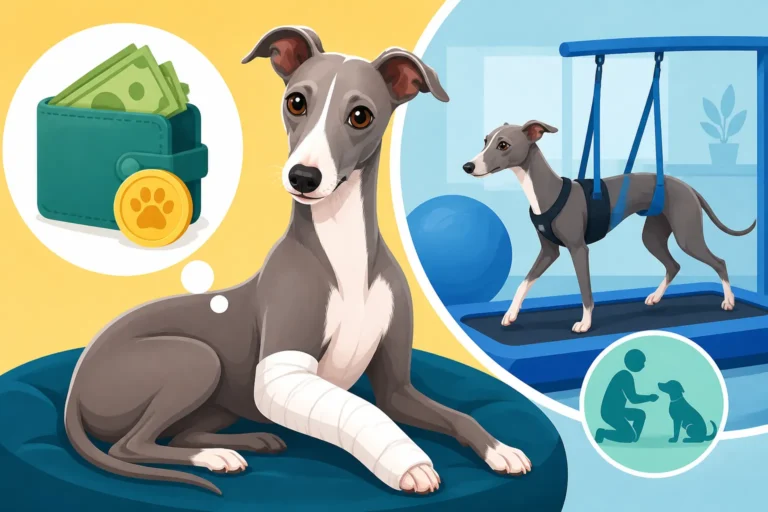
This is the dreaded financial monster for many Italian Greyhound owners. Their fine, delicate bones, particularly the radius and ulna in their front legs, are notoriously fragile. A simple jump off a sofa, a misstep during play, or even being accidentally dropped can lead to a severe fracture. It's not a matter of if, but often when, for many Iggys, and Why a Broken Leg Is the Biggest Bill an Italian Greyhound Owner Gets is an unfortunate reality. The cost of fracture repair, which almost always requires specialist orthopedic surgery with plates and pins rather than just a cast, can be astronomical.
After surgery, there's the cost of post-operative care, including pain medication, crate rest, regular vet checks, and potentially physical therapy. Recovery is a long and arduous process, both for the dog and the owner. Some dogs may even require a second surgery if the first repair fails or if complications arise. This is why having an emergency fund or robust pet insurance is not a luxury, but a necessity for this breed.
Lifelong Dental Care
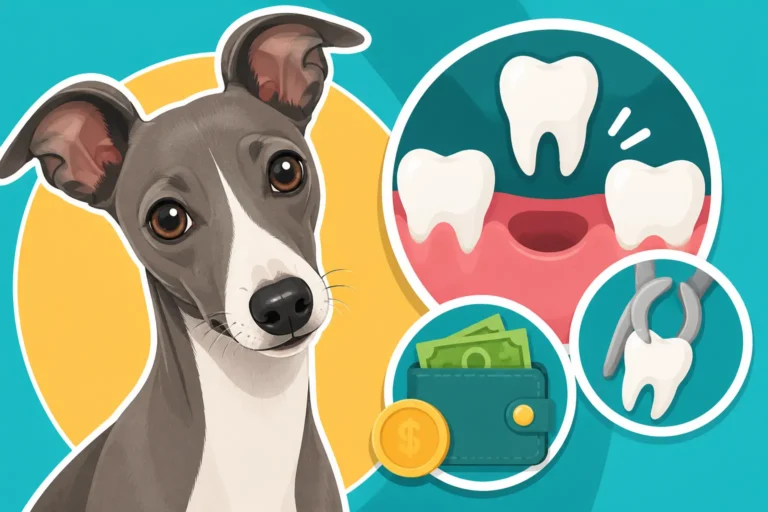
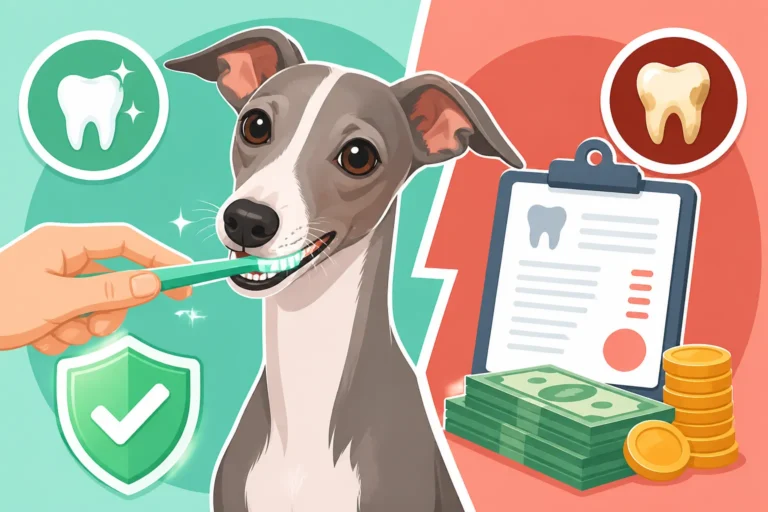
Italian Greyhounds are notorious for poor dental health. Their long, narrow muzzles and crowded teeth create a perfect breeding ground for tartar and plaque buildup, leading to periodontal disease. This isn't just a cosmetic issue; severe dental disease can lead to painful infections, tooth loss, and even impact their overall health by affecting major organs like the heart and kidneys. Dental Work Repeats Every Year of an Italian Greyhound's Life for many. Regular professional dental cleanings under anesthesia are often required annually, sometimes even more frequently.
These dental procedures involve scaling, polishing, and often extractions of diseased teeth, all of which add to the cost. Pre-anesthetic bloodwork is also a standard safety measure for all dental procedures. While daily brushing at home can help slow the progression of dental disease, it rarely eliminates the need for professional cleanings entirely. Understanding Why an Italian Greyhound's Teeth Crowd helps you appreciate why this is such a persistent problem for the breed and why proactive dental care, though expensive, is so critical to their longevity and quality of life.
Other Health Considerations
Beyond broken legs and dental issues, Italian Greyhounds can be prone to other health conditions that may incur significant costs. Eye problems such as Progressive Retinal Atrophy (PRA) or cataracts are a concern, as are certain autoimmune conditions or hypothyroidism. While less common, Legg-Calve-Perthes disease can affect young Iggys, causing hip pain and potentially requiring surgery. Patellar luxation, where the kneecap slips out of place, is another orthopedic issue seen in the breed.
Addressing these issues often involves diagnostic tests like X-rays, blood panels, specialized eye exams, or even MRI scans, followed by medication, surgery, or ongoing management. For example, if your Iggy develops an autoimmune condition, it might require expensive, long-term medication and regular monitoring. It's a sobering thought, but part of owning any purebred dog is acknowledging these potential predispositions and preparing for them financially and emotionally.
Beyond the Necessities: Training, Enrichment, and Lifestyle
The costs of owning an Italian Greyhound aren't just about keeping them alive and healthy; they're also about ensuring they are well-adjusted, happy, and integrated into your life. These are the expenses that contribute to their mental and behavioral well-being.
Training and Behavioral Support
Italian Greyhounds are intelligent but can be notoriously challenging to housetrain. Many owners find themselves investing in professional training classes or consultations to tackle this common hurdle. Housetraining an Italian Greyhound Is the Hardest Part of Owning One, and while patience and consistency are key, sometimes expert guidance is invaluable. Positive reinforcement methods are crucial, as Iggys are extremely sensitive and can shut down if harshly corrected.
Beyond housetraining, general obedience classes can be beneficial for socialization and basic manners. Some Iggys are prone to separation anxiety due to their "Velcro dog" nature, which might require specialized behavioral training or even veterinary intervention. These services, whether group classes or private sessions, come with a cost, but they are an investment in a well-behaved and happier companion. Enrichment items like puzzle toys or snuffle mats can also add up, but they are vital for keeping their active minds engaged, especially when indoor exercise is limited due to weather.
Travel and Boarding
Italian Greyhounds are deeply attached to their people and do not do well with long periods of isolation. This means that if you travel, you'll need to consider their care. Traditional kennels might not be suitable for such delicate, thin-skinned dogs who crave warmth and human companionship. Many Iggy owners opt for pet sitters who come to their home, or seek out specialized boarding facilities that cater to sighthounds or offer a more home-like environment. These options, while providing better care, often come at a premium.
If you plan to travel with your Italian Greyhound, there are costs associated with that too. Airlines may charge fees for in-cabin travel (if they meet size requirements), or require specific crates for cargo. Even road trips involve budgeting for dog-friendly accommodations and ensuring their comfort and safety in the car. Investing in a secure car seat or booster seat is essential, as their small size and fragile build make them vulnerable in an accident.
Grooming and Maintenance
Compared to many other breeds, Italian Greyhounds are relatively low-maintenance in terms of grooming. Their short, fine coats require minimal brushing—perhaps just a quick wipe-down with a damp cloth once a week to remove loose hair and keep them shiny. They rarely need professional grooming, which is one area where you might save money.
However, nail care is critical. Their nails grow quickly, and if left untrimmed, can cause discomfort, lead to splayed feet, and even contribute to orthopedic issues. Regular nail trims, either at home or by a vet tech, are essential. Ear cleaning is also important, as their folded ears can sometimes harbor dirt and wax, although they are generally not prone to frequent ear infections. While these tasks are often DIY, the tools themselves (good quality clippers, a Dremel, ear cleaner) represent a small ongoing cost.
Mitigating Costs: Smart Planning and Resources
While the potential expenses of Italian Greyhound ownership can seem daunting, there are strategies and resources available to help manage and mitigate these costs. Being prepared and proactive can make a significant difference.
The Role of Pet Insurance
Pet insurance is not just an option for Italian Greyhound owners; it's practically a must-have for peace of mind. Given their propensity for broken legs and chronic dental issues, a good insurance policy can literally save you thousands of dollars and ensure your beloved Iggy receives the best possible care without you having to choose between your wallet and their health. It's important to research different providers and plans, understanding what they cover, deductibles, reimbursement rates, and annual limits. What Pet Insurance Actually Covers on an Italian Greyhound varies, so read the fine print carefully.
Many owners opt for accident and illness plans, which typically cover emergency visits, surgeries (like fracture repair), medications, and ongoing treatments for chronic conditions. Some plans even offer wellness add-ons for routine care like annual exams and dental cleanings, though these are less common. Providers like Healthy Paws are popular choices, but comparing options is crucial. Enrolling your Italian Greyhound when they are young and healthy is often best, as pre-existing conditions are usually not covered.
Budgeting and Emergency Funds
Beyond insurance, creating a dedicated budget for your Italian Greyhound's care is a smart move. Track your monthly expenses for food, treats, preventative medications, and routine vet visits. This gives you a clear picture of your recurring costs. More importantly, establishing an emergency fund specifically for your dog is crucial. This fund acts as a safety net for those unexpected high-cost events that insurance might not fully cover, or before your deductible is met. Budgeting for an Italian Greyhound's Broken Leg Before It Happens is not pessimistic, it's realistic.
Many financial advisors suggest having at least a few thousand dollars set aside for pet emergencies. This can make the difference between approving immediate, life-saving care and having to make difficult decisions under duress. Consider setting up an automatic transfer each month into a separate savings account to build this fund steadily.
DIY and Cost-Saving Measures
While some things are best left to professionals (like complex surgeries!), there are many areas where you can save money with a little DIY effort. Learning to trim your Italian Greyhound's nails yourself, rather than paying for vet tech visits, is one example. Regular home dental care, like daily brushing with appropriate products, can help extend the time between professional cleanings, potentially saving hundreds. Make sure you get the right products, perhaps from your local Chewy store or online.
Making your own cozy bedding or simple sweaters, if you're crafty, can also cut down on clothing costs. Buying food and treats in bulk when on sale, or exploring different quality brands, can also help manage monthly food bills. However, always prioritize your Iggy's health and safety. Never cut corners on essential veterinary care or preventative measures. Saving a few dollars on low-quality food or skipping a vet visit could lead to far greater expenses, and heartache, down the road.
Italian Greyhounds are indeed a breed that comes with specific financial considerations, often higher than many other small dogs due to their unique physical vulnerabilities. They may be expensive to own, but for those who are prepared for the commitment, the joy and companionship they bring are truly priceless. With careful planning, a clear understanding of potential costs, and a commitment to their well-being, you can ensure your Italian Greyhound lives a long, happy, and healthy life by your side.
Disclaimer
This article is for general informational purposes only and does not constitute professional advice. Laws, prices and regulations vary by location and change over time. Consult a qualified professional for guidance on your specific situation.