How a Covered Potty Area Helps an Italian Greyhound
One of the most persistent frustrations Italian Greyhound owners face is housetraining, especially when the weather takes a turn. If you’ve ever found yourself coaxing your shivering, stubborn IG out into the pouring rain or biting snow, only for them to give you a look that says "absolutely not," you know the struggle is real. This guide delves into how creating a dedicated, covered potty area can be a game-changer, not just for preventing accidents but for your sanity and your little sighthound's comfort.
Understanding the Italian Greyhound's Potty Predicament
Let's be honest, Italian Greyhounds are delicate creatures. They aren't built for harsh weather, and their history as companions in royal courts rather than working dogs means they have an innate aversion to anything less than perfectly comfortable. This isn't stubbornness for the sake of it, though it can certainly feel that way when you're standing outside in your pajamas, trying to convince a nine-pound dog to do its business.
The Weather Woes of a Wafer-Thin Wonder
The Italian Greyhound's sleek, almost fat-free physique, combined with their short, fine coat, means they have very little insulation against the elements. A brisk autumn breeze that might feel refreshing to you can feel like an icy assault to them. When the temperature dips below about 45-50 degrees Fahrenheit, many IGs start to shiver uncontrollably, even indoors. Imagine how they feel stepping out into a truly cold winter day or a sudden downpour. It’s not just uncomfortable; it can genuinely feel threatening to them. They are literally built to seek warmth and shelter.
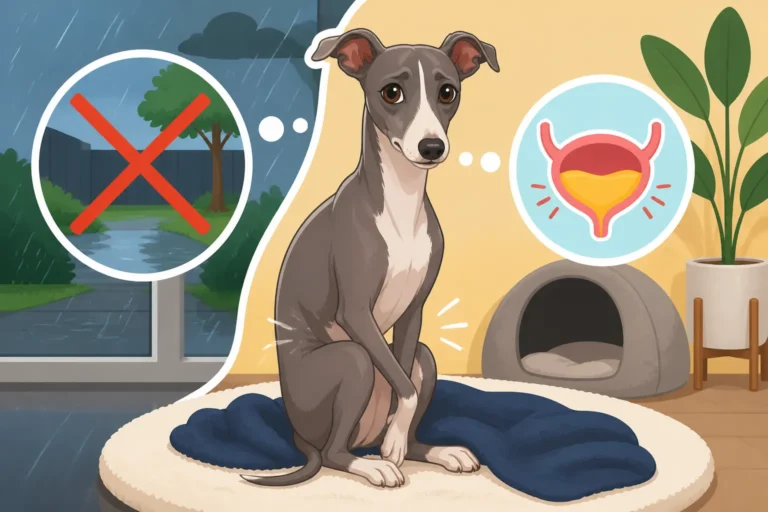
Rain is another major deterrent. Italian Greyhounds often despise getting wet. Their thin skin means raindrops feel much more pronounced, and once their coat is damp, they lose what little body heat they have even faster. This aversion isn't just a quirk; it's a survival instinct. They quickly learn that going outside when it's raining leads to being cold and miserable, so they'll hold it as long as possible or, inevitably, seek a more hospitable indoor spot. This is why you'll often hear discussions about Why an Italian Greyhound Refuses to Go Out in Rain and how challenging it can be.
Snow, while sometimes enchanting to watch from a warm window, is often the ultimate enemy for an Italian Greyhound. Not only is it cold and wet, but it can also be difficult to navigate, especially if it's deeper than their skinny legs. The icy sting on their delicate paw pads, even for a short trip, can be enough to make them bolt back inside without ever relieving themselves. Many owners find that How Cold Weather Undoes an Italian Greyhound's Training becomes a significant issue during winter months, leading to regressive behavior that's incredibly frustrating.
The Comfort Factor: Why Privacy and Protection Matter
Beyond just the physical discomfort, Italian Greyhounds often have a strong preference for a sense of security and privacy when doing their business. Unlike some larger, hardier breeds that will squat anywhere, an IG might feel vulnerable in an open, exposed yard, especially if it's windy, noisy, or feels too vast. They are keenly aware of their surroundings and can be easily distracted or spooked, which interrupts their focus on the task at hand.
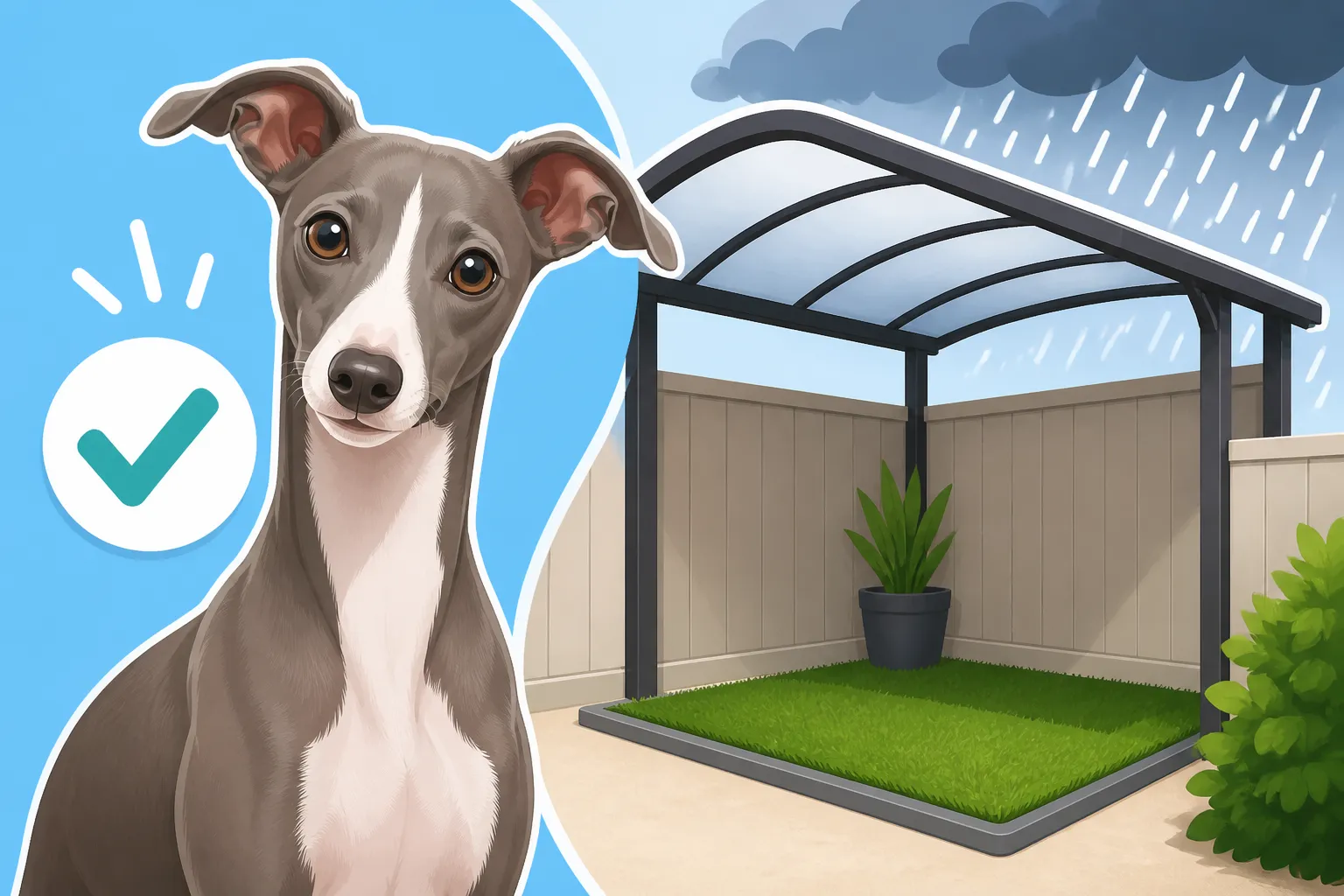
Think about it from their perspective: they’re small, quick-moving, and instinctively wary of potential predators or sudden changes in their environment. Being out in the open, even in their own yard, can feel like an invitation for something unexpected to happen. A covered potty area provides a defined, protected space where they can feel safe from the elements and any perceived threats. It’s like their own little private restroom, offering a sense of enclosure and calm that encourages them to relax and do what they need to do without unnecessary stress or distraction. This dedicated spot becomes a predictable and reassuring part of their routine.
Designing and Implementing Your Covered Potty Solution
So, you're convinced a covered potty area is the way to go. Fantastic! Now comes the fun part: figuring out what kind of setup works best for you and your Italian Greyhound. There's no one-size-fits-all, but plenty of options to explore.
Choosing the Right Type of Covered Area for Your IG
When it comes to covered potty areas, you have a spectrum of choices, from simple to elaborate, temporary to permanent. The key is to find something that offers protection from rain, snow, and wind, while still being easily accessible for your dog.
One popular option is a lean-to or a small, permanent shed with an open side. These can be custom-built or adapted from existing structures. A simple lean-to against the house or a fence provides overhead cover and usually one or two protected sides, shielding them from the prevailing wind and rain. For a more robust solution, a small shed or dog house with a dog door and a covered run attached can work wonders, especially in areas with very harsh winters. The interior of the shed or house provides an extra layer of warmth and shelter.
For those needing something less permanent or on a tighter budget, a pop-up canopy or a sturdy outdoor gazebo can serve the purpose. These are often easy to assemble, can be staked down for stability, and some even come with removable side panels for added wind protection. You might find several suitable options for pop-up canopies or small temporary shelters on platforms like Amazon, offering different sizes and levels of weatherproofing. Just ensure it's robust enough to withstand your local weather conditions and won't easily blow away.
Another inventive solution is repurposing a child's playhouse or a mini greenhouse. These often have solid walls and a roof, and you can easily cut a dog-sized opening and place some artificial turf or pea gravel inside for a designated potty zone. Remember that whatever structure you choose, it needs to be accessible, safe, and easy to clean.
| Type of Covered Potty Area | Pros | Cons | Ideal For |
|---|---|---|---|
| Lean-to/Awning | Simple, cost-effective, attached to existing structure, good rain/wind protection. | Limited space, may not protect from all angles of weather, less insulation. | Moderate climates, quick setup, semi-permanent solution. |
| Pop-up Canopy/Gazebo | Portable, relatively inexpensive, easy to set up/take down, good for temporary needs. | Less durable, can be prone to wind damage, minimal side protection without accessories. | Renters, mild climates, temporary severe weather, travel. |
| Small Shed/Dog House with Run | Excellent weather protection, provides warmth, durable, secure. | Higher cost, more permanent installation, requires more space. | Harsh climates, long-term solution, dedicated potty zone. |
| Repurposed Playhouse/Greenhouse | Creative, often sturdy, can be enclosed, good wind/rain protection. | May require modification, aesthetics vary, might be harder to clean. | DIY enthusiasts, unique needs, specific aesthetic preferences. |
Location, Location, Location: Setting Up for Success
Where you place your covered potty area is almost as important as the area itself. The goal is convenience for both you and your Italian Greyhound, while maximizing protection.
Firstly, consider proximity to your door. The closer it is to an exit you frequently use, the less exposure your dog will have to the elements during the dash outside. A location just off a back door or patio door is ideal. This minimizes the journey through rain or snow, making it a much more appealing prospect for your IG. If you have a fenced yard, place it within that secure perimeter. You want to avoid any situation where your IG could bolt and escape, which, as we know, Italian Greyhounds are prone to do if startled or motivated by prey. Why an Italian Greyhound Cannot Be Trusted Off Leash, Ever is a real concern, so safety is paramount.
Secondly, pay attention to prevailing winds and sun exposure. Position the opening of your covered area away from the direction most strong winds or heavy rain typically come from. This helps keep the interior dry and shielded. In colder climates, consider a spot that gets some morning sun to help warm it up naturally, but avoid direct, intense afternoon sun in summer to prevent it from becoming too hot. Good ventilation is also crucial to prevent odors and maintain a comfortable environment.
Finally, ensure the ground beneath the covered area is suitable. Many owners opt for artificial turf, pea gravel, or even a large tray of real grass pads. Artificial turf is easy to clean and drains well. Pea gravel provides good drainage and is comfortable underfoot, though it can track indoors. Real grass pads, while needing more frequent replacement, can be incredibly appealing to dogs who prefer natural textures. Make sure whatever you choose is easy to rinse down and keep hygienic.
Making It Inviting: Ensuring Your Italian Greyhound Actually Uses It
Building it is one thing; getting your Italian Greyhound to use it consistently is another. IGs are intelligent but can also be creatures of habit and preference. Positive reinforcement is your best friend here.
Start by making the covered area a positive and safe space. Take your IG there frequently, especially first thing in the morning, after naps, and after meals, just as you would with any housetraining routine. When they do potty in the designated spot, reward them immediately and generously with high-value treats and enthusiastic praise. The timing is crucial – the reward needs to happen within seconds of them finishing their business so they associate the act with the positive outcome. You can carry a small pouch of treats whenever you take them out.
Consider adding something with your IG's scent or even a tiny amount of their previous waste (if you can manage it discreetly and hygienically) to the potty area. This can help them recognize it as their designated spot. Initially, you might even need to walk them on a leash directly into the covered area to guide them. Once they understand the purpose, you can gradually transition to letting them go in on their own. Consistency is key, especially during those first few weeks. Even for seasoned dogs, a new routine requires patience and repetition. Resources like the BAXTER & Bella online puppy school can provide structured lessons and support for integrating new training elements, like using a specific potty area, into your dog's routine, often emphasizing positive reinforcement techniques.
If your IG is particularly hesitant, spend some time just hanging out in the covered area with them, offering praise and treats, without the expectation of them eliminating. Make it a calm, pleasant place to be. You might bring their favorite blanket or a small, durable chew toy inside for a few minutes. This desensitizes them and helps them associate the space with good things, not just "potty time." Remember, Italian Greyhounds are very sensitive, and any pressure or negative association can set you back significantly.
Benefits Beyond the Puddle: How Covered Potty Areas Improve IG Life
Investing in a covered potty area for your Italian Greyhound isn't just about preventing accidents; it's about enhancing their overall quality of life and strengthening the bond you share. It addresses several unique challenges of owning this breed.
Reducing Accidents and Stress for Everyone
The most immediate and obvious benefit of a covered potty area is a significant reduction in indoor accidents. When your IG has a reliable, comfortable, and protected place to go, they are much less likely to seek out a hidden corner of your house when the weather turns nasty. This means less cleanup for you and fewer moments of frustration. It truly helps with Housetraining an Italian Greyhound Is the Hardest Part of Owning One, especially when contending with weather-related setbacks.
Beyond the cleanliness, a covered potty area dramatically reduces stress for both you and your dog. You won't have to dread taking them out in a storm, nor will you have to worry about them holding it for too long, which can lead to discomfort and even health issues. Your IG will feel less anxious about being forced into uncomfortable situations and will have a predictable outlet for their needs. This peace of mind is invaluable, especially for a breed known for its sensitive nature and sometimes fragile constitution. A less stressed dog is a happier, healthier dog, and a less stressed owner has more energy to enjoy their companion.
Promoting Health and Well-being in All Seasons
Italian Greyhounds are notoriously prone to getting cold. Keeping an Italian Greyhound Warm Is Daily Work, Not a Winter Job is not just a suggestion; it's a necessity. A covered potty area directly supports this need. By shielding them from harsh winds, rain, and snow, you significantly reduce their risk of hypothermia, chills, and subsequent illnesses. When they can stay relatively dry and out of the direct cold while doing their business, their body temperature remains more stable. This is especially important for puppies and senior IGs, who are even more susceptible to the cold.
Furthermore, it protects their delicate paw pads. Icy ground, rock salt, and extreme temperatures can cause discomfort, cracking, or even frostbite on unprotected paws. A covered area often allows for a chosen substrate (like artificial turf or pea gravel) that is gentler on their feet than frozen earth or abrasive concrete. This helps prevent injuries and keeps their paws healthier, making the potty experience more comfortable year-round. You might also want to consider When an Italian Greyhound Needs a Sweater Indoors or even boots for those truly extreme cold days, even for the short trip to the covered area.
Integrating the Covered Area with Other Housetraining Strategies
A covered potty area isn't a standalone magic bullet; it's a powerful tool that works best when integrated into a comprehensive housetraining plan. Many Italian Greyhound owners use a combination of indoor and outdoor solutions, and the covered area bridges that gap beautifully.
For instance, if you use Setting Up an Indoor Bathroom for an Italian Greyhound with pee pads or a litter box, the covered outdoor area can serve as the primary outdoor target, reinforcing the idea of a designated spot. You might start by placing a pee pad inside the covered area to encourage use, then gradually remove it once your IG is comfortable. This can be particularly useful for puppies who need to go outside frequently. How Often an Italian Greyhound Puppy Needs Out reminds us that frequent trips are necessary, and a nearby, protected spot makes that much easier.
It also works well with a leash routine. Even with a covered area, it’s often a good idea to still take your IG out on a leash initially, especially if they are prone to distraction. The leash guides them directly to the spot, ensures they stay there long enough to do their business, and allows you to reward them immediately. Over time, as they gain confidence and consistency, you can transition to letting them access the covered area independently. For some IGs, having a secure, covered area might even allow for a bit of indoor exercise during inclement weather, preventing the "zoomies" that often come from pent-up energy, as detailed in Exercising an Italian Greyhound Indoors in Winter. It all works together to create a harmonious environment for your beloved Italian Greyhound.
Ultimately, a covered potty area is an investment in your Italian Greyhound's comfort, health, and your peace of mind. It acknowledges their unique needs and helps turn a common source of frustration into a seamless part of your daily routine.
Disclaimer
This article is for general informational purposes only and does not constitute professional advice. Laws, prices and regulations vary by location and change over time. Consult a qualified professional for guidance on your specific situation.