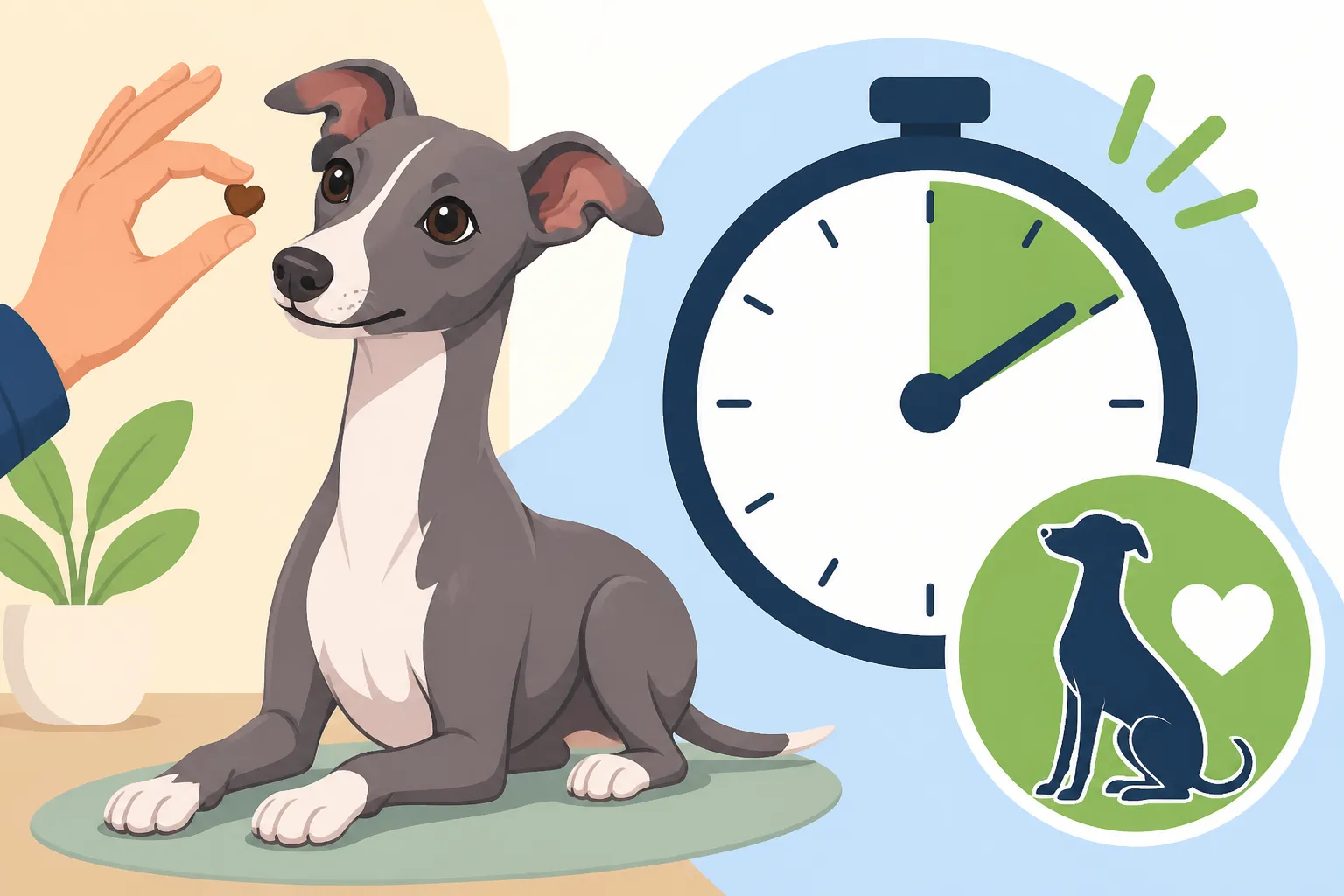
How Short an Italian Greyhound’s Training Session Should Be
If you've ever tried to teach your Italian Greyhound something new, only to find their focus wandering faster than a squirrel across a yard, you're certainly not alone. Many Italian Greyhound owners struggle with long, drawn-out training sessions, wondering if their intelligent but easily distracted companions are even capable of learning. This guide is all about understanding your Italian Greyhound's unique learning style and how to structure training sessions that are short, sweet, and actually effective, saving you from frustration and helping your little sighthound thrive.
Why Italian Greyhounds Need Short Training Sessions in the First Place
Let's be real: Italian Greyhounds aren't your typical retrieve-until-they-drop, eager-to-please working breeds. They are sighthounds through and through, meaning they were bred for independent thought and a keen eye for movement, not necessarily for hours of sustained focus on a human. This inherent nature is a huge part of their charm, but it also means our training approaches need to be tailored to them. Trying to force a long, repetitive session on an Italian Greyhound is like trying to make a fish climb a tree – frustrating for everyone involved and ultimately unproductive.
The Sighthound Mentality and Attention Span
Italian Greyhounds, like their larger sighthound cousins, have a "what's in it for me?" attitude combined with a very short fuse for boredom. Their attention is easily captivated by a fluttering leaf, a distant bird, or even an interesting smell on the floor. This isn't stubbornness, though it can certainly feel like it sometimes! It's simply how their brains are wired. They process information quickly, but they also move on just as fast. A long session, full of endless repetitions, will quickly bore them, and once an Italian Greyhound is bored, they check out. You'll see them yawn, sniff the ground, or simply walk away, leaving you holding the treats and wondering what went wrong. Understanding this foundational aspect of their personality is the first step in successful training.
Avoiding Frustration for Both You and Your Dog
We've all been there: you're trying to teach "sit," and your IG looks at you, then at the treat, then glances out the window, then tries to lick your face. It's enough to make you want to throw your hands up in exasperation. Forcing a dog to continue when they've clearly disengaged creates a negative association with training. Your Italian Greyhound isn't trying to annoy you; they're genuinely losing focus. If you push too hard, training becomes a chore, not a fun bonding experience. This can lead to them becoming less responsive in future sessions, or even developing an aversion to certain commands or environments associated with those frustrating moments. Remember, Why Raising Your Voice Sets an Italian Greyhound Back a Month is a real phenomenon; they are incredibly sensitive creatures. Keep it light, keep it positive, and keep it short to build a strong foundation of trust and enjoyment around learning.
The Goldilocks Zone: How Long is Just Right?
So, if long sessions are out, what's the sweet spot? For most Italian Greyhounds, especially puppies and young adults, we're talking about sessions that measure in minutes, not large chunks of time. Think of it less as a dedicated "training class" and more as brief, engaging interactions spread throughout the day. This approach taps into their natural curiosity and desire for connection without overwhelming their delicate attention spans.
Ideal Session Lengths by Age and Experience
The optimal length for a training session will vary depending on your Italian Greyhound's age, maturity, and how much prior training they've had. Here's a general guideline, but always remember to adjust based on your individual dog's cues.
| Age Group | Recommended Session Length | Focus Areas |
|---|---|---|
| Puppies (8-16 weeks) | 1-2 minutes | Name recognition, potty cues, gentle handling |
| Adolescents (4-12 months) | 2-5 minutes | Basic obedience (sit, stay, come), leash manners, impulse control |
| Adults (1+ year) | 3-7 minutes | Advanced cues, refining behaviors, mental enrichment |
| Seniors (10+ years) | 1-3 minutes | Reinforcing known cues, gentle mental stimulation |
For puppies, those initial few weeks are about building positive associations. A minute or two, multiple times a day, is far more effective than one ten-minute struggle. For example, when you first bring your Italian Greyhound puppy home, a 60-second burst of "look at me," "sit," or even just rewarding them for making eye contact can be incredibly powerful. As they get a bit older, their capacity for focus might stretch to five minutes, but even then, it's often best to end before they get bored. Adults can sometimes handle a bit longer, especially if the task is engaging, but even then, multiple short sessions usually outperform a single long one. Remember to keep an eye out for How Long an Italian Greyhound Takes to Heal a Fracture – physical limitations can also affect their willingness to train.
The Power of Multiple Short Sessions
Instead of aiming for one 15-minute training session each day, think about three to five 3-5 minute sessions. This approach has several advantages for Italian Greyhounds. Firstly, it prevents boredom. Just as they start to lose interest, you end the session on a high note, leaving them wanting more. This builds a positive anticipation for future training. Secondly, it allows for more distributed learning. Spreading out learning opportunities over the day can actually help solidify what they've learned, much like how we learn better with spaced repetition. These little bursts can easily be integrated into your daily life. A quick "sit" and "stay" before dinner, a "come" command in the hallway, or a "down" while you're making coffee – these aren't formal "training sessions" in the traditional sense, but they are incredibly effective moments of learning and reinforcement for your Italian Greyhound.
Reading Your Italian Greyhound: When to Call It Quits
Knowing the general guidelines for session length is one thing, but truly successful training with an Italian Greyhound hinges on your ability to read their body language. They might not explicitly tell you they're bored or frustrated, but they will show you. Learning these subtle cues is paramount to keeping training a positive and effective experience. Ignoring these signals can quickly sour your dog's attitude toward learning and undermine all your hard work.
Subtle Signs of Losing Focus or Disengagement
Your Italian Greyhound probably won't dramatically throw up their paws and declare "I'm done!" but they will give you indicators. Pay close attention to these signs that their brain has switched off:
- Yawning: Not necessarily tired, but a common stress or appeasement signal, often meaning "I'm uncomfortable/bored."
- Lip licking: Another appeasement gesture, indicating mild stress or uncertainty.
- Sniffing the ground: This is a classic "displacement behavior." They're not actually interested in that speck of dust; they're trying to disengage from the current activity.
- Head turns or avoiding eye contact: If they're actively looking away from you or the treat, their focus has shifted elsewhere.
- Slow or hesitant responses: If a command they usually nail quickly is suddenly taking longer, their motivation is waning.
- Looking at the door or another person: They're literally looking for an exit or a different source of interaction.
- Increased scratching or self-grooming: Again, displacement behaviors to cope with mild stress or boredom.
Recognizing these cues, even the most subtle ones, is your signal to wrap it up. It might feel like you're giving up, but you're actually showing respect for your dog's current state and preserving their positive feelings about training.
Ending on a High Note
This is perhaps the most crucial tip for short sessions: always, always, always end on a positive note. The moment you see any of those subtle signs of disengagement, quickly ask for one command your Italian Greyhound always gets right. Reward them enthusiastically with their favorite high-value treat, offer a quick play or cuddle, and then declare the session over. This ensures that the last thing they remember about training is success, praise, and a reward. It builds excitement for the next session because they associate training with feeling good and achieving something. Ending a session while your dog is still eager and engaged creates a cycle of positive reinforcement. Many owners find a small pouch of irresistible treats from places like Amazon to be invaluable for keeping these sessions exciting and rewarding.
Making Every Minute Count: Strategies for Effective Short Sessions
Since Italian Greyhounds thrive on brevity, it's essential to maximize the impact of those few precious minutes. This means being prepared, keeping things interesting, and understanding what truly motivates your particular sighthound. Remember, the goal isn't just to get through a session, but to achieve real learning and build a stronger bond.
High-Value Rewards and Enthusiasm
For Italian Greyhounds, motivation is key. They aren't always working just to please you; they're working for a paycheck. And that paycheck needs to be enticing! Ditch the boring kibble for training sessions. Instead, opt for high-value treats like tiny pieces of cooked chicken, cheese, or specialized training treats. Experiment to find what makes your IG's eyes light up. Freeze-dried liver or salmon often work wonders. The smaller the pieces, the more repetitions you can get in a short time without overfeeding.
Beyond treats, your enthusiasm is a powerful reward. Italian Greyhounds might be independent, but they do cherish affection and praise from their chosen people. Use an upbeat, happy tone of voice, lots of verbal praise, and gentle pets (if they enjoy them) when they get something right. Make it clear that they've done something truly wonderful. This combination of delicious treats and genuine praise creates a powerful positive reinforcement loop. As a side note, What Motivates an Italian Greyhound often extends to play; a quick game of tug or chase can also be a fantastic reward.
Varying Location and Distractions
One of the biggest mistakes owners make is only training in one, quiet location. While this is a good starting point, Italian Greyhounds are masters of environmental awareness. If they only learn "sit" in the living room, they might genuinely struggle to understand "sit" at the park. Short sessions are perfect for practicing in varied environments without overwhelming your dog.
Start in a low-distraction environment, like your quiet kitchen. Once they're consistent there, move to a slightly more distracting area, like the living room with the TV on low, or the backyard. Eventually, try a quick session near a quiet park, or even just outside the front door. The goal is to gradually introduce distractions, always keeping the session short and ending before they're overwhelmed. This "proofing" helps generalize their understanding of cues, making them more reliable in the real world. Many online puppy training programs, like those offered by BAXTER & Bella, emphasize the importance of training in varied environments to help build a dog's confidence and reliability. This gradual exposure to new surroundings will make a huge difference in their ability to perform when you truly need them to, like on a walk.
Focus on One or Two Behaviors Per Session
In a brief training window, trying to cram too many new commands is a recipe for confusion. Instead, pick one or two specific behaviors to focus on. If you're working on "sit" and "stay," stick to those. Don't suddenly throw in "down" or "shake a paw." This clarity helps your Italian Greyhound understand what you're asking and prevents them from feeling overwhelmed.
You might dedicate one set of short sessions throughout the day to a new trick, and another set to reinforcing an established obedience cue. For example, in the morning you might do two minutes of working on Teaching an Italian Greyhound Not to Jump Down, and in the afternoon, two minutes of practicing their recall in a fenced area. By keeping the focus narrow, you ensure that each short session contributes meaningfully to their learning without causing mental fatigue or frustration. This focused approach makes the most of their limited attention span and helps them make real progress.
Disclaimer
This article is for general informational purposes only and does not constitute professional advice. Laws, prices and regulations vary by location and change over time. Consult a qualified professional for guidance on your specific situation.