How Far an Italian Greyhound Should Walk Daily
It's a common misconception that because Italian Greyhounds are small and seem delicate, they don't need much exercise. New Italian Greyhound owners often find themselves wondering exactly how much walking is too much, or not enough, for their sleek, sensitive companion, especially with worries about their famously fragile legs. This guide will walk you through understanding the appropriate daily walking routine for your Italian Greyhound at every stage of their life, ensuring they get the physical and mental stimulation they need to thrive, without overdoing it.
Understanding Your Italian Greyhound's Unique Exercise Profile
When you look at an Italian Greyhound, you see elegance, grace, and sometimes, a dog that seems almost too fragile for vigorous activity. It’s easy to assume they are perfectly happy as perpetual lap warmers, only needing minimal potty breaks. However, this breed carries the heart of a sighthound, which means they are built for speed and bursts of intense, short-duration activity, not necessarily long, slow endurance treks. Understanding this inherent nature is key to providing them with the right amount and type of exercise.
More Than Just a "Lap Dog"
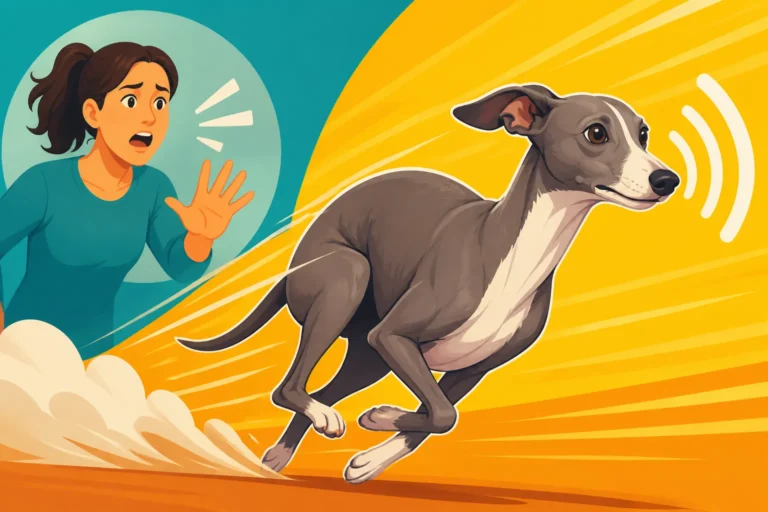
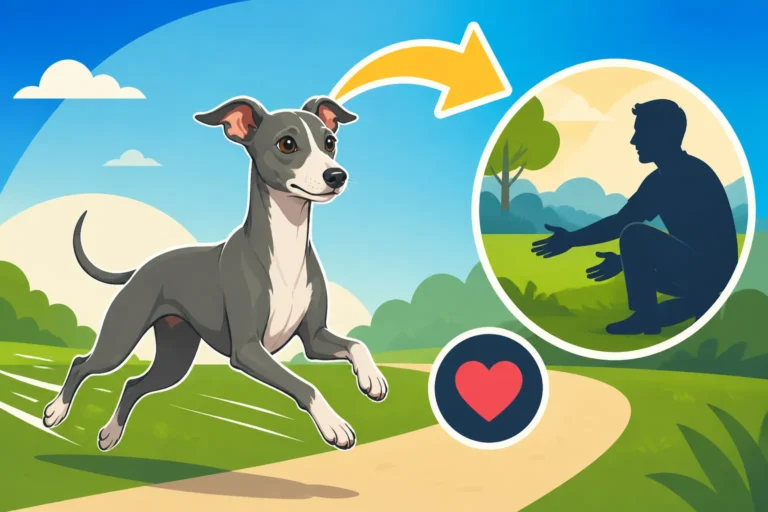
While Italian Greyhounds certainly excel at cuddling and burrowing under blankets, they are not solely decorative accessories. Their lineage as sighthounds means they possess a natural instinct to chase and run, even if it's just across your living room in a fit of "zoomies." These aren't dogs that are content to simply lie around all day, though they can certainly pull off an impressive nap marathon when given the chance. They crave engagement, both physical and mental, and a lack of appropriate exercise can lead to boredom, pent-up energy, and even behavioral issues. Don't let their dainty appearance fool you; a happy Iggy is an active Iggy.
The concern about their delicate build is certainly valid. It’s a very real worry that Why an Italian Greyhound's Leg Bones Break So Easily due to their fine bone structure. This fragility means that while they need to run and play, owners must be extra vigilant about the environment and the type of exercise they engage in. Short bursts of controlled running on soft, even surfaces are much safer than rough-and-tumble play with larger, heavier dogs, or unsupervised leaping off high furniture. The key is to satisfy their instinct to move while protecting their physical well-being. This balance can feel like a tightrope walk for many owners, leading to confusion about just how much activity is appropriate.
Therefore, for an Italian Greyhound, quality of movement often trumps quantity of distance. Rather than aiming for miles on end, focus on enriching walks that offer opportunities for sniffing, exploring, and perhaps a quick, controlled sprint in a safe, enclosed area. Mental stimulation through new sights, sounds, and smells can be just as tiring and satisfying as physical exertion for these intelligent dogs. Think of their walks as mini-adventures, not marathons.
Factors Influencing Walk Length and Intensity
Determining the "perfect" walk for your Italian Greyhound isn't a one-size-fits-all equation. Several factors play a significant role in how far and how vigorously your dog should be walking each day. Neglecting these can lead to an unhappy, under-exercised, or even injured Italian Greyhound.
First and foremost is your dog's age. A rambunctious Italian Greyhound puppy has very different exercise requirements than a wise, grey-muzzled senior. Puppies, despite their boundless energy, are still developing physically, and their growth plates are open, making them vulnerable to injury. Over-exercising a young Italian Greyhound can do more harm than good, potentially impacting their skeletal development. Conversely, senior Italian Greyhounds might have reduced stamina, joint stiffness, or other age-related conditions that necessitate shorter, gentler strolls.
Individual temperament and current fitness level also play a huge part. Just like people, some Italian Greyhounds are naturally more athletic and energetic than others. You might have an Iggy who could happily trot for longer distances, while another is content with a quick sniff-around the block. It’s crucial to observe your own dog's cues. Are they eager to keep going, or are they lagging behind, pulling to turn back, or showing signs of discomfort? Pushing a dog beyond its comfortable limits can make walks a negative experience and discourage future participation. Regular, consistent exercise builds stamina, so a couch potato Iggy won't instantly become a hiking companion.
Finally, environmental factors, especially weather conditions, are incredibly important for this thinly-coated breed. Italian Greyhounds have very little body fat and a fine, single coat, making them highly susceptible to cold. The Italian Greyhound That Refuses to Go Out in the Cold is a common complaint among owners, and for good reason—they genuinely feel it! Freezing temperatures, rain, and even a strong chilly wind can make a short walk unbearable or even dangerous for them. Conversely, they can also overheat quickly in hot, humid weather, putting them at risk. Always prioritize their comfort and safety over hitting a certain distance goal. If it's too cold or too hot for you to be comfortable, it's likely too cold or too hot for your Italian Greyhound, even with appropriate clothing. Always adjust the length and timing of your walks based on the day's conditions.
Tailoring the Daily Walk to Your Italian Greyhound's Age
The journey of an Italian Greyhound, like any dog, is marked by different phases, each with its own physical capabilities and needs. A mindful owner understands that a "daily walk" isn't a static concept but rather something that evolves with their dog's life stage.
Puppy Energy: Short, Sweet, and Supervised
Italian Greyhound puppies are bundles of boundless energy, zipping around with incredible speed and agility. It's tempting to think that this means they need long walks to burn off steam, but nothing could be further from the truth. Puppy bones are still growing, with open growth plates that are particularly vulnerable to injury from impact or repetitive stress. Instead of long-distance walking, their exercise should focus on short bursts of play, exploration, and positive, gentle introductions to the leash.
A good rule of thumb for puppies, often called the "five-minute rule," suggests no more than five minutes of structured exercise per month of age, twice a day. So, a three-month-old puppy might get two 15-minute "walks" or play sessions per day. These aren't intense power walks; they're more about allowing the puppy to sniff, explore their immediate surroundings, and get accustomed to being on a leash. The goal is positive experiences and gradual muscle development, not building endurance. Keep these excursions to soft, even surfaces like grass to minimize impact on their developing joints. Remember, The Age an Italian Greyhound Is Most Likely to Break a Leg often falls within their exuberant, less-coordinated puppy and adolescent stages, so caution is paramount.
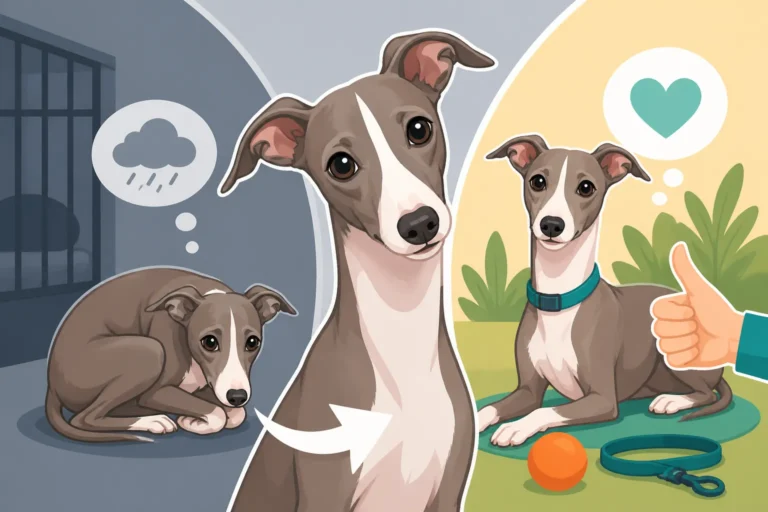
Introducing the leash should be a positive experience. Start in a quiet area, perhaps your backyard, letting them drag a lightweight leash around while supervised. Then, short stints of walking around the yard or block. The focus is on them learning to walk nicely beside you, not on covering ground. This early training builds a foundation for enjoyable walks later. Resources from places like BAXTER & Bella can be incredibly helpful for structured puppy training and positive reinforcement techniques during these crucial developmental months, helping you teach good leash manners without undue stress on your pup. These early "walks" are more about mental enrichment and socialization than physical distance.
Adult Italian Greyhounds: A Balance of Sprint and Stroll
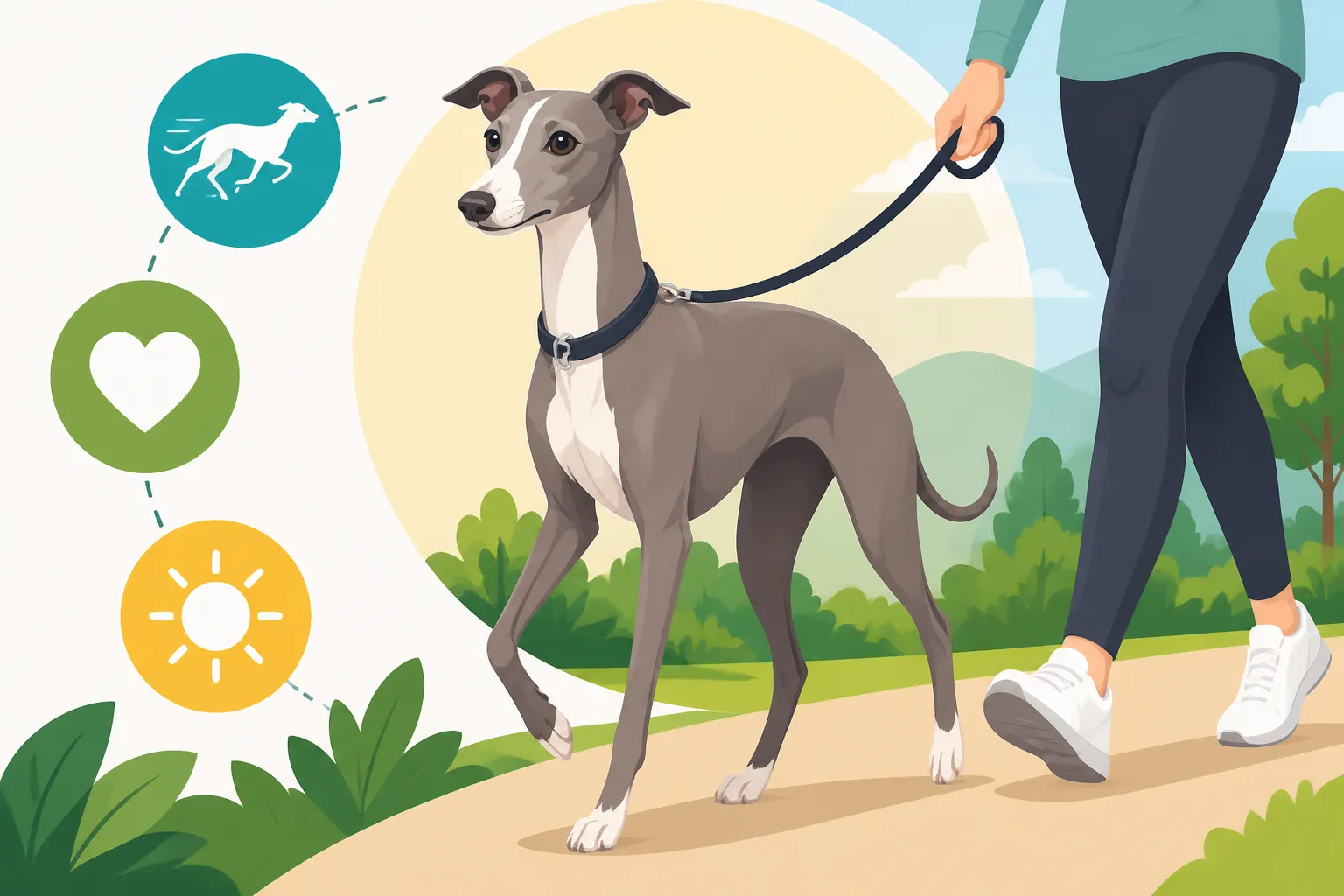
Once your Italian Greyhound reaches adulthood, typically around 18 months of age, their bones have finished hardening, and they can handle a more robust exercise routine. This is the stage where you can really see their sighthound nature shine, blending those bursts of speed with calm, inquisitive walks. Most adult Italian Greyhounds will thrive on two walks a day, each lasting approximately 20-30 minutes.
These walks should be more than just a quick trip to relieve themselves. They are opportunities for sniffing, exploring, and engaging with the world. Vary your routes to keep things interesting—different smells and sights provide vital mental stimulation. If you have access to a safely enclosed area, like a fully fenced yard or a private dog park rental, this is where your Iggy can truly stretch their legs and indulge in those exhilarating full-speed sprints. This controlled running is crucial for their physical and mental well-being, allowing them to express their natural athleticism. However, it's paramount that this area is truly secure, because for most Italian Greyhounds, Why an Italian Greyhound Cannot Be Trusted Off Leash, Ever is a rule you should live by. Their prey drive is powerful, and their speed means they can be out of sight in an instant.
In addition to structured walks, don't underestimate the power of indoor "zoomies" or play sessions. Even if your Iggy gets two walks a day, they might still have pent-up energy that needs releasing through a quick dash around the house or a game of fetch in a hallway. These spontaneous bursts of activity are perfectly normal for the breed and contribute significantly to their overall exercise needs. This combination of structured, explorative walks and free-play sprints helps maintain a healthy weight, strong muscles, and a happy disposition.
Senior Italian Greyhounds: Comfort Over Distance
As your Italian Greyhound enters their senior years, typically around 8 years and beyond, their exercise needs will shift again. Just like older humans, senior Iggies tend to have less stamina, may experience joint stiffness or arthritis, and might tire more easily. The focus shifts from vigorous exercise to maintaining mobility, mental engagement, and comfort. This is a time for shorter, more frequent strolls rather than lengthy treks. Caring for an Italian Greyhound Past Eleven often means adjusting to a slower pace of life, and their walks are no exception.
Instead of aiming for a set distance or duration, let your senior Italian Greyhound dictate the pace and length of the walk. Two or three shorter walks a day, perhaps 10-15 minutes each, might be more appropriate than one long one. These walks should be gentle, allowing plenty of time for sniffing and leisurely exploration. It's about maintaining muscle mass, supporting joint health through gentle movement, and providing mental enrichment, not pushing them to their limits. Watch for any signs of fatigue, limping, or discomfort, such as lagging behind, increased panting, or difficulty getting up after resting. These are clear signals that it’s time to head home.
Comfort becomes paramount for senior Iggies. On cooler days, ensure they are wearing appropriate layers, like a warm sweater or coat, to keep their aging bodies comfortable. If they have thinning fur or sensitive paws, consider paw balms or even boots for protection against rough or cold surfaces. Heated beds and orthopedic bedding at home can help soothe any aches and pains, making them more comfortable between walks. Remember, every dog is an individual, and some Iggies age more gracefully than others. Regular veterinary check-ups are essential to monitor their health and adjust their exercise routine as needed, keeping them as comfortable and active as possible for as long as possible.
Practical Considerations for Safe and Enjoyable Walks
Beyond just knowing how far to walk, there are crucial practical elements that can make or break the daily walking experience for you and your Italian Greyhound. From choosing the right gear to understanding how weather impacts their fragile bodies, being prepared is key to happy, healthy outings.
Essential Walking Gear
The right gear isn't just about style; it's about safety, comfort, and preventing escapes for an Italian Greyhound. Given their unique body shape and delicate throats, a standard collar is often insufficient and potentially dangerous for walks.
For an Italian Greyhound, a well-fitting harness is absolutely non-negotiable. Their slim necks and deep chests mean they can easily slip out of a traditional collar, and any sudden pull on a collar can cause damage to their trachea. A sighthound-specific harness, often designed with multiple straps or a "Y" front to distribute pressure across the chest rather than the throat, is ideal. These harnesses are specifically cut to accommodate their unique proportions, preventing escapes and ensuring comfort. You can find a wide variety of these specialized harnesses by reputable brands on platforms like Amazon, making it easy to search for options designed for their specific needs, ensuring Which Harness Suits an Italian Greyhound's Neck is addressed. Look for options made from soft, non-abrasive materials to protect their delicate skin.
Beyond the harness, appropriate clothing for the weather is vital. Given their minimal body fat and thin coats, Italian Greyhounds get cold quickly. In cooler weather, a sweater or coat is a must, and in truly cold conditions, multiple layers or a heavy winter coat might be necessary. Some owners even opt for dog boots to protect paws from ice, snow, hot pavement, or abrasive surfaces. Always carry a sturdy, non-retractable leash – a standard 6-foot nylon or leather leash works best. Reflective gear, both for your Iggy and for yourself, is a smart addition for walks in low-light conditions, enhancing visibility and safety.
Weathering the Elements
Italian Greyhounds are not built for extreme weather, and ignoring this can lead to discomfort, illness, or even injury. Their sensitivity to temperature is a primary consideration when planning daily walks.
Their low cold tolerance means that in chilly weather, layers are not just fashion statements, but a necessity. Even on days that feel merely "crisp" to you, your Italian Greyhound might be shivering. When an Italian Greyhound Needs a Sweater Indoors is often a clear indication of their inherent sensitivity to even moderate cold. Below 40-45°F (roughly 4-7°C), a good coat is essential. Below freezing, consider cutting walks short to just potty breaks or supplementing with vigorous indoor play. Their fine ears and tails are also vulnerable to frostbite in very cold, windy conditions. Always be prepared to turn back early or skip a walk entirely if the weather is too harsh.
Conversely, Italian Greyhounds can also struggle in hot weather. Their short coats offer little protection from the sun, and they don't have the insulation to regulate body temperature effectively in high heat and humidity. During summer months, plan walks for the cooler parts of the day – early morning or late evening. Always check pavement temperature with the back of your hand; if it's too hot for your hand, it's too hot for their delicate paw pads. Watch for signs of overheating, such as excessive panting, lethargy, or stumbling, and always carry fresh water for them to drink.
Rain and snow present another challenge, not just because of the cold, but because many Italian Greyhounds have an intense aversion to getting wet. Why an Italian Greyhound Refuses to Go Out in Rain is a common scenario, often leading to a stubborn stand-off at the door. For rainy days, a waterproof coat can help, but sometimes a quick dash out for business is all they'll tolerate. Indoor potty solutions like pee pads or a litter box might become a necessity in truly inclement weather to avoid prolonged exposure and discomfort.
Beyond the Daily Walk: Supplemental Exercise
While daily walks are a cornerstone of an Italian Greyhound's routine, they aren't the sole answer to their exercise needs. A truly well-exercised Iggy benefits from a holistic approach that includes various forms of physical and mental stimulation. How Much Exercise an Italian Greyhound Needs is a blend of structured outdoor activity and engaging indoor alternatives.
Indoor play is essential, especially when outdoor conditions are unfavorable. Games of fetch down a long hallway, chasing a flirt pole toy, or simply letting them have a good "zoomie" session in a safe, uncluttered space can burn off a surprising amount of energy. These short, intense bursts are often more aligned with their sighthound nature than sustained trotting. Puzzle toys, interactive feeders, and training sessions that challenge their minds are equally important. Learning new tricks, practicing obedience cues, or engaging in scent work can be just as tiring for an Italian Greyhound as a physical walk, tapping into their intelligence and natural instincts. Brands like BAXTER & Bella often provide excellent resources and training programs that can guide you through these types of mentally stimulating activities, making indoor time productive and fun.
For those with secure, fully fenced yards, supervised free-running time is invaluable. This allows them to express their natural desire to sprint and play at top speed in a safe environment. Remember the importance of supervision to prevent them from attempting dangerous jumps or finding escape routes. For more adventurous Iggies and owners, dog sports like lure coursing offer an amazing outlet for their prey drive and speed in a controlled, safe setting. These events are specifically designed for sighthounds and allow them to run at full tilt after a mechanical lure, providing both intense physical exercise and immense mental satisfaction. However, always assess your individual dog's health and temperament before engaging in such demanding activities.
Ultimately, the goal is not just to tire them out, but to enrich their lives with appropriate physical activity and mental engagement, keeping them happy, healthy, and well-adjusted.
| Age Group | Recommended Daily Walk Duration | Key Considerations |
|---|---|---|
| Puppies (2-18 months) | 10-25 minutes total (divided into multiple short sessions based on age) | Fragile bones, focus on exploration and short play, positive leash introduction. Avoid forced long walks. |
| Adults (1.5 – 8 years) | 40-60 minutes total (divided into two 20-30 minute walks) | Opportunity for controlled sprints in secure areas, mental stimulation, weather appropriate clothing. |
| Seniors (8+ years) | 20-30 minutes total (divided into shorter, more frequent strolls) | Focus on comfort and gentle exploration, monitor for fatigue, provide extra warmth, adjust for any health issues. |
Finding the right balance for your Italian Greyhound's daily walks truly comes down to understanding their unique needs, observing their individual cues, and being flexible with your routine. They might be small, but they require thoughtful consideration to their exercise, ensuring a lifetime of healthy activity. It's about quality over quantity, always prioritizing their safety and comfort, and making every walk an enriching experience.
Disclaimer
This article is for general informational purposes only and does not constitute professional advice. Laws, prices and regulations vary by location and change over time. Consult a qualified professional for guidance on your specific situation.