Why an Italian Greyhound Gets Dry Skin in Winter
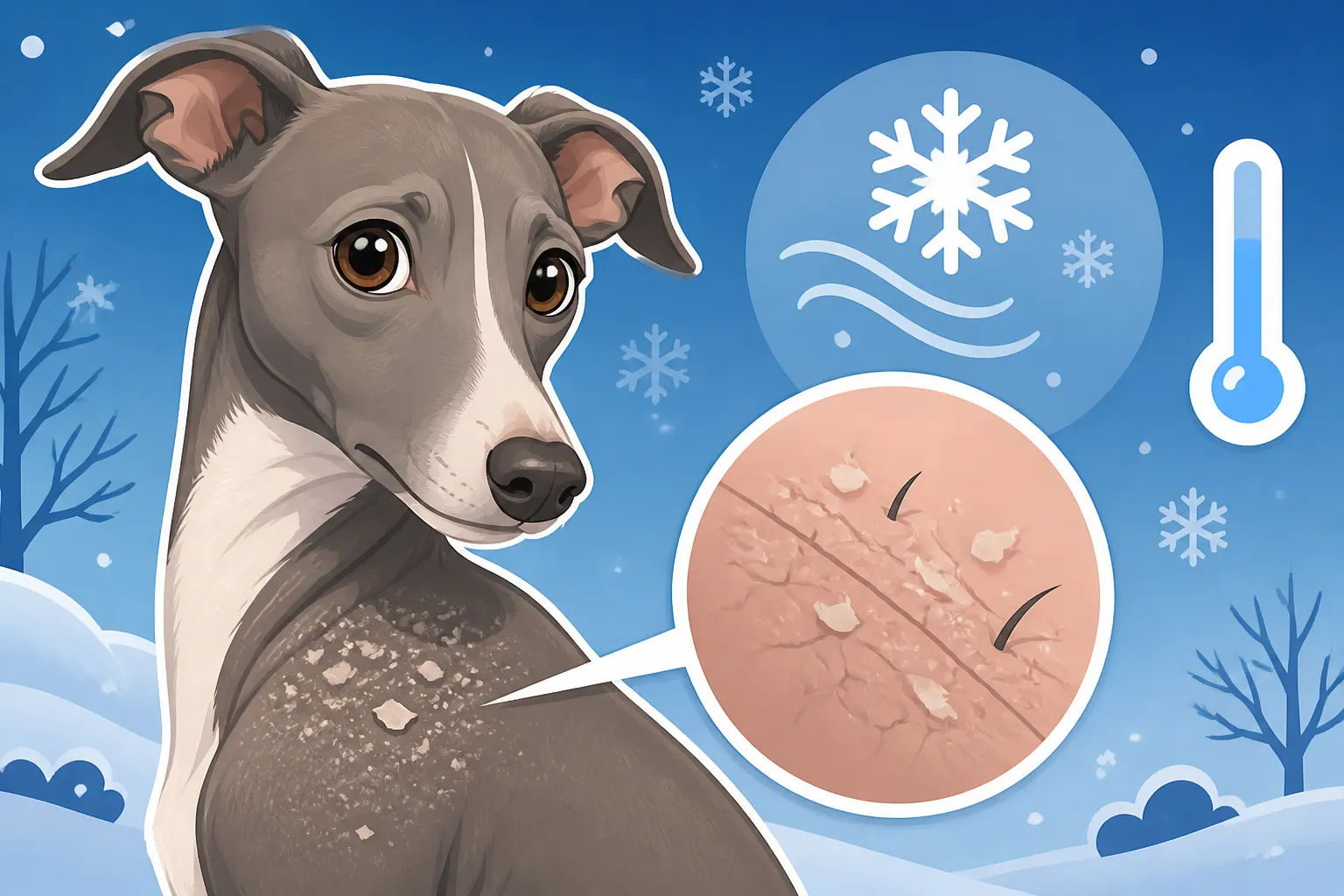
It's incredibly frustrating when winter rolls around and your sweet Italian Greyhound starts scratching at flaky, dry skin. You bundle them up, keep the house warm, and still, they're uncomfortable, leaving behind little white flakes on your dark furniture. This guide is here to explain exactly why Italian Greyhounds are so prone to dry skin when the temperatures drop, and what practical steps you can take to soothe their delicate dermis.
The Italian Greyhound's Delicate Skin and Coat
Italian Greyhounds are truly unique in their physical makeup, and what makes them so elegant and agile also makes them particularly susceptible to dry skin, especially during the colder months. It’s not just a superficial issue; their very physiology contributes to this common winter woe.
Minimalist Fur and Fragile Skin
Imagine wearing a tissue-thin shirt in a blizzard – that's often how an Italian Greyhound's coat feels to them in winter. Their fur is incredibly short, fine, and lacks the insulating undercoat that many other breeds possess. This isn't just about warmth, though Why an Italian Greyhound Cannot Hold Its Own Heat is a related concern; it's about protection. A thick, dense coat acts as a natural barrier, protecting the skin from environmental irritants, temperature fluctuations, and moisture loss. Without it, your Italian Greyhound’s skin is directly exposed to whatever the air throws at it.
Beyond the scant fur, their skin itself is remarkably delicate, almost paper-thin. It’s not uncommon to see a scratch or a tear from even a minor bump, a testament to its fragility. This fine skin also means it has less inherent protection against dryness. When the air becomes parched, whether outdoors or in your heated home, that moisture is drawn directly from their skin with little resistance. This makes them prone to not just dryness, but also irritation, redness, and the dreaded flaky patches that signal discomfort.
Low Body Fat and Its Impact on Skin Health
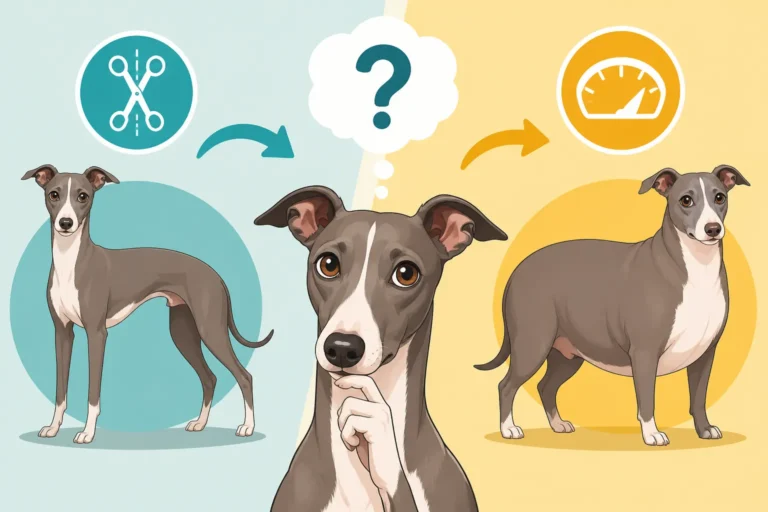
Another key factor in an Italian Greyhound's predisposition to dry skin is their incredibly lean physique. These dogs carry almost no body fat, a characteristic that defines their sighthound elegance. You can often see their ribs and hip bones, which, while normal for the breed, means they lack a crucial layer of insulation and natural oils that contribute to skin health.
The subcutaneous fat layer beneath the skin plays a vital role in maintaining the skin's barrier function. It helps to trap moisture, provides a cushion against external stressors, and contributes to the overall suppleness of the skin. When this layer is minimal, as it is in an Italian Greyhound, the skin's ability to retain moisture is compromised. Think of it like a desert landscape versus a lush forest – the desert, with its sparse ground cover, dries out much faster than the forest with its deep, organic soil. Similarly, an Italian Greyhound's skin, with its limited underlying fat, loses moisture more readily. This lean build, while beautiful, is a significant contributor to why their skin struggles to stay hydrated when ambient humidity drops. Why an Italian Greyhound Carries Almost No Body Fat explains this in more detail.
Environmental Triggers for Winter Dryness
Even with the best intentions, the environment we live in during winter can be a major adversary to your Italian Greyhound's skin. From the air outside to the air inside your home, every element seems to conspire against their delicate dermis.
The Ravages of Cold, Dry Air
Winter air, both indoors and out, is the primary culprit behind dry Italian Greyhound skin. Outside, the air itself often holds very little moisture. When your Italian Greyhound is out for a quick potty break or a brisk walk, that cold, dry air, especially when combined with a biting wind, actively pulls moisture from their exposed skin. It's like a tiny, invisible sponge constantly at work, depleting their natural hydration. Even a few minutes of exposure can have an effect, making their skin feel tighter and drier.
Once you come back inside, the problem often persists, or even worsens. Most homes in colder climates rely on forced-air heating systems to stay warm. While wonderfully cozy for us, these systems are notorious for drying out indoor air to incredibly low humidity levels. You might notice your own hands feel drier, your lips chap more easily, or static electricity becomes a nuisance – these are all signs that the air is parched. Your Italian Greyhound, with their already vulnerable skin, is subjected to this same arid environment 24/7. This constant exposure to low humidity prevents their skin from replenishing moisture, leading to a vicious cycle of dryness, itching, and flaking.
Over-Bathing and Harsh Products
It's tempting to think that a good bath will solve all skin problems, or perhaps your Italian Greyhound just rolled in something unspeakable during a winter outing. However, excessive bathing, especially with the wrong products, can ironically make winter dry skin much worse. The natural oils on your dog's skin are its first line of defense against dryness, creating a protective barrier. Each time you bathe them, particularly with hot water and harsh shampoos, you strip away these essential oils.
Many standard dog shampoos are designed for breeds with thicker coats and more robust skin, and they can be far too stripping for an Italian Greyhound's delicate system. If you're using a shampoo with strong detergents, artificial fragrances, or dyes, you're essentially washing away their natural defenses, leaving their skin exposed and even more prone to irritation and dryness. Even warm water, if too hot, can contribute to moisture loss. It's a tricky balance, because you want your dog clean, but you also want to preserve their skin's integrity. Understanding Which Shampoo Suits an Italian Greyhound's Skin is crucial, and remember, How Often an Italian Greyhound Needs a Bath should be a careful consideration, especially in winter. Less frequent, thoughtful bathing is often the best approach.
Dietary and Hydration Factors
What goes into your Italian Greyhound’s body is just as important as what happens outside of it when it comes to skin health. A well-nourished body, inside and out, has a much better chance of warding off the persistent dryness of winter.
The Role of Nutrition in Skin Barrier Function
You know the saying, "you are what you eat"? Well, your Italian Greyhound's skin health is a direct reflection of their diet. A diet lacking in essential nutrients, particularly fatty acids, can significantly compromise their skin's ability to stay hydrated and function as a protective barrier. Omega-3 and Omega-6 fatty acids are particularly critical. These "good fats" are not just for a shiny coat; they are integral components of cell membranes, helping to maintain skin elasticity and reduce inflammation.
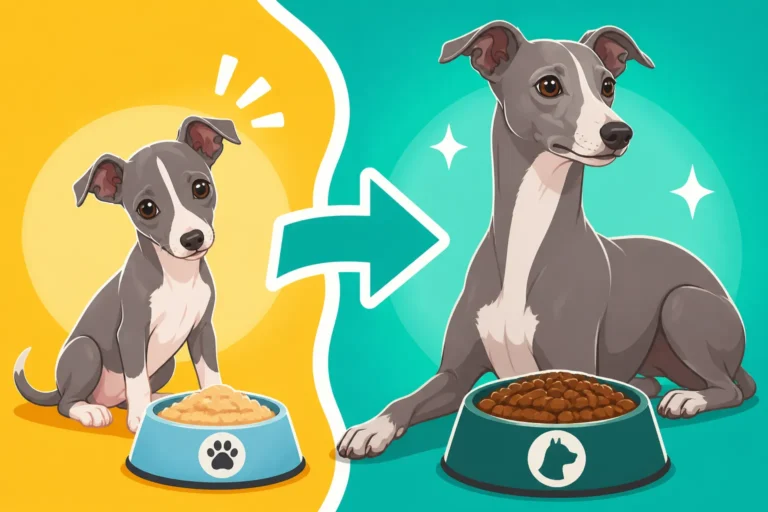
If your Italian Greyhound's food isn't providing enough of these vital nutrients, or if the quality of the ingredients is subpar, their skin will show it. You might notice dull fur, more flaking, and increased itchiness. Consider looking for dog foods that list high-quality sources of omega fatty acids, such as fish oil, flaxseed, or specific animal fats. Brands like Ollie, known for fresh, human-grade ingredients, often formulate their meals with these beneficial fats to support overall health, including skin and coat. Sometimes, even with a good diet, a supplement might be beneficial, especially during the harsh winter months. Many owners find success adding fish oil supplements, readily available from retailers like Chewy or Amazon, to their Italian Greyhound's daily meals after consulting with their vet.
Ensuring Adequate Water Intake
While we often associate thirst with hot weather, maintaining proper hydration is a year-round necessity, and it's especially critical for skin health in winter. Just like humans, dogs might naturally drink less water when the weather is cold. However, the dry air, both indoors and out, is constantly pulling moisture from their bodies, making consistent water intake even more important.
If your Italian Greyhound isn't drinking enough, their skin can suffer. Dehydration, even mild, can lead to dry, less elastic skin. You might notice their gums are a bit tacky, or their skin doesn't snap back as quickly when gently pinched. To encourage your Italian Greyhound to drink more, ensure fresh, clean water is always available in multiple locations throughout your home. Some dogs are enticed by a pet water fountain, which keeps the water aerated and circulating. You can also try adding a splash of low-sodium chicken broth (ensure it's safe for dogs) to their water bowl a few times a week, or incorporating some wet food into their diet, which has a higher moisture content. Even small efforts to boost their hydration can make a big difference in their skin's resilience against winter dryness.
Proactive Care Strategies for Winter Skin Health
Dealing with dry Italian Greyhound skin in winter isn't just about reacting to problems; it's about implementing a proactive care routine that supports their unique needs. A little consistent effort can go a long way in keeping them comfortable and their skin healthy.
Moisturizing and Protecting Their Skin
Since your Italian Greyhound's skin is so prone to drying out, adding a layer of topical moisture is often essential. Think of it like applying lotion to your own dry hands in winter – it provides immediate relief and helps fortify the skin barrier. Look for pet-safe moisturizers, balms, or oils specifically designed for dogs. Ingredients like shea butter, coconut oil, or oatmeal can be very soothing. You can gently massage a small amount into their drier areas, focusing on elbows, hocks, and along their back, where flakiness often appears. Doing this once a day, perhaps after their evening cuddles, can make a significant difference. Be mindful not to apply too much, as you don't want their fur to become greasy, and ensure it's something they won't obsessively lick off.
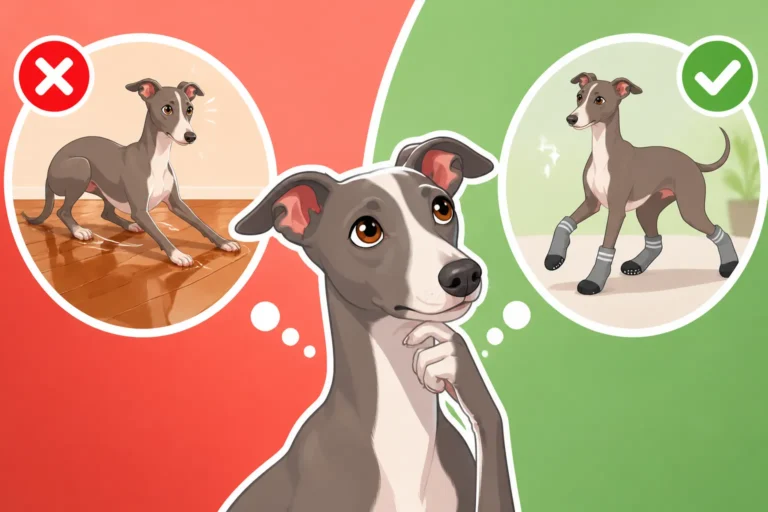
Beyond direct moisturization, protective clothing offers an extra layer of defense against the drying winter air. Even indoors, especially if your home is kept cool or has very dry forced air, a soft sweater or pair of pajamas can help hold in their natural body heat and keep their skin covered. When an Italian Greyhound Needs a Sweater Indoors is more common than many new owners realize. When heading outside for walks, make sure they are bundled in a warm coat to shield their delicate skin from the biting cold and wind. This physical barrier prevents moisture from being wicked away too quickly.
Smart Bathing Practices
When it comes to bathing your Italian Greyhound in winter, less is often more. Excessive washing strips away natural oils, so aim to bathe only when truly necessary. If they've gotten muddy or dirty, a quick rinse of just the affected areas might be sufficient instead of a full bath.
When a full bath is unavoidable, make it a skin-friendly experience. Use lukewarm water – never hot – to prevent further moisture loss. Invest in a high-quality, hydrating shampoo specifically formulated for sensitive skin or dry coats. Look for ingredients like oatmeal, aloe vera, or ceramides that help to soothe and moisturize. Retailers like Chewy offer a wide range of such specialized shampoos. Lather gently, focusing on areas that truly need cleaning, and ensure you rinse thoroughly. Any shampoo residue left on the skin can cause irritation and dryness. After the bath, pat your Italian Greyhound dry with a soft towel rather than vigorous rubbing, which can irritate delicate skin. Follow up with a light, pet-safe conditioner or a moisturizing spray to lock in moisture before they are completely dry.
Humidifying Your Home Environment
One of the most effective ways to combat winter dry skin for both you and your Italian Greyhound is to address the low humidity in your home. Forced-air heating systems essentially suck moisture out of the air, creating an arid environment that constantly dehydrates skin. Investing in a good quality humidifier can be a game-changer.
You don't necessarily need a whole-house system; even a few portable humidifiers placed strategically in the rooms where your Italian Greyhound spends the most time – typically the living room and bedroom – can make a noticeable difference. Set the humidity level to a comfortable 40-50%. You'll likely find that not only does your Italian Greyhound's skin improve, but your own skin, nasal passages, and even wooden furniture will benefit. Remember to clean humidifiers regularly according to manufacturer instructions to prevent mold and bacteria buildup. This simple environmental adjustment can provide continuous relief, allowing your Italian Greyhound's skin to retain its natural moisture more effectively, making them much more comfortable throughout the long winter months. Don't forget that Why an Italian Greyhound Sleeps Under the Covers isn't just about warmth, it's also about creating a tiny, humid microclimate for themselves!
Here's a quick comparison of common winter dry skin causes and effective remedies for your Italian Greyhound:
| Cause of Dry Skin | Contributing Factors | Recommended Remedies |
|---|---|---|
| Thin Coat & Skin | Lack of natural insulation, delicate skin barrier | Regular application of pet-safe moisturizers/balms; protective clothing (sweaters, coats) |
| Low Body Fat | Reduced natural oil production, compromised skin barrier | Diet rich in Omega fatty acids (e.g., fish oil supplements from Amazon); high-quality, balanced dog food like Ollie |
| Cold, Dry Air (Outdoor) | Moisture evaporation from exposed skin, windburn | Adequate warm outdoor clothing (coats, sweaters); limit prolonged outdoor exposure |
| Dry Indoor Air (Heating) | Forced-air heating strips moisture from home air | Use humidifiers in main living areas and bedrooms |
| Over-Bathing | Strips natural oils, harsh shampoos irritate skin | Bathe only when necessary; use lukewarm water and gentle, hydrating shampoos (e.g., oatmeal formulas from Chewy) |
| Inadequate Hydration | Lower water intake in cold, dry air; mild dehydration | Ensure constant access to fresh water; consider pet water fountain; add wet food or broth to diet |
| Poor Nutrition | Lack of essential fatty acids or low-quality food | Evaluate dog food ingredients; consider vet-approved Omega-3 supplements |
Disclaimer
This article is for general informational purposes only and does not constitute professional advice. Laws, prices and regulations vary by location and change over time. Consult a qualified professional for guidance on your specific situation.