How Easily an Italian Greyhound Picks Up Fleas
It’s a common misconception among Italian Greyhound owners that because our beloved Iggys have such short, fine coats and hardly any body fat, they might somehow be less prone to fleas. We look at their sleek, barely-there fur and think, "Surely, there's nowhere for those pesky parasites to hide!" The heartbreaking reality, however, is that this couldn't be further from the truth. Fleas don't discriminate based on coat length, and an Italian Greyhound is just as susceptible – if not more so, given their delicate skin – to picking up these tenacious hitchhikers as any other dog. This guide will walk you through why Iggys are still flea magnets, how to spot the signs, and most importantly, how to keep your lean, lovely companion safe and itch-free.
Why Italian Greyhounds Are Still Susceptible to Fleas
Many of us wish that an Italian Greyhound's unique physique offered some kind of built-in flea protection. It’s a comforting thought, especially when you're trying to minimize any discomfort for your sensitive dog. But fleas are remarkably adaptable creatures, and their survival doesn't depend on a thick, shaggy coat. They're looking for warmth, blood, and a place to lay eggs, and your Italian Greyhound provides all of that, often with less hair getting in their way.
The Misconception About Thin Coats
When you first bring home an Italian Greyhound, you quickly realize how different their coat is from, say, a Labrador or a Golden Retriever. It's so short, so fine, and often quite sparse, especially on their bellies and inner thighs. This can lead to a false sense of security, where owners believe fleas simply won't find purchase or hide effectively. After all, isn't a thick undercoat where fleas really thrive?
The truth is, while a thick coat might offer more hiding places for fleas, an Italian Greyhound’s thin skin and sparse fur actually make them incredibly vulnerable to the irritating bites. There’s less buffer between the flea and the skin, meaning bites are often more immediately noticeable and potentially more irritating. The lack of dense fur also means fleas can move around quite easily on the skin surface, even if they aren't "buried" in thick hair. It's like trying to hide on a barren landscape versus a dense forest – they might be more visible, but they're still there and still causing trouble.
How Fleas Find Any Host
Fleas are opportunists. They don't jump onto a dog thinking, "Oh, this one has a perfect coat!" They respond to vibrations, changes in light, carbon dioxide, and body heat – all signals that a potential host is nearby. Whether that host is a long-haired Collie or a short-haired Italian Greyhound, the biological cues are the same. A flea lurking in the grass, on a carpet, or carried in by another animal isn't going to pause to evaluate your Iggy's hair density. It's simply going to try to jump on and latch on for a meal.
Consider a scenario where your Italian Greyhound is doing its happy outdoor zoomies in the park, or even just trotting through your backyard. Unseen, there could be flea eggs or larvae dropped by wildlife or a neighborhood cat. When your Iggy walks by, the movement and warmth are enough to trigger those fleas to jump. It's a lightning-fast leap, and once they're on, they start looking for a meal. Their sharp mouthparts are designed to pierce skin, regardless of the fur type, and your Iggy's delicate skin is an easy target.
Common Exposure Scenarios
Our Italian Greyhounds are social creatures, even if they can be a bit shy with strangers initially. Their lives often involve interacting with the world, and each interaction presents a potential flea exposure.
- Dog Parks and Playdates: These are prime locations for fleas to transfer from one animal to another. Even if your friend's dog is treated, a single rogue flea can make the jump.
- Outdoor Adventures: Whether it's a walk through a grassy field, a hike on a nature trail, or just a potty break in your own yard, fleas can be present in the environment, especially in shady, damp areas.
- Encounters with Wildlife: A rabbit darting across your yard or a squirrel burying nuts can leave behind fleas, which then find their way onto your Iggy. Many Italian Greyhounds have a strong prey drive, so they might investigate areas where wildlife has recently been.
- Indoor Contamination: Fleas aren't just an outdoor problem. They can hitch a ride into your home on other pets, on your shoes, or even on visitors' clothing. Once inside, they can quickly establish a population in carpets, upholstery, or pet bedding, lying in wait for your unsuspecting Iggy. This is why even a pampered indoor-only Italian Greyhound isn't entirely immune.
Signs Your Italian Greyhound Has Fleas and What to Look For
Because Italian Greyhounds have such thin skin and minimal fur, spotting the signs of fleas can be both easier and more concerning than with other breeds. Their skin is so exposed that flea bites often look quite pronounced, and the constant irritation can lead to secondary issues faster. You’ll really need to pay attention to subtle cues, because an Iggy might hide their discomfort initially. How an Italian Greyhound Hides Pain is a real phenomenon, so vigilance is key.
Visual Cues on Their Delicate Skin
The biggest advantage of an Italian Greyhound's sparse coat is that fleas and their droppings are often more visible. But you have to know what you’re looking for.
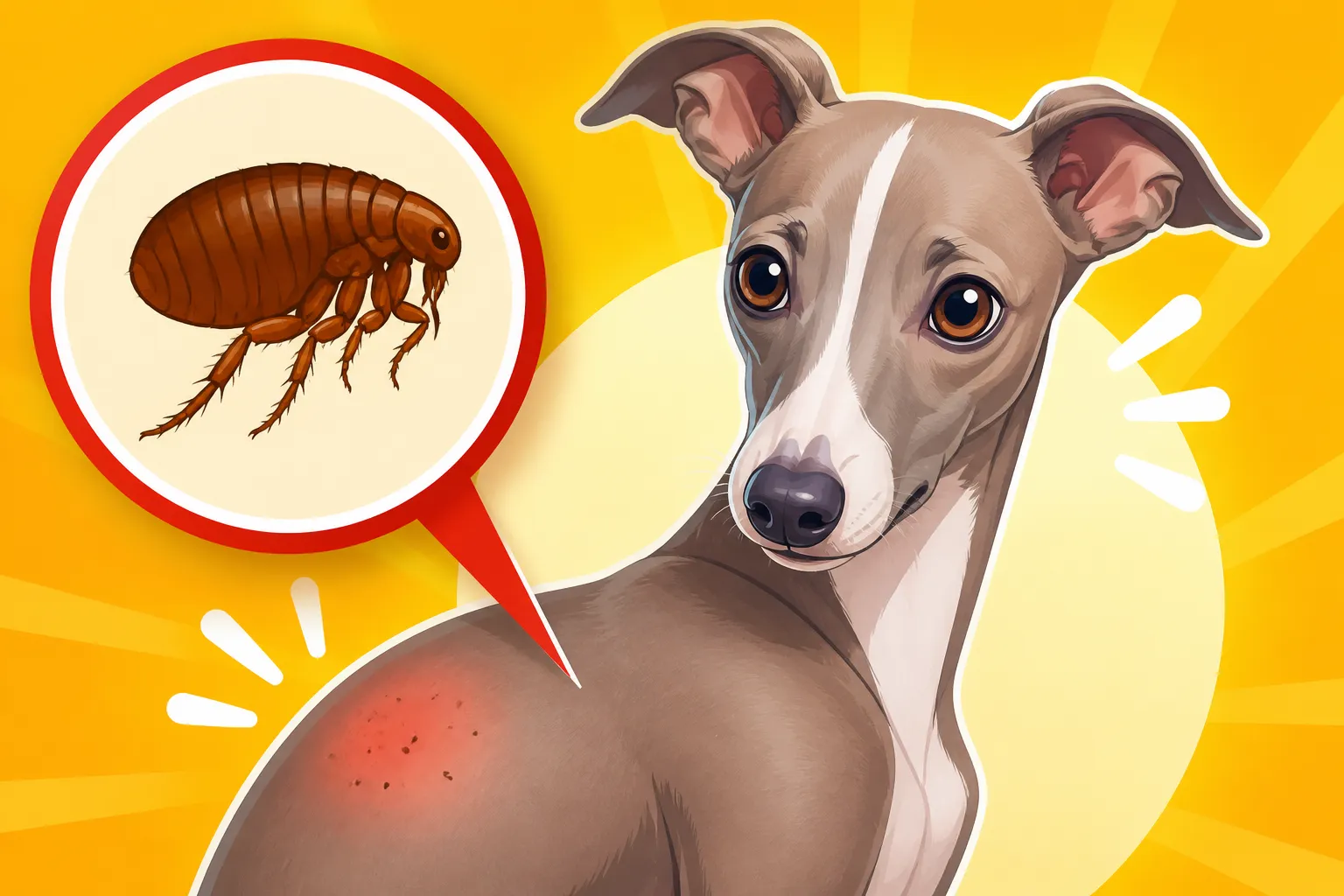
- Red Bumps and Scabs: Flea bites themselves often appear as small, red, raised bumps, particularly around the neck, tail base, groin, and hindquarters. Because an Iggy's skin is so thin, these bites can quickly become inflamed or develop into tiny scabs from scratching. Sometimes, owners mistake these for other skin irritations, but if they're clustered and your dog is itchy, fleas are a strong suspect.
- Flea Dirt: This is perhaps the most tell-tale sign. Flea dirt isn't actually dirt; it's flea feces, composed of digested blood. It looks like tiny black specks, similar to ground pepper or coffee grounds, clinging to the skin and hair. These specks are particularly noticeable against a light-colored Iggy's fur or on their delicate, pale skin. If you brush your Iggy, these specks might fall off onto a white towel or tissue.
- Actual Fleas: Yes, you might actually see the little critters themselves! They are small, reddish-brown, and move very quickly. They tend to hide deep in the fur, so part the hair vigorously, especially along the back and belly. You might see them scurrying away from the light. On an Italian Greyhound, their quick movements are less hidden, making them slightly easier to spot if you're looking closely.
- Hair Loss or Thinning: Persistent scratching, licking, or chewing at irritated areas can lead to localized hair loss. For an Italian Greyhound, whose fur is already quite fine, this can make patches of skin even more exposed and vulnerable. If you notice new bald spots or significant thinning, especially accompanied by redness or scabs, it's a red flag. Cuts, Scrapes and an Italian Greyhound's Paper Thin Skin means any skin issue, including flea bites, needs quick attention.
Behavioral Indicators
Beyond the visual, your Iggy’s behavior will often be the first clue that something is amiss. Italian Greyhounds are sensitive to discomfort, and constant itching can significantly impact their demeanor.
- Excessive Scratching, Licking, or Chewing: This is the most obvious sign. If your Italian Greyhound is constantly scratching with their hind leg, vigorously licking their paws or belly, or nipping at their fur more than usual, fleas are a likely culprit. Pay attention to where they're scratching – around the base of the tail and the inner thighs are common hot spots.
- Restlessness and Agitation: Imagine having tiny insects crawling and biting you all day. It’s incredibly frustrating! An Iggy with fleas might seem unusually restless, unable to settle down, or generally more agitated than usual. They might pace, shift positions frequently, or suddenly jump up to scratch.
- "Ghost" Biting or Nibbling: Sometimes, your Iggy might seem to be biting at nothing, or they might make quick, sharp nibbles at their skin as if something just bit them, even if you don't immediately see a flea. This "ghost" biting is often a reaction to the sensation of fleas moving or biting.
- Changes in Sleep Patterns: If your Italian Greyhound is usually a champion sleeper, but suddenly seems to wake up frequently, restless and itchy, fleas could be disturbing their peace. They might even try to rub themselves against furniture to relieve the itching.
The Dreaded Flea Dirt Test
This is a simple, yet highly effective way to confirm the presence of fleas, even if you don't see the actual insects.
- Gather Your Supplies: You'll need a fine-toothed flea comb (essential for an Iggy's fine hair), a piece of white paper or a damp white paper towel, and good lighting.
- Comb Your Iggy: Gently comb through your Italian Greyhound's fur, paying special attention to the areas where fleas like to hide: the back, base of the tail, groin, and abdomen. After each stroke, examine the comb.
- Check for Flea Dirt: If you see tiny black specks on the comb, wipe them onto the white paper or damp paper towel.
- The "Rust" Test: If the specks are flea dirt, when moistened with a drop of water on the paper towel, they will dissolve and leave a reddish-brown "rust" stain. This is because flea dirt is digested blood. Regular dirt won't do this. If you see the rust, you've got fleas. This test can be a bit gross, but it’s undeniably effective.
Preventing Fleas on Your Italian Greyhound
Prevention is always better than cure, especially with Italian Greyhounds whose delicate skin can react quite strongly to flea bites and subsequent scratching. Establishing a consistent preventative routine is crucial for their comfort and overall health.
Topical Treatments and Oral Medications
The cornerstone of modern flea prevention lies in veterinary-approved medications. These come in two main forms:
- Oral Medications: These are typically chewable tablets given monthly, like those offered by brands you might find on Chewy or through your vet. They work systemically, meaning the active ingredient circulates in your dog's bloodstream. When a flea bites your Iggy, it ingests the medication and dies. Many of these also protect against ticks and other parasites. They are often favored for Italian Greyhounds because they don't leave any residue on the delicate skin and won't wash off if your Iggy gets a bath. Just ensure the dosage is appropriate for your Iggy's specific weight, as What an Italian Greyhound Weighs and How to Tell If It Is Right can vary, and precise dosing is vital.
- Topical Spot-Ons: These are liquid medications applied directly to the skin, usually between the shoulder blades, once a month. The medication then spreads over the skin and coats the hair follicles. Fleas are killed by contact with the active ingredient, not necessarily requiring a bite. While effective, some Italian Greyhounds with very sensitive skin might experience a mild, temporary reaction at the application site. Always consult your vet to choose the best option for your individual dog.
Important Considerations for Italian Greyhounds:
When selecting a preventative, always consult with your veterinarian. They can recommend the most suitable product based on your Iggy's age, weight, health status, and your local flea prevalence. Be wary of over-the-counter products not recommended by a vet, as some can contain ingredients that are less effective or potentially harmful.
Environmental Control at Home
Treating your Italian Greyhound for fleas is only half the battle. Fleas spend most of their life cycle off the host, in the environment. If you don't address the home, you'll be stuck in a frustrating cycle of re-infestation.
- Regular Vacuuming: This is your best friend. Vacuum carpets, rugs, upholstery, and even cracks in hardwood floors frequently. Flea eggs, larvae, and pupae love to hide in these places. Pay extra attention to areas where your Iggy sleeps or spends a lot of time. Immediately after vacuuming, empty the vacuum bag or canister outside into a sealed trash bag to prevent any fleas from re-escaping into your home.
- Wash Bedding: Your Iggy’s favorite bed, blankets, and even your own bedding (if they share your bed, which many do!) should be washed in hot water and dried on high heat regularly. This kills fleas at all life stages. Considering The Bedding a Thin Skinned Italian Greyhound Actually Needs, keeping it clean is a dual benefit.
- Yard Maintenance: Keep your lawn mowed short, especially in shady or damp areas where fleas like to hide. Remove leaf litter and debris. If you have a severe outdoor flea problem, you might need to consider yard treatments, but always ensure they are pet-safe and applied by a professional if you're unsure.
- Check Other Pets: If you have other pets, they also need to be on a consistent flea prevention program. Fleas will happily jump between hosts.
Routine Checks and Grooming
Even with preventative measures, routine checks are essential for early detection. Your Italian Greyhound's minimalist coat actually makes these checks quite easy. Why an Italian Greyhound's Coat Takes Five Minutes a Week isn't just about aesthetics; it's about health checks too.
- Regular Flea Combing: At least once a week, use a flea comb on your Iggy, even if they are on preventative medication. This is especially important after walks or playdates. It's a quick, bonding activity that can catch any rogue fleas before they become a problem. Wipe the comb on a damp white paper towel to check for flea dirt.
- Visual Inspections: When you're cuddling your Iggy or just petting them, take a moment to part their fur and visually inspect their skin, especially in common flea areas. Look for redness, bumps, or scurrying insects.
- Bathing: While not a primary flea treatment, regular bathing can wash away some fleas and flea dirt. If you suspect fleas, using a gentle, pet-safe shampoo can help. How Often an Italian Greyhound Needs a Bath is not very often, but when they do, it's a good time for a thorough inspection.
What to Do If Your Italian Greyhound Gets Fleas
Finding fleas on your Italian Greyhound can be disheartening, but don't panic! A systematic approach is key to eliminating them from your dog and your home.
Immediate Treatment Steps
Once you've confirmed fleas on your Iggy, action needs to be swift and comprehensive.
- Administer a Fast-Acting Treatment: If your Italian Greyhound isn't already on a monthly preventative, or if their current one isn't effective, contact your vet immediately. They can prescribe a fast-acting oral medication or a highly effective topical treatment. These products are designed to kill fleas quickly, providing your Iggy with immediate relief. For example, some modern oral treatments start killing fleas within hours. Never use products designed for cats or other animals, as active ingredients and concentrations can be toxic to dogs.
- Give a Flea Bath (Carefully): While it won't solve the whole problem, a flea bath can provide temporary relief by washing away adult fleas. Use a veterinarian-approved flea shampoo specifically formulated for dogs, or even just a gentle dish soap in a pinch (rinse very thoroughly!). Lather your Iggy well, focusing on their neck first to prevent fleas from migrating to their face, and let it sit for a few minutes before rinsing. Be mindful of their sensitive skin, and ensure they don't get chilled afterwards, especially if it's cold indoors. Why an Italian Greyhound Gets Cold Under Sedation is a good reminder of their susceptibility to cold in general.
- Flea Comb, Flea Comb, Flea Comb: After the bath or treatment, continue to use a flea comb to physically remove any remaining fleas or flea dirt. Dunk the comb in a bowl of soapy water after each stroke to kill any fleas caught in the teeth. This is especially important for puppies or very old Iggys who might be more sensitive to medications.
Treating Your Home Environment
Remember, only about 5% of a flea infestation is actually on your pet. The other 95% (eggs, larvae, pupae) are in your home environment. You must treat the house to break the flea life cycle.
- Intensive Vacuuming: This needs to be done daily for several weeks. Focus on all carpeted areas, rugs, upholstered furniture, and anywhere your Iggy rests. Don't forget under beds and furniture. After each vacuum, seal the bag and dispose of it outside.
- Wash Everything Fabric: All pet bedding, blankets, throws, and anything else your Italian Greyhound comes into contact with should be washed in hot water and dried on high heat. This is non-negotiable. If your Iggy sleeps in your bed, wash all your linens too.
- Consider a Home Treatment: For severe infestations, you might need to use an insect growth regulator (IGR) spray or a flea bomb (fogger) in your home. IGRs are particularly effective because they prevent flea eggs and larvae from developing into adult fleas, thereby breaking the life cycle. When using these products, always follow the instructions carefully, ensuring pets and people are out of the house for the recommended time. You can find effective IGR sprays from online retailers like Amazon or Ollie, but always read reviews and ensure they are safe for use around pets once dry.
- Don't Forget the Car: If your Italian Greyhound rides in the car, vacuum the car's interior thoroughly and consider using a pet-safe flea spray designed for vehicles.
When to Consult Your Vet
While many flea infestations can be managed at home, there are times when professional veterinary intervention is necessary.
- Persistent Infestations: If you've been diligently treating your Iggy and your home, but the fleas keep coming back, it's time to call the vet. There might be an underlying issue, or you might need a stronger, prescription-only product.
- Flea Allergy Dermatitis (FAD): Some Italian Greyhounds develop an allergic reaction to flea saliva. Even a single bite can cause intense itching, redness, inflammation, and skin infections. If your Iggy's skin is severely irritated, raw, or infected (look for pus, strong odor, or extreme pain), they need veterinary care. The vet can prescribe anti-inflammatories, antibiotics, or antihistamines to help them heal.
- Anemia in Puppies or Debilitated Dogs: In severe infestations, especially in very young puppies or frail senior Italian Greyhounds, significant blood loss from too many fleas can lead to anemia, which is a serious, life-threatening condition. Signs include pale gums, lethargy, and weakness. This is an emergency and requires immediate veterinary attention.
- Unsure About Products: If you're overwhelmed by the array of flea products or unsure about safe application for your Italian Greyhound, your vet is the best resource. They can guide you to the safest and most effective options. Why an Italian Greyhound's Vet Should Know Sighthounds is especially true when it comes to medication, as their unique metabolism can sometimes react differently.
Fleas are a year-round threat, and while the idea of them crawling on your delicate Italian Greyhound is certainly unpleasant, being prepared and proactive is your best defense. With consistent prevention, regular checks, and swift action if an infestation occurs, you can keep your beloved Iggy comfortable, healthy, and delightfully itch-free.
Disclaimer
This article is for general informational purposes only and does not constitute professional advice. Laws, prices and regulations vary by location and change over time. Consult a qualified professional for guidance on your specific situation.