What the World Wars Did to the Italian Greyhound
When you welcome an Italian Greyhound into your home, you're not just getting a dog; you're adopting a piece of living history, a breed that has weathered incredible storms. It's easy to overlook the fragility of a breed's existence, especially when global conflicts rage. This guide will take you through the harrowing journey of the Italian Greyhound during the World Wars, shedding light on how these profound historical events pushed the delicate breed to the brink of extinction and the remarkable efforts that brought them back.
The First World War: A Silent Cull
The Great War, as it was known, wasn't just devastating for humans; it had a quiet, insidious impact on many dog breeds, particularly those considered "non-essential" or luxurious. For a delicate, aristocratic breed like the Italian Greyhound, the outbreak of war in 1914 signaled the beginning of a rapid decline in Europe.
Decline in Numbers and Resources
As nations mobilized for war, resources became incredibly scarce. Food, fuel, and medical supplies were diverted to the war effort, leaving little for pet ownership, especially for dogs not serving a working purpose. Imagine trying to keep a small, fragile Italian Greyhound well-fed and warm when your own family was struggling to get by. Many owners simply couldn't afford to keep them, leading to fewer litters being bred and a tragic increase in euthanasia or abandonment. The focus shifted entirely to survival, and a breed prized for its elegance and companionship became a luxury few could maintain. Pedigreed dogs, particularly those requiring specialized care due to their delicate nature, were often the first casualties of such economic and social upheaval.
Furthermore, the very act of maintaining a breeding program became nearly impossible. Travel restrictions, the disruption of communication, and the constant threat of conflict meant that breeders struggled to access suitable mates, transport dogs, or even keep track of their lineage. The meticulous record-keeping essential for purebred dog registries was often put on hold or lost entirely in the chaos. What was once a thriving network of dedicated fanciers across Europe withered under the shadow of trench warfare and rationing.
Loss of Critical Breeding Stock
One of the most profound and irreparable damages inflicted by World War I was the loss of irreplaceable breeding stock. Many established kennels, some with lines tracing back generations, were destroyed or disbanded. Breeders themselves were conscripted, injured, or killed. Their homes and kennels, often located in areas heavily impacted by the war, became unsafe or unmaintainable. This wasn't just about individual dogs; it was about entire genetic lines vanishing.
Consider the historical prevalence of the Italian Greyhound in European nobility and aristocratic circles. These were families often at the heart of the conflict or directly impacted by its political and economic fallout. As fortunes crumbled and estates were abandoned or repurposed, the dogs within them were often lost. The genetic diversity that had been carefully cultivated over centuries began to erode rapidly. This loss wasn't immediately apparent to everyone, but within the small, dedicated community of Italian Greyhound fanciers, the alarm bells were ringing. The breed had already faced near extinction before, as documented in The Italian Greyhound Nearly Died Out Twice in Europe, but WWI presented a new, modern threat.
The Second World War: A Near Annihilation
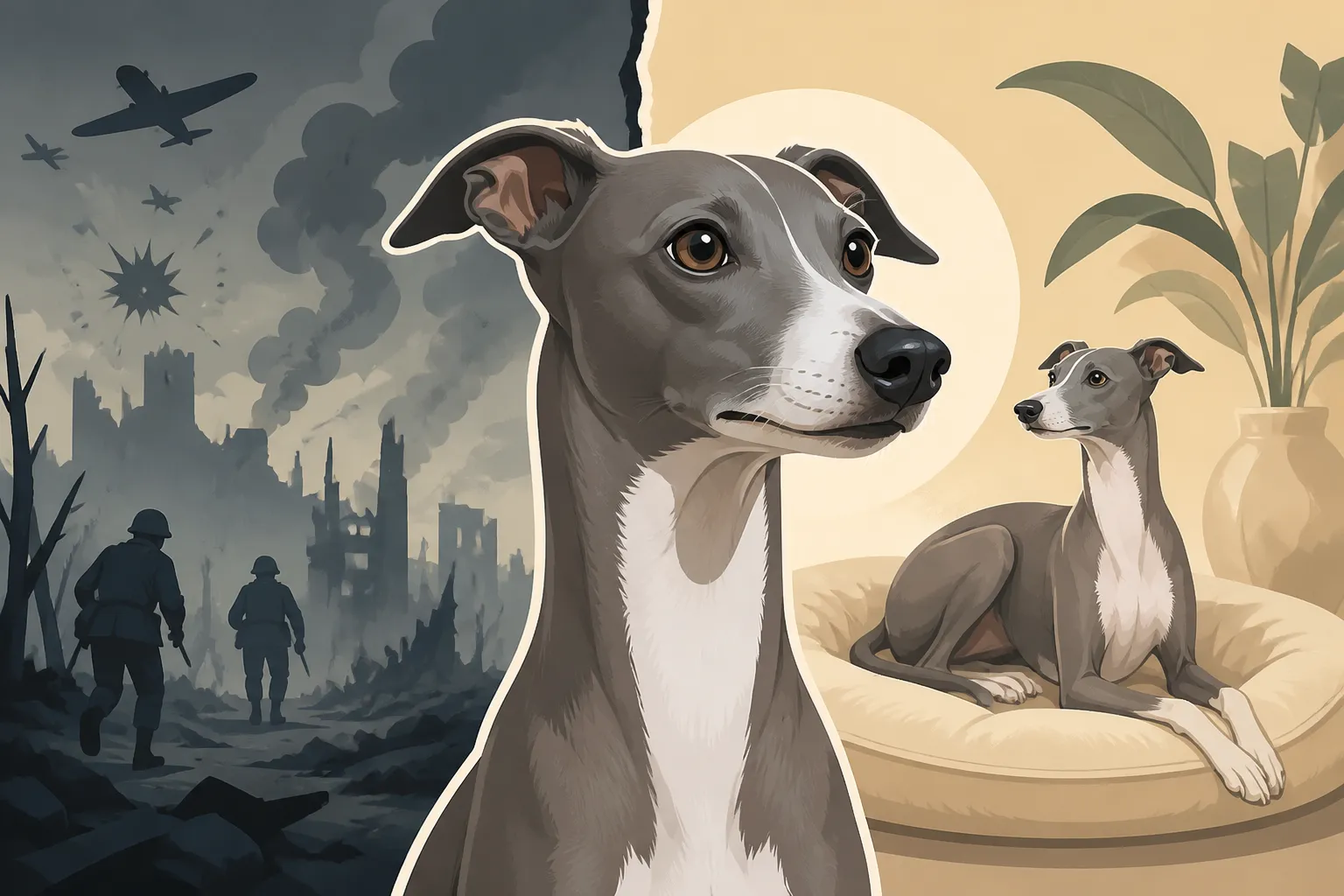
Just as the Italian Greyhound population began a slow, painstaking recovery in the interwar years, the world plunged into an even more devastating conflict. World War II delivered a second, almost fatal blow to the breed, particularly in its European homeland.
Further Devastation and Scarce Resources
The scale and intensity of World War II dwarfed the first, bringing widespread destruction and hardship across Europe. Cities were bombed, supply lines were severed, and entire regions became battlegrounds. For dog breeders, this meant a repeat, but amplified, version of the challenges faced two decades prior. Food scarcity was even more pronounced, with rationing becoming a way of life for many years. Keeping even a small dog like an Italian Greyhound fed became a significant, sometimes impossible, burden.
The conditions during WWII were utterly brutal. Imagine trying to shelter a delicate, short-coated Italian Greyhound from freezing temperatures and air raids, all while struggling to find enough food for yourself. Many dogs perished from starvation, disease, or simply the harsh realities of wartime living. Vet care, already limited, became practically non-existent for pets. The focus was on human survival, and sadly, pets often fell by the wayside. This wasn't due to a lack of love, but simply the overwhelming demands of the era. The continuous bombing campaigns, particularly in places like Britain and Germany, meant that even if a family wanted to keep their dogs, their homes and kennels might be destroyed overnight, scattering or killing the animals within.
Scarcity of Breeding Stock in Europe
By the end of World War II, the situation for the Italian Greyhound in Europe was dire. The populations in countries where the breed had historically thrived, like Italy, Germany, and Great Britain, were decimated. What few dogs remained were often isolated, making breeding programs incredibly difficult to restart. There was a critical lack of genetic diversity, with many of the remaining dogs being closely related. This created a genetic bottleneck, meaning that even if breeding could occur, the offspring would be at a higher risk for inherited health issues due to inbreeding.
This period was characterized by a desperate search for any surviving Italian Greyhounds. Breeders who had managed to hold onto a handful of dogs were lauded as heroes, but the numbers were simply too low to sustain a healthy, diverse population. The vibrant community of breeders and fanciers that had once exchanged dogs and knowledge across borders was shattered. The continent's remaining Italian Greyhounds represented a mere fraction of their pre-war numbers, a stark testament to the unforgiving nature of global conflict on even the most cherished companion animals. It was clear that without external intervention, the European Italian Greyhound was on a path to extinction.
American Breeders Step Up for Rescue
Amidst the devastation in Europe, a glimmer of hope for the Italian Greyhound breed emerged from across the Atlantic. In the United States, the breed, though not as widespread as in Europe, had maintained a small but dedicated following, largely untouched by the immediate destruction of the wars. American breeders recognized the critical situation and stepped up in a monumental effort to save the breed.
Maintaining the Lineage Stateside
While Europe struggled, breeders in America, such as those forming the Italian Greyhound Club of America, worked diligently to keep the breed alive and healthy. They continued to breed carefully, focusing on sound temperament and health, preserving the characteristic elegance of the Italian Greyhound. This dedicated work meant that a crucial genetic reservoir was maintained, relatively insulated from the chaos abroad. The challenges were still there – finding quality breeding stock, dealing with the occasional health issue – but they were manageable compared to their European counterparts.
These American lines, though smaller in number than the historical European populations, became the custodians of the breed's future. They meticulously kept records, ensured proper health screenings, and fostered a community of responsible owners and breeders. This foresight and dedication were absolutely essential. Without this uninterrupted lineage in the States, the story of the Italian Greyhound might have ended very differently. Many responsible breeders today still emphasize careful breeding, ensuring their dogs are robust and healthy, using resources from places like Chewy for all their puppy and adult dog needs, from specialized food to cozy blankets.
Reintroduction and Rebuilding in Europe
Once the wars ended and some semblance of normalcy returned, the monumental task of rebuilding the Italian Greyhound population in Europe began. This effort relied heavily on the American breeding stock. American breeders, with incredible generosity and foresight, sent their dogs back to Europe to help re-establish the breed there. This was a complex and often challenging process, requiring careful coordination and a deep commitment to the breed's survival.
The reintroduction wasn't just about sending dogs; it was about sharing knowledge, expertise, and a passion for the breed. These American-bred Italian Greyhounds slowly infused new life and much-needed genetic diversity into the dwindling European lines. It was a true transatlantic collaboration that underscored the dedication of dog fanciers to preserving their beloved breeds. This crucial period, detailed further in How American Breeders Saved the Italian Greyhound, highlights a pivotal moment in the breed's history, showing how international cooperation literally saved a species.
Consequences of a Narrowed Gene Pool
While the Italian Greyhound was saved from extinction, the severe reduction in its population during the World Wars left an indelible mark: a significantly narrowed gene pool. This genetic bottleneck has had lasting implications for the breed's health and overall robustness.
The Genetic Bottleneck Effect
A genetic bottleneck occurs when a population undergoes a drastic reduction in size, leading to a loss of genetic variation. Imagine a vibrant tapestry woven with many different colors and textures. After a bottleneck, much of that variety is lost, leaving a simpler, less diverse pattern. For the Italian Greyhound, this meant that many unique genes and genetic combinations were lost forever. The dogs that survived and were used for breeding became the foundation for almost all modern Italian Greyhounds, reducing the overall genetic diversity of the breed.
This reduction in genetic variety makes a breed more susceptible to inherited health problems. If a harmful recessive gene is present in the few surviving individuals, it becomes much more likely to be passed on and expressed in future generations because there are fewer alternative, healthy genes to dilute its impact. This is a common challenge for many breeds that faced similar crises, and it's a constant concern for responsible breeders today. The consequences of this bottleneck are still felt, emphasizing the importance of diverse breeding practices. You can learn more about this in How Narrow the Italian Greyhound Gene Pool Became.
Health Implications and Breeding Challenges
The narrowed gene pool means that modern Italian Greyhounds, while cherished and generally healthy, can be predisposed to certain genetic conditions. Issues such as patellar luxation, various eye diseases like Progressive Retinal Atrophy, and even some types of epilepsy have been observed in the breed. While these conditions aren't unique to Italian Greyhounds, the limited genetic diversity can make them more prevalent or harder to breed out.
For breeders, this presents a significant challenge. They must carefully manage their breeding programs to avoid further inbreeding and to introduce as much genetic diversity as possible from the available lines. This involves extensive health testing, such as those described in What an Italian Greyhound Breeder Should Have Tested, and sometimes looking to lines that are less commonly used. The goal is always to produce healthy, long-lived dogs. It's a delicate balancing act, requiring deep knowledge of genetics and a profound commitment to the welfare of the breed. Owners often rely on retailers like Chewy for specialized diets and supplements that support their Italian Greyhound's health, acknowledging these inherent predispositions.
Lessons Learned and Modern Breeding Practices
The harrowing experience of the World Wars served as a stark lesson for Italian Greyhound fanciers and the wider dog breeding community. It highlighted the fragility of even well-established breeds and the critical importance of responsible stewardship.
Importance of Genetic Diversification
One of the most profound lessons learned was the absolute necessity of genetic diversification. Breeders today understand that while maintaining breed type is crucial, it should not come at the expense of a healthy gene pool. There's a constant effort to broaden the genetic base within the breed, both by utilizing all available healthy lines and, in some rare cases, carefully considering outcrosses to similar breeds if it's deemed necessary to introduce new genetic material and done under strict protocols.
This proactive approach aims to prevent future genetic bottlenecks and to reduce the prevalence of inherited health conditions. It requires careful record-keeping, DNA testing, and a willingness to share information among breeders. It's a collaborative effort that ensures the long-term health and vitality of the Italian Greyhound, moving beyond merely avoiding extinction to striving for robust health. The breed standard, as discussed in How Italian Greyhound Type Has Changed Since 1900, has also evolved to emphasize health alongside appearance.
Responsible Breeding Practices Today
Today's responsible Italian Greyhound breeders are deeply aware of the breed's history and the challenges it has faced. Their practices reflect this understanding. They focus not only on conformation and temperament but also on comprehensive health testing to screen for known genetic predispositions. This includes testing for conditions like Patellar Luxation, Progressive Retinal Atrophy, and often thyroid function. They are transparent about their dogs' health histories and pedigree, ensuring potential owners are fully informed. Many will recommend reputable sources like Chewy for necessary supplies, understanding the need for high-quality care.
Furthermore, responsible breeders prioritize the health and well-being of their breeding dogs, ensuring they are mature, healthy, and not overbred. They strive to place puppies in loving, well-prepared homes, providing ongoing support and education to new owners. This commitment ensures that the Italian Greyhound, a breed that has survived two world wars, continues to thrive as a beloved companion. These dedicated individuals are the guardians of the breed's future, ensuring that the legacy of elegance and companionship continues for generations to come. They understand the Italian Greyhound is a truly The Italian Greyhound Is Two Thousand Years Old, and deserves thoughtful preservation.
Comparing Italian Greyhound Status: Pre-War vs. Post-War
To really drive home the impact, let's look at a simplified comparison of the Italian Greyhound's status before the World Wars versus after. This isn't just about numbers; it's about the very fabric of the breed.
| Feature | Pre-World War I (c. 1910) | Post-World War II (c. 1950) |
|---|---|---|
| Geographic Spread | Widespread across Europe, especially aristocratic circles | Severely limited in Europe, primarily surviving in USA |
| Population Size | Relatively healthy and numerous in Europe | Drastically reduced, near extinction in Europe |
| Genetic Diversity | Good, with established lines and varied pedigrees | Significantly narrowed due to bottleneck |
| Breeding Programs | Active and extensive across multiple countries | Disrupted, fragmented, and largely reliant on USA for revival |
| Breeder Community | Robust, interconnected across Europe | Severely impacted, requiring rebuilding and international aid |
| Overall Health | Generally sound, with typical breed concerns | Increased risk of inherited conditions due to reduced gene pool |
| Cultural Status | Prized companion, symbol of elegance | Surviving breed, focus on preservation and rebuilding |
This table illustrates the profound shift from a widely cherished, relatively stable breed in Europe to one teetering on the edge, reliant on transatlantic efforts for its very survival.
Conclusion
The story of the Italian Greyhound through the World Wars is a poignant reminder of how deeply human conflicts can affect even our most cherished animal companions. From being a prized companion in European courts and parlors, the breed was twice pushed to the brink of oblivion, its very existence threatened by the devastating impacts of war. The resilience of these tiny dogs, coupled with the unwavering dedication of breeders, particularly those in America, saved them from fading into history. Today, as we enjoy the company of these elegant and loving dogs, it's important to remember their incredible journey and the responsibility we bear to continue protecting their health and preserving their unique legacy. It’s a testament to their enduring charm that they are still with us, a living link to a fascinating past.
Disclaimer
This article is for general informational purposes only and does not constitute professional advice. Laws, prices and regulations vary by location and change over time. Consult a qualified professional for guidance on your specific situation.