Whether an Italian Greyhound Is a Miniature Greyhound
It’s a common sight: someone spots an Italian Greyhound, and their first thought is often, "Oh, look, a tiny Greyhound!" It’s an understandable mistake, given their undeniable elegance and sleek, athletic build. But if you’re trying to understand the Italian Greyhound breed, assuming they’re just miniature versions of their larger sighthound cousins misses so much of what makes them unique. This guide will dive deep into why this perception is both correct in spirit and wildly inaccurate in detail, exploring their distinct history, physical traits, and temperaments to help you truly appreciate the breed for what it is.
Understanding the "Miniature Greyhound" Misconception
The visual similarities between an Italian Greyhound and a larger Greyhound are striking, especially to the untrained eye. Both possess that iconic sighthound silhouette: deep chest, slender waist, long elegant legs, and a lean body built for speed. It’s no wonder people often jump to the conclusion that one is simply a scaled-down version of the other. However, this superficial resemblance hides a fascinating story of distinct lineage and intentional breeding that sets the Italian Greyhound apart as its own unique breed.
The Visual Similarities That Fool People
When you look at an Italian Greyhound, you immediately see the hallmarks of a sighthound. They have that unmistakable curved back, often referred to as a "roach" or "arch," which is designed for powerful propulsion. Their long, fine tails taper to a delicate point, and their ears often fold back gracefully, giving them an alert yet gentle expression. These are characteristics shared by many sighthound breeds, including the Greyhound, Whippet, and Scottish Deerhound, all of which were historically bred for hunting by sight. The sleek, short coat and delicate bone structure further contribute to this sighthound aesthetic, making the Italian Greyhound feel like a perfectly proportioned, albeit pint-sized, version of a Greyhound. It’s this visual blueprint that makes the "miniature Greyhound" label so appealing and seemingly accurate.
However, beneath this shared aesthetic, the devil is in the details. While the overall impression is similar, a closer look reveals subtle yet significant differences in their proportions and conformation that distinguish them from a true Greyhound. An Italian Greyhound isn't just a Greyhound shrunk down; it's a breed that developed its own unique set of physical traits over centuries, tailored to a very different purpose. Thinking of them as simply a smaller Greyhound can lead to misunderstandings about their specific needs and vulnerabilities.
The Breed Standard Differences in Size
The most obvious difference, of course, is size. Greyhounds are substantial dogs, typically standing 27 to 30 inches tall at the shoulder and weighing anywhere from 60 to 80 pounds or more. They are powerful, athletic animals built for incredible speed and endurance over short distances. In contrast, Italian Greyhounds are firmly classified in the Toy Group, a clear indication of their diminutive stature. An adult Italian Greyhound typically stands around 13 to 15 inches tall and weighs between 7 and 14 pounds. This isn't just a minor reduction; it's a colossal difference in scale that impacts every aspect of their existence, from their bone density to their need for warmth.
The breed standards for both dogs reflect these profound size differences. While both standards emphasize elegance and speed, the Italian Greyhound's standard also highlights a delicate build and fine bones, features that would be considered faults in a Greyhound bred for racing or coursing. For instance, the Italian Greyhound's radius, one of the two bones in their forearm, is notably fine and prone to fracture, leading to significant concerns for owners about A Broken Leg Is the Emergency Every Italian Greyhound Owner Fears. These size and structural distinctions are critical for understanding why these breeds, despite their shared name, are not interchangeable.
Historical Origins: Separate Paths, Shared Ancestry
To truly understand why an Italian Greyhound isn't simply a miniature Greyhound, we have to journey back in time and explore their distinct historical paths. While they share a common ancestor in the ancient sighthound lineage, their development diverged centuries ago, leading to two breeds with very different roles and appearances. This isn't a case of a breeder simply selecting for smaller and smaller Greyhounds; it's a story of distinct geographical origins, cultural purposes, and centuries of selective breeding.
Ancient Roots and Divergent Purposes
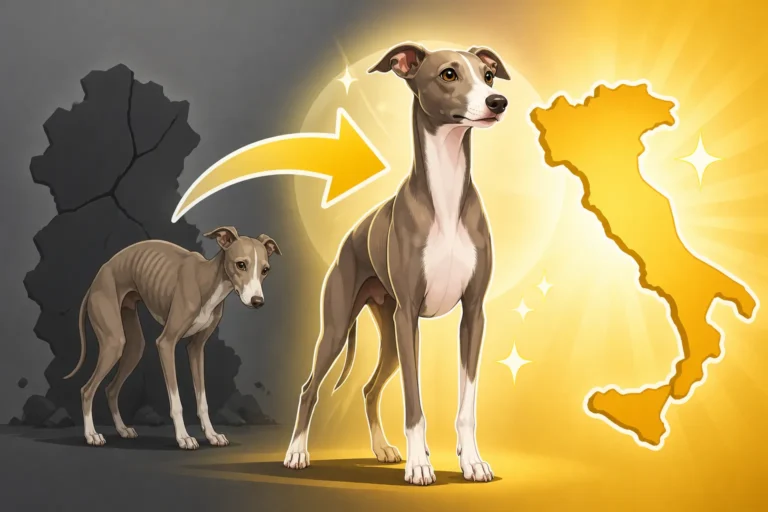
The sighthound type is incredibly ancient, with dogs resembling modern Greyhounds found in art and artifacts from ancient Egypt and Greece. These early sighthounds were prized for their hunting prowess, used to chase down game in open country. Both Italian Greyhounds and Greyhounds trace their ancestry back to these ancient dogs. However, somewhere along the line, their paths diverged significantly. The Italian Greyhound Is Two Thousand Years Old, with evidence suggesting their presence in the Mediterranean basin at least that far back. While the Greyhound remained primarily a hunter and later a racer, the Italian Greyhound evolved into something quite different.
The earliest Italian Greyhounds, or their direct ancestors, were not bred for hunting large game. Instead, they found their niche as companions, particularly favored by nobility and royalty in ancient Mediterranean cultures. Their delicate size and affectionate nature made them ideal lapdogs and household pets. This fundamental shift in purpose – from hunter to companion – dictated the direction of their selective breeding, moving away from robust athleticism and towards refined elegance and manageable size.
The Role of Selective Breeding Through the Ages
For centuries, breeders in Italy and other parts of Europe intentionally selected for smaller, more refined versions of the sighthound type. This wasn't about shrinking a Greyhound, but about developing a distinct breed that exemplified grace and companionship. During the Renaissance, Italian Greyhounds reached the peak of their popularity, depicted in countless paintings alongside European aristocracy. The Renaissance Painters Who Put Italian Greyhounds in the Frame showcase their prominent place in society as symbols of status and elegance.
This intensive selective breeding for reduced size, delicate features, and a gentle temperament is what solidified the Italian Greyhound as its own breed. While they share the Greyhound's general outline, their specific proportions, bone density, and overall conformation are a direct result of this long history of breeding for specific companion qualities. It’s a powerful illustration of how human preference and utility can shape a breed over time, creating a distinctly different dog from its larger ancestors. The result is a dog perfectly suited for a life of luxury and cuddles, rather than the racetrack or field.
Physical Distinctions Beyond Size
Beyond the obvious difference in scale, Italian Greyhounds possess unique physical characteristics that further distinguish them from Greyhounds. It's not just that they are smaller; their entire skeletal structure, proportions, and even subtle features have evolved differently. These distinctions are crucial not only for conformation but also for understanding their particular health needs and care requirements. Overlooking these nuances can lead to inappropriate expectations for their activity levels and potential vulnerabilities.
Differences in Bone Structure and Proportions
While both breeds share a lean, muscular appearance, the underlying bone structure tells a different story. Greyhounds are built for power and explosive speed. Their bones are dense and strong, designed to withstand the incredible forces generated during a full-out sprint. Their musculature is highly developed, particularly in the hindquarters, providing immense propulsion. In contrast, Italian Greyhounds, while agile and surprisingly fast for their size, possess a much finer bone structure. Their limbs are delicate, their joints are less robust, and their overall frame is more fragile. This is why issues like Why an Italian Greyhound's Leg Bones Break So Easily are such a prevalent concern for owners.
Consider the length of their legs relative to their body. While both are long-legged, the Italian Greyhound's leg length is often proportionally greater, giving them a more "leggy" appearance compared to the more compact power build of a Greyhound. Their necks are also incredibly long and graceful, enhancing their elegant profile. These subtle differences in proportion are not simply a matter of scaling; they are inherent breed traits that have been carefully preserved through selective breeding, defining the Italian Greyhound as a unique entity rather than a shrunk-down replica.
Coat, Color, and Unique Italian Greyhound Traits
Both breeds typically have short, smooth coats that require minimal grooming. However, while Greyhounds come in a vast array of colors and patterns, the Italian Greyhound's accepted color palette is slightly different. Every Color an Italian Greyhound Is Allowed to Be includes solids like black, blue, fawn, red, and cream, as well as various combinations with white markings. While a blue Italian Greyhound is standard, certain patterns like brindle and black and tan are considered disqualifications in the show ring, whereas they might be permissible or even common in Greyhounds. These specific genetic traits contribute to their distinct appearance.
Beyond coat and color, Italian Greyhounds possess a few other unique traits. Their large, expressive eyes often have a soft, almost mournful look that belies their playful spirit. Their unique gait, a high-stepping, elegant trot, is a hallmark of the breed and different from the powerful, ground-covering stride of a Greyhound. Furthermore, Italian Greyhounds are notorious for feeling the cold keenly due to their thin skin and lack of body fat, a trait less pronounced in the more robust Greyhound. This often means a substantial wardrobe is needed for the Italian Greyhound, from indoor sweaters to full winter coats. You'll find many options on sites like Chewy for all seasons to keep them cozy. This need for constant warmth and protection is a defining characteristic of owning an Italian Greyhound, highlighting how their delicate physicality impacts their daily care.
| Feature | Italian Greyhound | Greyhound |
|---|---|---|
| Size (Height) | 13-15 inches (Toy Group) | 27-30 inches (Hound Group) |
| Weight | 7-14 pounds | 60-80+ pounds |
| Bone Structure | Fine, delicate | Dense, robust |
| Purpose | Companion, lapdog | Racing, coursing, companion |
| Susceptibility | Prone to leg fractures, chills | Generally robust, deep chest means bloat risk |
| Coat/Skin | Very thin skin, little body fat, needs warmth | Short, smooth, more muscular padding |
| Common Colors | Solids (black, blue, fawn, red, cream), white markings | Wide variety of solids and brindles, piebalds etc. |
Temperament and Lifestyle: A Different Breed Entirely
While physical traits are a major differentiator, the temperament and lifestyle needs of Italian Greyhounds also set them apart from their larger sighthound cousins. Their centuries of selective breeding for companionship have cultivated a personality that, while sharing some sighthound characteristics, is distinctly "Italian Greyhound." Understanding these behavioral nuances is essential for anyone considering bringing one of these delightful, if sometimes challenging, dogs into their home.
The Italian Greyhound's Signature "Velcro Dog" Personality
One of the most defining characteristics of an Italian Greyhound is their intense need for human companionship, earning them the nickname "velcro dog." They thrive on being close to their people, often following them from room to room, and preferring to be snuggled under blankets or on a lap. This is a dog that genuinely wants to be with you, all the time. While Greyhounds can be affectionate and enjoy lounging, they often retain a more independent streak, content to nap quietly in their own space. The Italian Greyhound, by contrast, lives for connection. This strong bond, while wonderful, can also lead to challenges like separation anxiety if not managed properly. The Velcro Dog: What Constant Company Means With an Italian Greyhound is a reality every prospective owner needs to understand.
This deep attachment also manifests in their sensitivity. Italian Greyhounds are incredibly attuned to their owners' moods and can be easily startled or upset by harsh voices or sudden movements. They don't respond well to traditional, firm training methods and flourish instead with positive reinforcement and gentle guidance. This sensitive nature is a far cry from the more resilient, task-oriented temperament often found in Greyhounds, who, while sweet, are generally less emotionally delicate.
Exercise Needs and Delicate Nature vs. the Greyhound's Robustness
Another significant difference lies in their exercise requirements and overall robustness. Greyhounds, especially ex-racers, require opportunities to sprint and stretch their powerful muscles. While they are famously couch potatoes indoors, they need regular, intense bursts of exercise to stay physically and mentally healthy. Their sturdy build can handle these activities with relative ease, assuming they are in good health. Italian Greyhounds, on the other hand, have a much more delicate constitution. While they certainly love to run and engage in bursts of "zoomies" around the house or a securely fenced yard, their exercise needs are generally moderate. A couple of brisk walks a day, coupled with some indoor play, usually suffices.
Their delicate nature extends to their susceptibility to injury and cold. Their fine bones make them prone to fractures, often from seemingly innocuous jumps or falls. This means owners must be incredibly vigilant about supervising their play and protecting them from everyday hazards. Furthermore, their lack of body fat and thin skin means they get cold very easily, requiring sweaters, coats, and warm bedding even indoors. The Italian Greyhound That Refuses to Go Out in the Cold is a very real scenario for many owners, necessitating careful consideration of outdoor conditions. You can find excellent, breed-specific warm clothing on platforms like Chewy, which cater to their unique body shape. This contrasts sharply with the Greyhound's more robust build, allowing them greater tolerance for varying weather conditions.
Genetic Insights: What DNA Tells Us
In the modern era, genetic science offers us powerful tools to trace the lineage and relationships between dog breeds. While visual similarities and historical records provide strong clues, DNA analysis can confirm or refute long-held assumptions about breed origins. When we apply this scientific lens to the question of whether an Italian Greyhound is a miniature Greyhound, the evidence further supports their distinct identity.
Tracing Lineage Through Modern Canine Genetics
Advances in canine genomics have allowed researchers to map the genetic relationships between various dog breeds. These studies consistently show that while Italian Greyhounds and Greyhounds do share distant common ancestors within the broader sighthound family, they are distinct breeds that diverged many centuries ago. They don't appear as simply a smaller branch off the Greyhound tree, but rather as parallel lines that evolved independently from ancient stock. The genetic markers that define each breed highlight their unique development paths, rather than a direct scaling down.
This means that the Italian Greyhound didn't come about by continuously breeding the smallest Greyhounds together over generations to achieve a miniature version. Instead, it suggests a more complex history of selection for specific traits that led to the small, refined companion dog we know today. Their genetic signature reflects centuries of careful cultivation to create a dog that embodied elegance, grace, and an affectionate disposition, rather than simply replicating the Greyhound's form in a smaller package. This evidence reinforces the idea that Which Breeds Are Genetically Closest to the Italian Greyhound might include other sighthound types, but the direct "miniature" link to the Greyhound is not supported.
Why Breeding "Down" Isn't the Full Story
The concept of "breeding down" usually implies selecting the smallest individuals from a large breed and continuously breeding them to reduce size over time. While this can happen with some breeds, it doesn't fully explain the Italian Greyhound's development. If Italian Greyhounds were simply Greyhounds bred down, you would expect them to retain all the Greyhound's characteristics, just miniaturized. However, as we've discussed, their bone structure, proportions, and even some temperament traits are fundamentally different. The fragility of their bones, for instance, is a specific characteristic, not just a scaled-down version of a Greyhound's sturdy frame.
Furthermore, efforts to intentionally breed dogs "down" too rapidly or to an extreme can lead to significant health problems and exaggeration of undesirable traits. While there were periods in history where very tiny Italian Greyhounds were sought after, sometimes at the expense of their health, the modern breed standard aims for a balance of small size with sound structure and health. Whether an Italian Greyhound Was Ever Bred Too Small highlights historical instances where the pursuit of extreme miniature size led to significant issues. The Italian Greyhound is a distinct breed with its own set of characteristics, developed over a long period through thoughtful, albeit sometimes misguided, selection, resulting in a dog that is much more than just a miniature version of a Greyhound.
Disclaimer
This article is for general informational purposes only and does not constitute professional advice. Laws, prices and regulations vary by location and change over time. Consult a qualified professional for guidance on your specific situation.